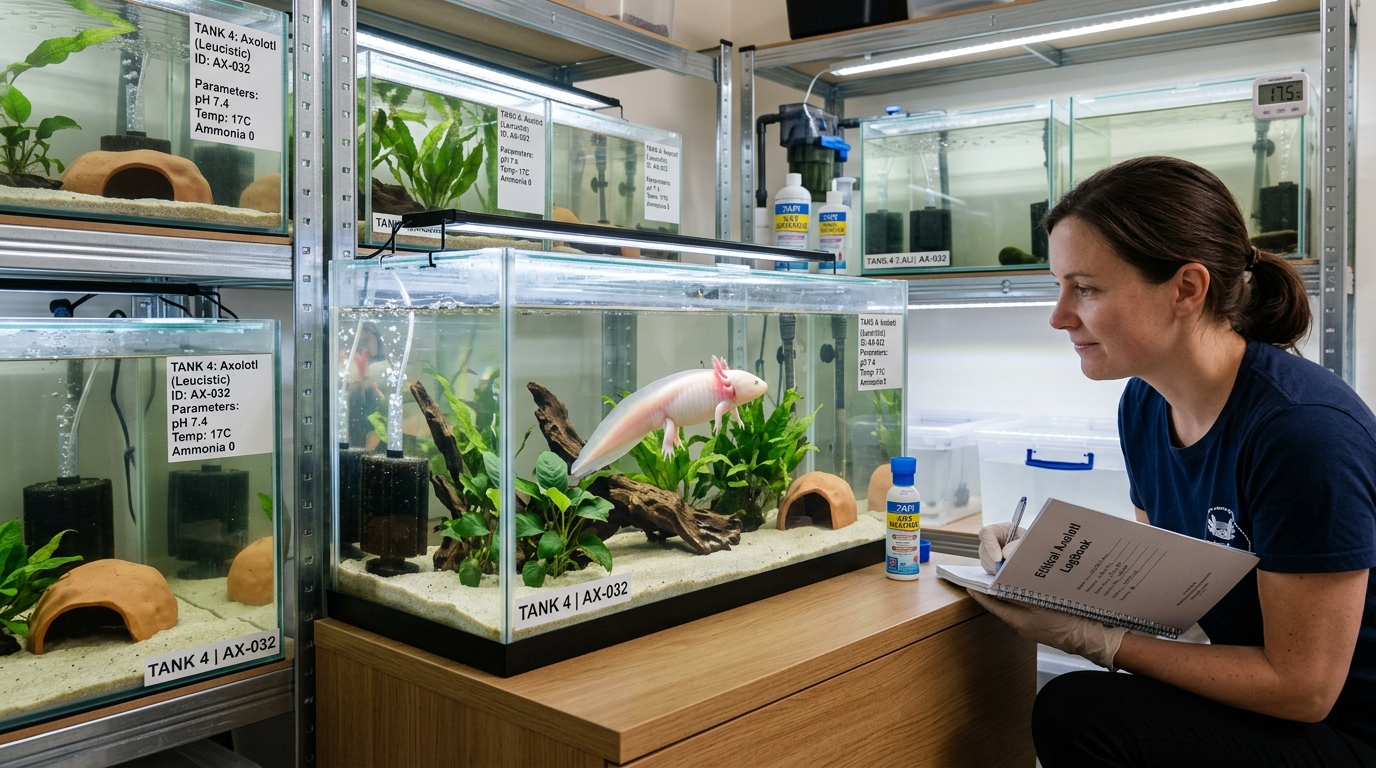
Axolotl Responsible Sourcing: How to Buy From an Ethical Captive-Bred Breeder
Source your axolotl from a captive-bred breeder who keeps lineage records, screens for disease, and answers your questions, never from […]
Source your axolotl from a captive-bred breeder who keeps lineage records, screens for disease, and answers your questions, never from […]

Axolotl color comes from three pigment cell types in the skin: melanophores for black and brown, xanthophores for yellow and […]
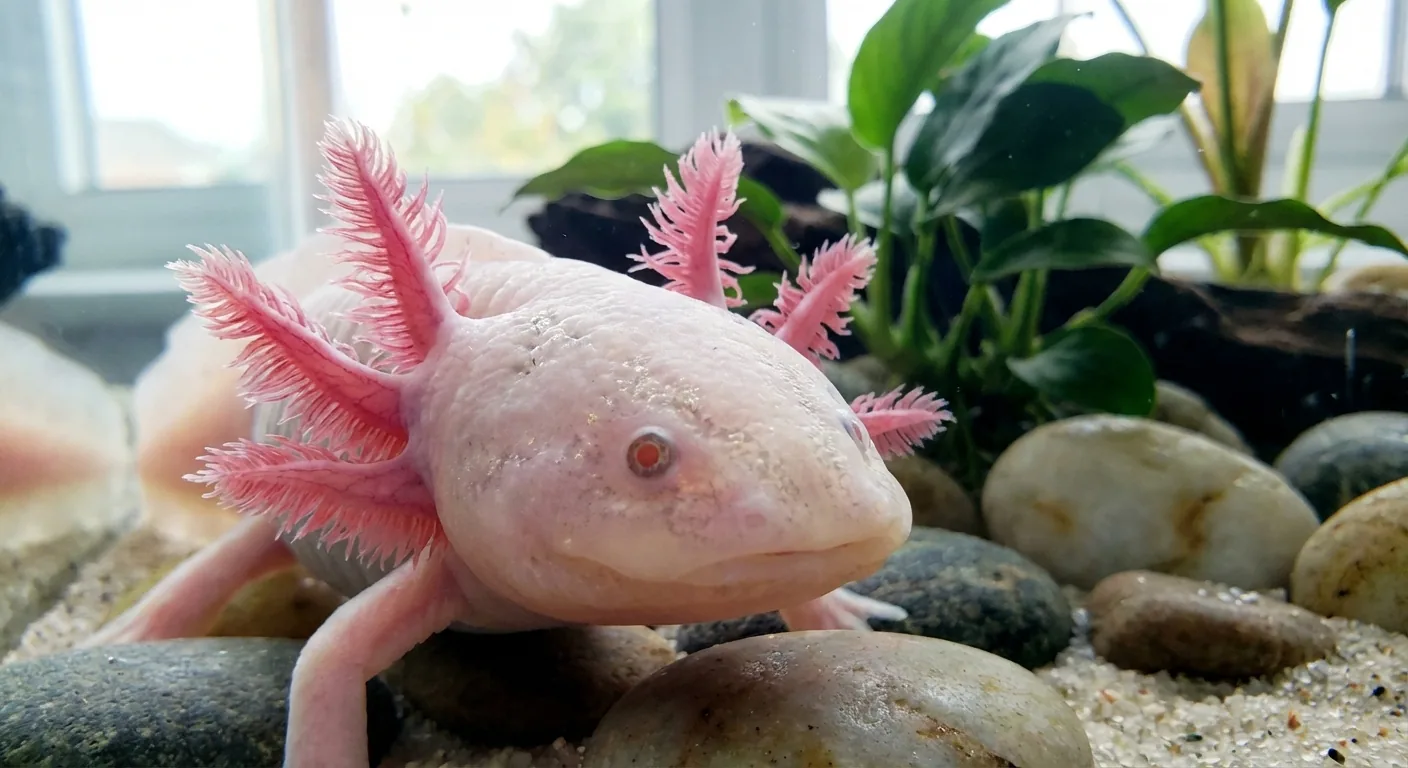
Axolotls are legal to own in most of the United States. A few states restrict or ban them, and federal […]
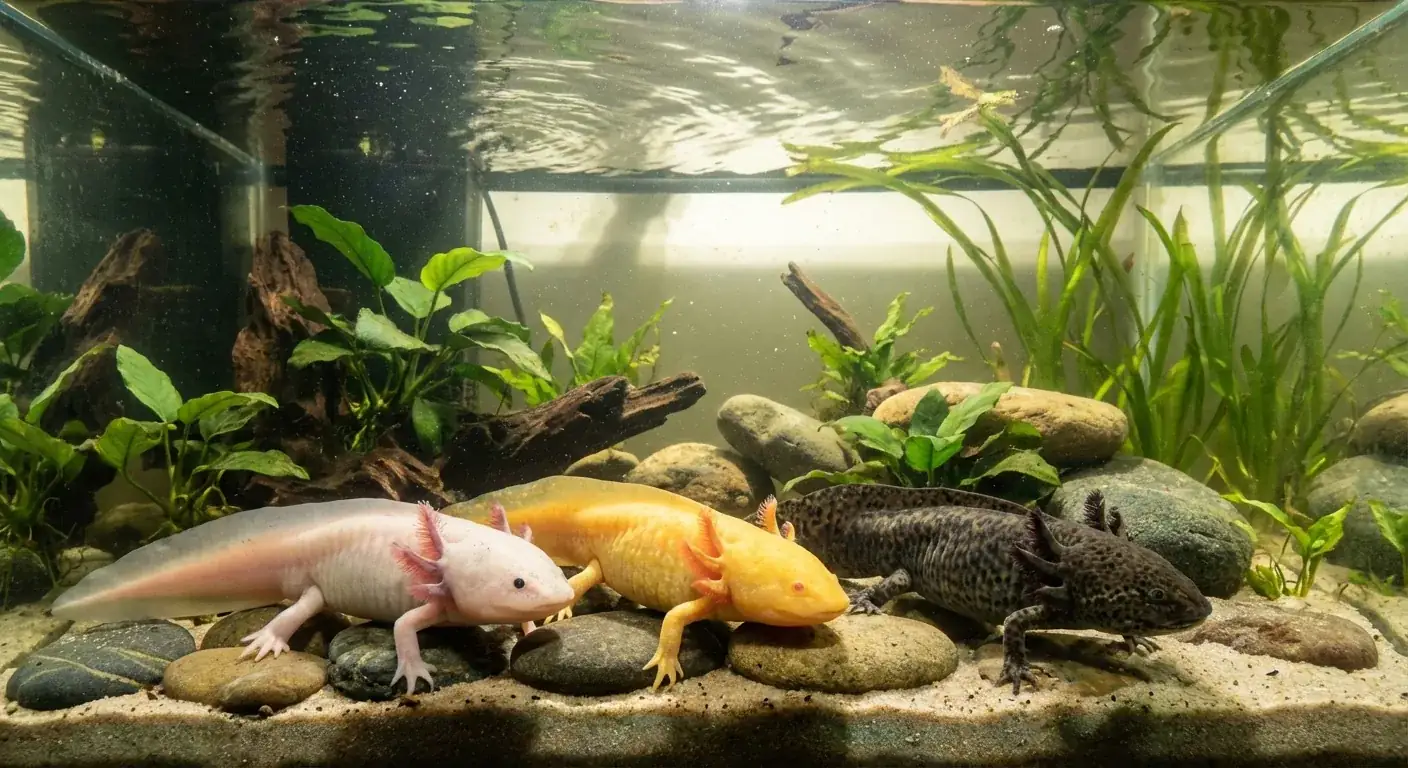
Axolotl color is inherited through ordinary gene rules. Each animal carries two copies of every color gene, one from each […]
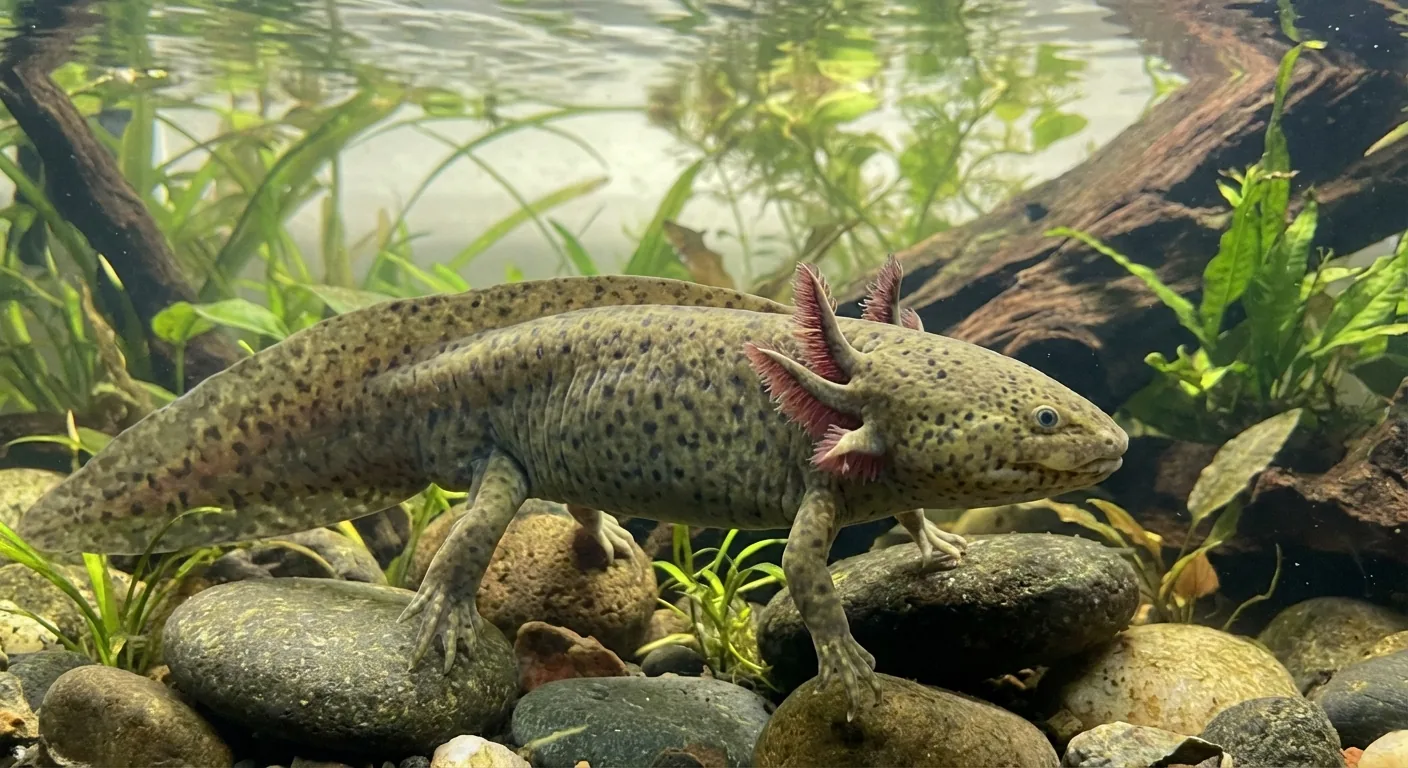
Line breeding means pairing related axolotls on purpose to lock in a color morph or trait. Hobbyists do it because […]

Axolotls are obligate carnivores that eat earthworms, sinking soft pellets, bloodworms, blackworms, brine shrimp, and daphnia. Nightcrawler earthworms are the […]

In the wild, axolotls face introduced fish, water birds, and a few native hunters in their Xochimilco home. The biggest […]

The wild axolotl is critically endangered because its only home, the canals of Xochimilco near Mexico City, has been drained, […]
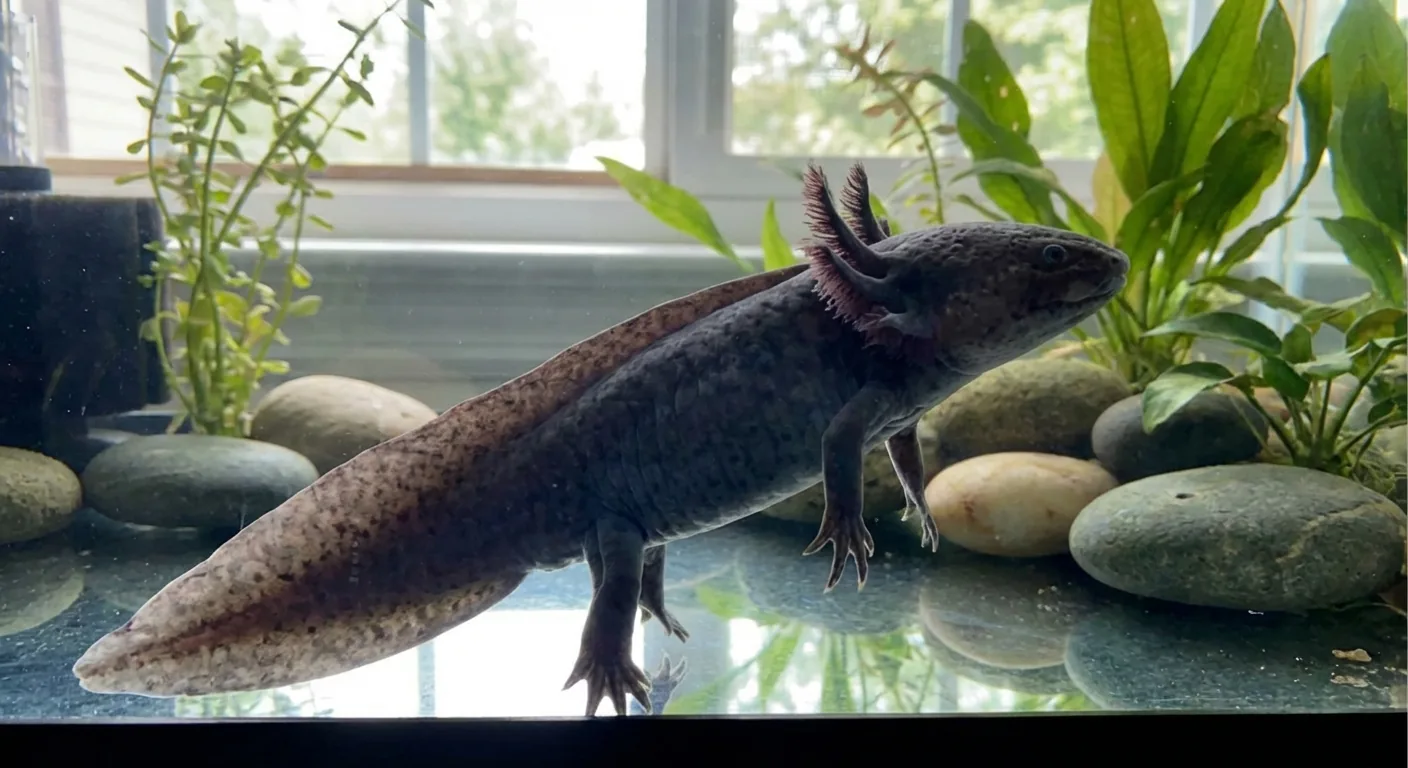
A healthy pet axolotl usually lives 10 to 15 years, and a well-kept animal can reach 20 or more. Wild […]

Axolotls come from one place in the wild: the canals around Xochimilco, near Mexico City. They are salamanders that never […]