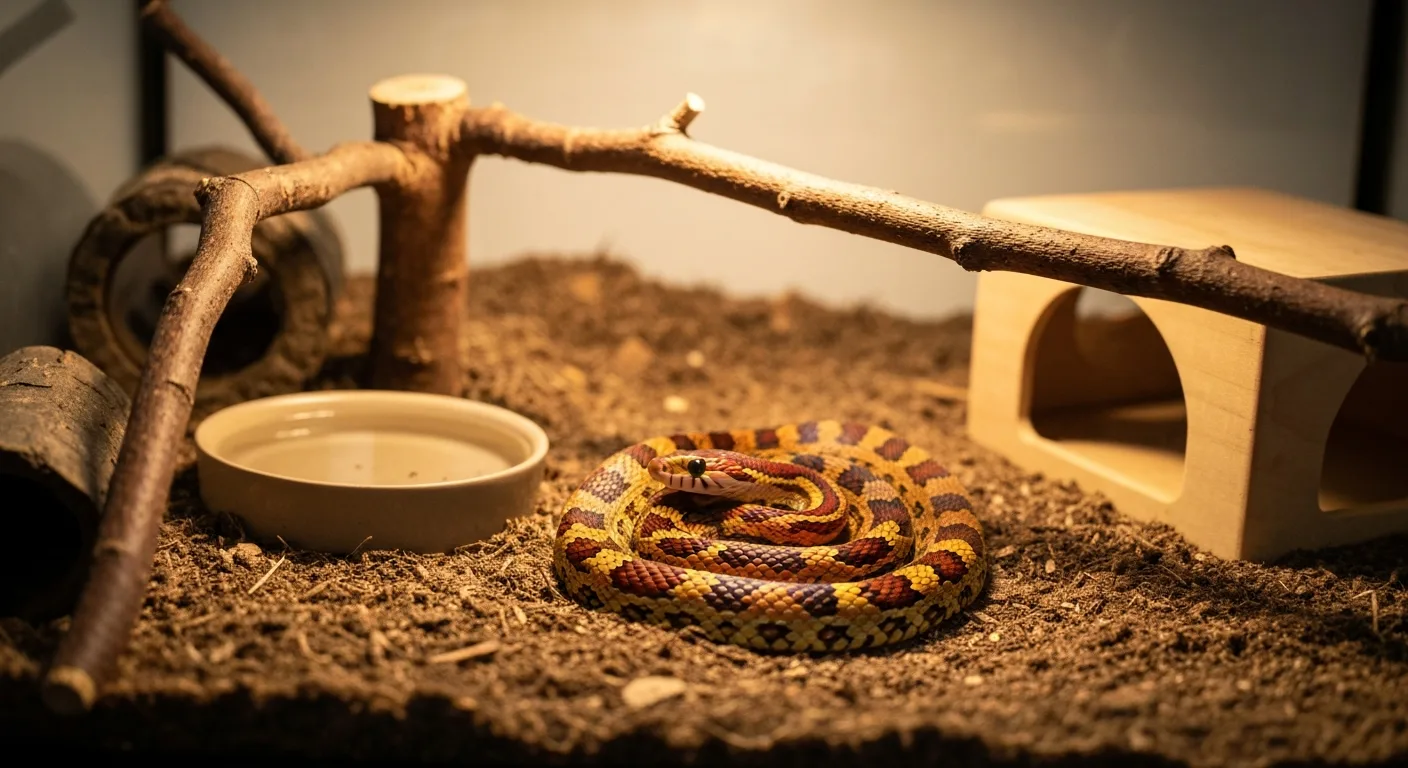
How Much Does a Corn Snake Cost? Full Price Breakdown for New Owners
A corn snake typically costs $20–$60 for a common morph, $60–$200 for uncommon ones, and $200 or more for rare […]
A corn snake typically costs $20–$60 for a common morph, $60–$200 for uncommon ones, and $200 or more for rare […]
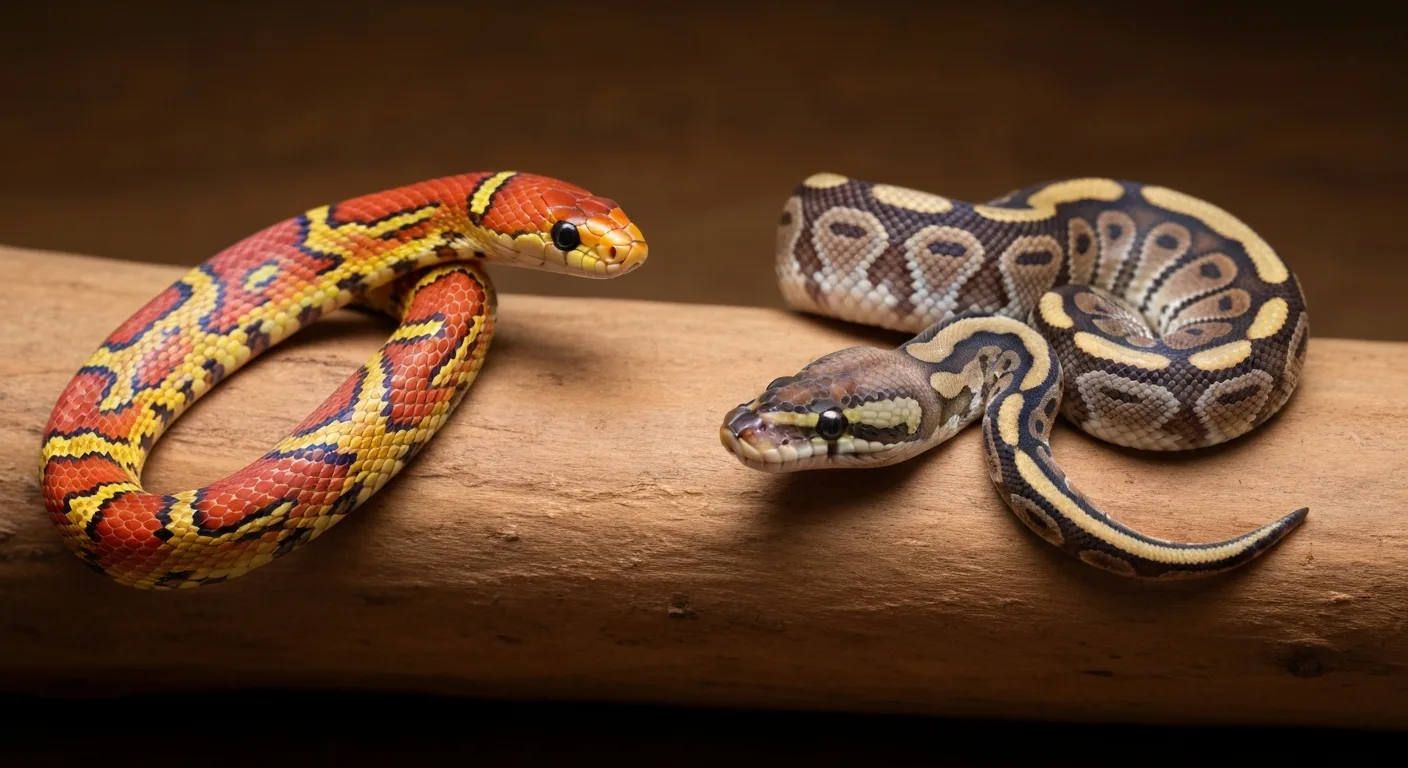
Corn snakes are the more beginner-friendly choice. They accept frozen-thawed food reliably, tolerate humidity as low as 40–60%, and generally […]
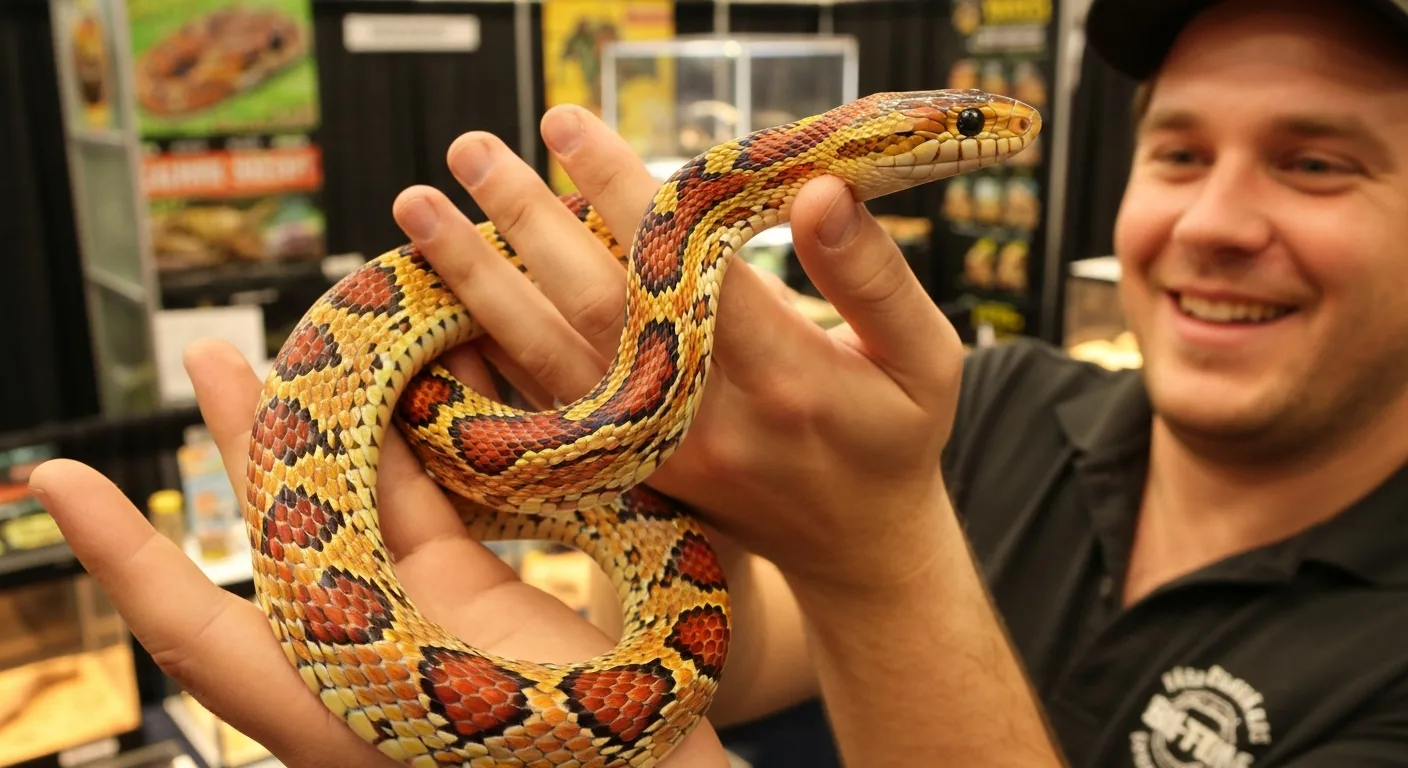
The best places to buy a corn snake are reputable captive breeders, reptile expos, and rescue organizations. Pet stores are […]
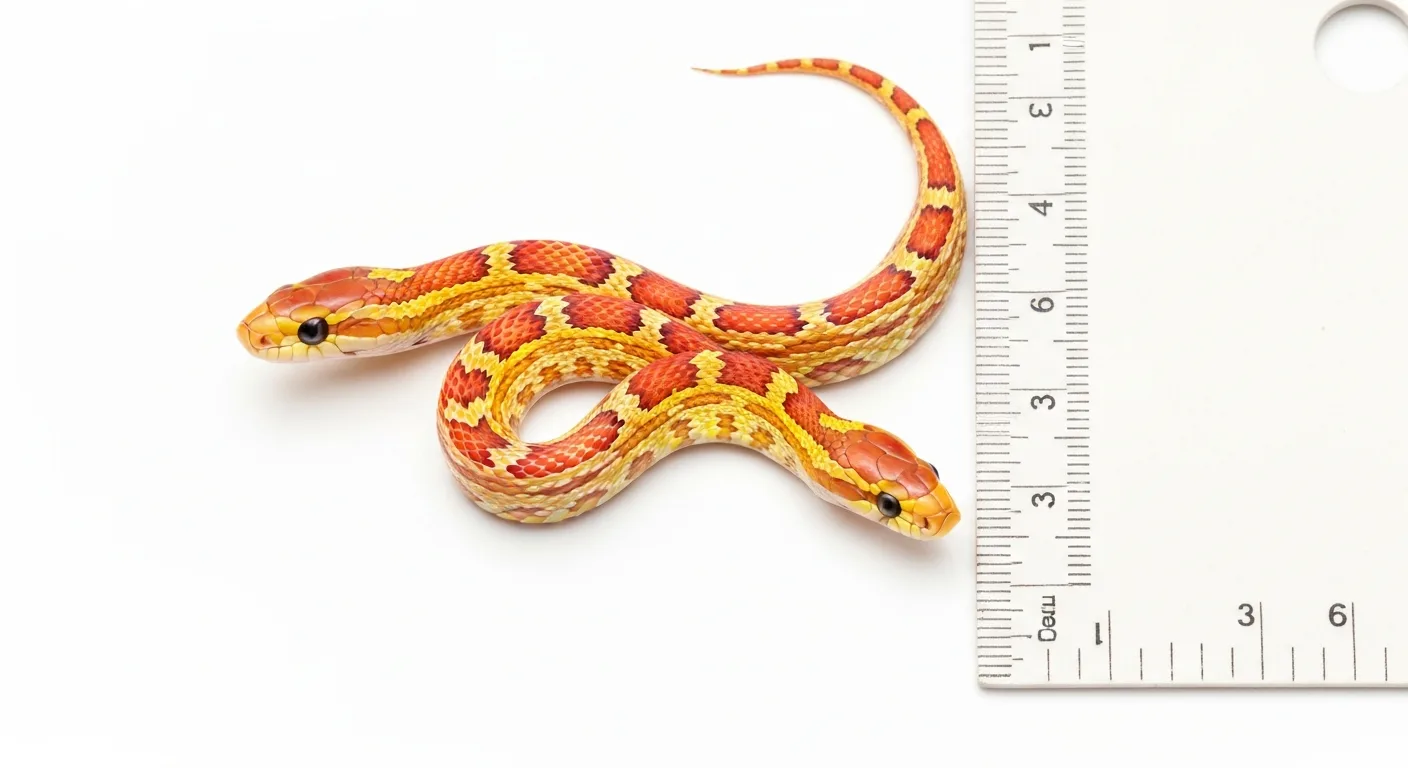
Corn snakes hatch at 10–12 inches (25–30 cm) and around 6–10 grams. By 12 months they typically reach 24–36 inches […]
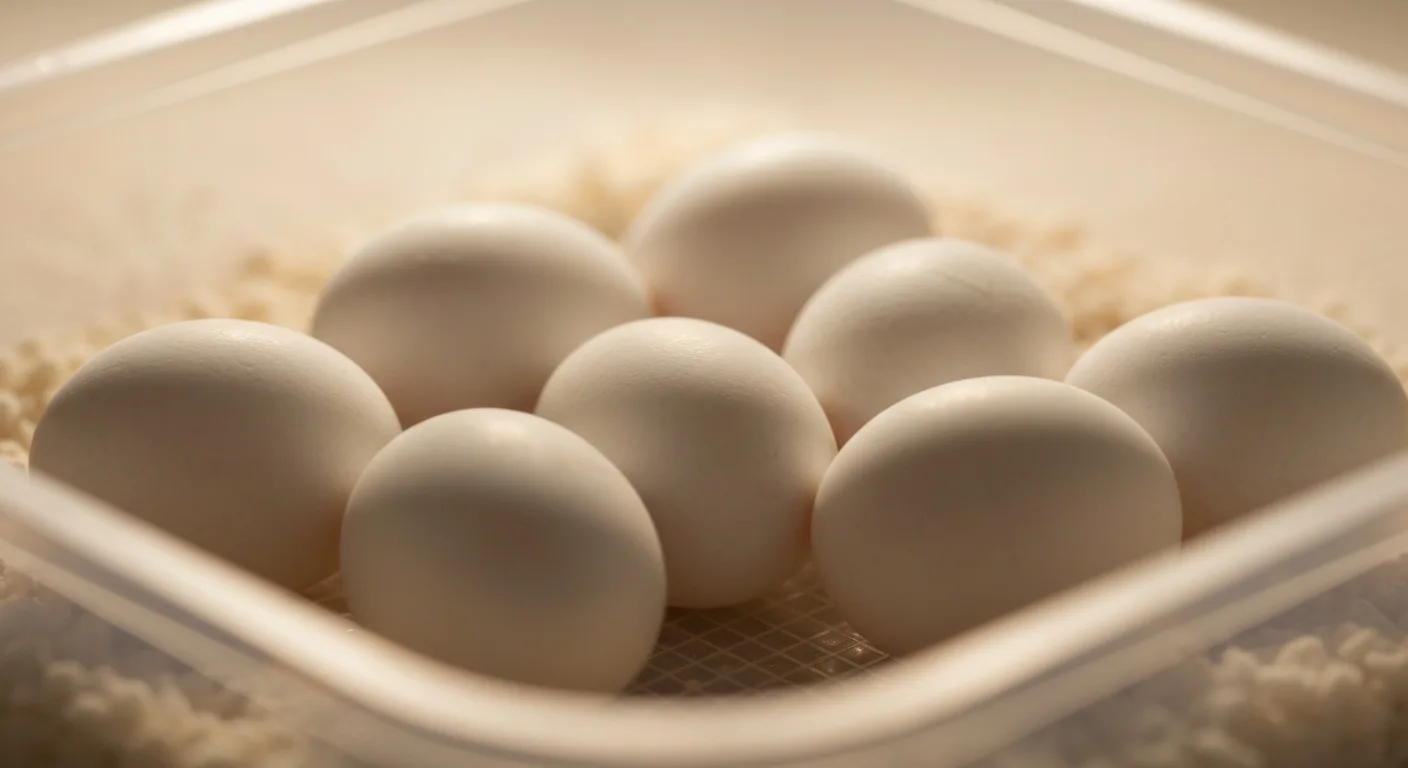
Corn snake eggs incubate at 78–82°F with humidity above 90% inside a sealed container. Use perlite or vermiculite mixed at […]
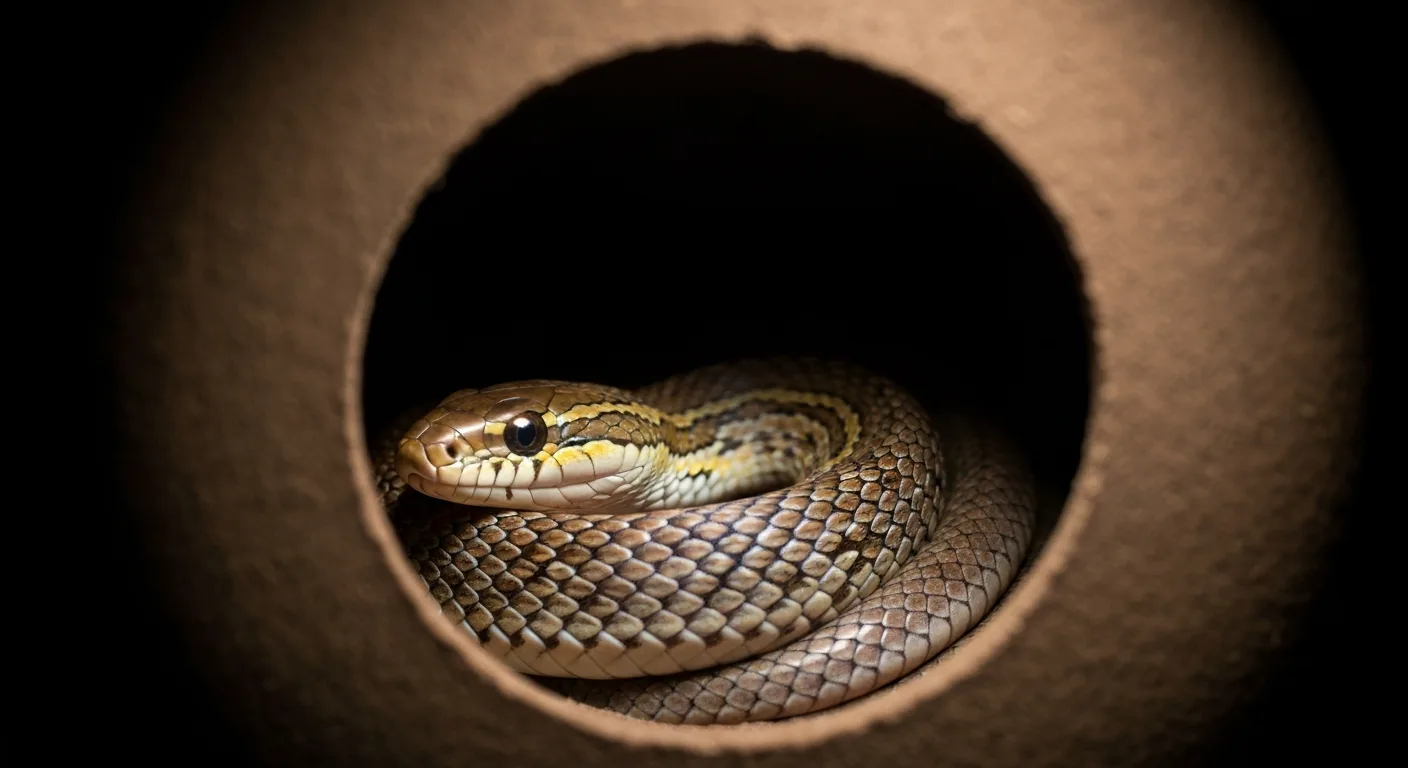
Corn snake brumation is a controlled cool-down period (60–65°F for 60–90 days) used to condition snakes for breeding. Fast the […]
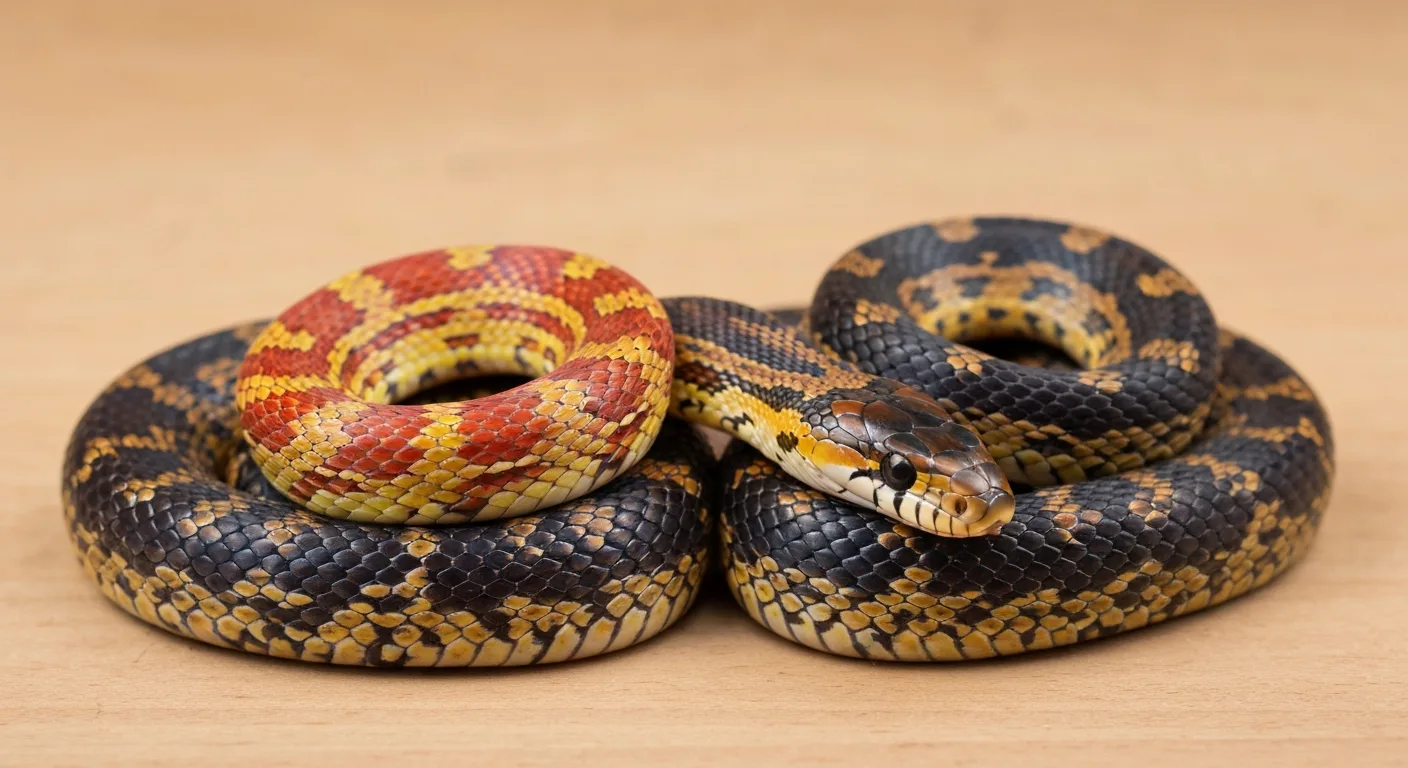
Breeding corn snakes requires two correctly sexed adults (2+ years old), optional brumation conditioning (60–65°F for 60–90 days), and spring […]
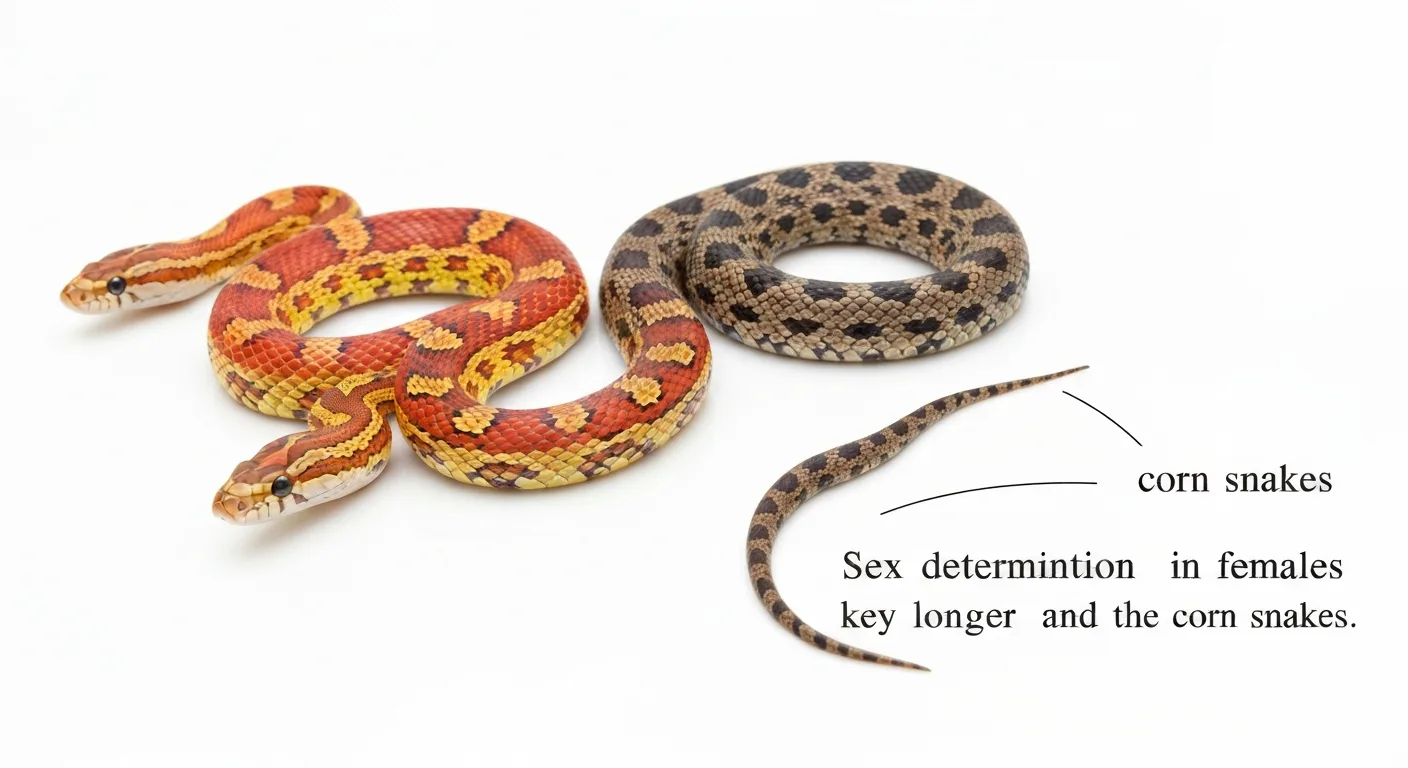
Corn snakes are sexed by three methods: visual tail inspection (males have a broader, longer post-cloacal tail), pop-sexing (hatchlings only […]
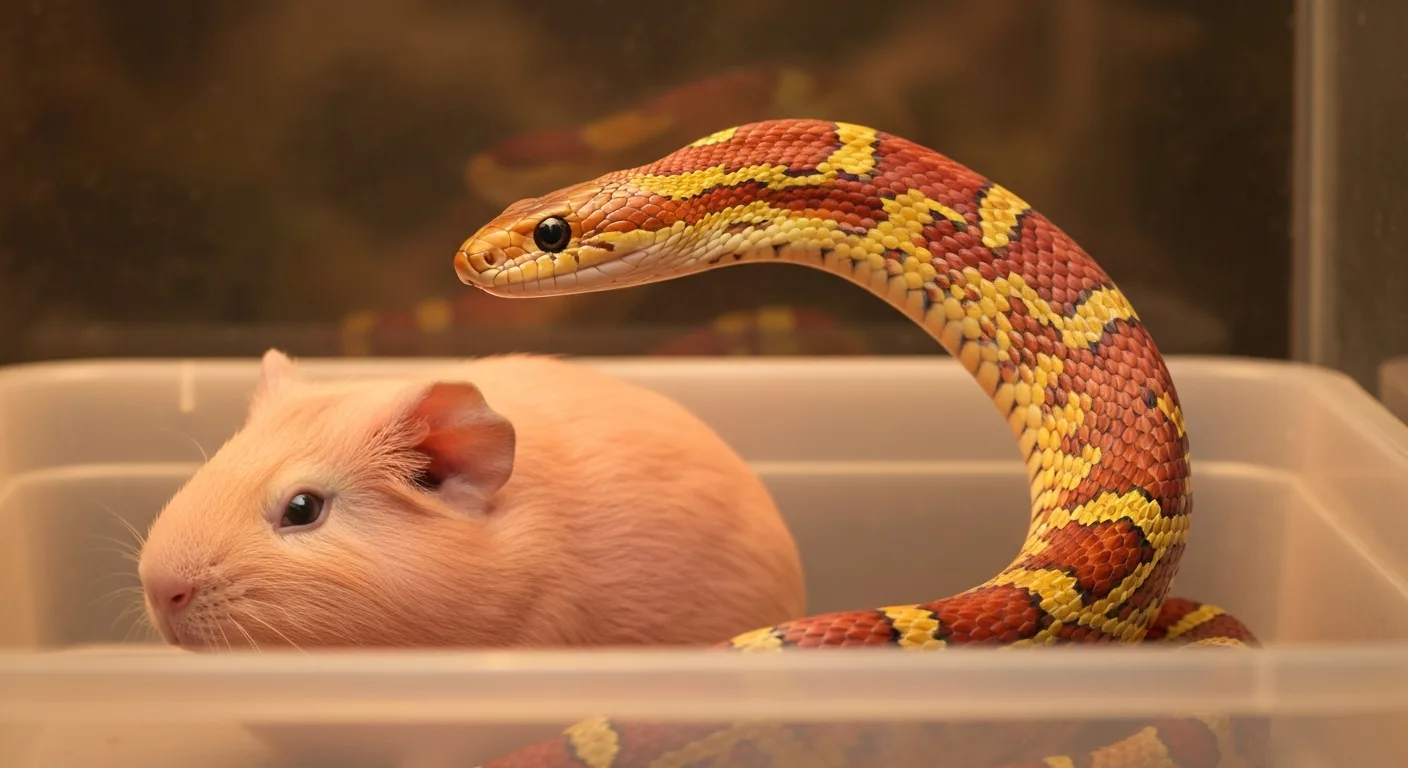
Corn snakes commonly stop eating due to incorrect temperatures, the pre-shed phase, or stress from a new environment — and […]
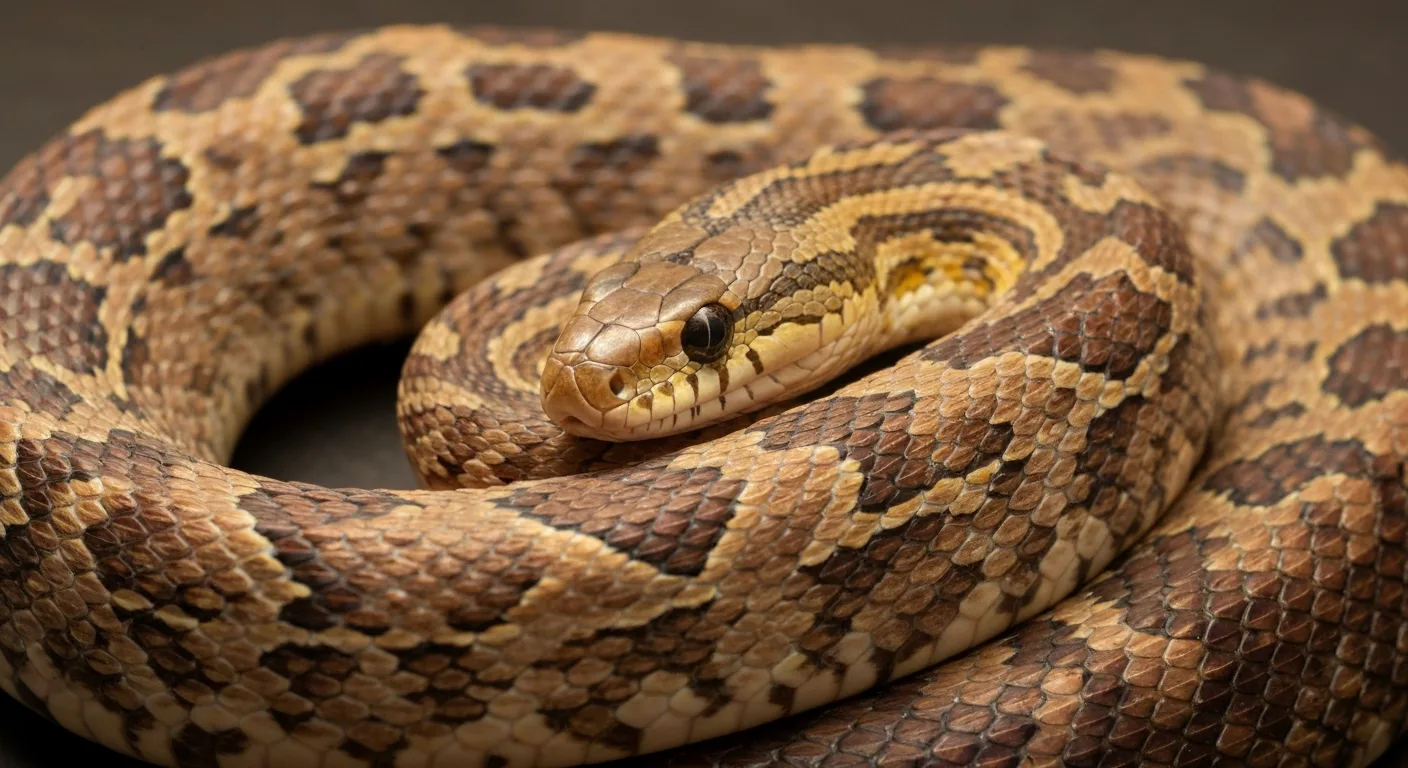
Stuck shed (dysecdysis) is caused by insufficient humidity, mite damage, or dehydration. Soak the snake in lukewarm water (85–90°F) for […]