

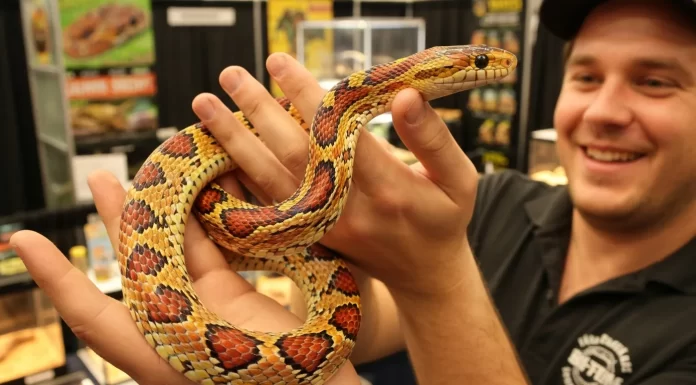
The best places to buy a corn snake are reputable captive breeders, reptile expos, and rescue organizations. Pet stores are a third option but...
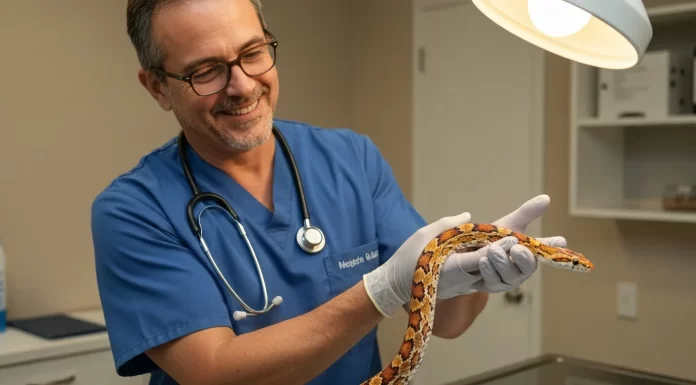
Common corn snake health problems include respiratory infection, scale rot, mites, and mouth rot. Most develop from husbandry failures — wrong temperature, wet substrate,...
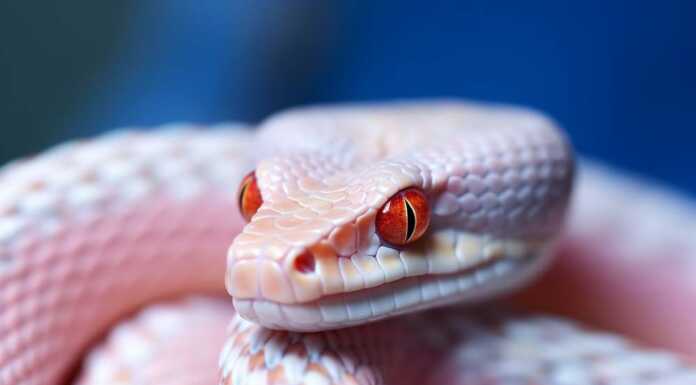
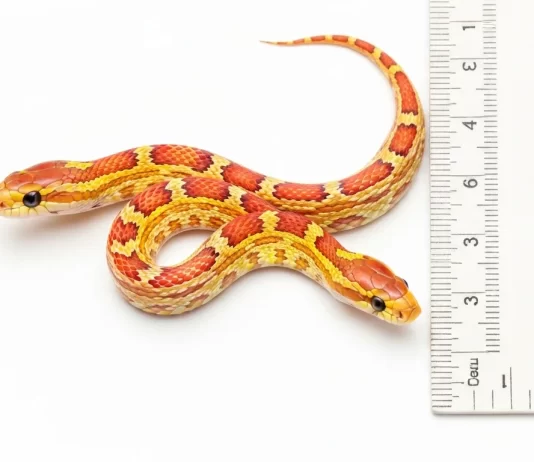
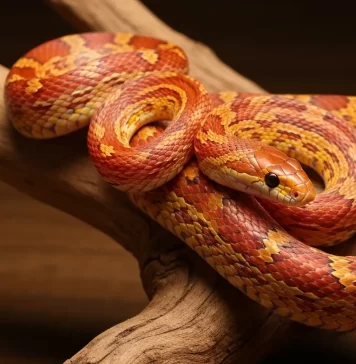
If you've spent any time around corn snakes, you'll know the albino is one of those morphs that stops people mid-step. The vivid orange-red...
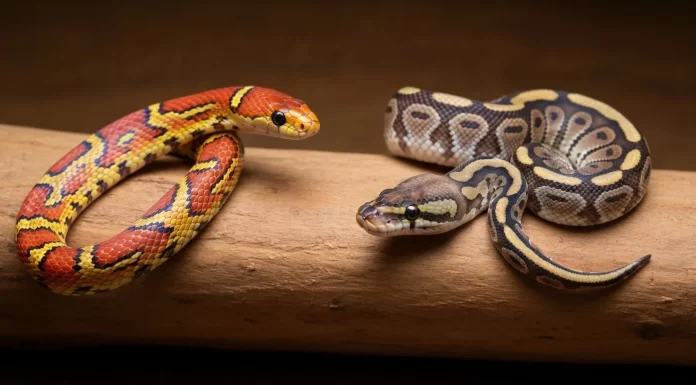
Corn snakes are the more beginner-friendly choice. They accept frozen-thawed food reliably, tolerate humidity as low as 40–60%, and generally handle without fuss from...
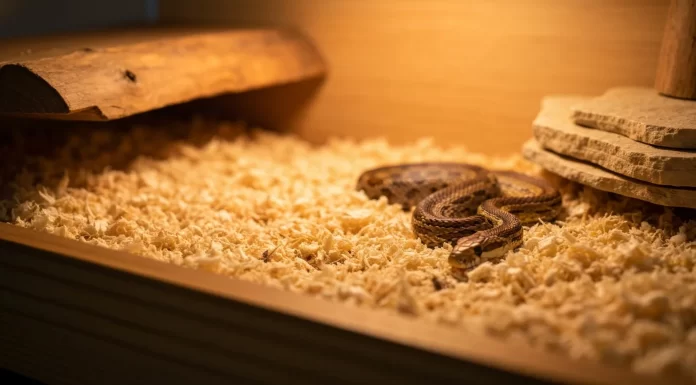
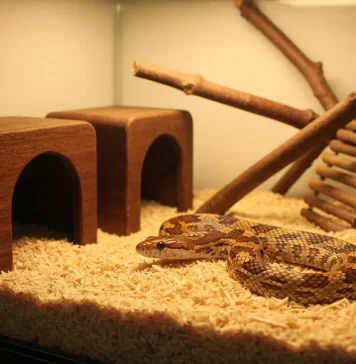
The best substrates for corn snakes are aspen shavings, coconut fiber, cypress mulch, and paper-based bedding. All allow burrowing and are easy to clean....
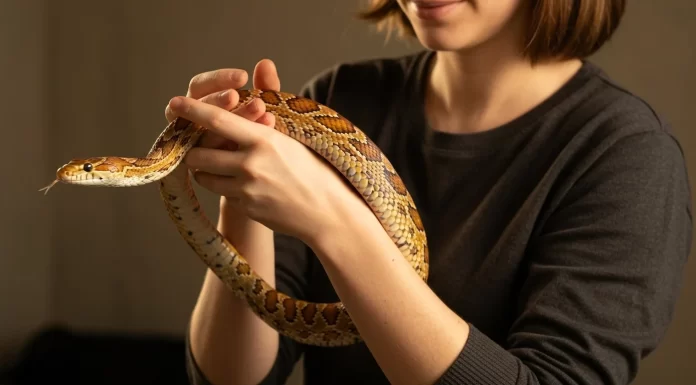
Corn snakes are docile and handle well once acclimated. Wait 2 weeks and at least 2 confirmed meals before starting sessions. Handle 2–3 times...
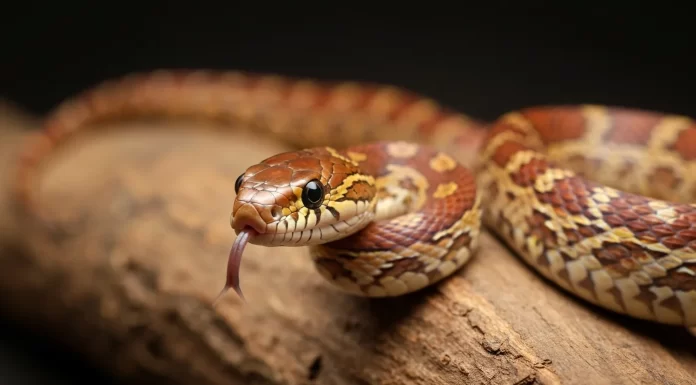
Corn snakes communicate through body language you can learn to read. Tongue flicking is normal information-gathering. Burrowing and exploration are healthy behaviors. Stress signals...
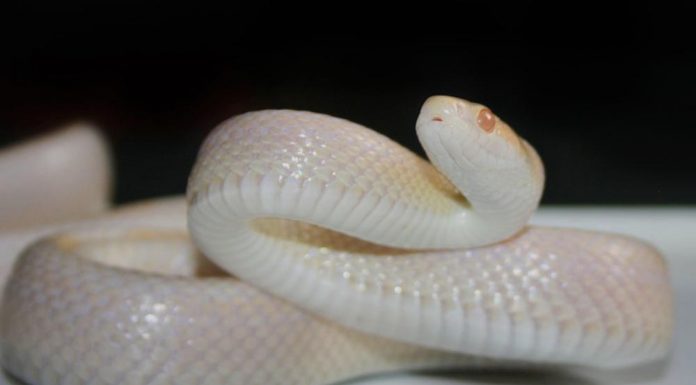
Corn snakes belong to the Colubrid family, a large group of related nonvenomous snakes, many of which are popular pets. Corn snakes are calm...
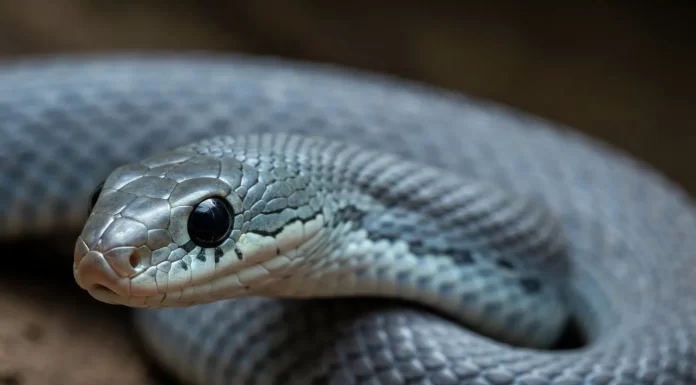
Corn snakes shed every 4–6 weeks as juveniles and every 6–8 weeks as adults. Pre-shed signs include cloudy eyes and dull color. Maintain 60–70%...
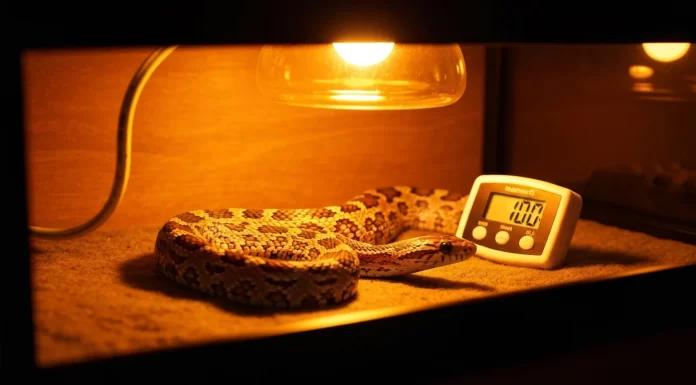
Temperature is the most important environmental variable in a corn snake enclosure, and the one that causes the most problems when it’s wrong. Too...