

Corn snakes need a 40-gallon breeder enclosure (minimum), a thermal gradient of 85–88°F on the warm side and 72–78°F on the cool side, and...
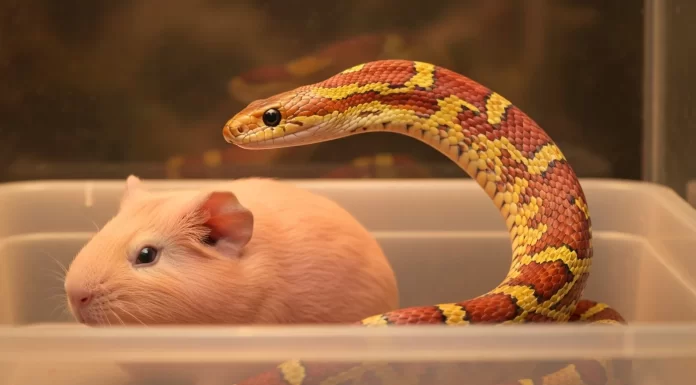
Corn snakes commonly stop eating due to incorrect temperatures, the pre-shed phase, or stress from a new environment — and short fasts are often...
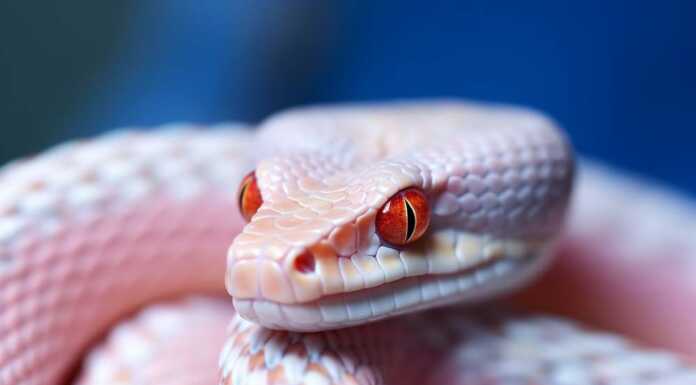
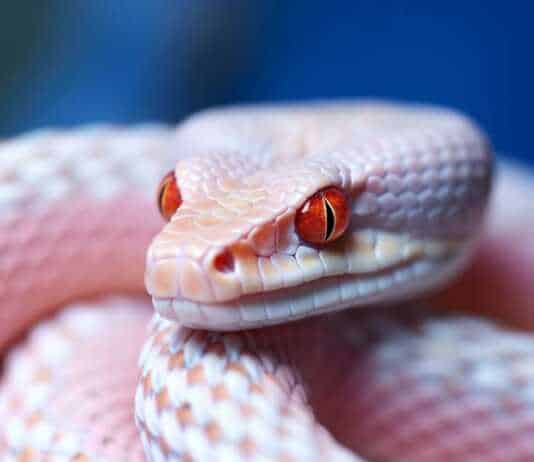
If you've spent any time around corn snakes, you'll know the albino is one of those morphs that stops people mid-step. The vivid orange-red...
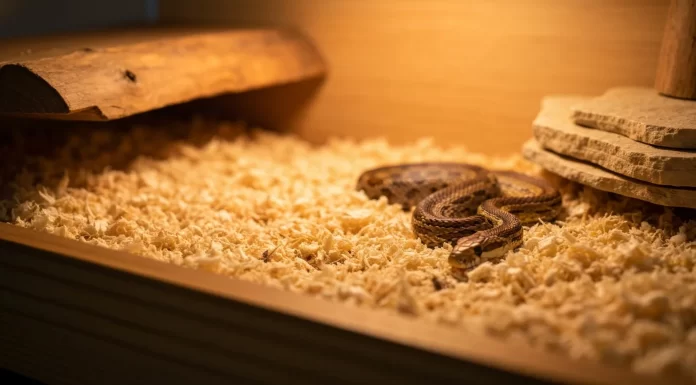
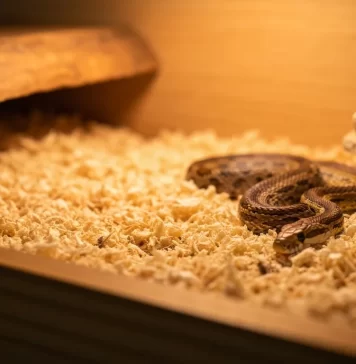
The best substrates for corn snakes are aspen shavings, coconut fiber, cypress mulch, and paper-based bedding. All allow burrowing and are easy to clean....
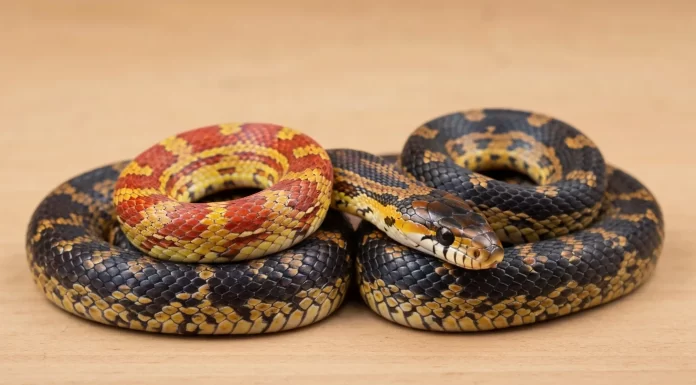
Breeding corn snakes requires two correctly sexed adults (2+ years old), optional brumation conditioning (60–65°F for 60–90 days), and spring pairing introductions. Mating typically...
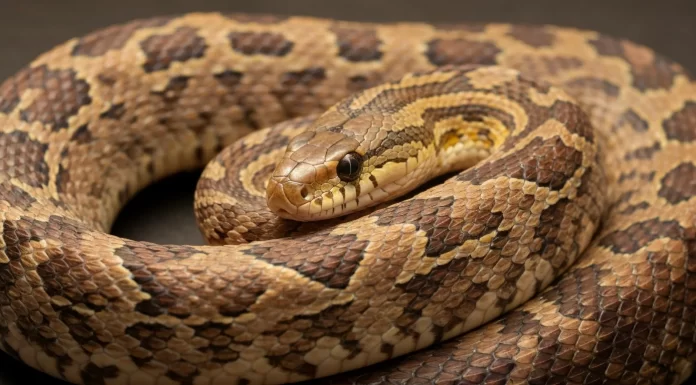
Stuck shed (dysecdysis) is caused by insufficient humidity, mite damage, or dehydration. Soak the snake in lukewarm water (85–90°F) for 20–30 minutes, then gently...
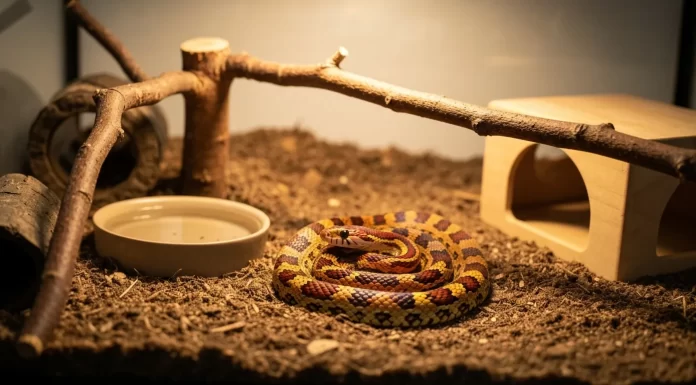
A corn snake typically costs $20–$60 for a common morph, $60–$200 for uncommon ones, and $200 or more for rare designer morphs. First-year setup...
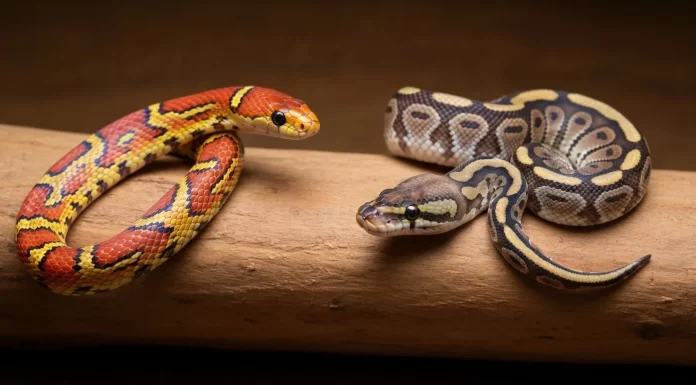
Corn snakes are the more beginner-friendly choice. They accept frozen-thawed food reliably, tolerate humidity as low as 40–60%, and generally handle without fuss from...
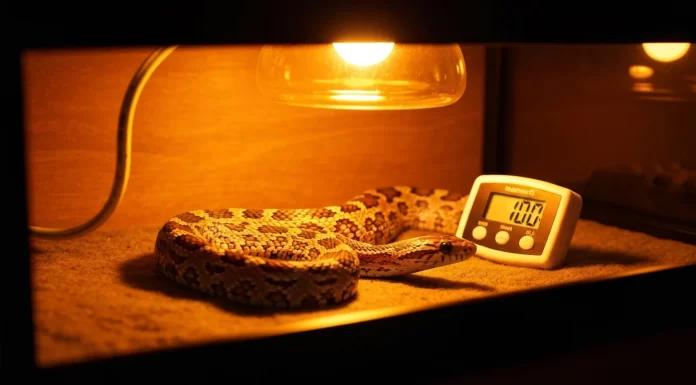
Temperature is the most important environmental variable in a corn snake enclosure, and the one that causes the most problems when it’s wrong. Too...
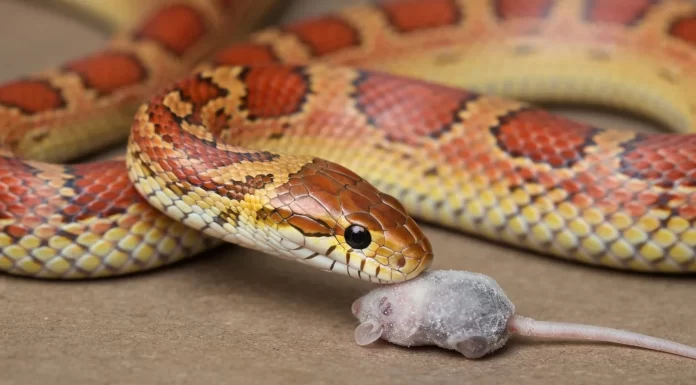
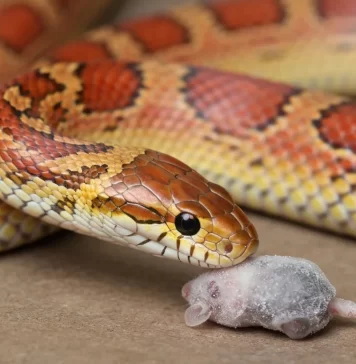
Corn snakes eat frozen-thawed mice sized no wider than their midbody girth. Hatchlings and juveniles eat every 5–7 days; adults eat every 14–21 days....