

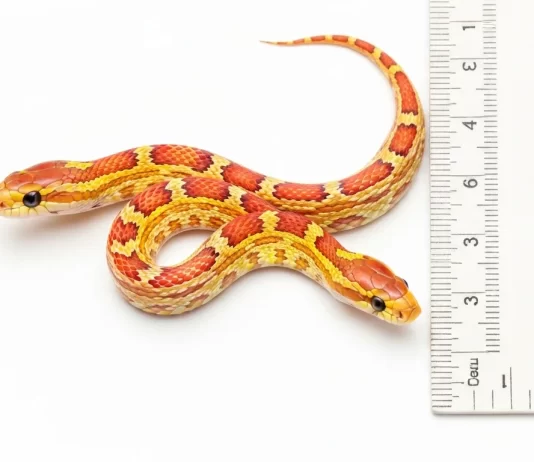
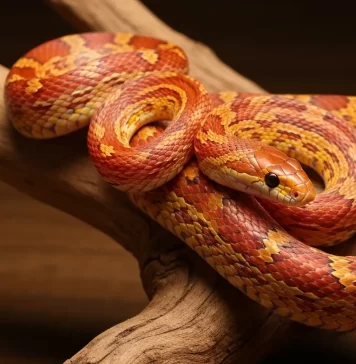
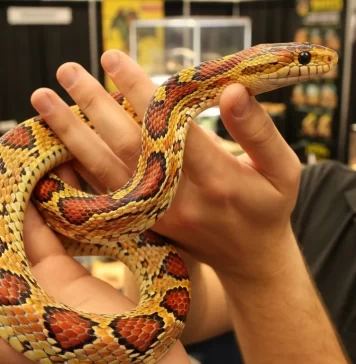
Whether you're new to snake ownership or a seasoned pro, corn snakes are a fabulous pet. Easy to care for and relatively small, corn...
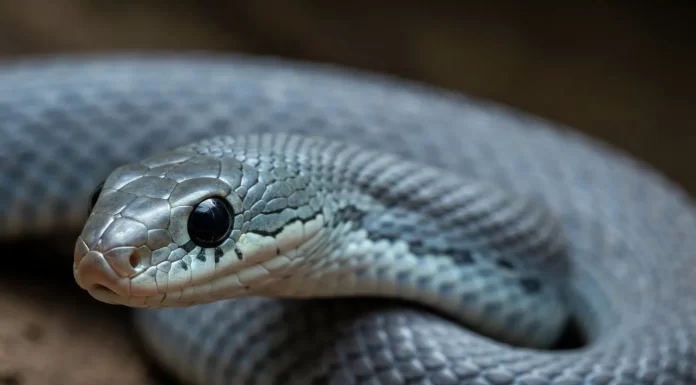
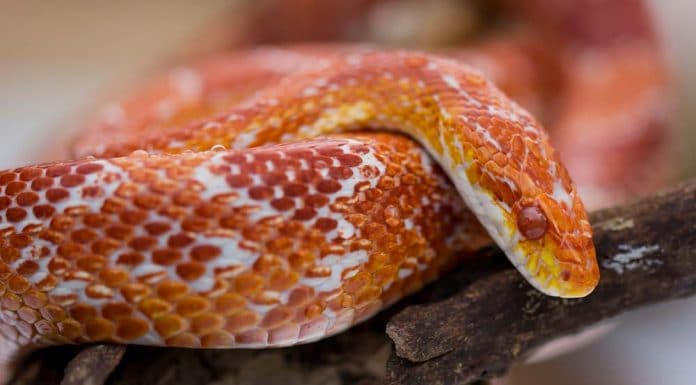
Corn snakes shed every 4–6 weeks as juveniles and every 6–8 weeks as adults. Pre-shed signs include cloudy eyes and dull color. Maintain 60–70%...
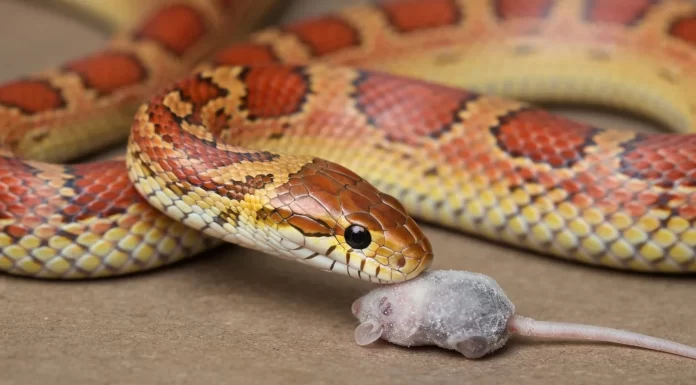
Corn snakes eat frozen-thawed mice sized no wider than their midbody girth. Hatchlings and juveniles eat every 5–7 days; adults eat every 14–21 days....
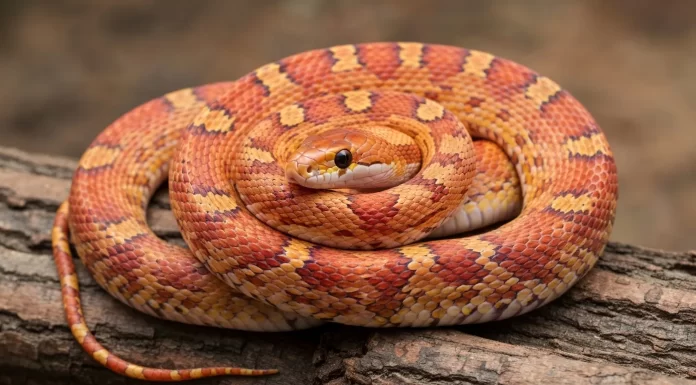
Corn snakes live 15–20 years in captivity with proper care — significantly longer than their 6–8 year wild lifespan. They reach adult size (4–5...
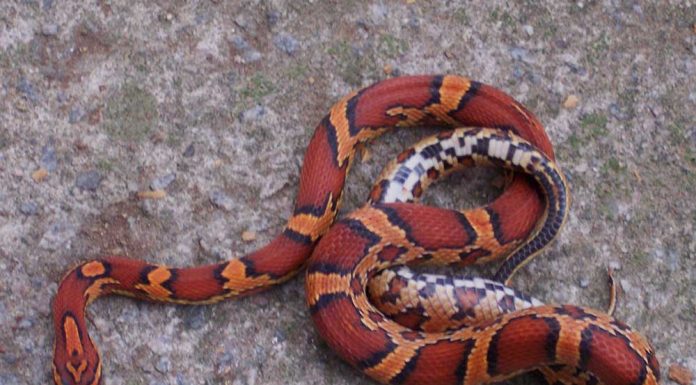
With their eye-catching patterns and friendly natures, corn snakes make attractive pets and enjoy widespread popularity. A type of North American rat snake, the...

Corn snakes belong to the vast Colubridae family, a group of non-venomous constrictors, most of which are native to North America. Along with a...
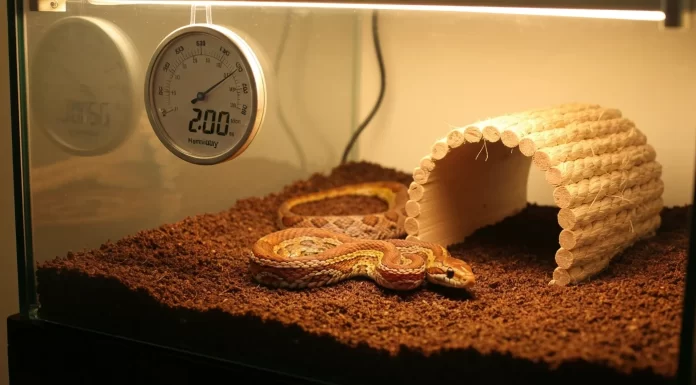
Corn snakes need 40–60% humidity at all times. During a shed cycle, raise it to 60–70% to support clean skin removal. Measure with a...
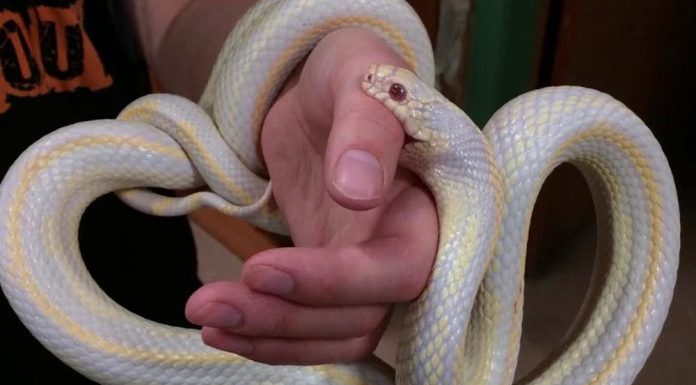
As a corn snake owner, it
is not uncommon to be bitten by your pet. However, corn snake bites are neither
poisonous nor painful.
How Bad...
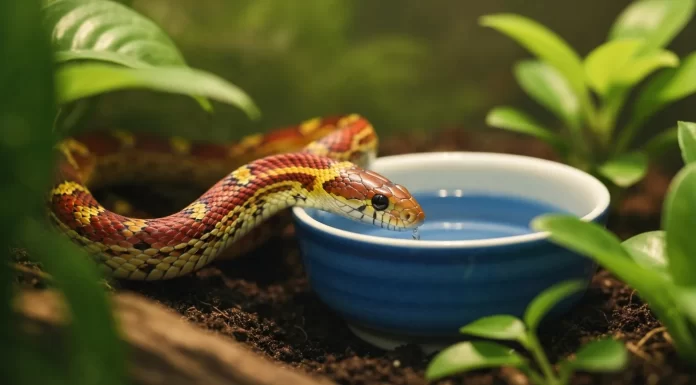
Corn snakes need a water bowl large enough to fully submerge in — placed on the cool side of the enclosure. Change the water...
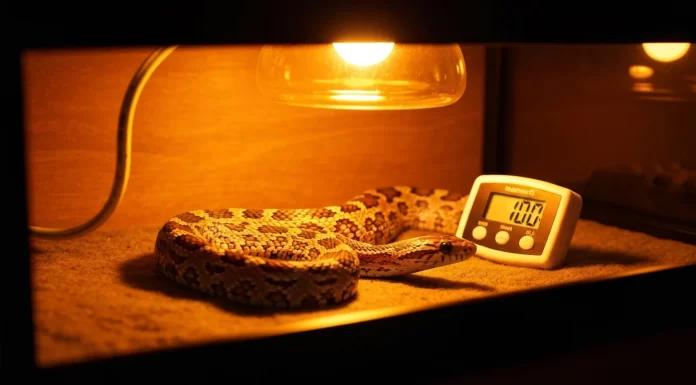
Temperature is the most important environmental variable in a corn snake enclosure, and the one that causes the most problems when it’s wrong. Too...