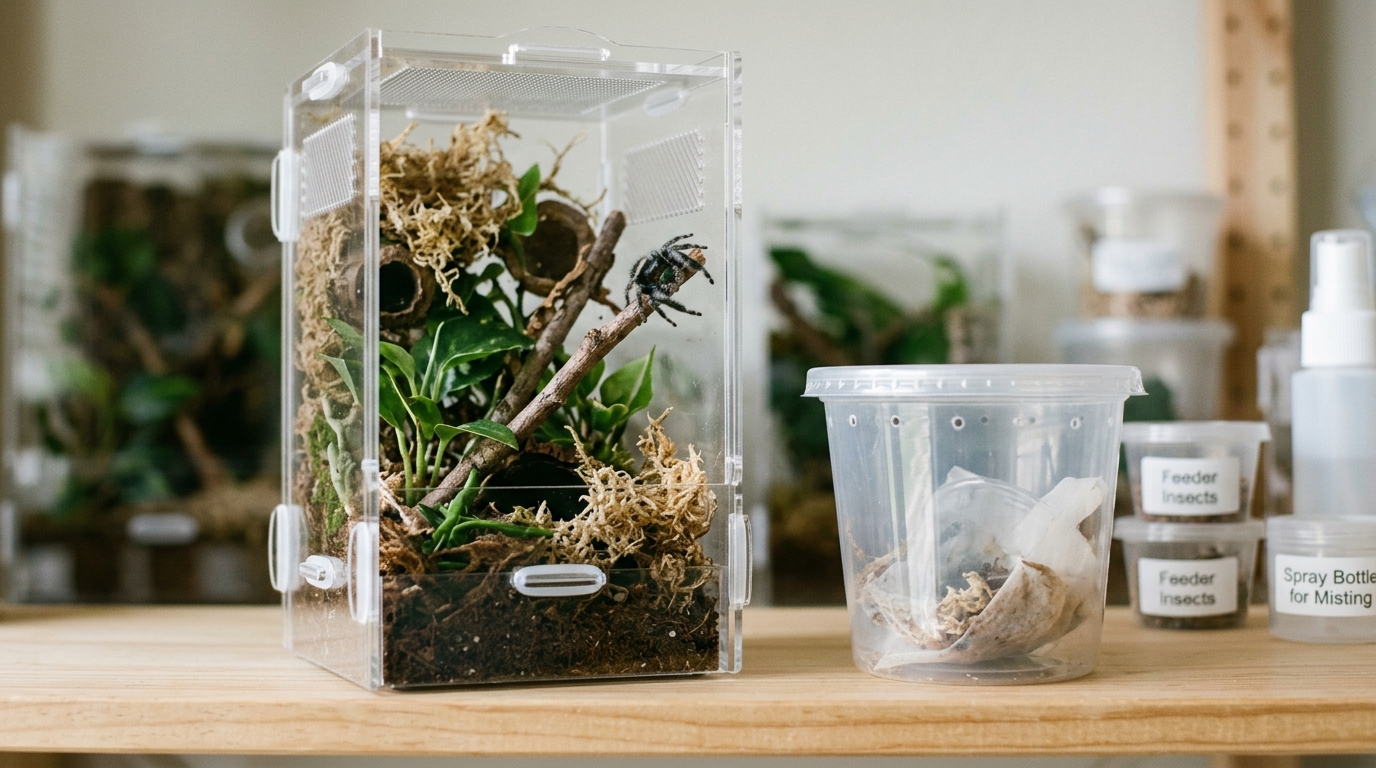
Where to Buy a Jumping Spider: Breeders, Pet Stores, and Online
The US jumping spider market has expanded sharply since 2020, with dedicated breeder marketplaces such as MorphMarket regularly hosting 600 […]
The US jumping spider market has expanded sharply since 2020, with dedicated breeder marketplaces such as MorphMarket regularly hosting 600 […]
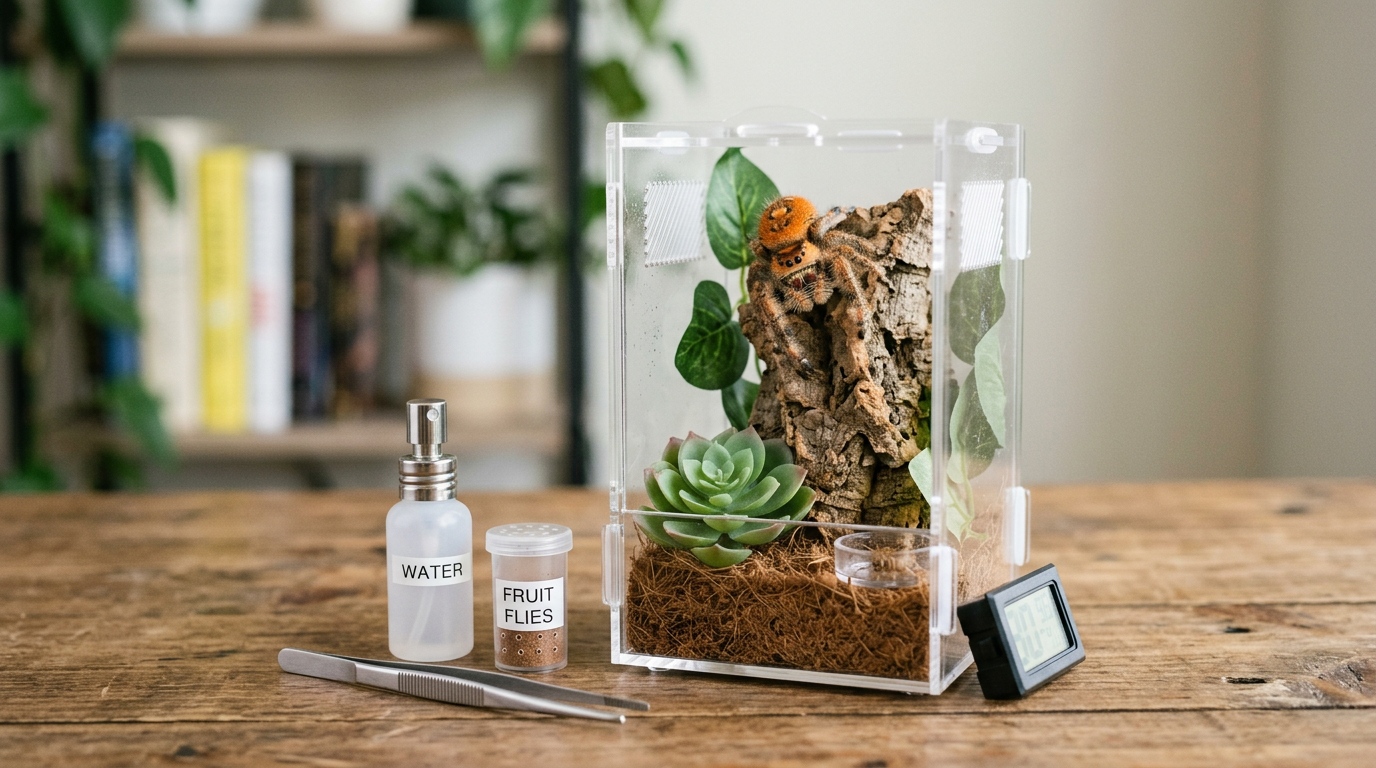
A jumping spider is one of the most affordable exotic pets you can own, but the spider’s sticker price is […]

Catching a wild jumping spider for a pet is legal in most US locations, ecologically defensible for common species like […]
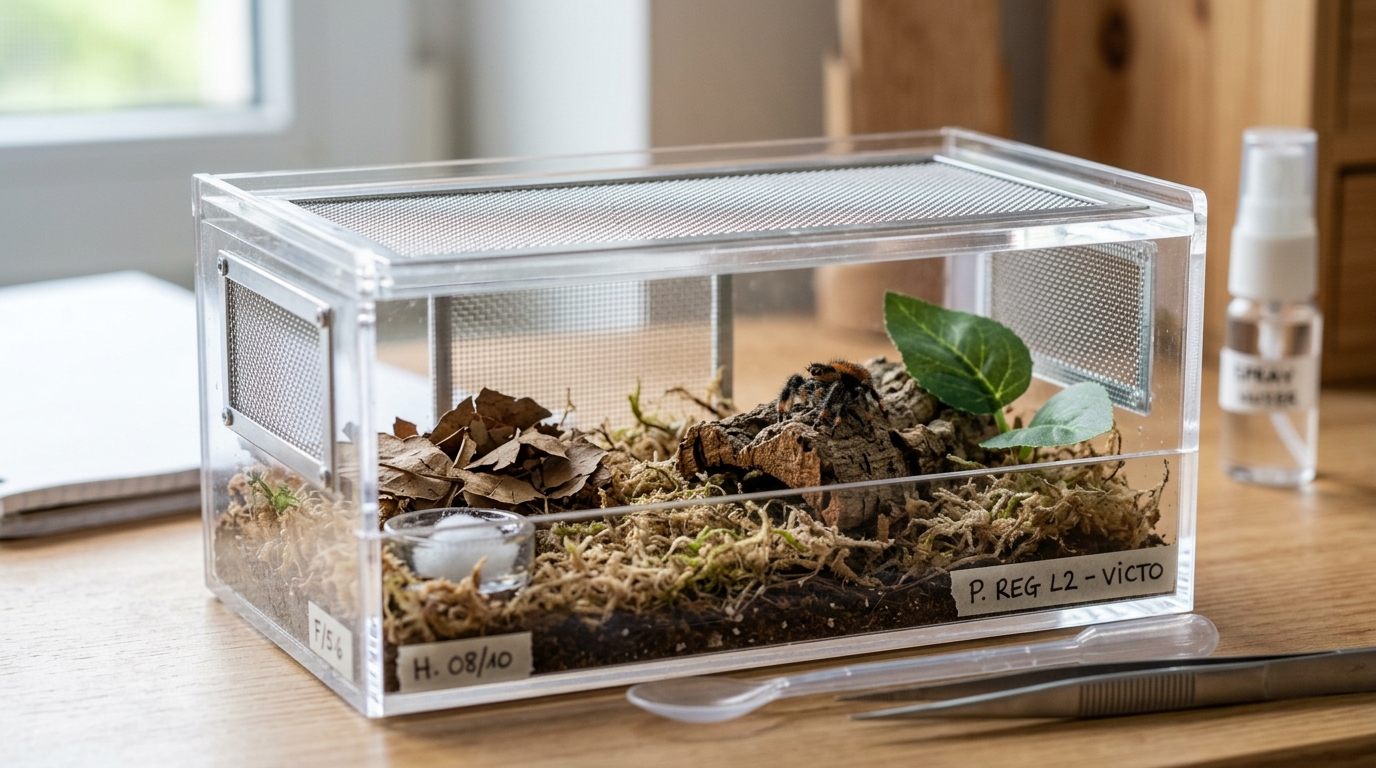
Raising jumping spider spiderlings from an egg sac is one of the most rewarding projects in the hobby and one […]
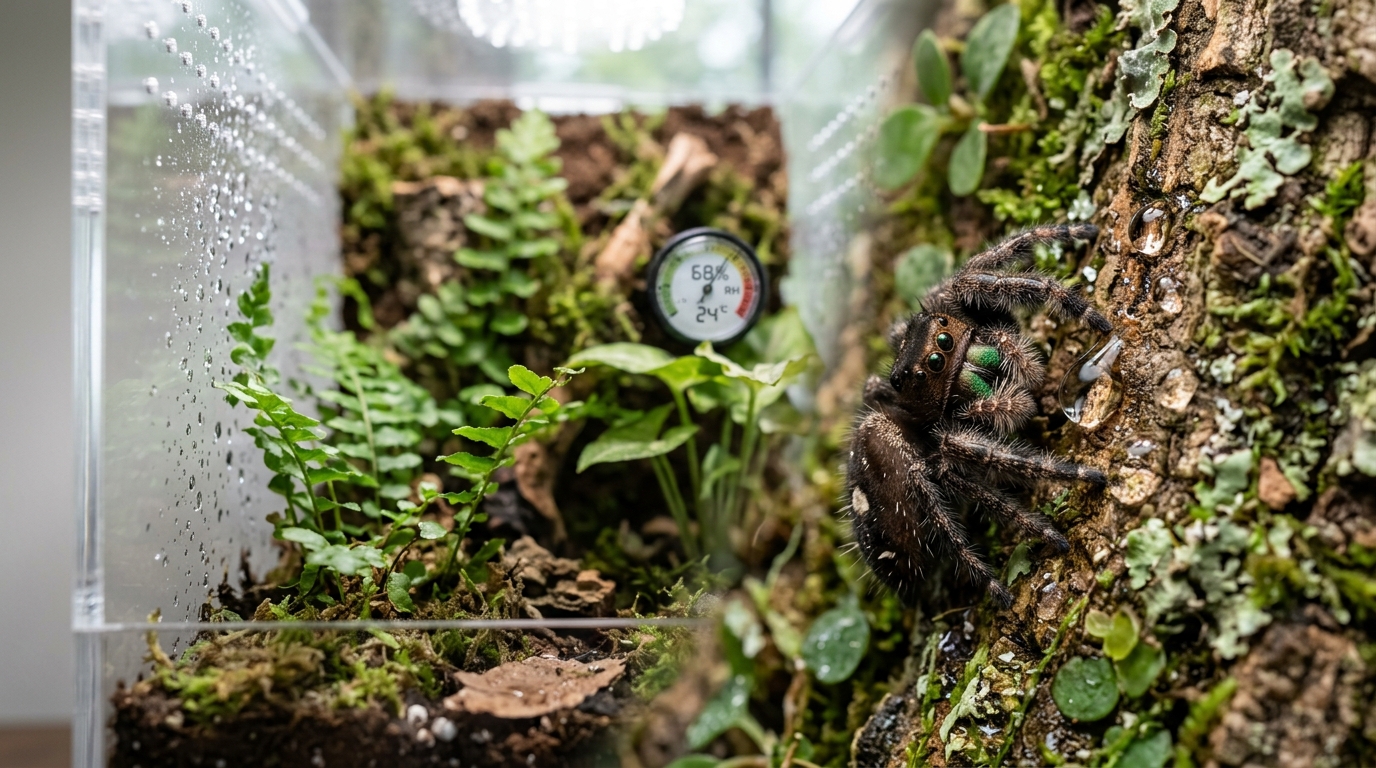
Hydration is the husbandry parameter that quietly kills more captive jumping spiders than any other, including in collections kept by […]
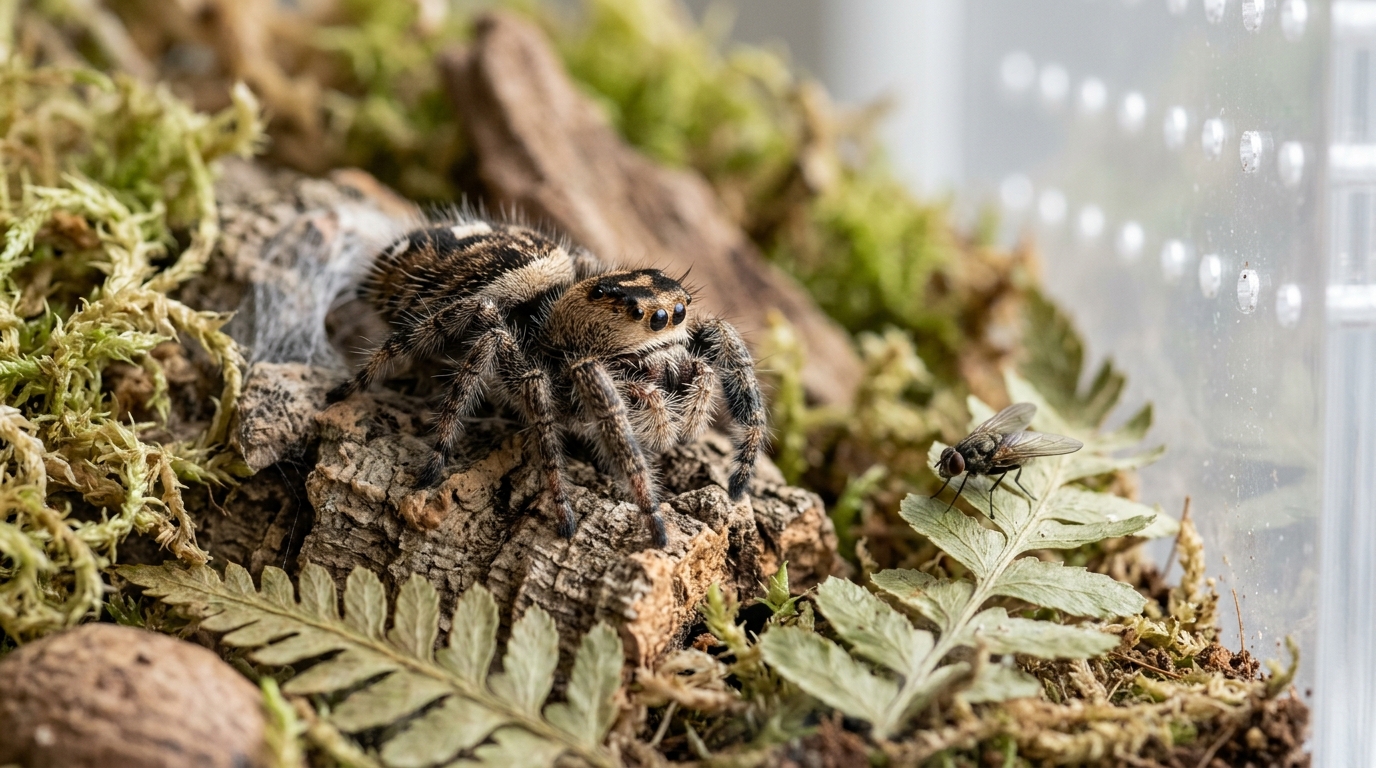
Why your jumping spider has stopped eating A jumping spider that refuses food is almost never an emergency. In the […]
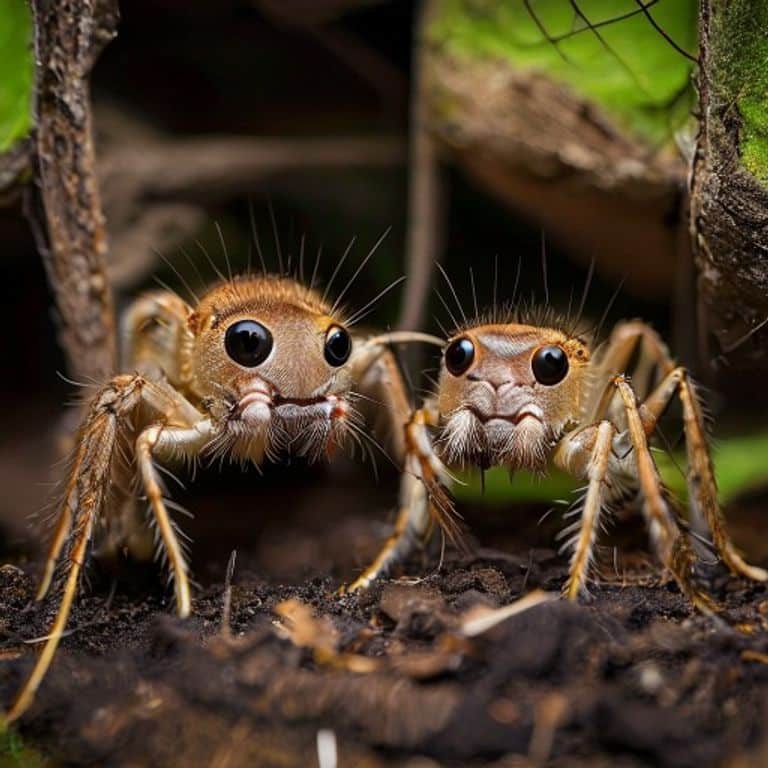
Breeding jumping spiders is one of the more accessible projects in the invertebrate hobby, but it carries real welfare weight: […]
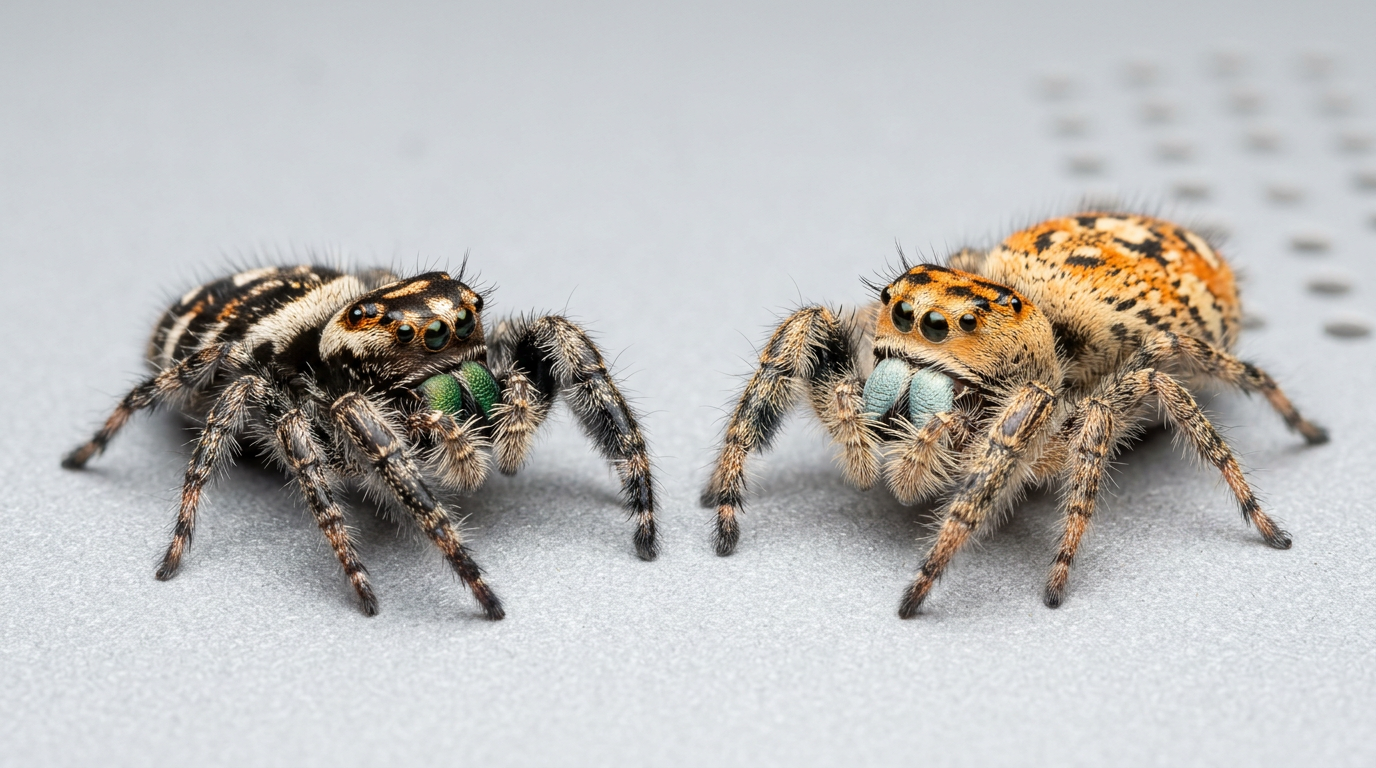
Sexing a jumping spider reliably comes down to one question: are the pedipalps slender like miniature legs, or bulbous like […]
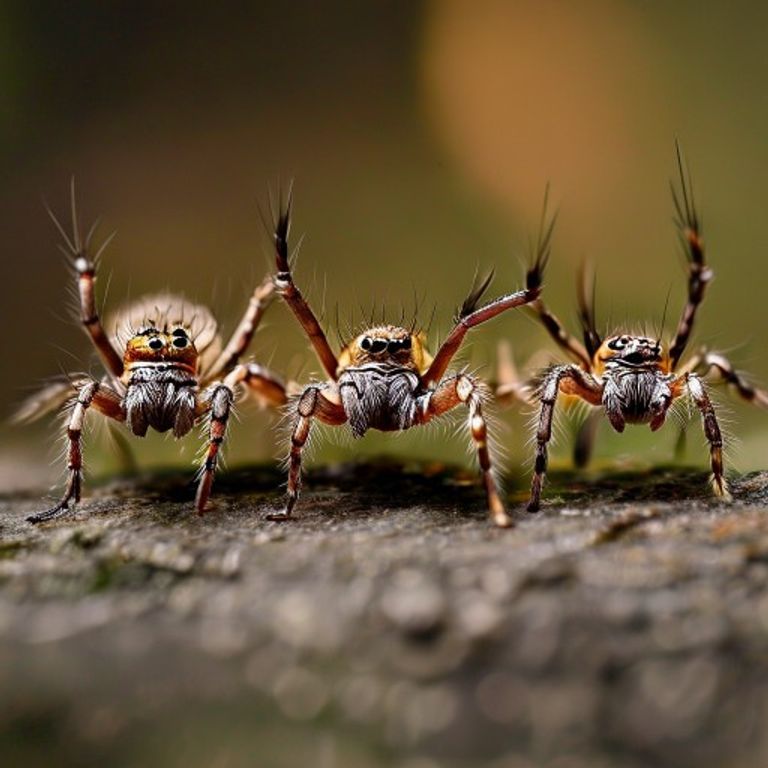
Most pet jumping spiders live one to three years in captivity, with female Phidippus regius reaching the upper end of […]
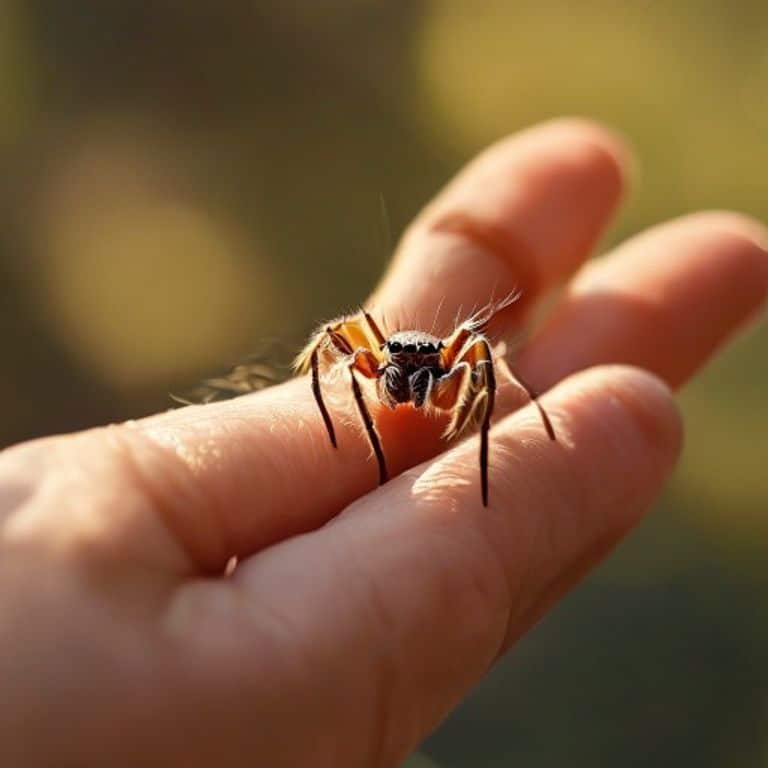
Can You Safely Handle a Jumping Spider? Yes, but on the spider’s terms, not yours. Jumping spiders are among the […]