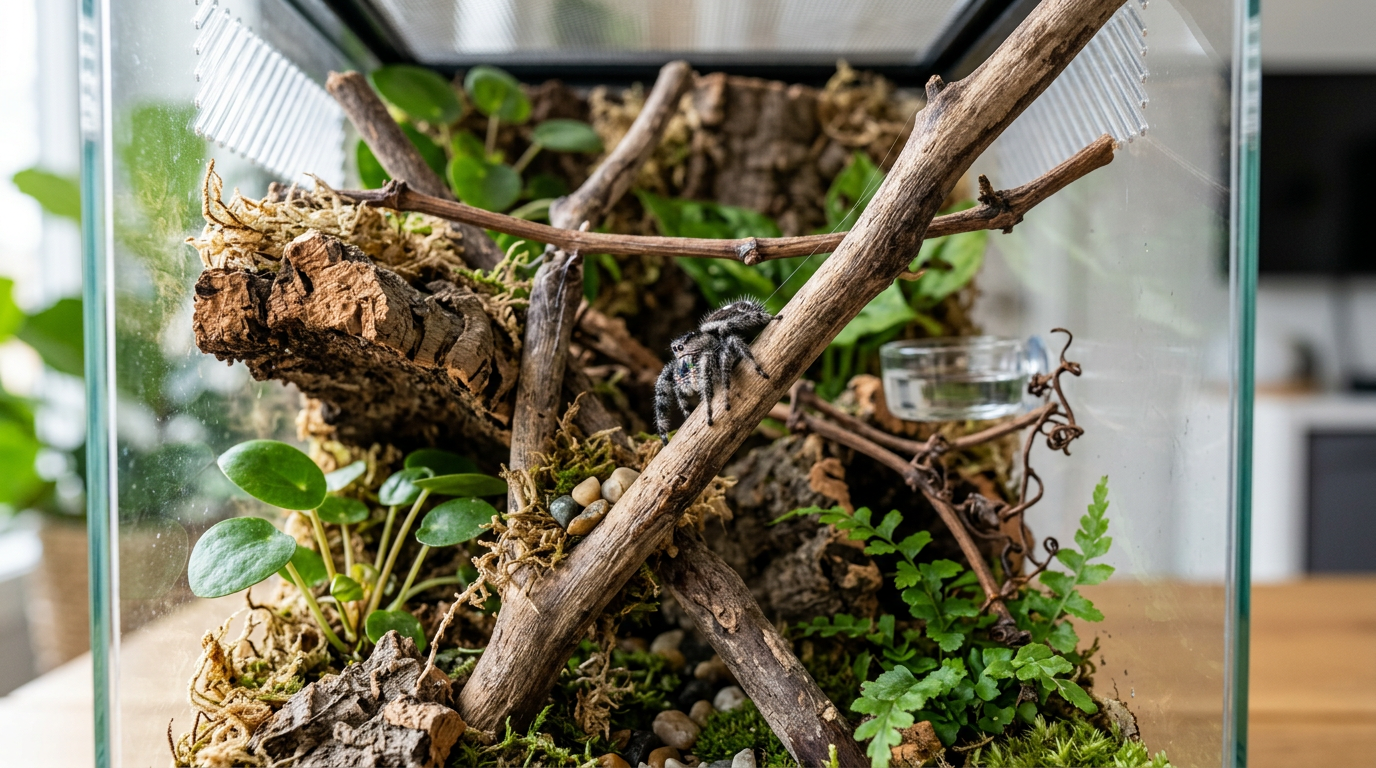
Jumping Spider Enrichment: Toys, Climbing, and Exploration
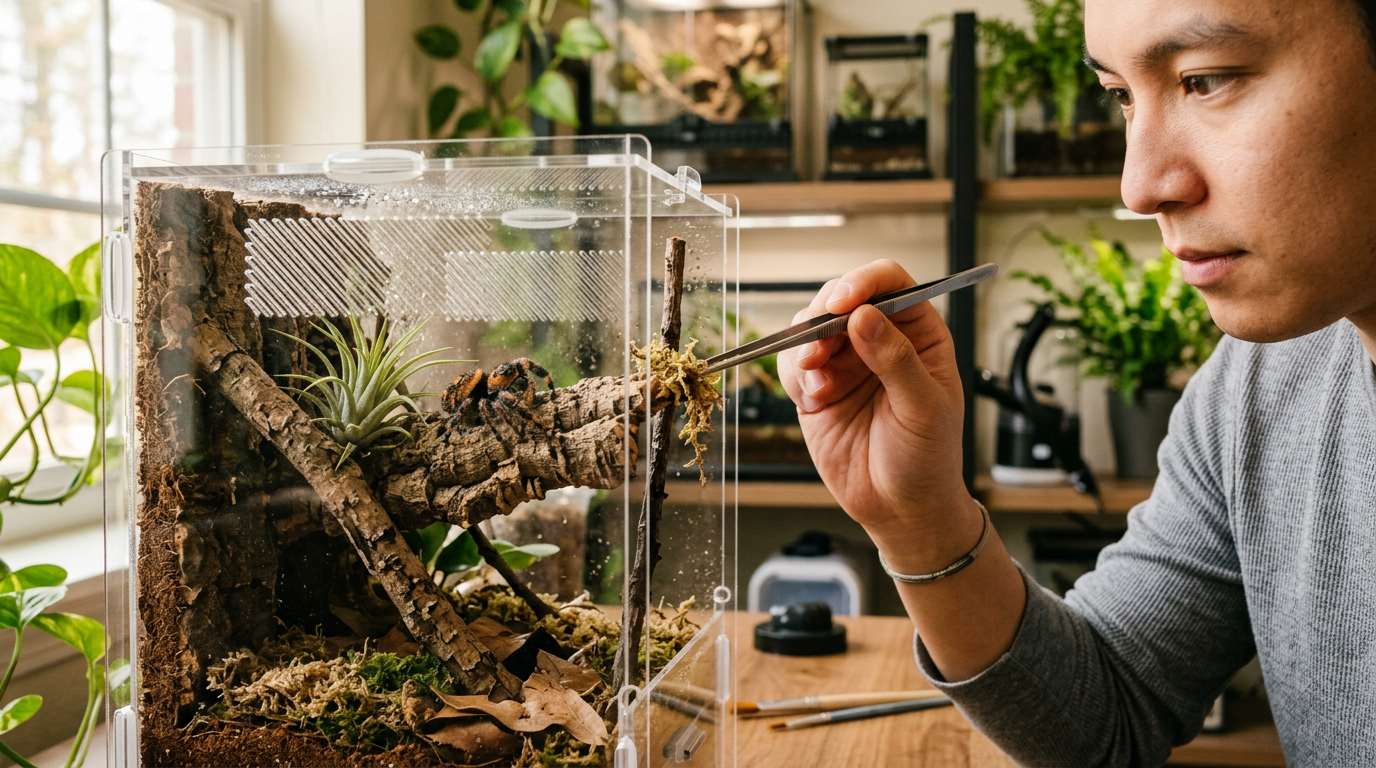
Jumping spider enrichment is the deliberate design of an enclosure and a care routine that gives this highly visual, cognitively […]
Jumping spider enrichment is the deliberate design of an enclosure and a care routine that gives this highly visual, cognitively […]
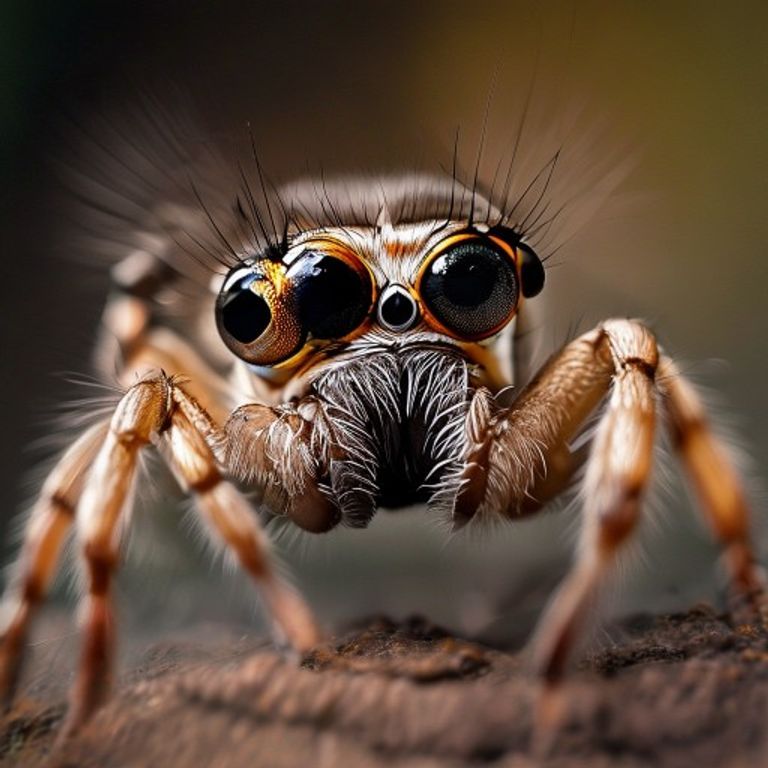
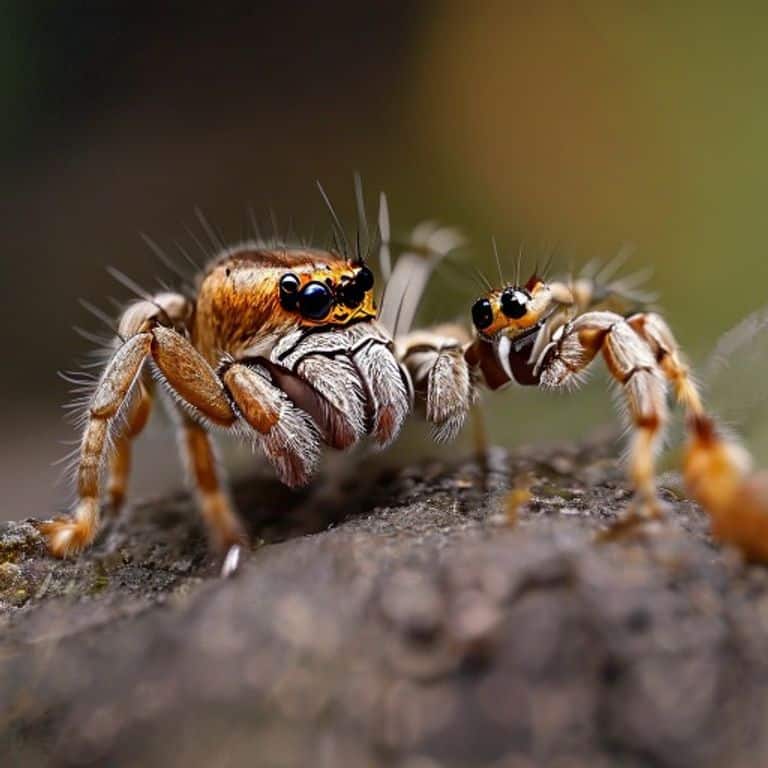
Understanding Jumping Spider Body Language Jumping spiders communicate almost entirely through visual posture and substrate vibration, and every gesture you
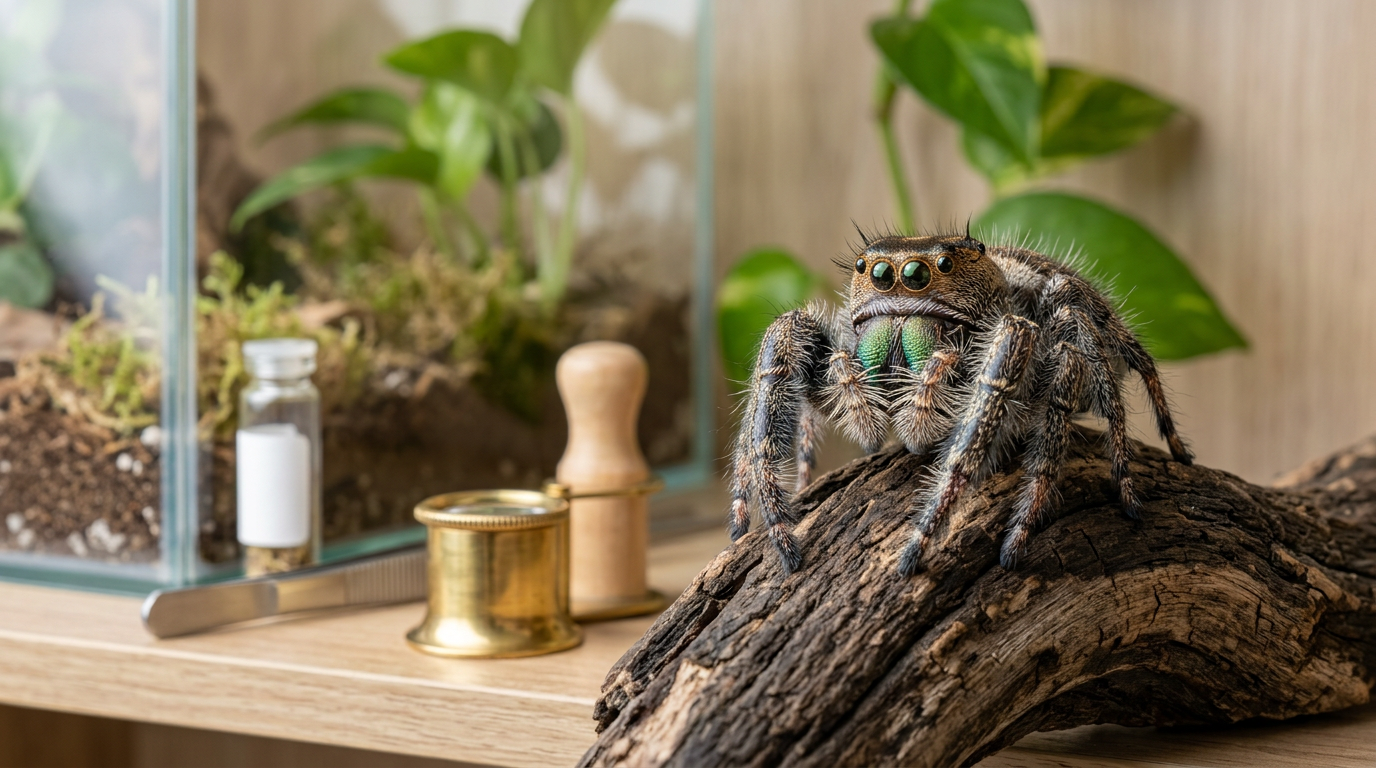
Parasites are one of the few welfare topics in jumping spider keeping where prompt action genuinely changes the outcome, and
Molting is the single most dangerous and the single most important event in a jumping spider’s life, and the keeper’s
Almost every jumping spider that arrives at a vet visit, fails to molt, or dies prematurely in captivity does so
Most jumping spider deaths in captivity are preventable, and the keepers who catch problems early share one habit: they know

Do Jumping Spiders Bite Humans? Jumping spiders can bite but very rarely do, and when a bite happens it is
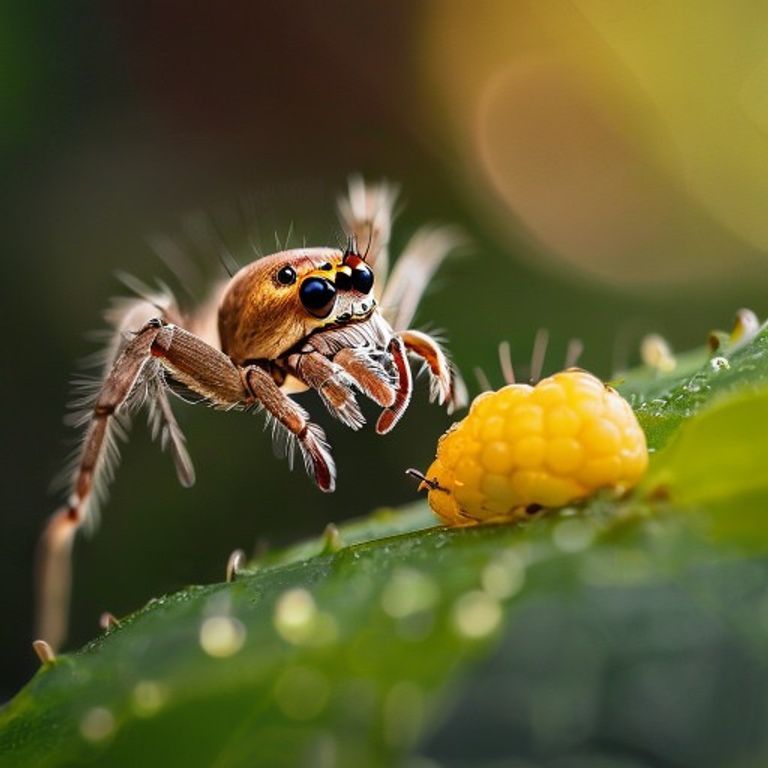
A pet jumping spider’s feeding schedule changes dramatically as it grows: a first instar spiderling eats every 1 to 2
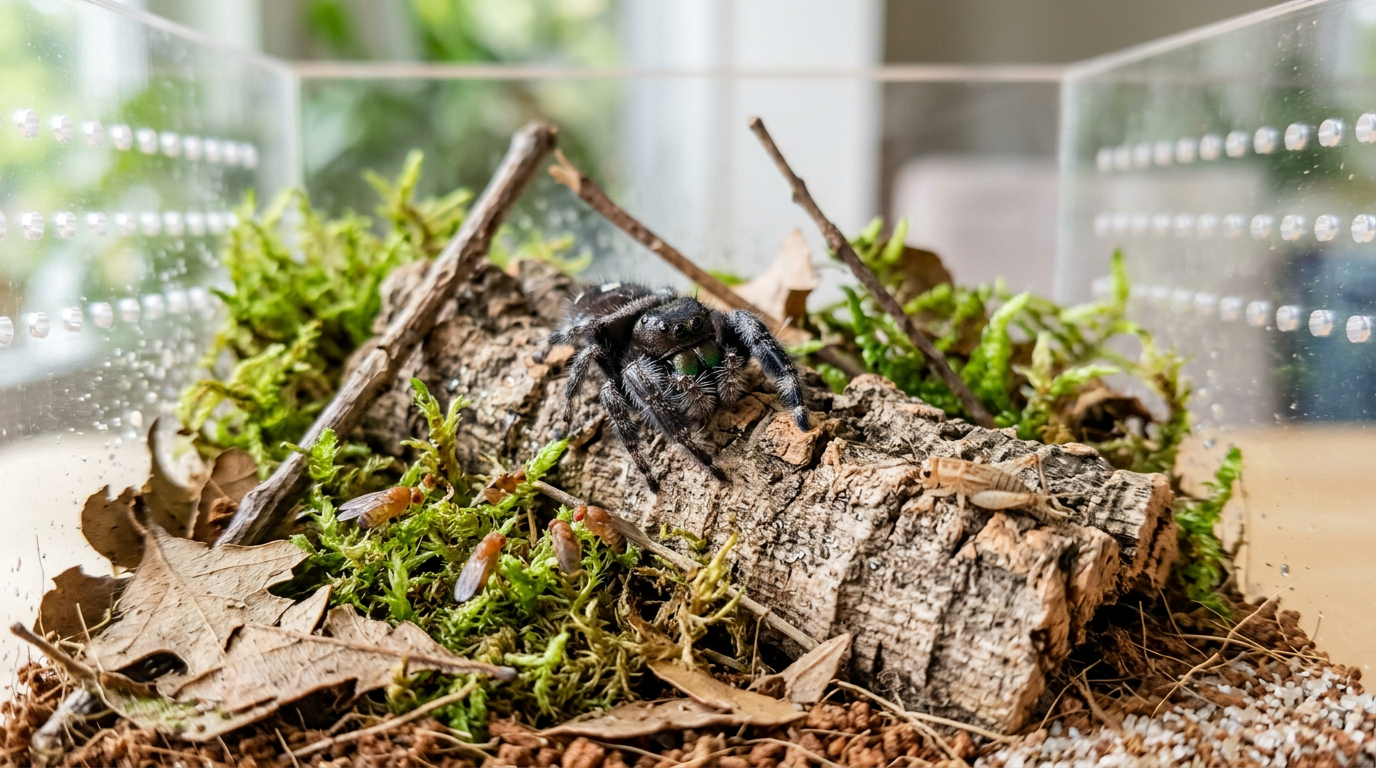
The best feeder insects for jumping spiders are flightless fruit flies (Drosophila melanogaster for spiderlings and D. hydei for late

Jumping spiders are obligate carnivores that hunt live prey by sight. A captive jumping spider’s complete diet is built from