

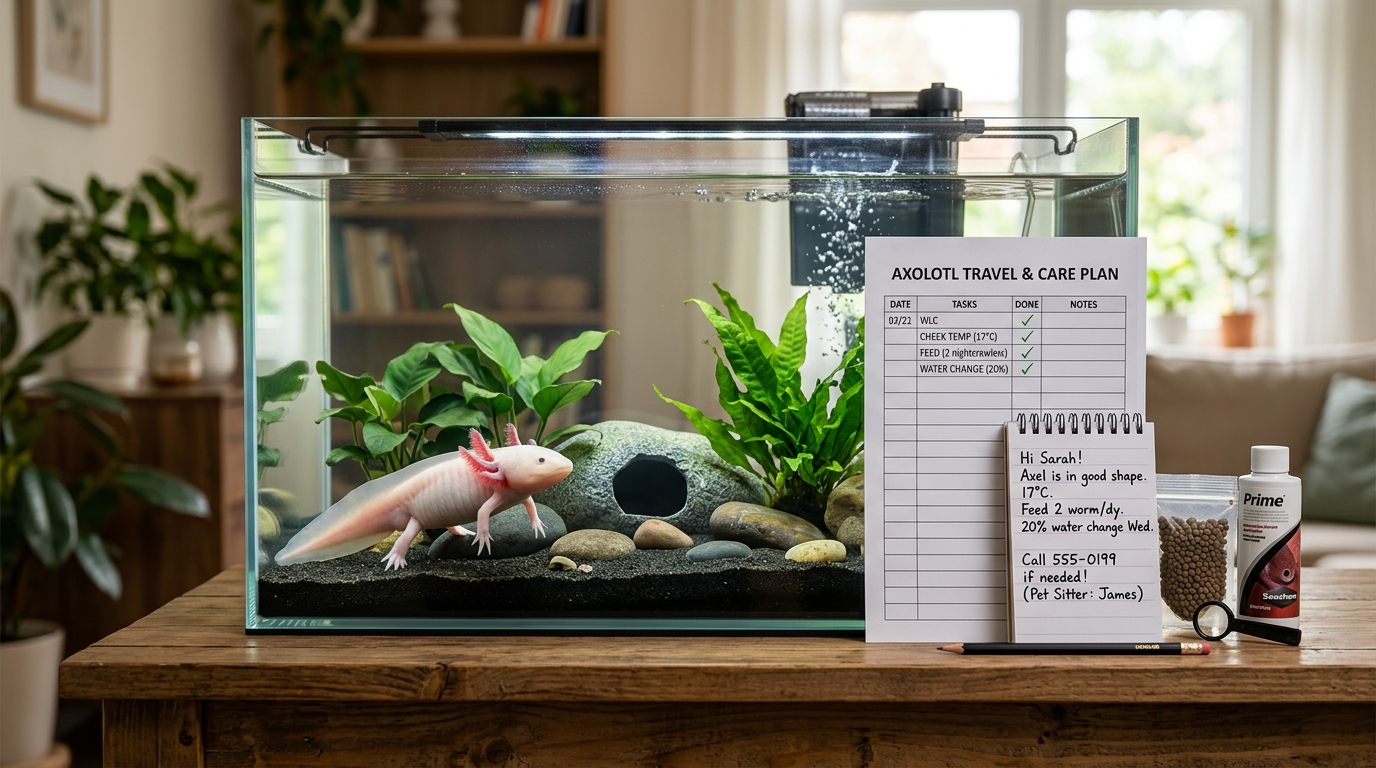
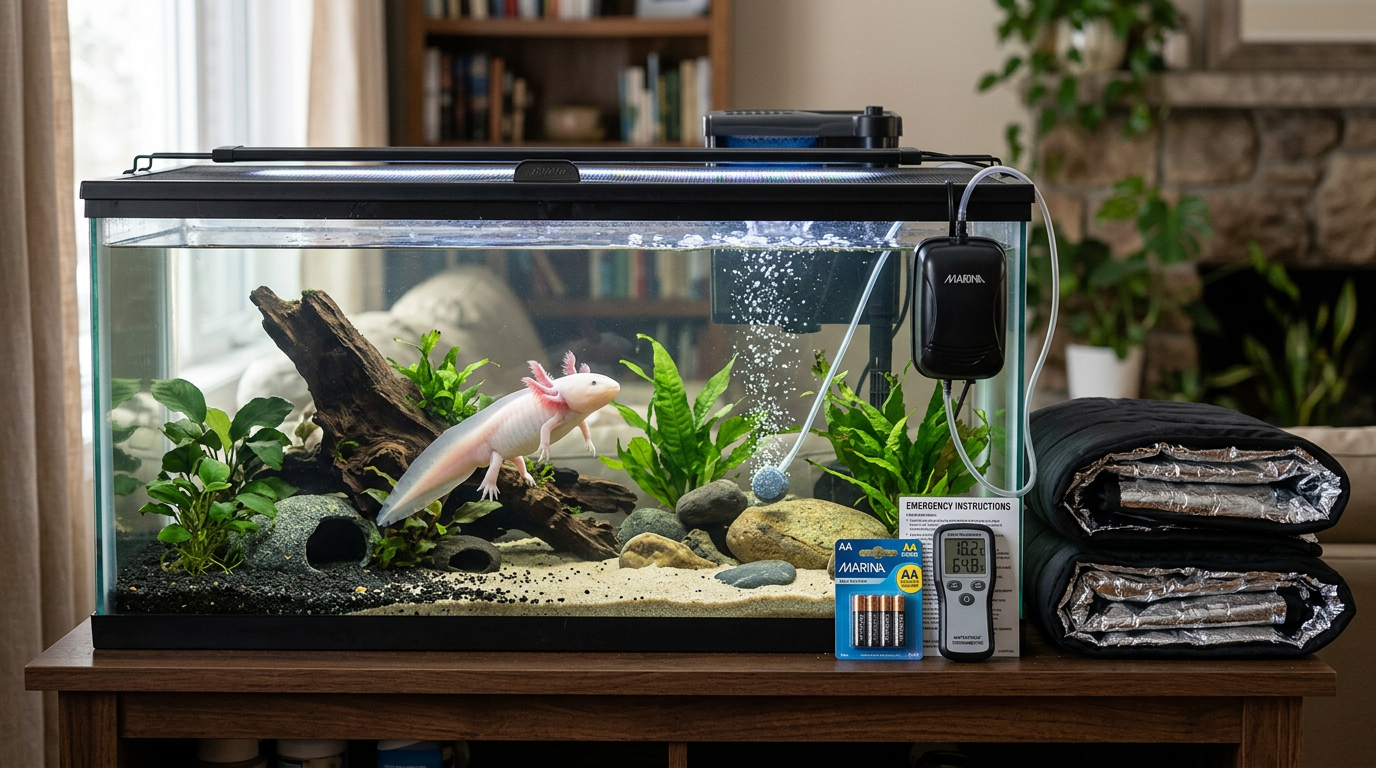
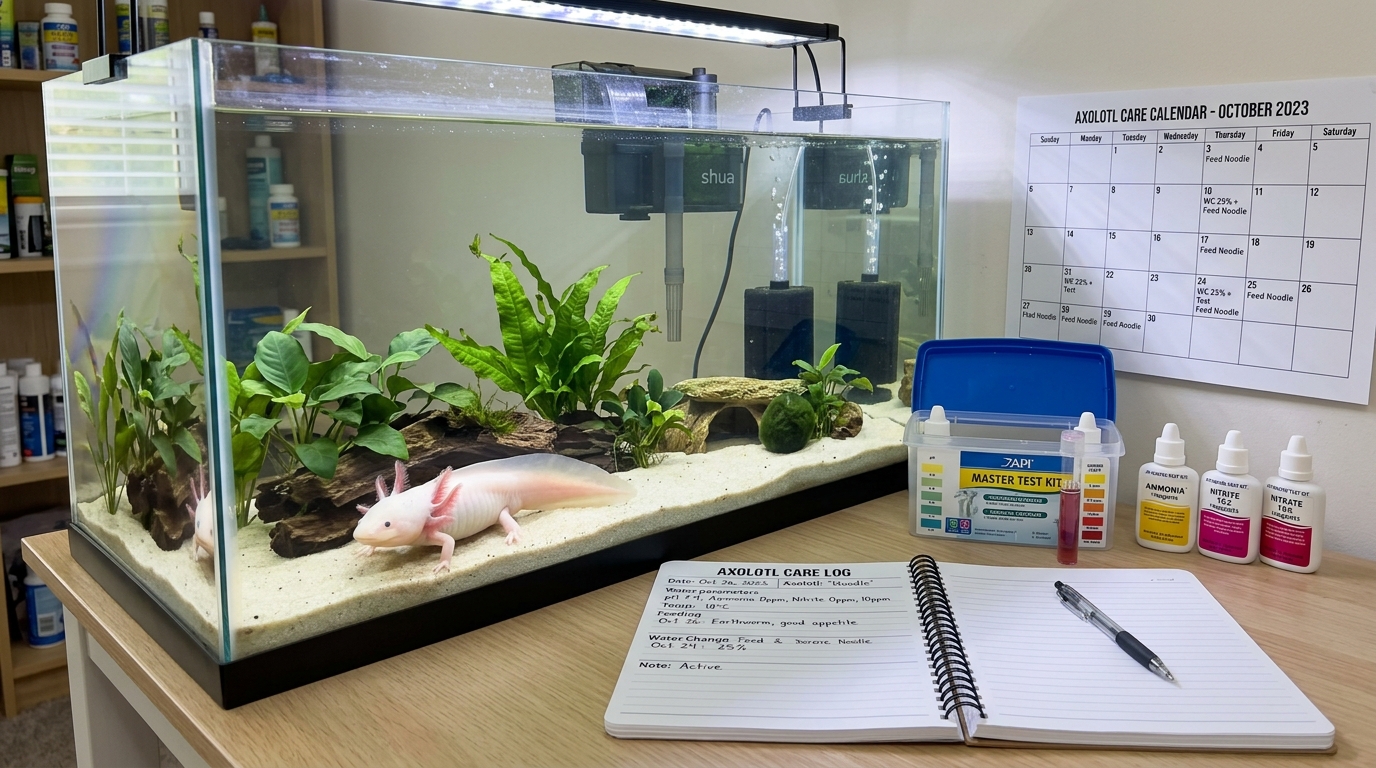
Every new axolotl you bring home should spend a minimum of 30 days in a separate quarantine container before it goes into your main...
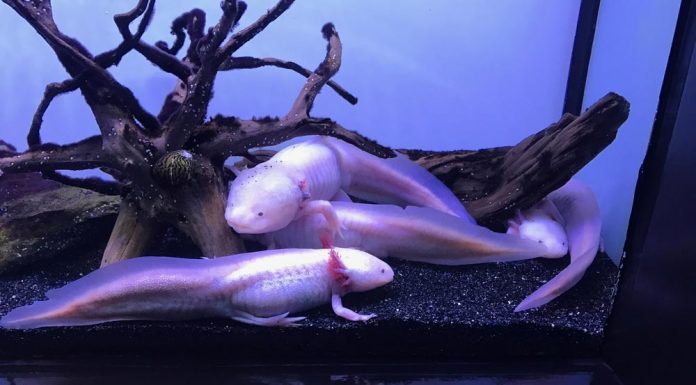
Breeding axolotls is straightforward in mechanical terms and extraordinarily demanding in practical ones. A sexually mature male deposits spermatophores on the substrate, a receptive...
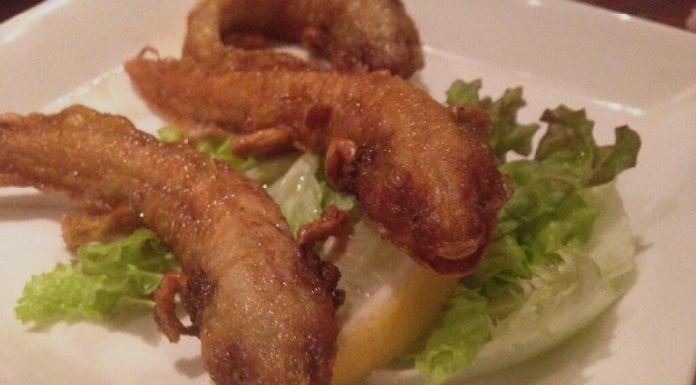
The axolotl (Ambystoma mexicanum) is critically endangered in the wild. The IUCN Red List classifies the species as Critically Endangered with a decreasing population...
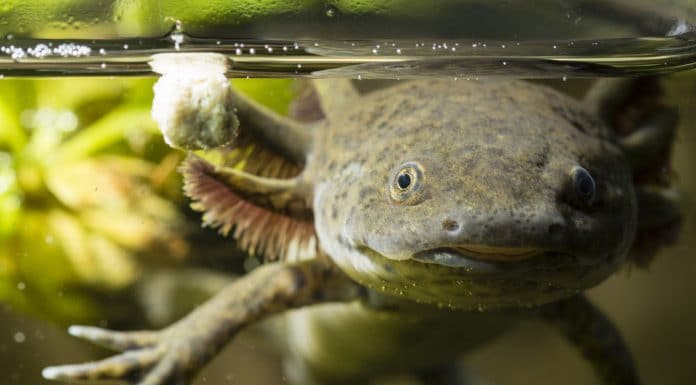
Learn to identify axolotl illness and prevent them from happening again. Remedies and solutions can be found here.
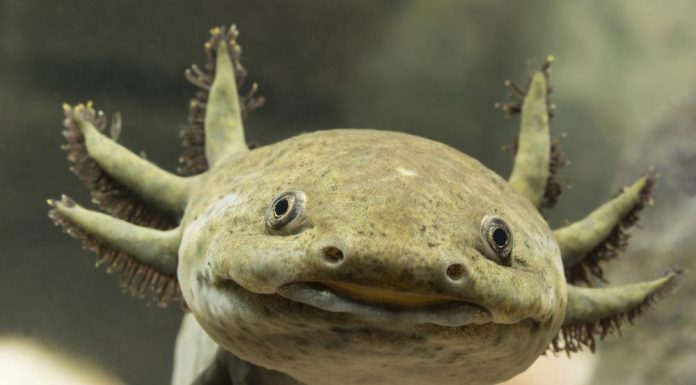
The axolotl (Ambystoma mexicanum) is a permanently aquatic salamander native to the high-altitude lake system in the Valley of Mexico. Wild axolotls exist today...
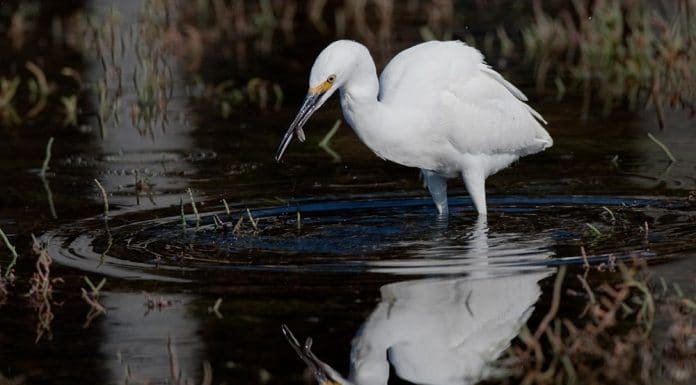
Wild axolotls (Ambystoma mexicanum) face predation from introduced fish, wading birds, aquatic snakes, and invertebrate predators in the canal remnants of Lake Xochimilco in...
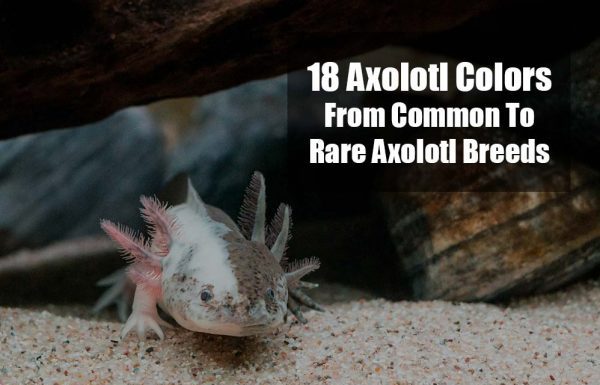
Axolotl color morphs are determined by three pigment cell types called chromatophores, and the specific combination of genetic mutations an individual carries decides whether...
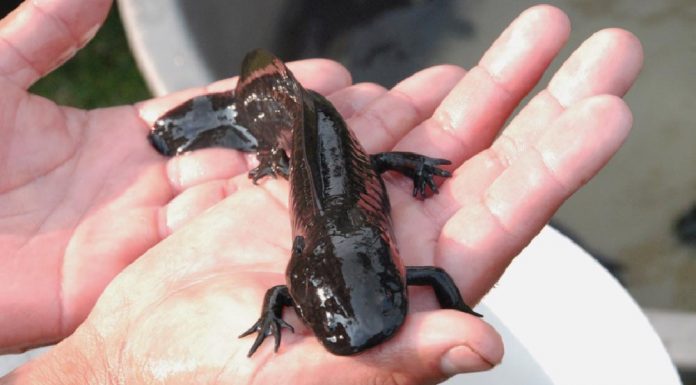
Axolotls cannot live out of water. They are obligate aquatic amphibians that depend on water for gill-based gas exchange, skin hydration, and thermoregulation. An...