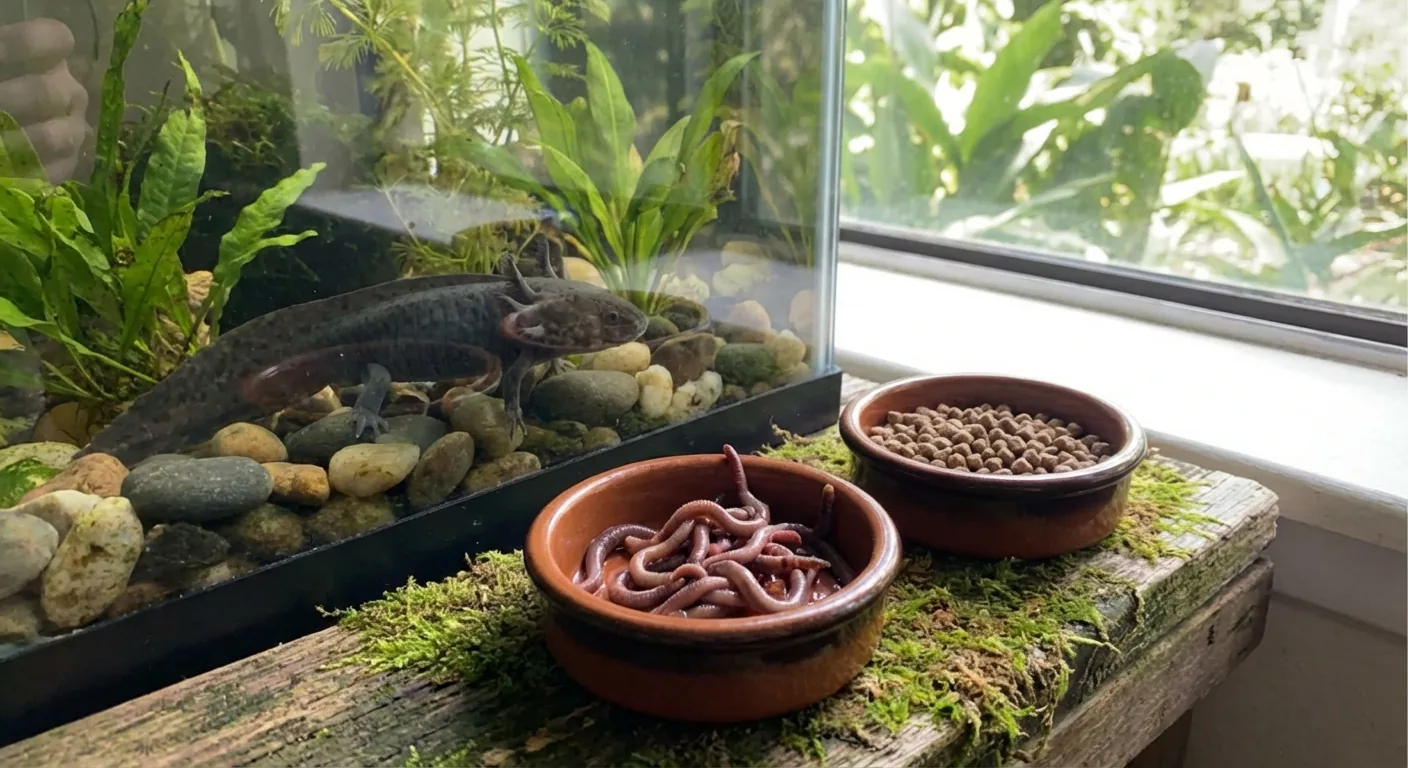
A missed meal is rarely an emergency, but more than 72 hours of refusal is a medical concern. The eight-cause matrix covers water quality,...
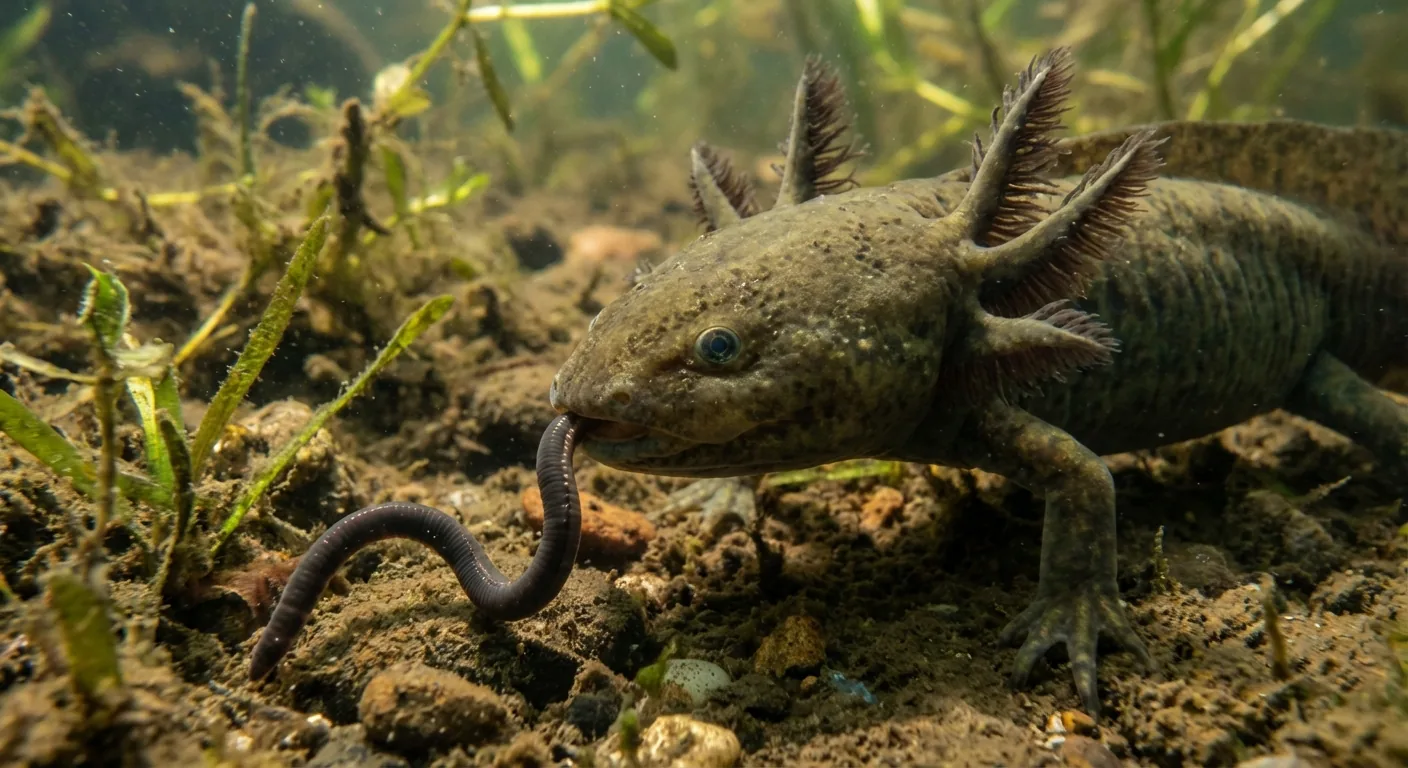
Live food can be a useful part of an axolotl diet, but not every live feeder is safe. The risk-tier sorts feeders into lower,...
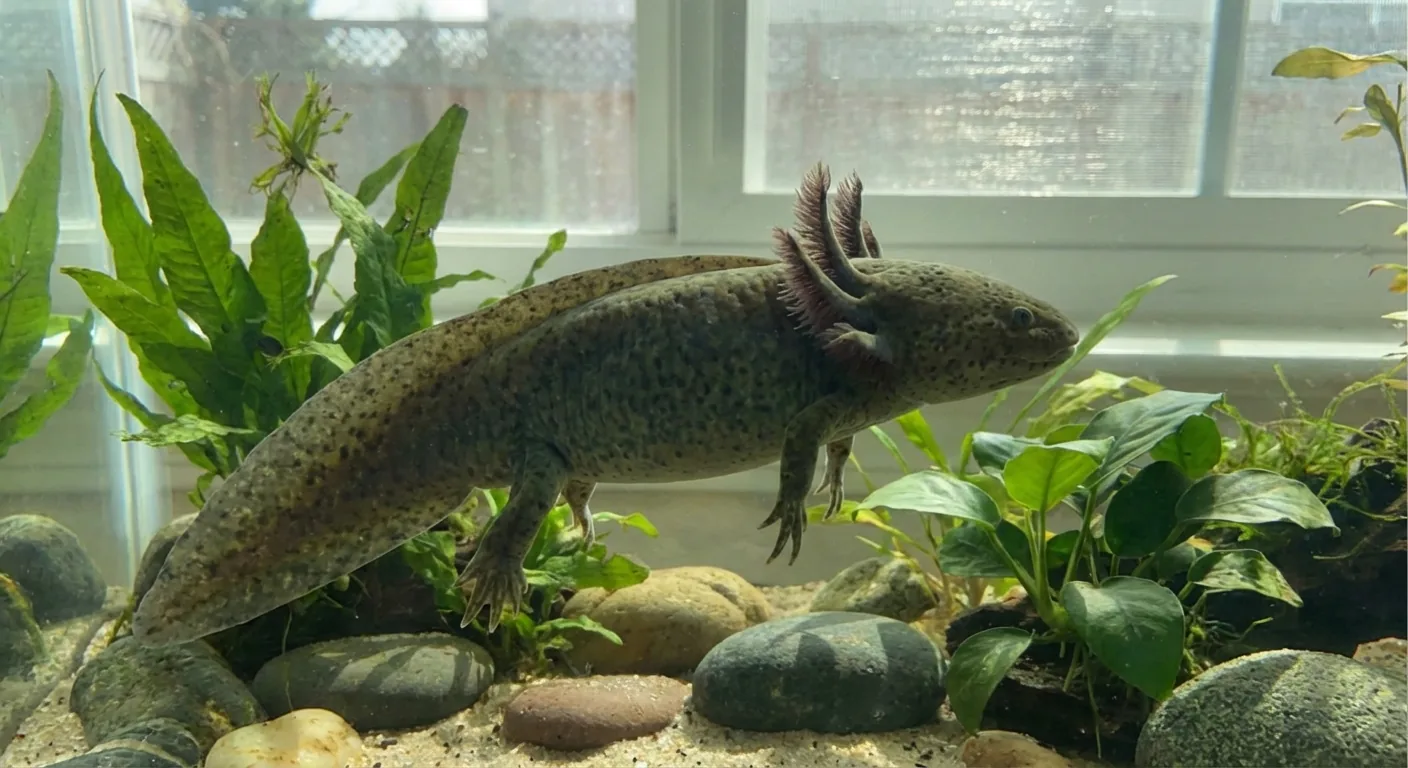
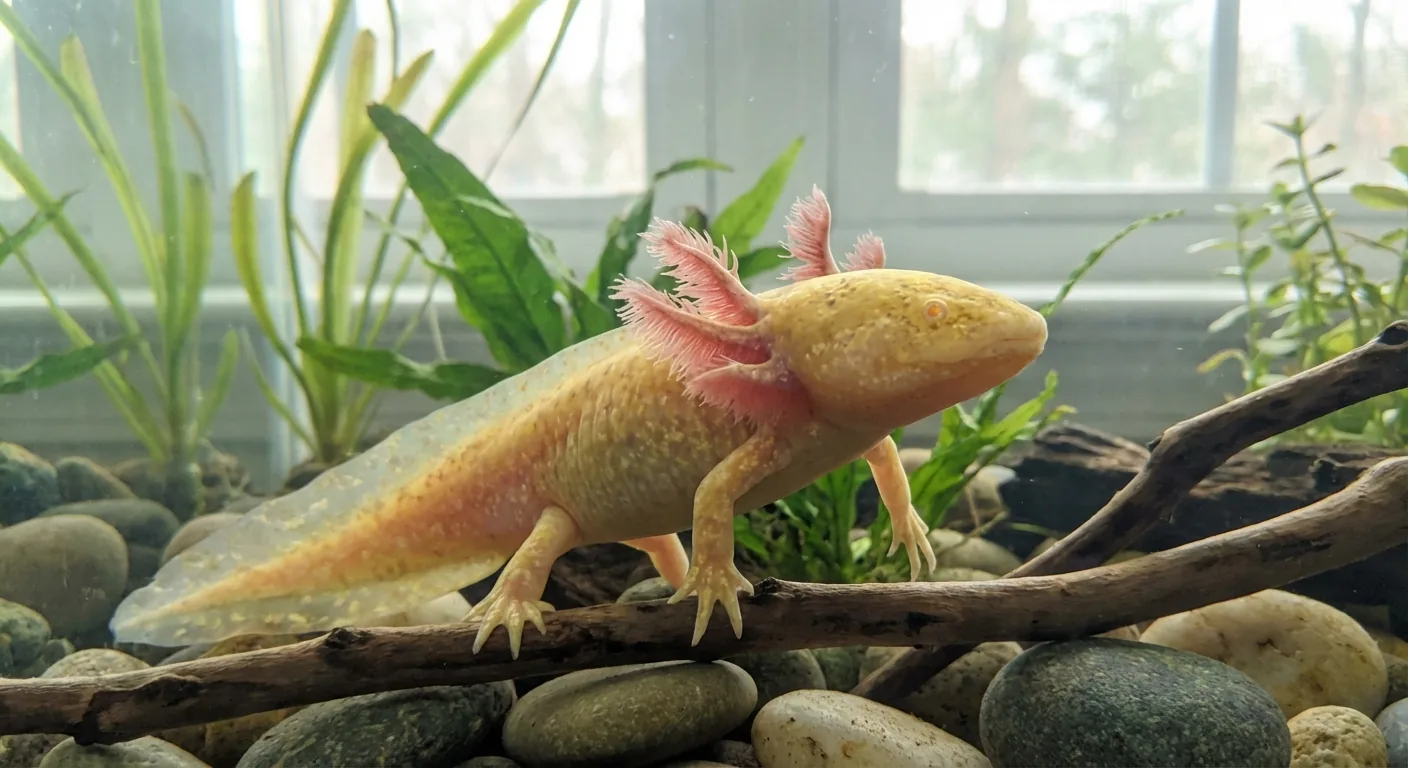
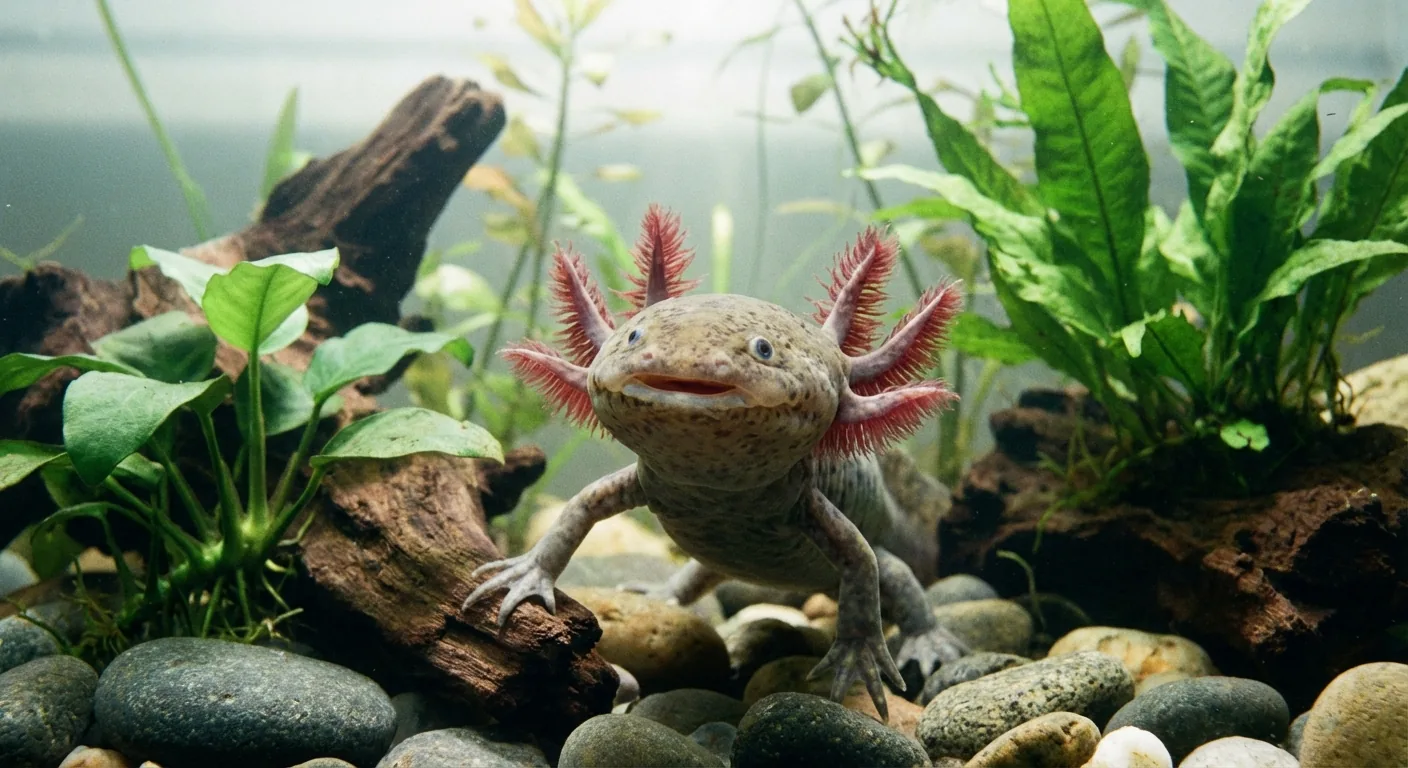
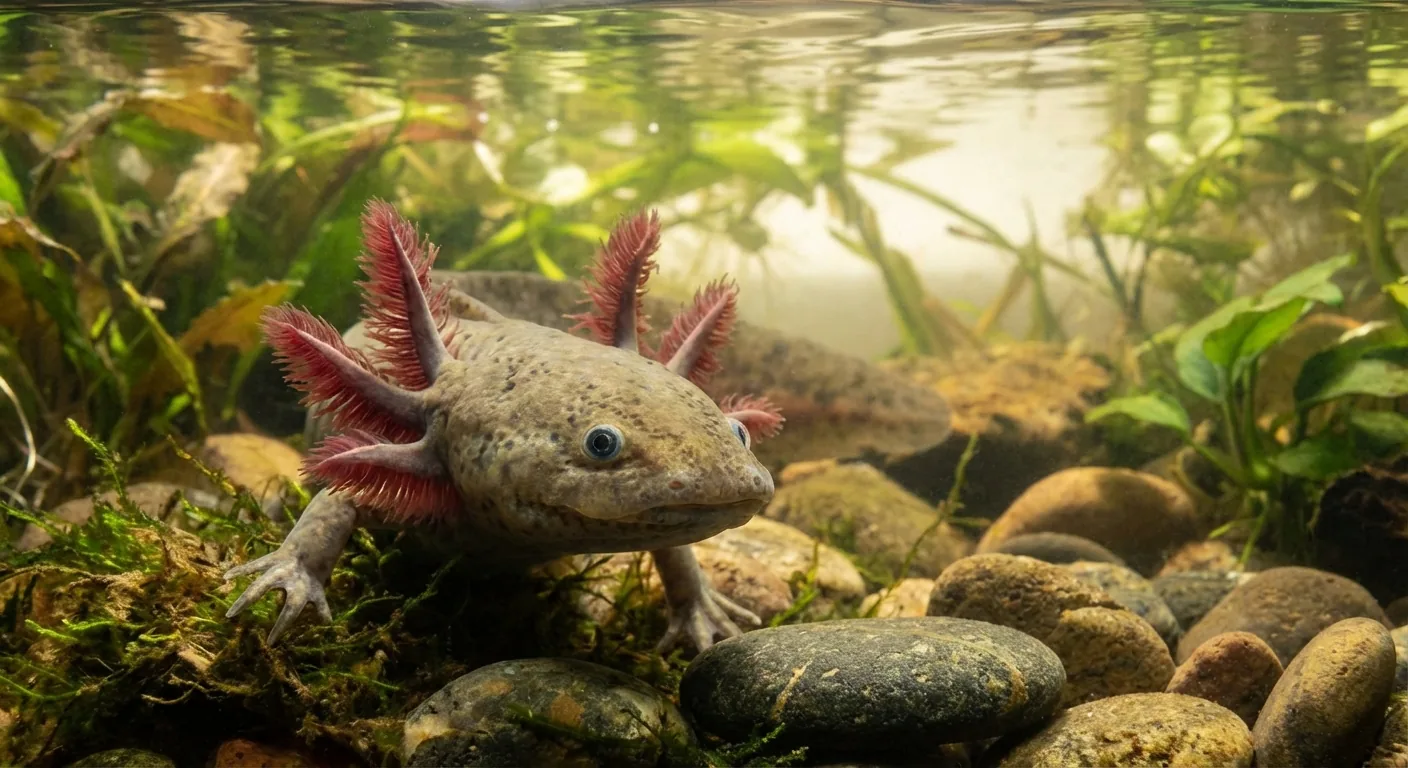
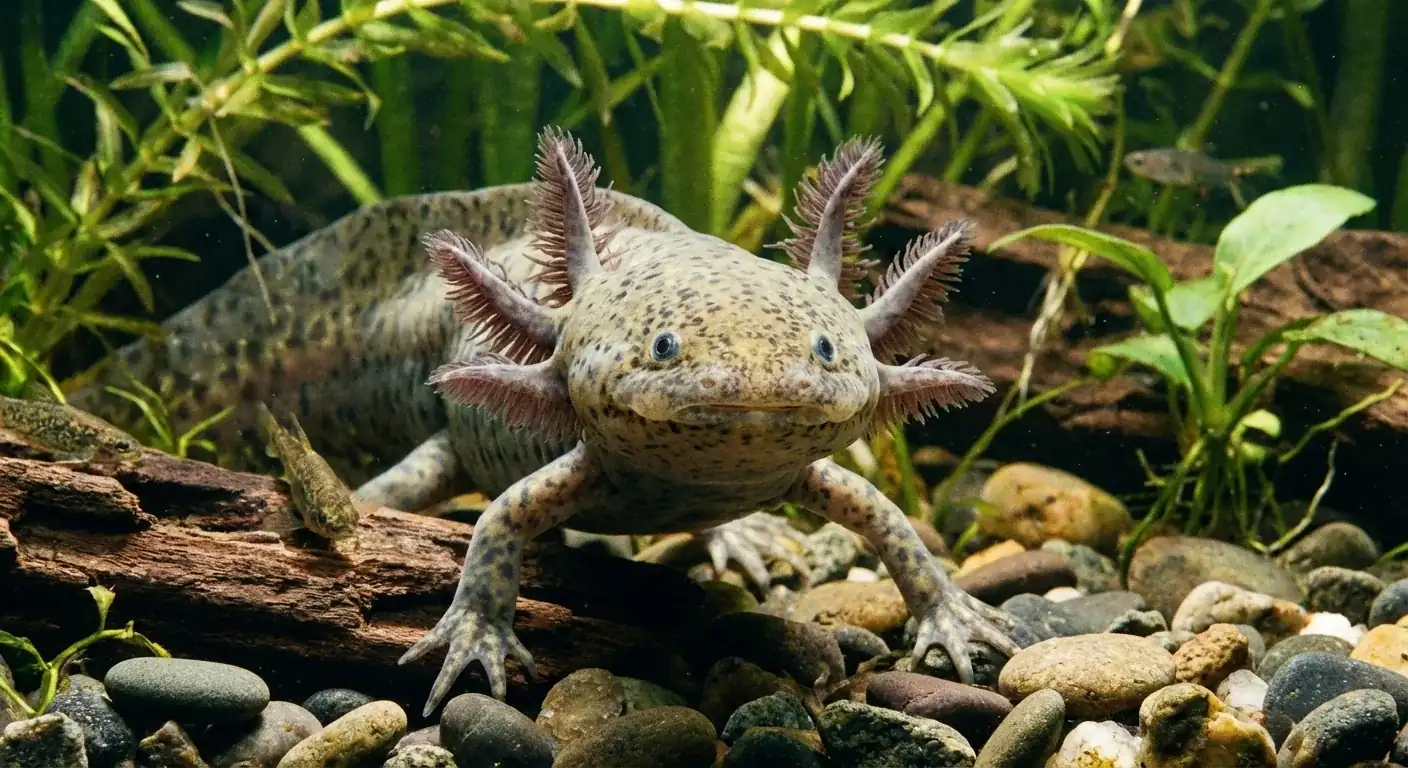
A healthy axolotl shows full feathery gill filaments, clear eyes, smooth unblemished skin, head-equal body width with a rounded abdomen, and active responses to...
Not every axolotl symptom needs a vet. The severity matrix tells you which do. Categorical vet-immediate situations include seizure-like movements and loss of righting...
Learn to identify axolotl illness and prevent them from happening again. Remedies and solutions can be found here.
Every visible axolotl stress sign maps to an environmental cause. Water quality is the number-one cause in the majority of cases. Test ammonia, nitrite,...
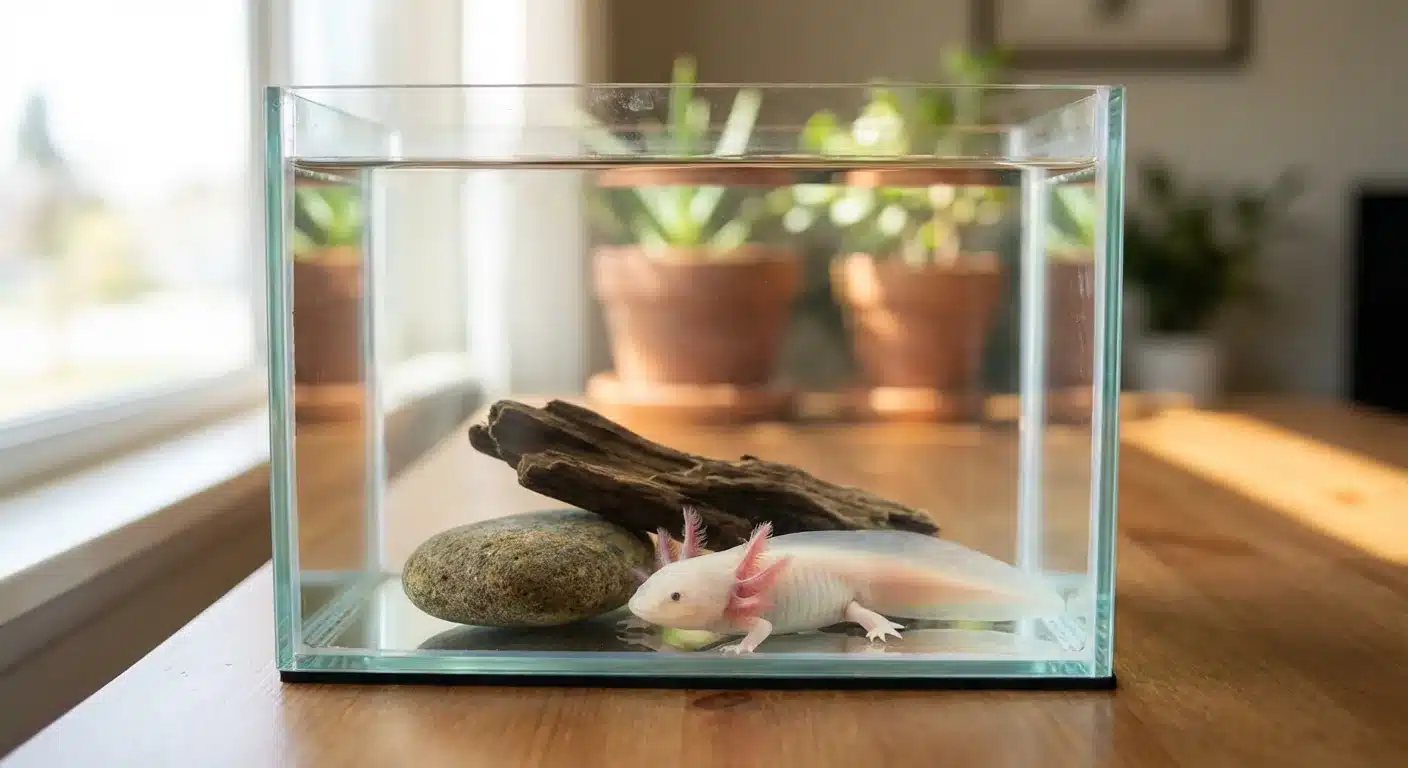
Every new axolotl should spend 30 days in a separate tub before main-tank introduction. Sick axolotls should also be tubbed for treatment. A 6...
Never add medication to an axolotl tank without veterinary direction. Permeable skin and external gills absorb chemicals far faster than fish. The few safe...
Axolotls regenerate limbs, gills, tail, sections of spinal cord, portions of brain and heart through a blastema-driven process anchored in their paedomorphic neoteny biology....
Impaction is a mechanical foreign-body blockage of the axolotl gastrointestinal tract, usually caused by ingested gravel. Food refusal, abdominal swelling, and floating from trapped...