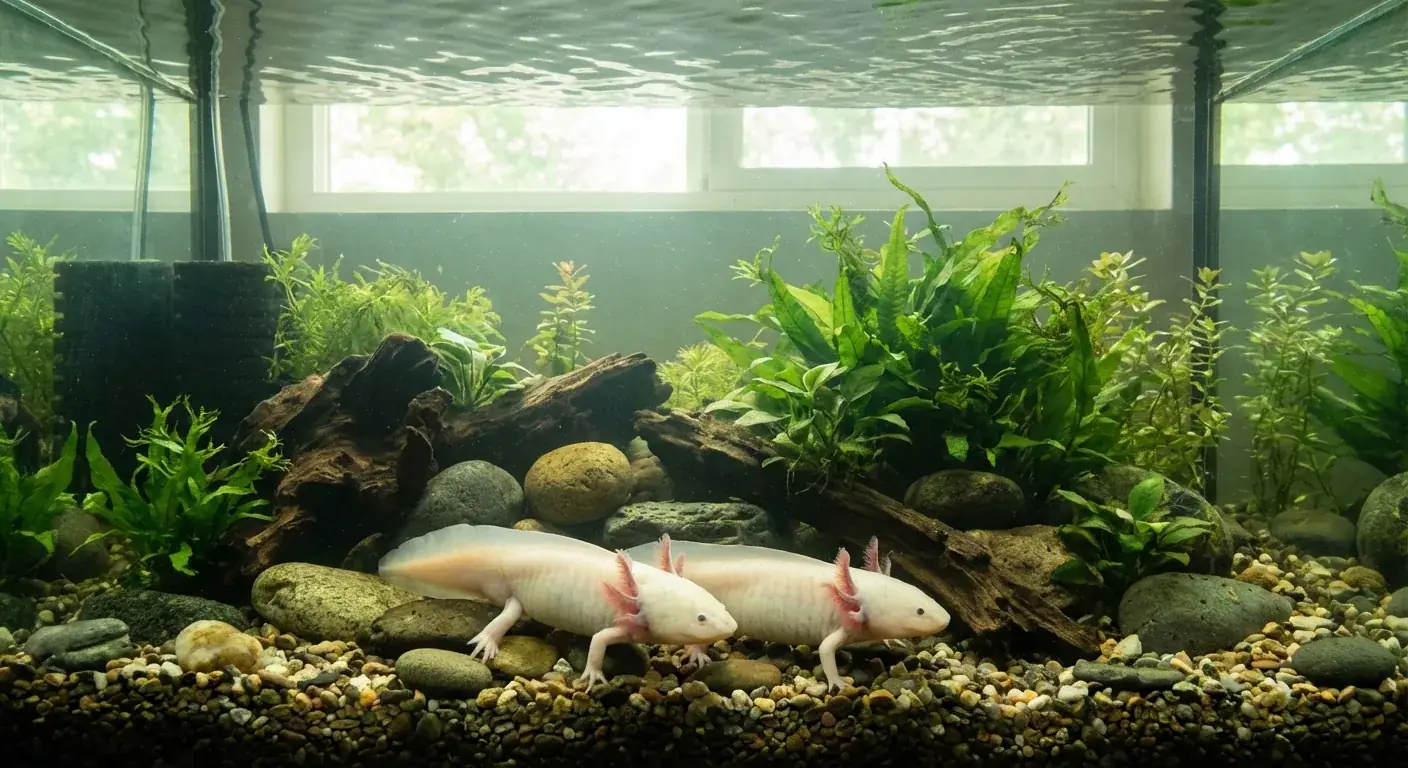
How to Sex Axolotls and When to Separate Them: The Cloaca Read, the Maturity Timeline, the Housing-Risk Map, and the Separation-and-Recovery Plan
You sex an axolotl mainly by its cloaca, the area behind the back legs. A mature male shows a clear […]
You sex an axolotl mainly by its cloaca, the area behind the back legs. A mature male shows a clear […]
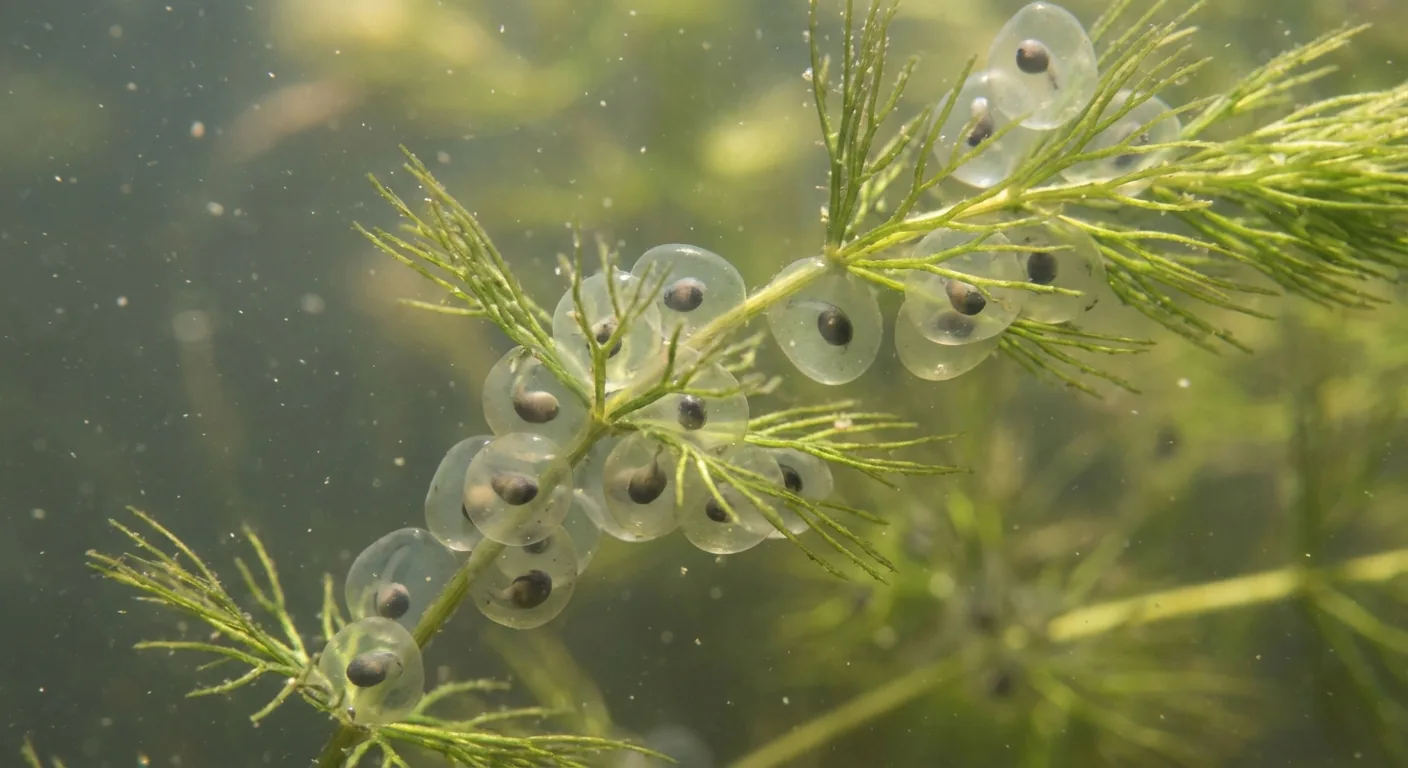
Caring for axolotl eggs means moving the clutch into a clean, shallow, dechlorinated container away from the parents, holding it […]
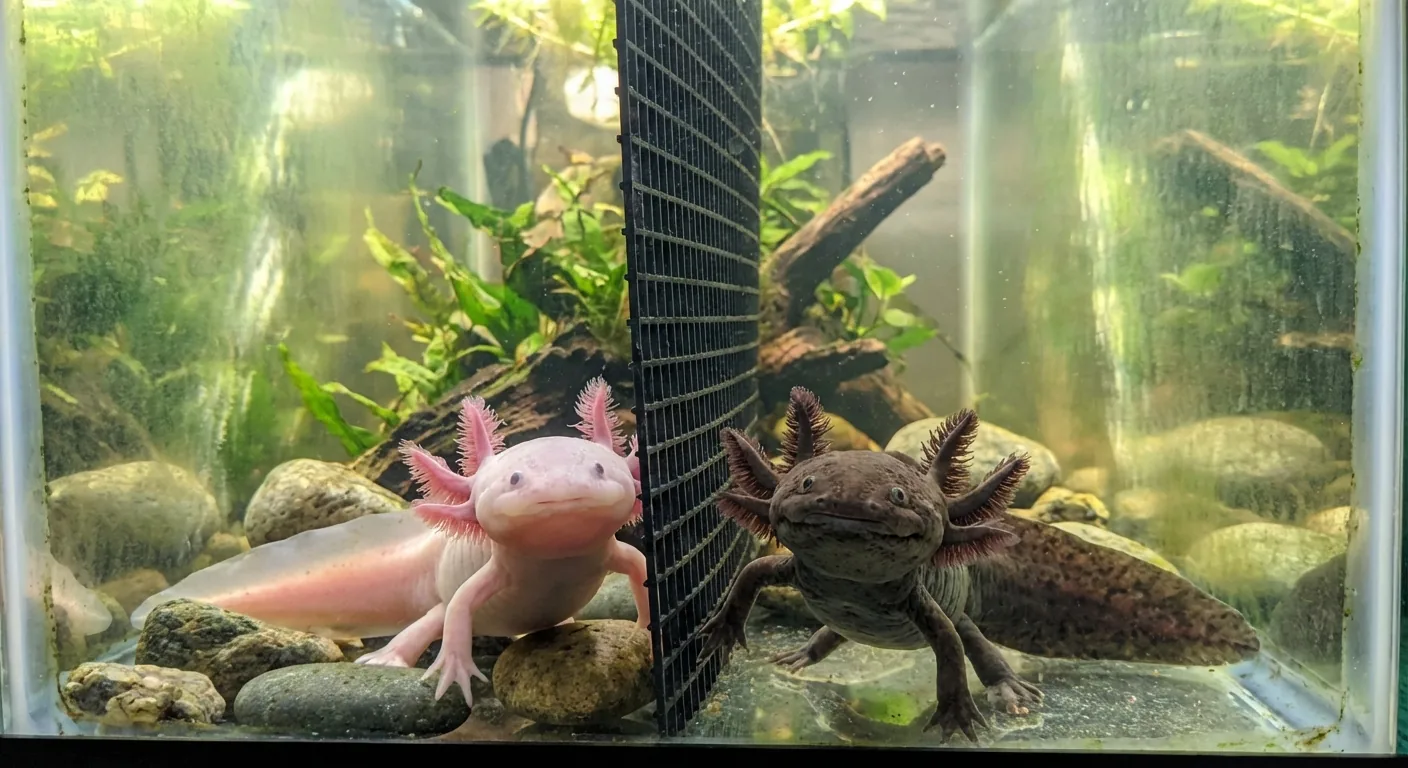
Axolotls eat each other because of a movement-triggered suction reflex, not aggression. Their poor eyesight means a tank mate’s gill […]

Breeding axolotls means pairing two healthy, unrelated adults over 18 months old, conditioning them with a cooling and light cycle, […]
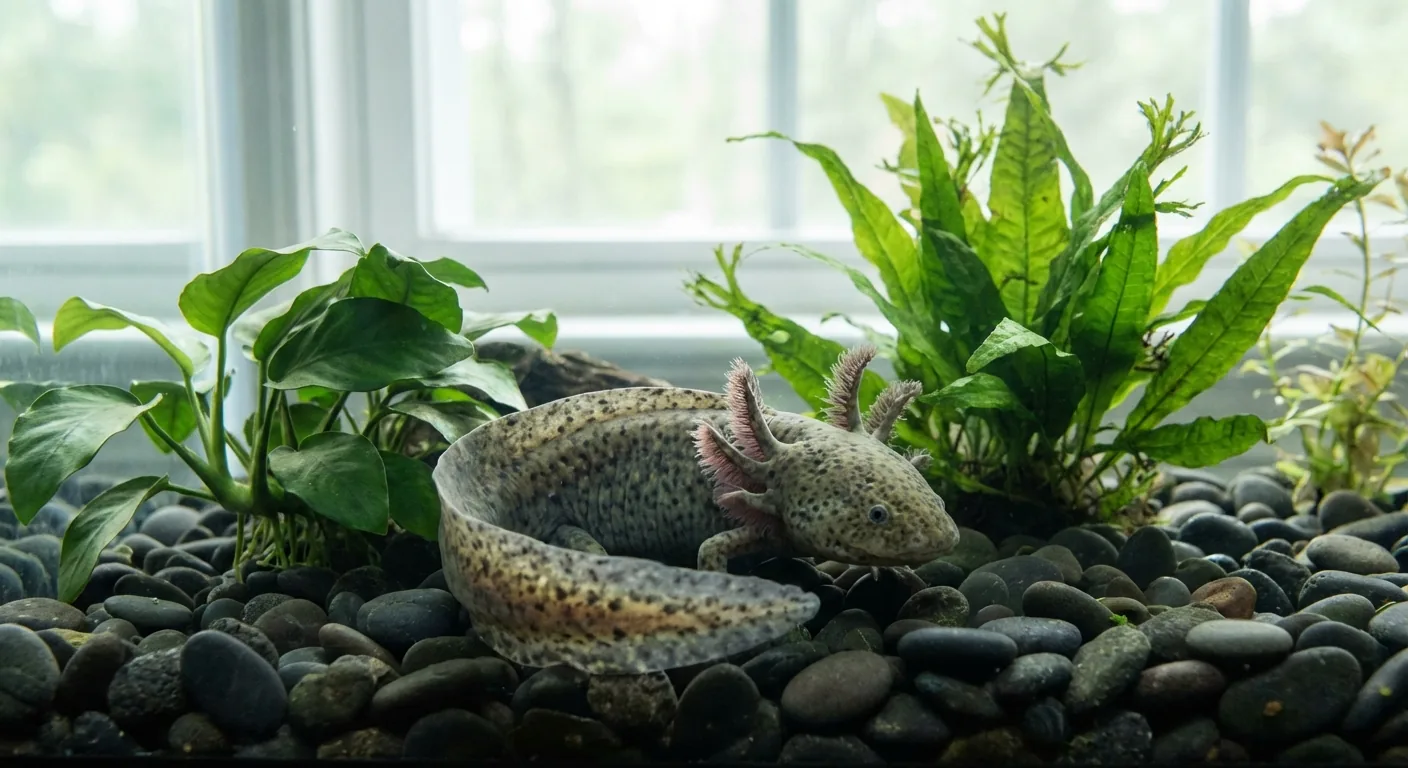
Axolotl daytime stillness is normal nocturnal rest if the animal responds to food, becomes active after dark, and shows normal […]
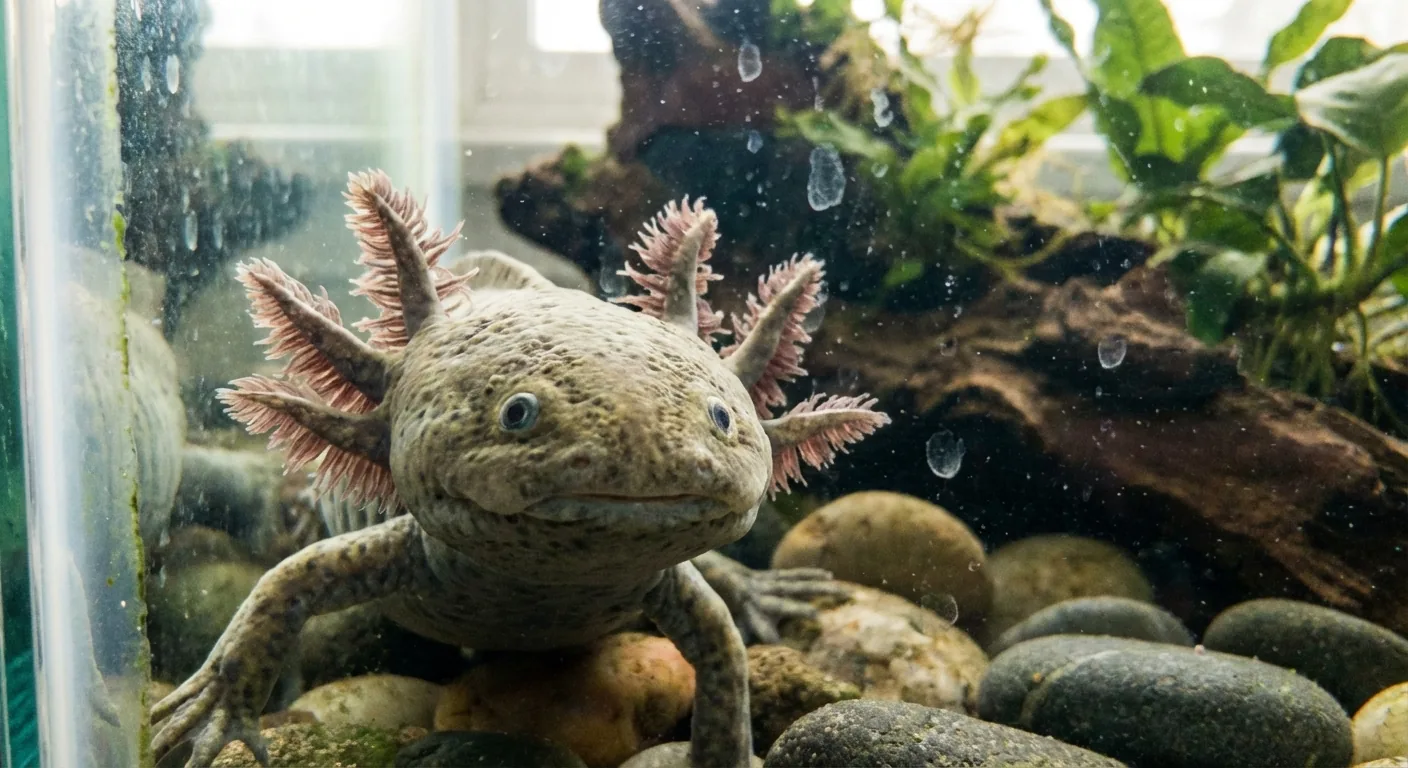
Axolotls should not be handled as part of routine care. They are fully aquatic with permeable skin and cartilaginous skeletons […]
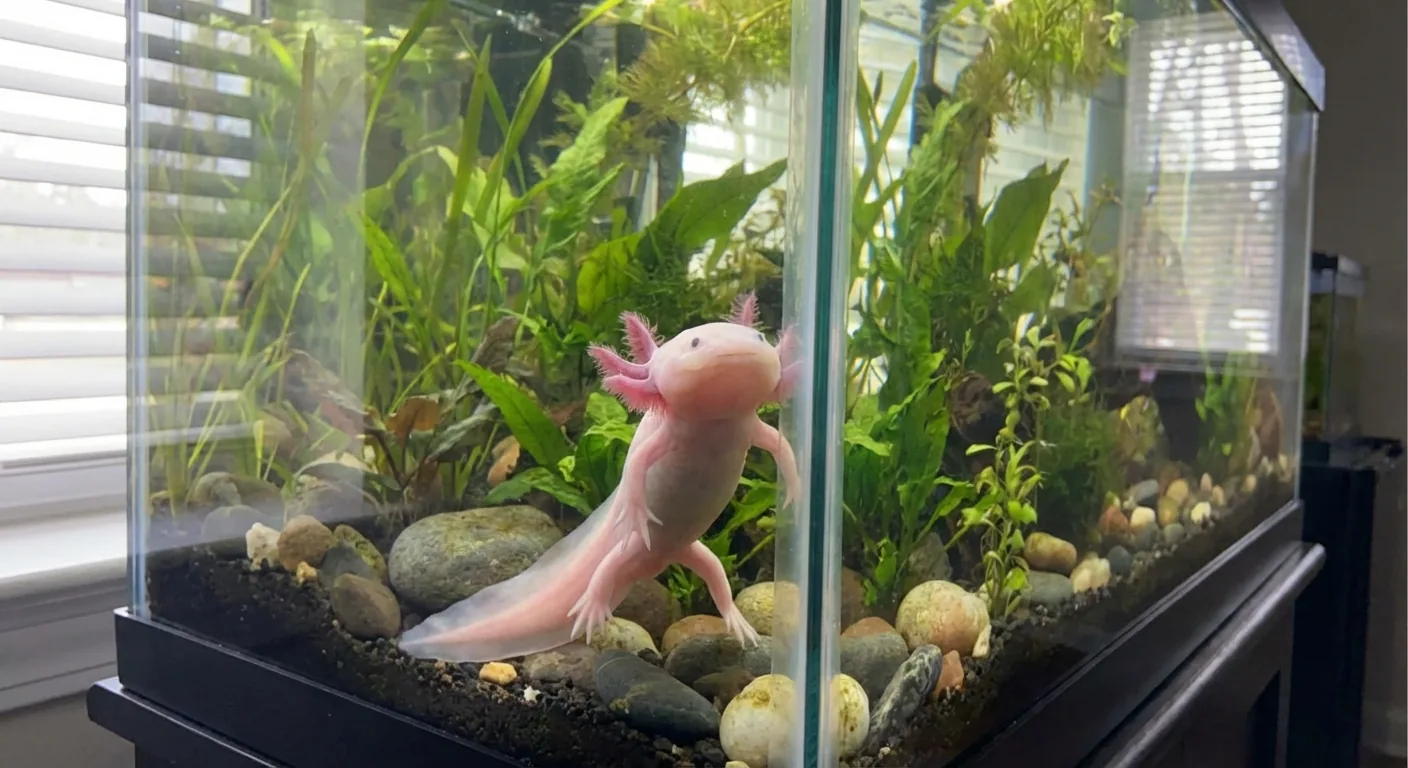
Axolotl glass surfing pattern is the first diagnostic. Random direction with no concurrent signs is stress. Consistent corner-to-corner direction at […]
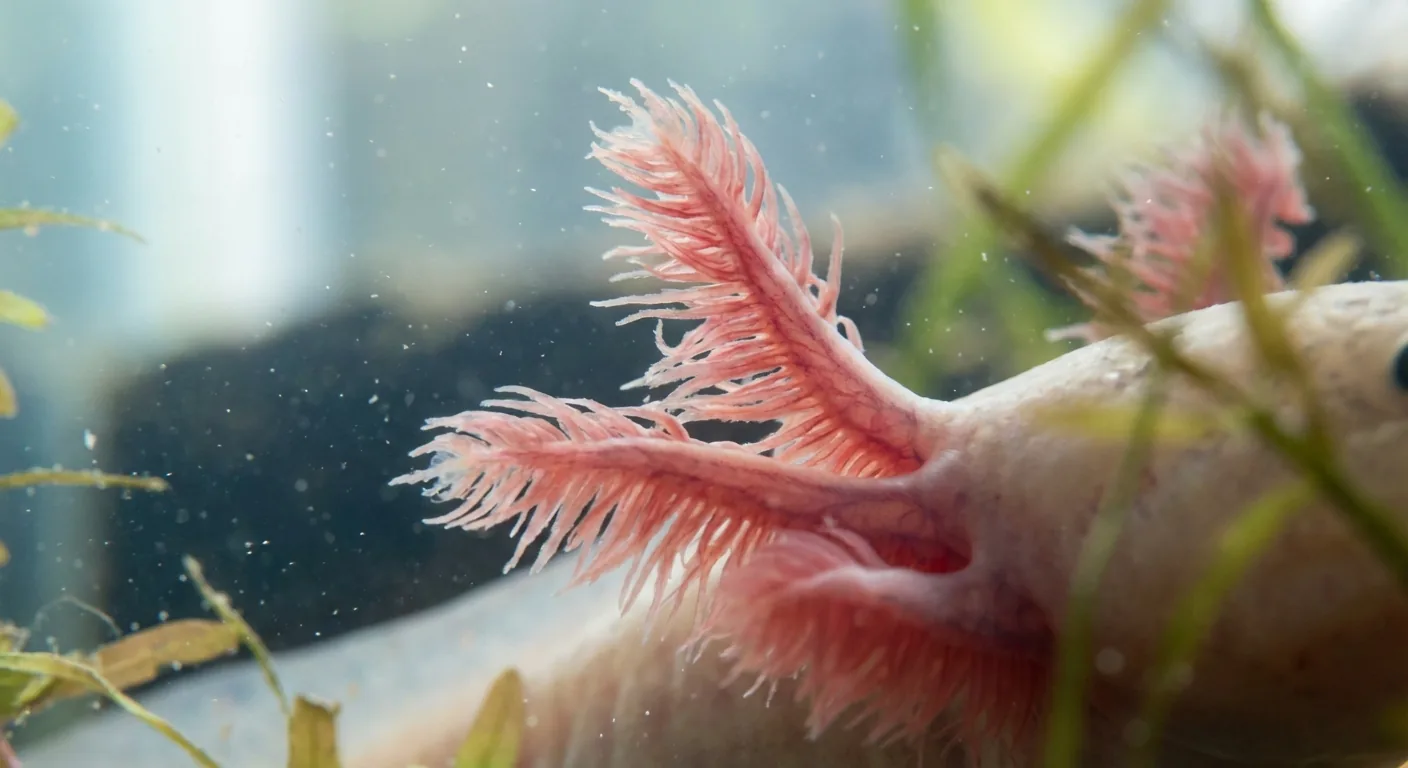
Gill curl direction is the first diagnostic. Forward curl is the most common pattern and per Axolotl.org/health verbatim “Forward-turned gills […]
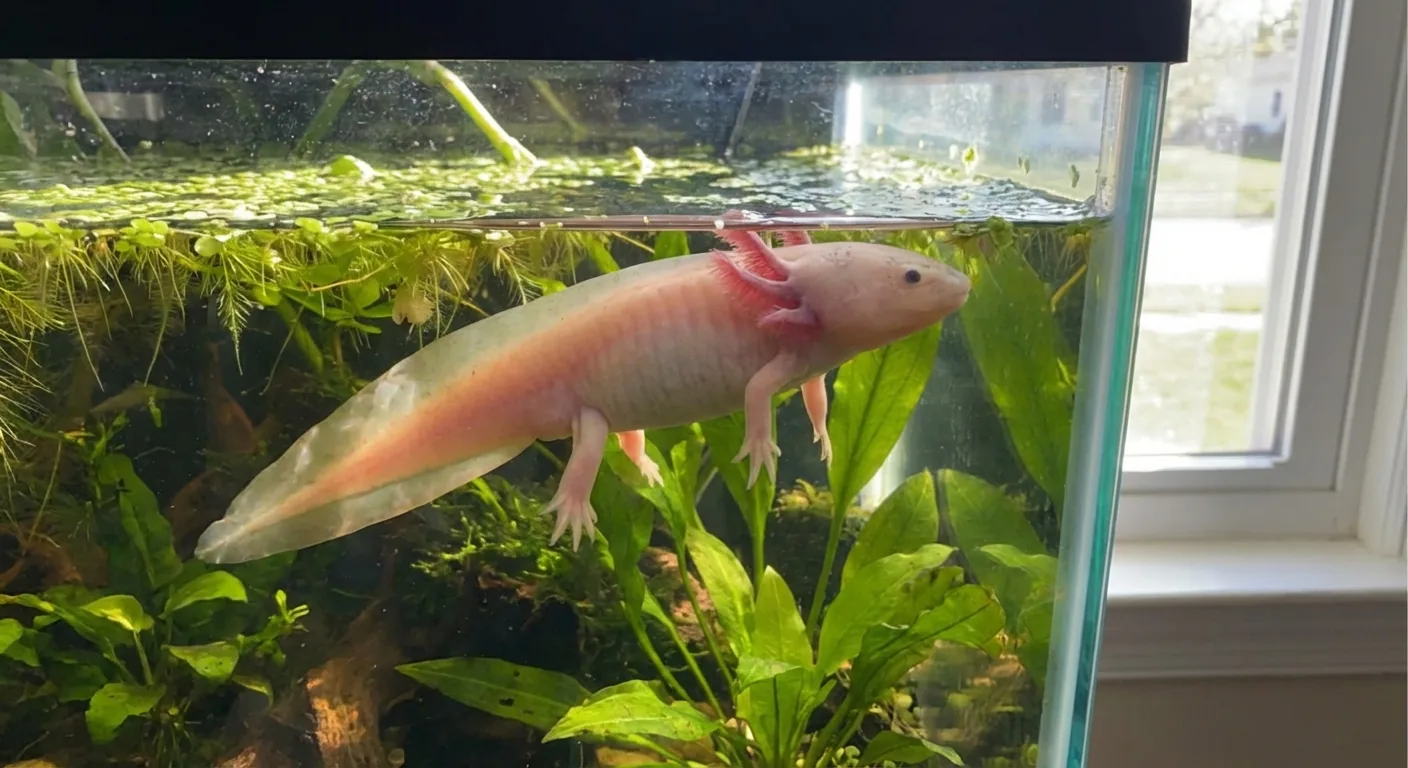
Axolotl floating direction is the first diagnostic. Head-up floating is the most common and usually indicates gas, impaction, or water-quality […]
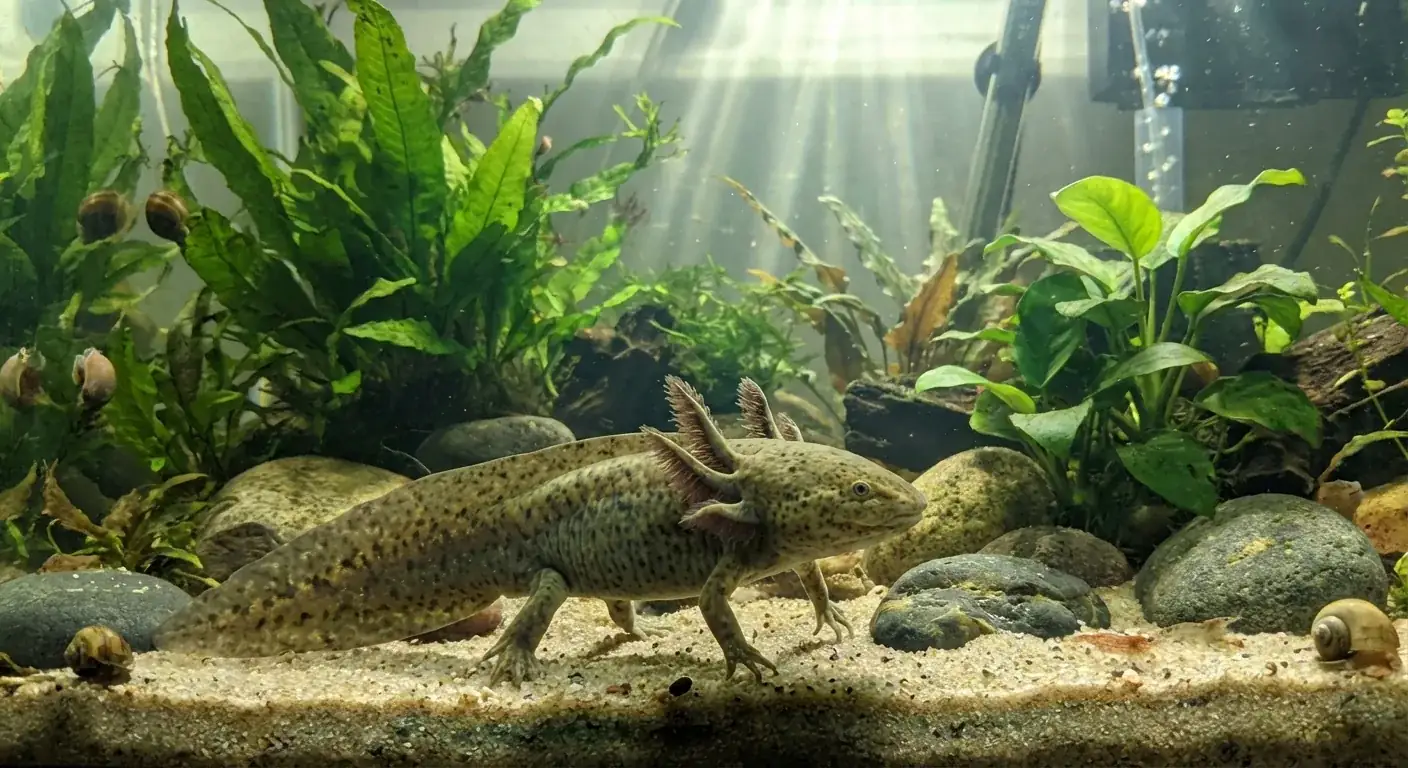
Axolotls communicate through body language not sound. Normal behavior includes long resting periods, gill flicking, occasional surface gulps, slow bottom […]