

Learn to identify axolotl illness and prevent them from happening again. Remedies and solutions can be found here.

Axolotls are obligate carnivores that eat earthworms, sinking soft pellets, bloodworms, blackworms, brine shrimp, and daphnia. Nightcrawler earthworms are the gold-standard staple. Avoid feeder...
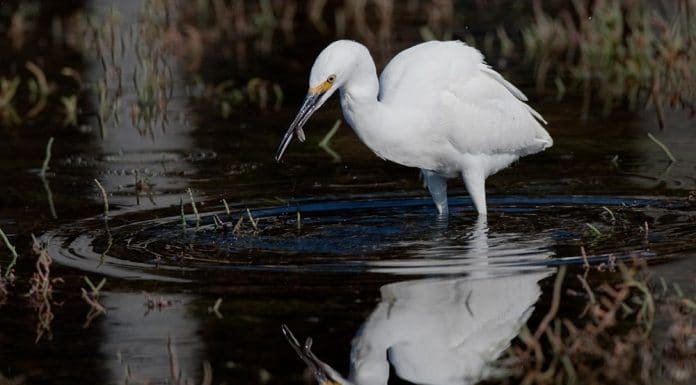
In the wild, axolotls face introduced fish, water birds, and a few native hunters in their Xochimilco home. The biggest threat by far is...
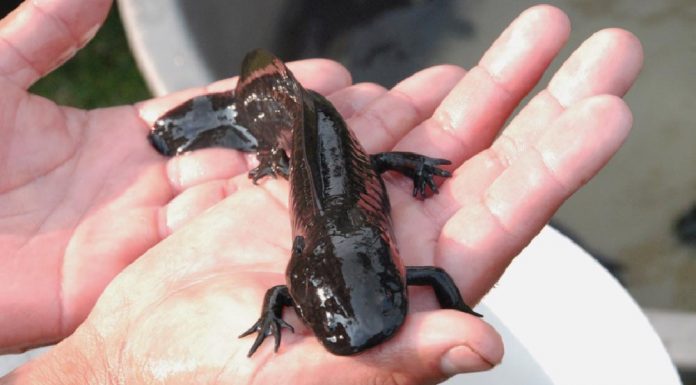
No, axolotls cannot live out of water. They are obligate aquatic neotenic salamanders that depend on water for skin-based respiration, gill function, and skin...
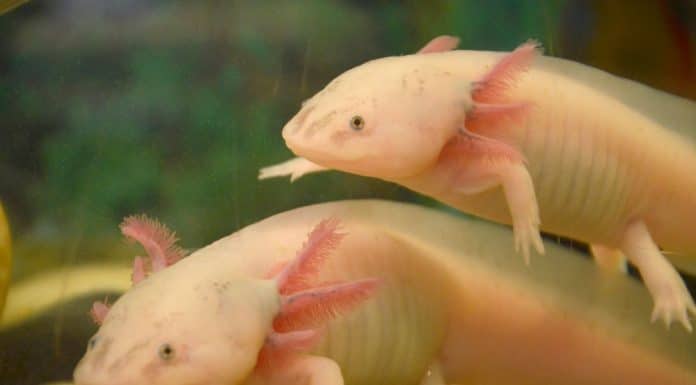
The honest default is solo housing. Axolotls eat any tank-mate they can swallow, fish nip at their feathery gill filaments, and tropical fish need...
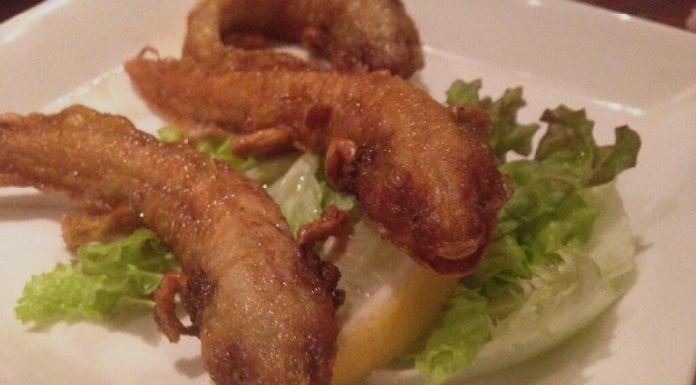
The wild axolotl is critically endangered because its only home, the canals of Xochimilco near Mexico City, has been drained, polluted, and overrun by...
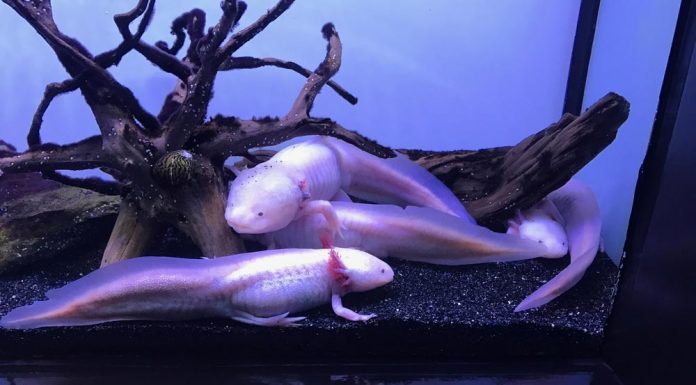
Breeding axolotls means pairing two healthy, unrelated adults over 18 months old, conditioning them with a cooling and light cycle, and then managing a...
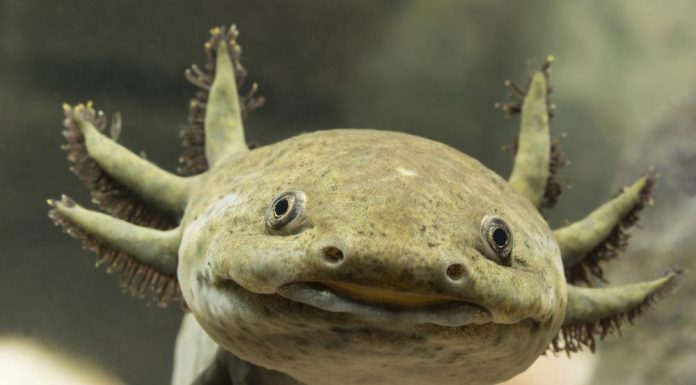
Axolotls come from one place in the wild: the canals around Xochimilco, near Mexico City. They are salamanders that never grow up, keeping their...
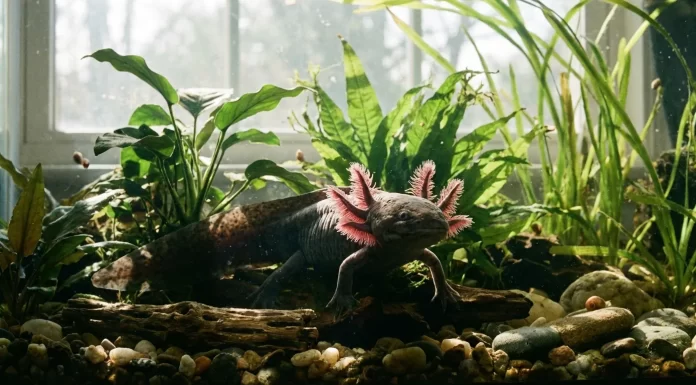
An axolotl needs a cycled cold-water tank, fine-sand or bare-bottom substrate, a stable 60 to 68 degree Fahrenheit temperature, and a vet plan before...
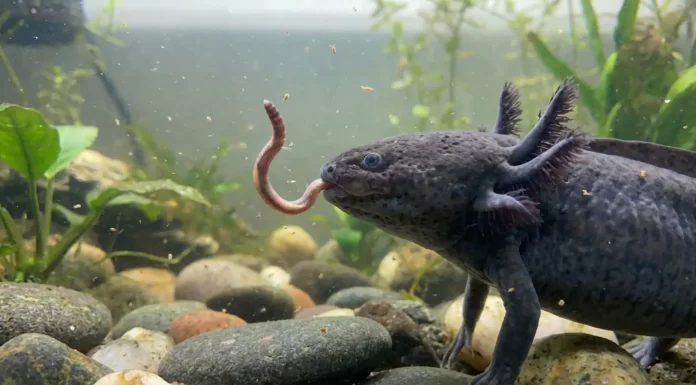
An axolotl's feeding schedule changes substantially as the animal grows. A half-inch hatchling needs live food multiple times per day; a full-grown adult over...