

A missed meal is rarely an emergency, but more than 72 hours of refusal is a medical concern. The eight-cause matrix covers water quality,...
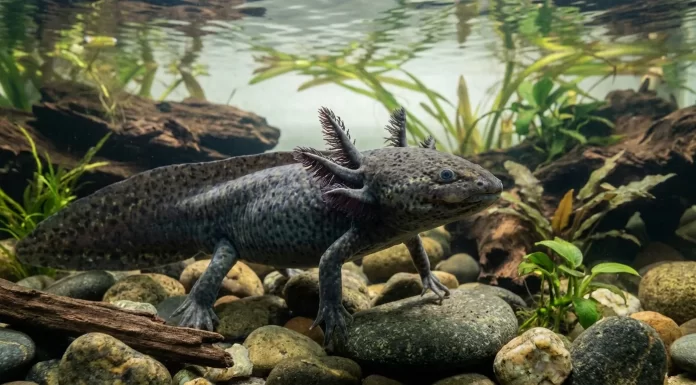
Axolotls regenerate limbs, gills, tail, sections of spinal cord, portions of brain and heart through a blastema-driven process anchored in their paedomorphic neoteny biology....
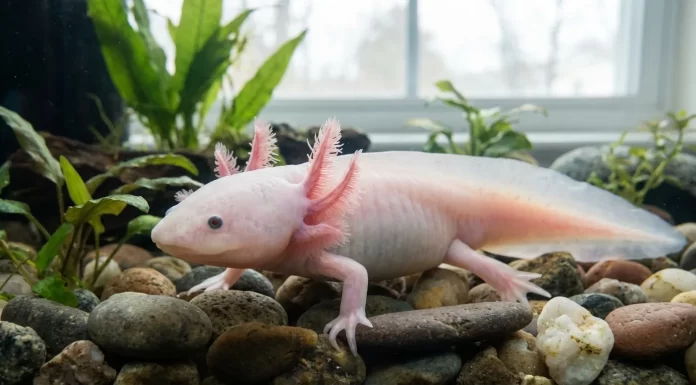
Fungal infections on axolotls present as three-dimensional white cotton-like tufts on gills, skin, or wound sites. Bacterial infections look flat and slimy by contrast....
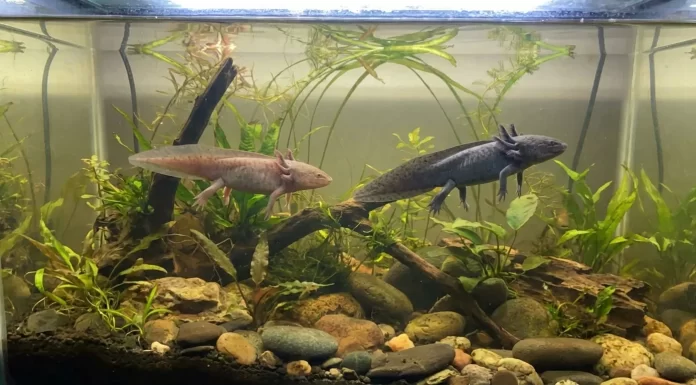
Yes, axolotls can live together, but only under tight conditions, and a single animal is always the safest choice. Cohabitation works when the axolotls...
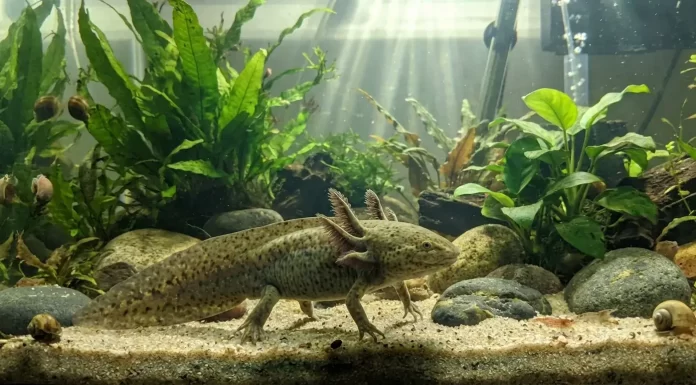
Axolotls communicate through body language not sound. Normal behavior includes long resting periods, gill flicking, occasional surface gulps, slow bottom walking, and food-motivated response....
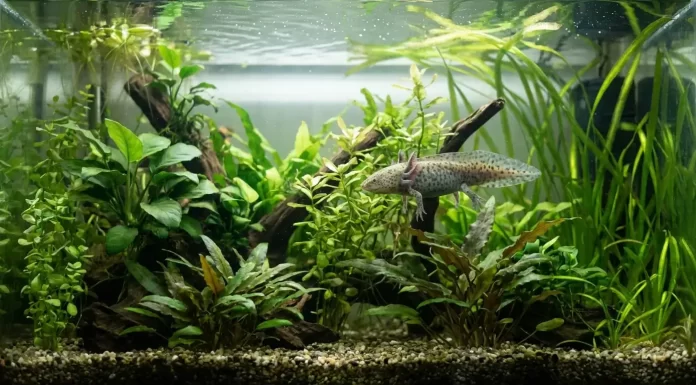
Live plants help axolotl tanks through nitrate uptake, dissolved oxygen contribution, visual enrichment, and bacterial colonization surface. Cool-water and low-light tolerance filters out most...
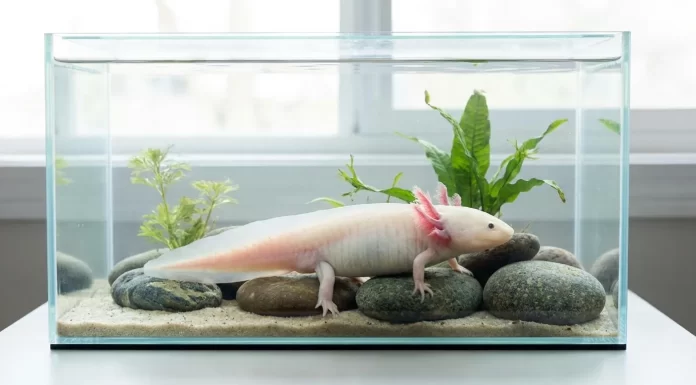
An established axolotl tank needs a 20 to 25 percent partial water change once per week, with a 50 percent weekly change as a...
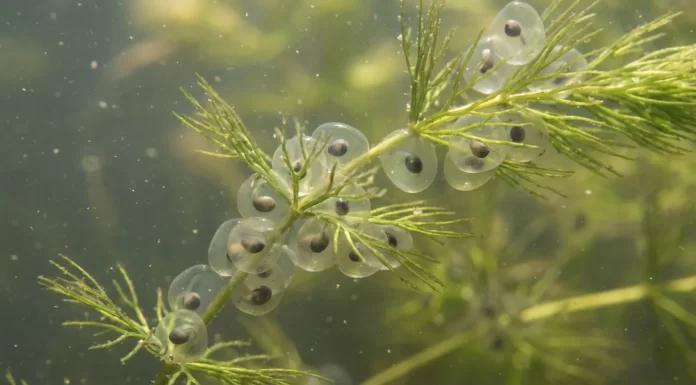
Caring for axolotl eggs means moving the clutch into a clean, shallow, dechlorinated container away from the parents, holding it at a steady 16...
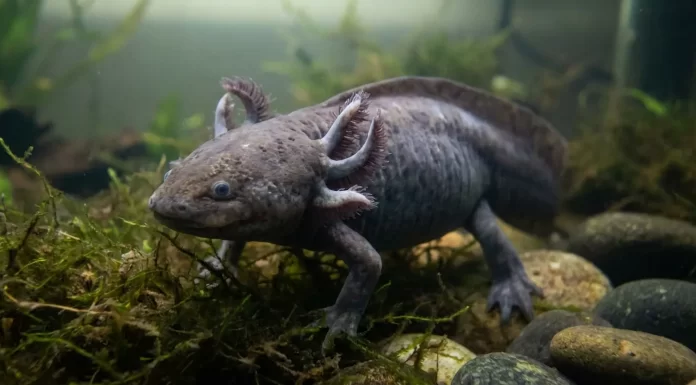
Every visible axolotl stress sign maps to an environmental cause. Water quality is the number-one cause in the majority of cases. Test ammonia, nitrite,...
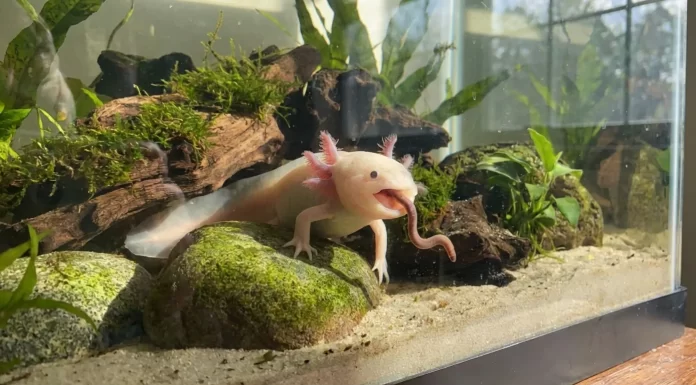
The body-width rule sizes axolotl meals. Each food item should be no wider than the distance between the eyes. Total meal volume should leave...