

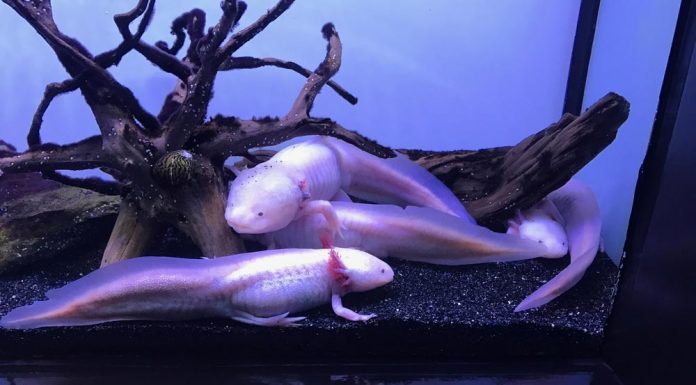
Breeding axolotls means pairing two healthy, unrelated adults over 18 months old, conditioning them with a cooling and light cycle, and then managing a...
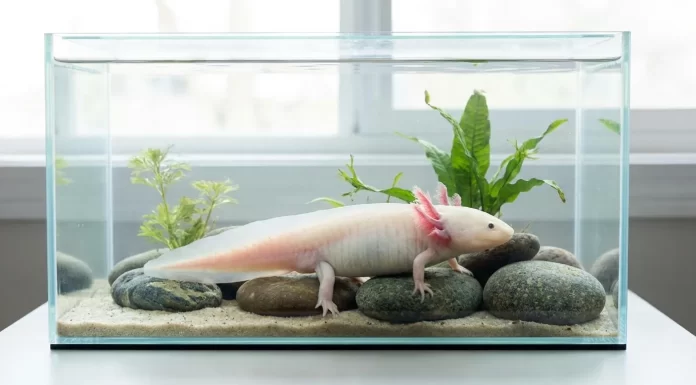
An established axolotl tank needs a 20 to 25 percent partial water change once per week, with a 50 percent weekly change as a...
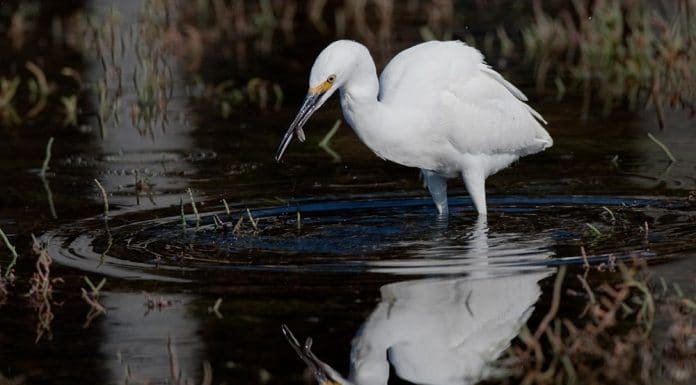
In the wild, axolotls face introduced fish, water birds, and a few native hunters in their Xochimilco home. The biggest threat by far is...
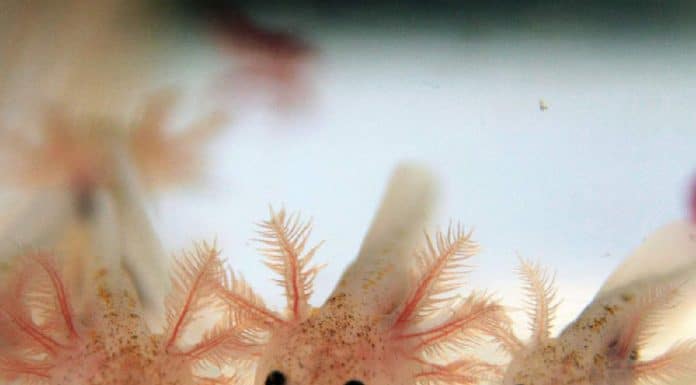
Axolotls are genuinely rewarding pets for the right keeper, but they are not the effortless aquatic curiosities that social media clips suggest. They are...
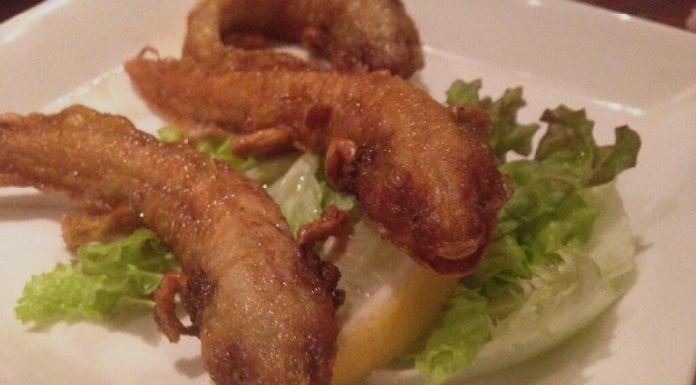
The wild axolotl is critically endangered because its only home, the canals of Xochimilco near Mexico City, has been drained, polluted, and overrun by...
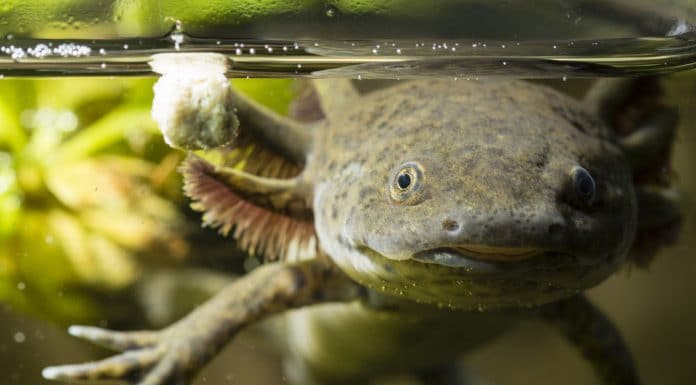
Learn to identify axolotl illness and prevent them from happening again. Remedies and solutions can be found here.
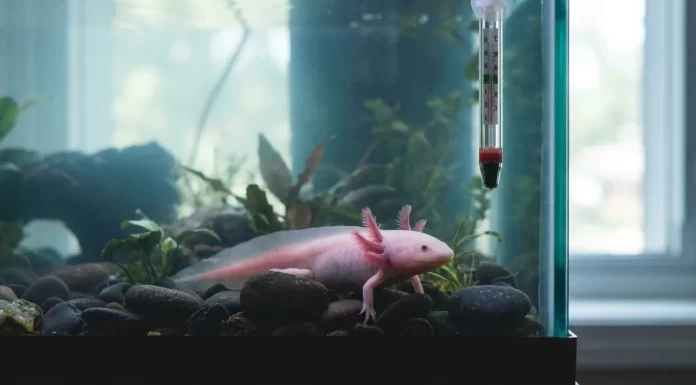
The ideal water temperature for axolotls is 60 to 64 degrees Fahrenheit (16 to 18 degrees Celsius) per Axolotl.org, with a tolerable range up...
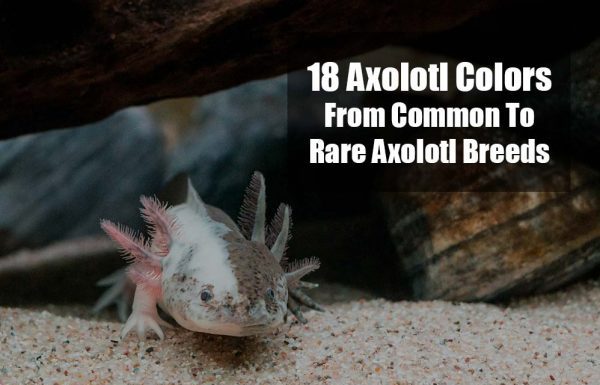
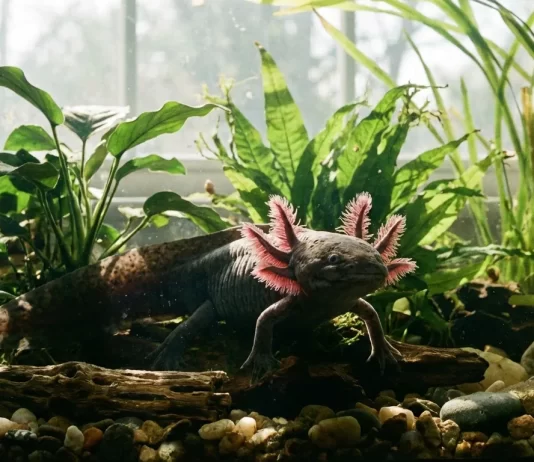
Axolotl color comes from three pigment cell types in the skin: melanophores for black and brown, xanthophores for yellow and red, and iridophores for...
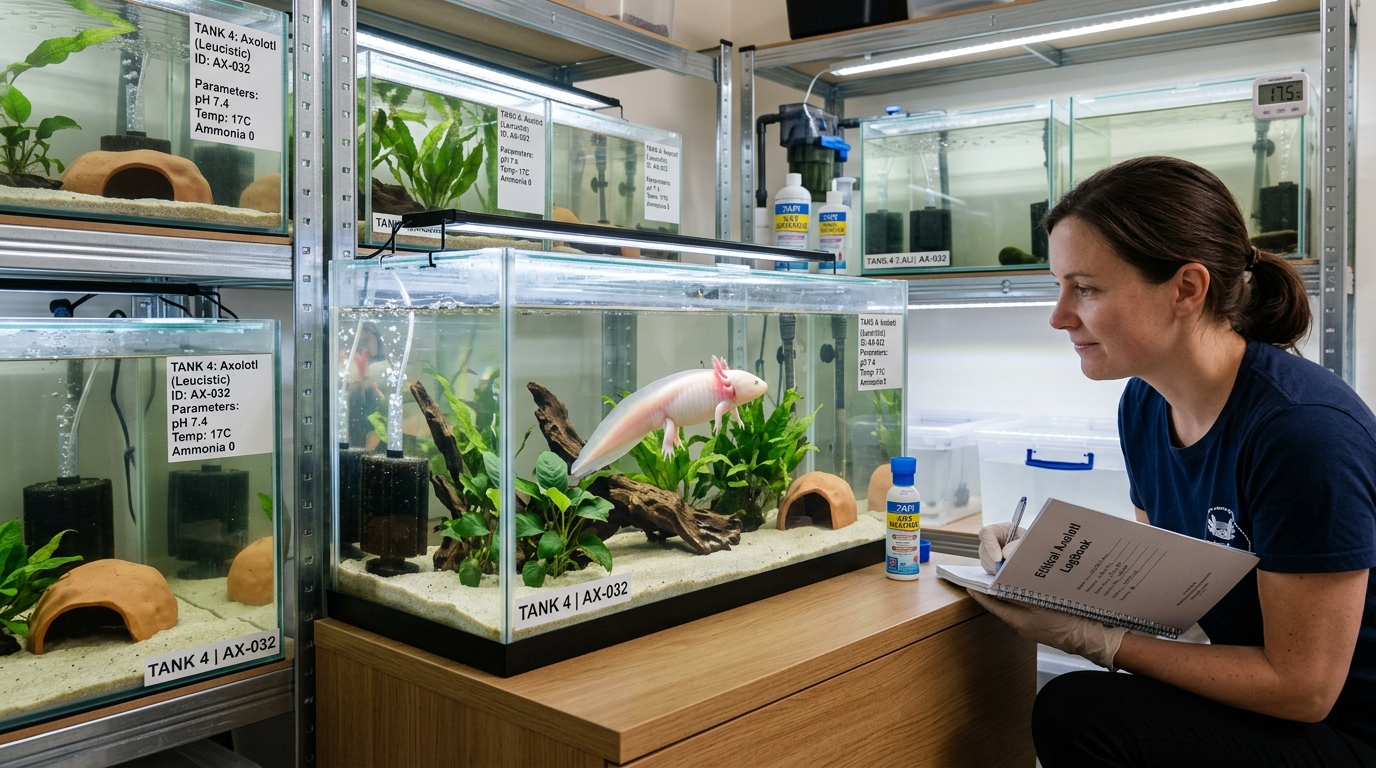
Source your axolotl from a captive-bred breeder who keeps lineage records, screens for disease, and answers your questions, never from the wild and rarely...
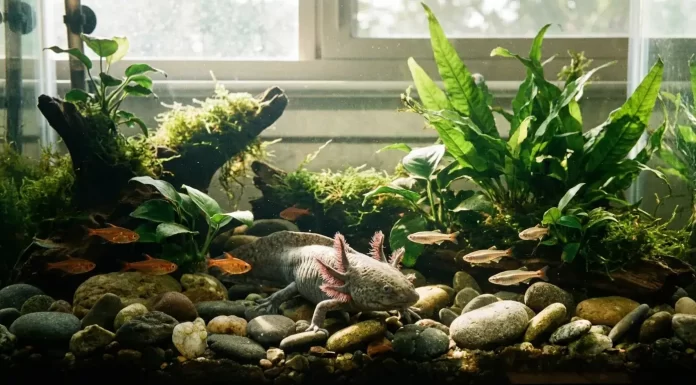
No, axolotls should not live with fish. Almost every fish either nips an axolotl's delicate gills, carries disease, gets eaten and causes a dangerous...