

Most axolotls on a varied whole-prey diet do not need vitamin or mineral supplements. Earthworms plus quality sinking pellets plus occasional treats cover nutritional...
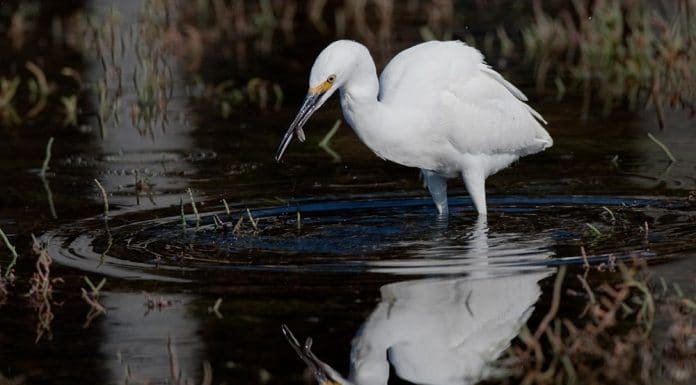
In the wild, axolotls face introduced fish, water birds, and a few native hunters in their Xochimilco home. The biggest threat by far is...
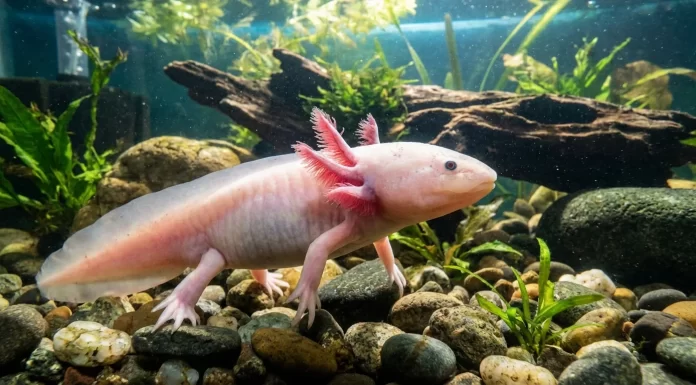
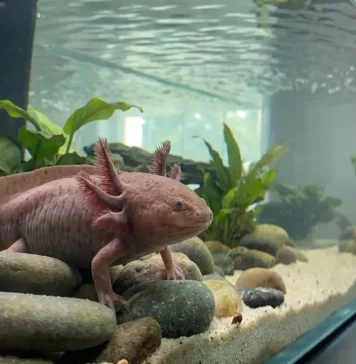
Axolotls need water at 60 to 68 degrees Fahrenheit, optimum 60 to 64. If your room regularly exceeds 74 degrees in a humid climate...
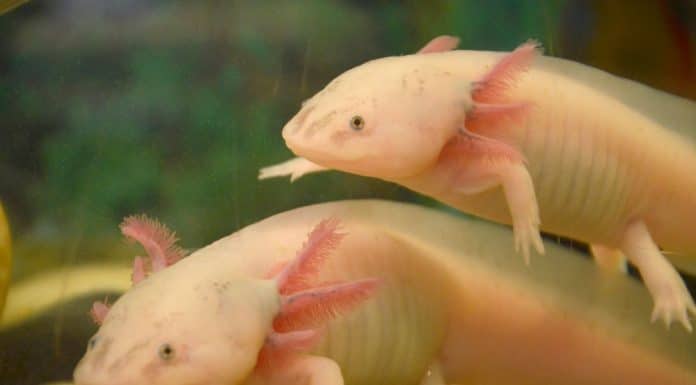
The honest default is solo housing. Axolotls eat any tank-mate they can swallow, fish nip at their feathery gill filaments, and tropical fish need...
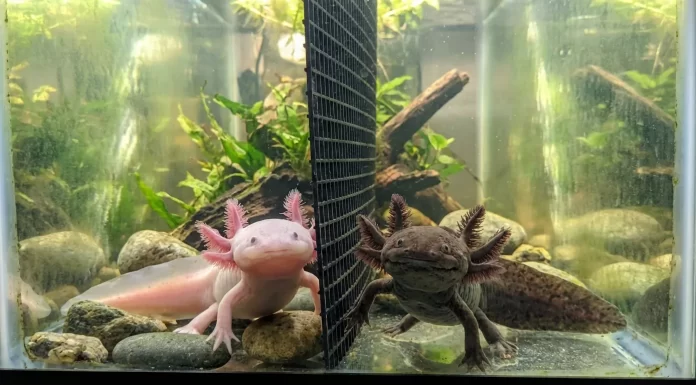
Axolotls eat each other because of a movement-triggered suction reflex, not aggression. Their poor eyesight means a tank mate's gill or toe reads the...
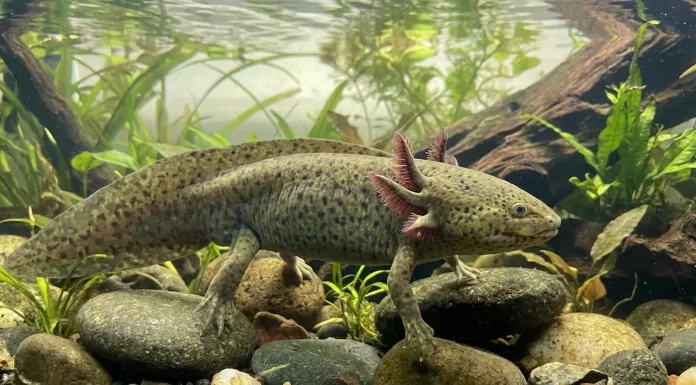
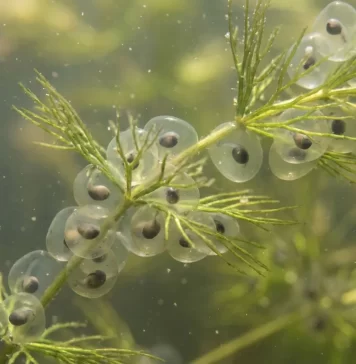
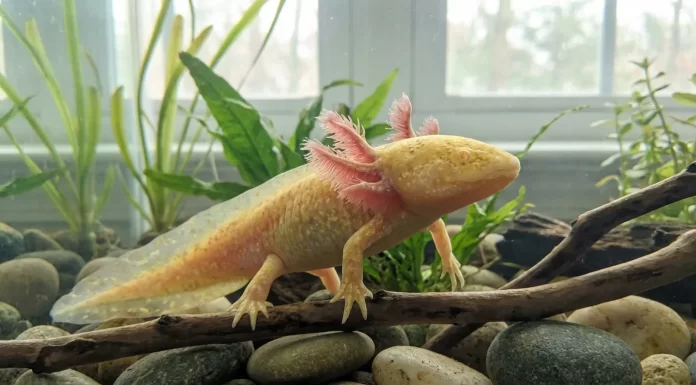
Line breeding means pairing related axolotls on purpose to lock in a color morph or trait. Hobbyists do it because crossing siblings fixes a...
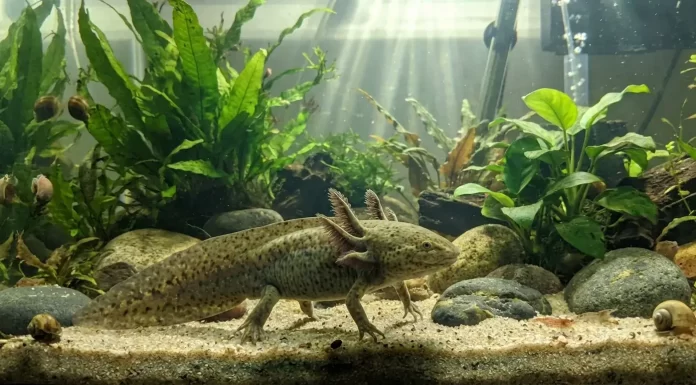
Axolotls communicate through body language not sound. Normal behavior includes long resting periods, gill flicking, occasional surface gulps, slow bottom walking, and food-motivated response....
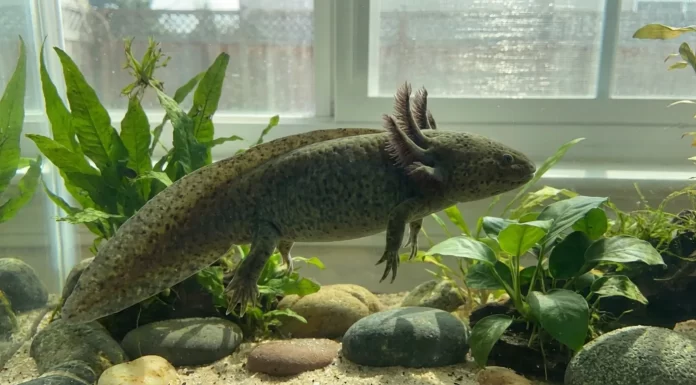
Obesity in captive axolotls develops gradually from feeding-pattern mistakes: portions too large, meals too frequent, or high-fat treats offered too often. The BCS 1-to-5...
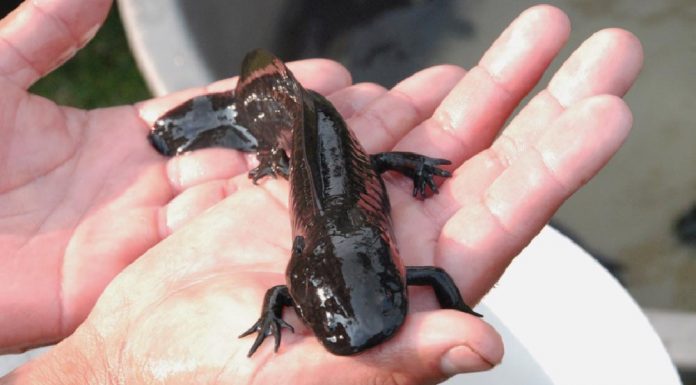
No, axolotls cannot live out of water. They are obligate aquatic neotenic salamanders that depend on water for skin-based respiration, gill function, and skin...
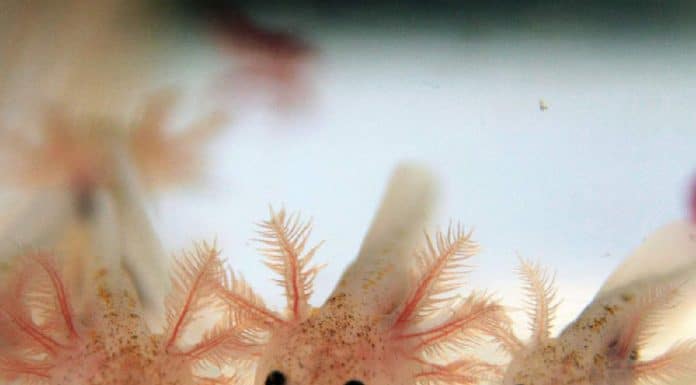
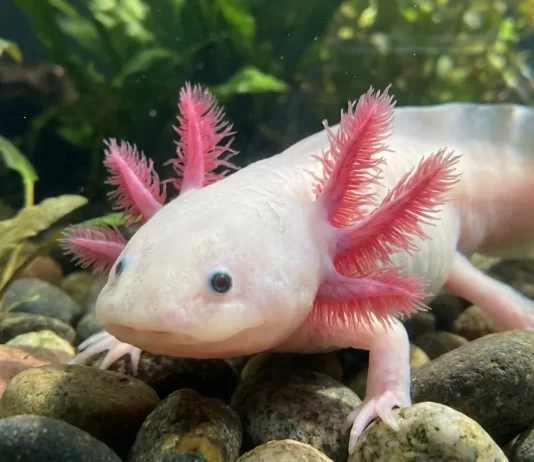
Axolotls are genuinely rewarding pets for the right keeper, but they are not the effortless aquatic curiosities that social media clips suggest. They are...