

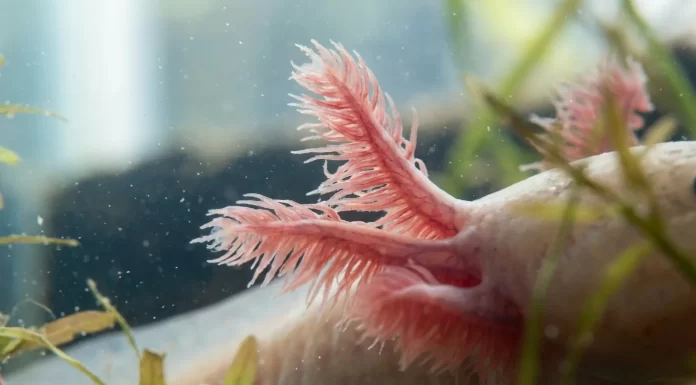
Gill curl direction is the first diagnostic. Forward curl is the most common pattern and per Axolotl.org/health verbatim "Forward-turned gills are typical of an...
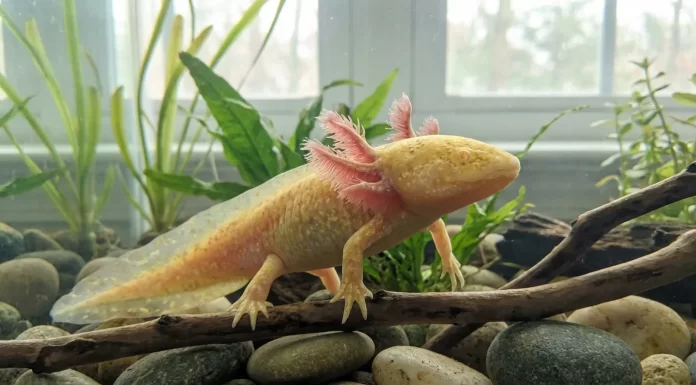
Most axolotls on a varied whole-prey diet do not need vitamin or mineral supplements. Earthworms plus quality sinking pellets plus occasional treats cover nutritional...
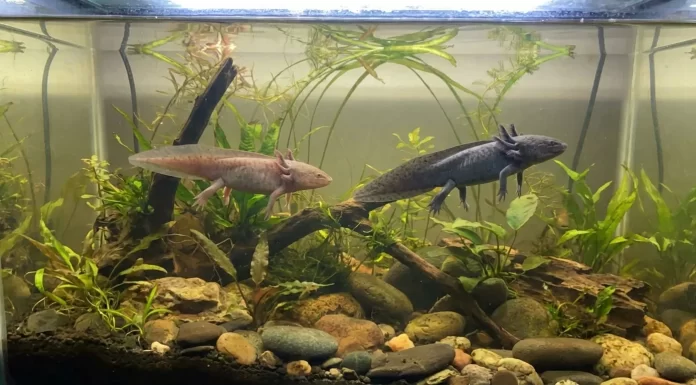
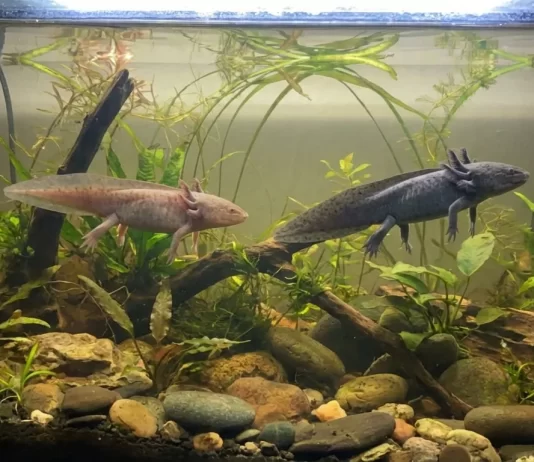
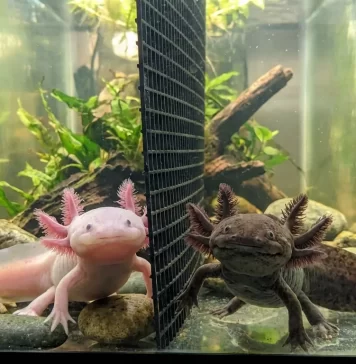
Yes, axolotls can live together, but only under tight conditions, and a single animal is always the safest choice. Cohabitation works when the axolotls...

Axolotls are obligate carnivores that eat earthworms, sinking soft pellets, bloodworms, blackworms, brine shrimp, and daphnia. Nightcrawler earthworms are the gold-standard staple. Avoid feeder...
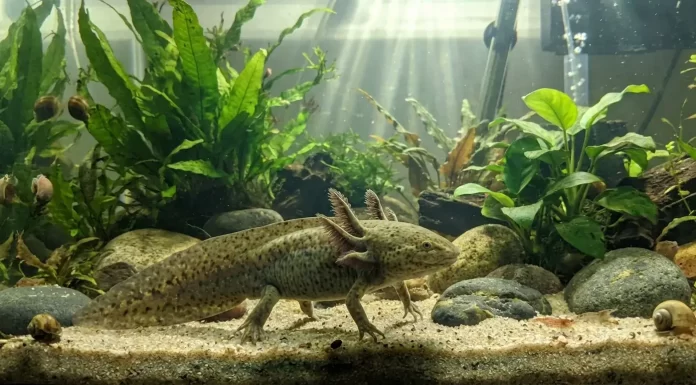
Axolotls communicate through body language not sound. Normal behavior includes long resting periods, gill flicking, occasional surface gulps, slow bottom walking, and food-motivated response....
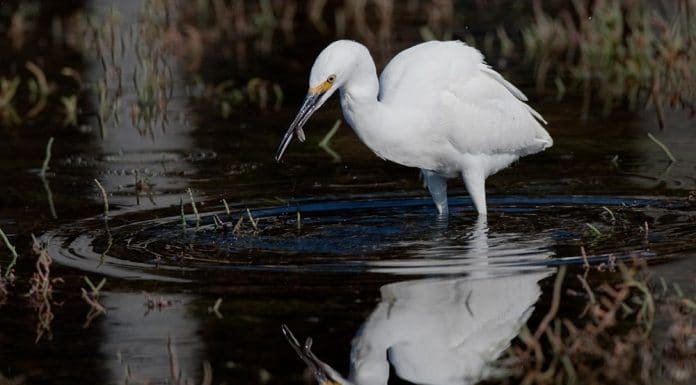
In the wild, axolotls face introduced fish, water birds, and a few native hunters in their Xochimilco home. The biggest threat by far is...
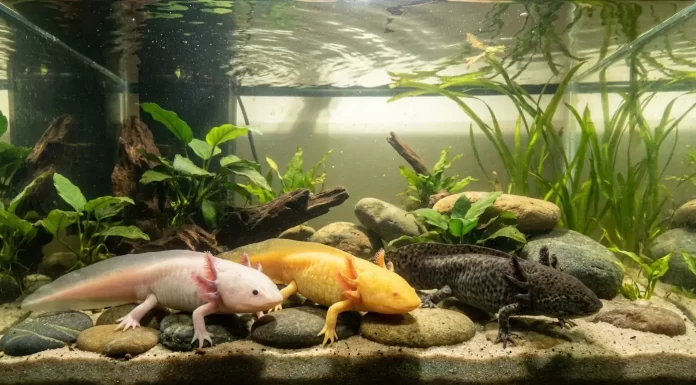
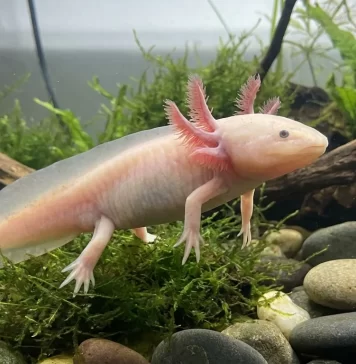
Axolotl color is inherited through ordinary gene rules. Each animal carries two copies of every color gene, one from each parent, and most color...
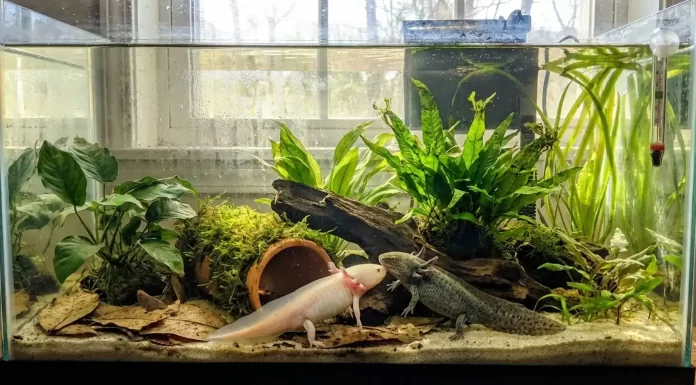
Axolotl breeding setup requires a dedicated 40-gallon tank, both adults at least 18 months old, the female over 30 cm in length, 3 to...
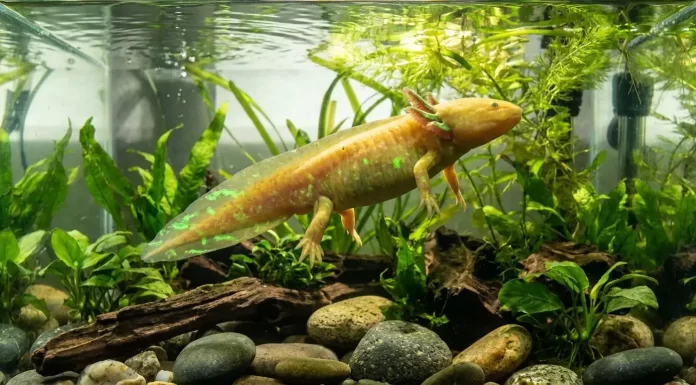
A GFP axolotl carries a jellyfish gene that makes its tissues glow green under blue or UV light. GFP stands for green fluorescent protein....
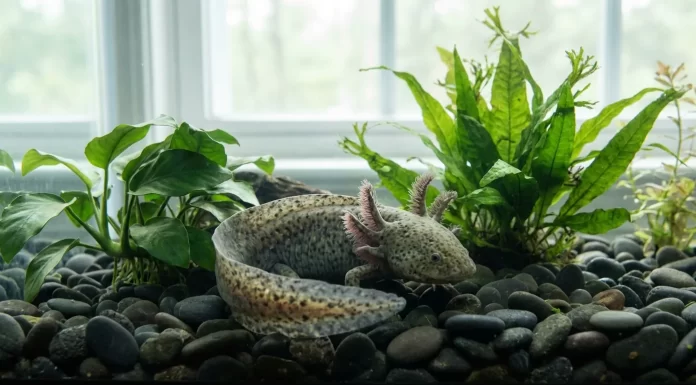
Axolotl daytime stillness is normal nocturnal rest if the animal responds to food, becomes active after dark, and shows normal coloring and posture. Concerning...