

A missed meal is rarely an emergency, but more than 72 hours of refusal is a medical concern. The eight-cause matrix covers water quality,...
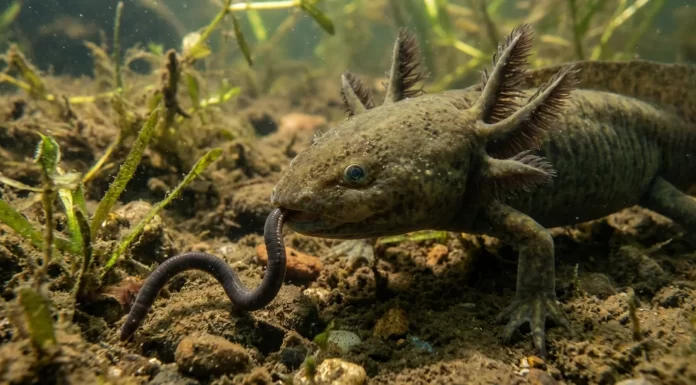
Live food can be a useful part of an axolotl diet, but not every live feeder is safe. The risk-tier sorts feeders into lower,...
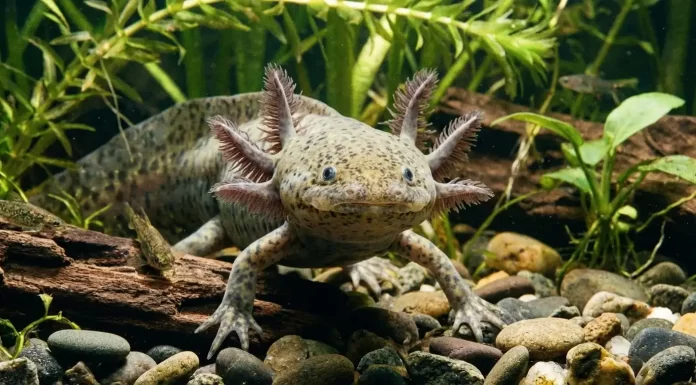
Not every axolotl symptom needs a vet. The severity matrix tells you which do. Categorical vet-immediate situations include seizure-like movements and loss of righting...
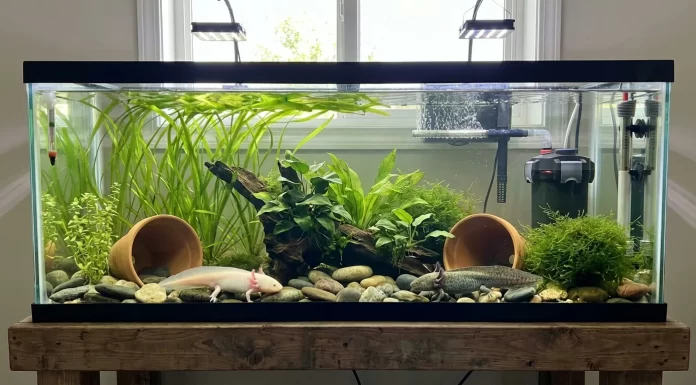
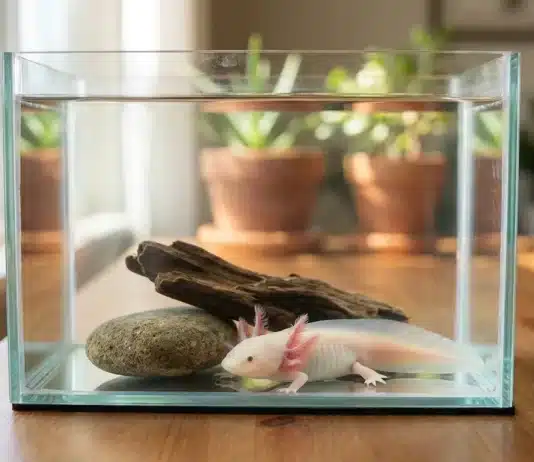
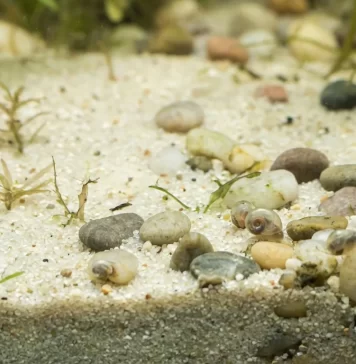
Setting up an axolotl tank correctly before the animal arrives prevents most early health emergencies. A complete setup requires a 20 to 40 gallon...
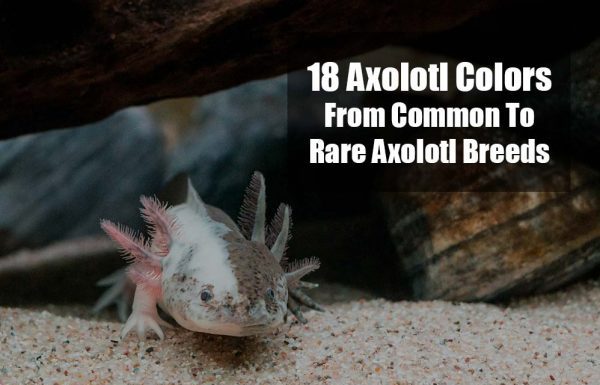
Axolotl color comes from three pigment cell types in the skin: melanophores for black and brown, xanthophores for yellow and red, and iridophores for...
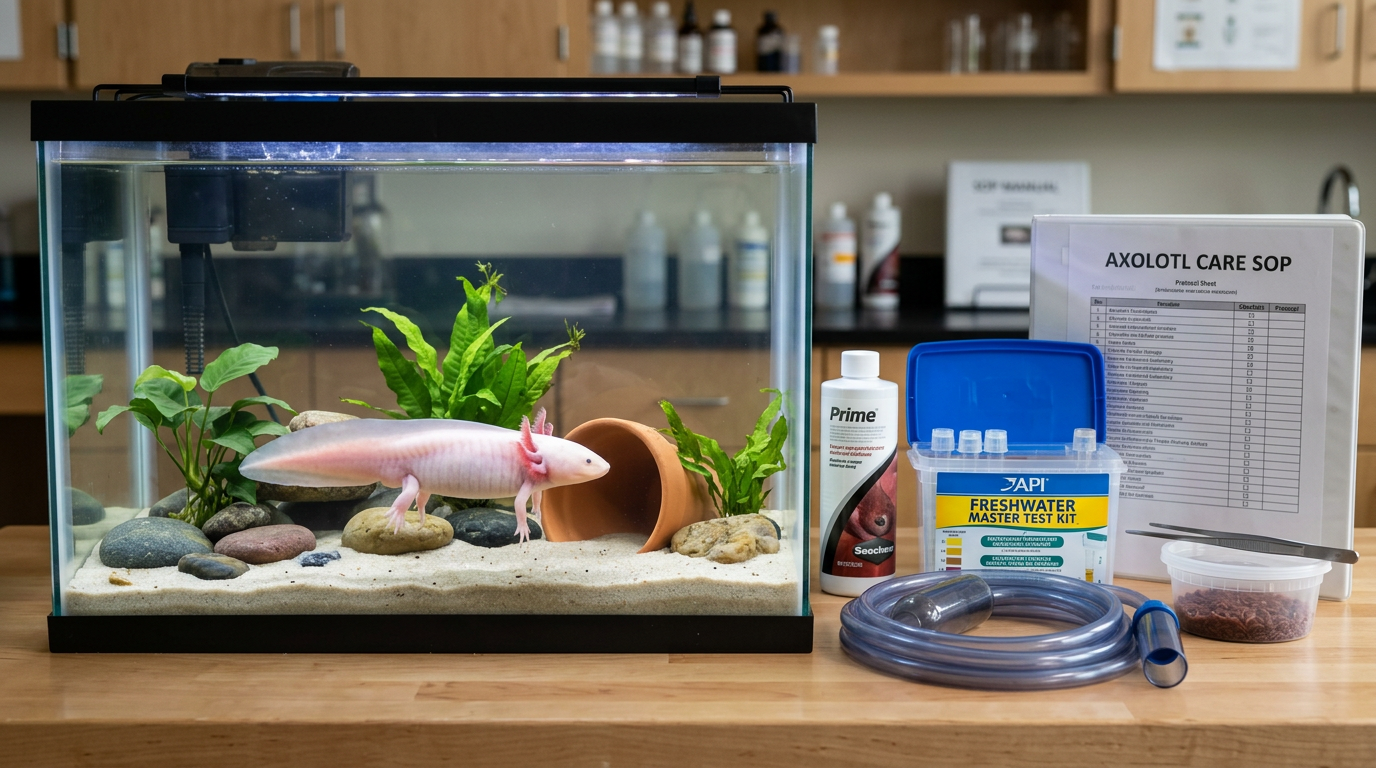
Axolotl husbandry is a repeating cycle of observation, testing, cleaning, and equipment verification that keeps water quality stable and catches health problems before they...
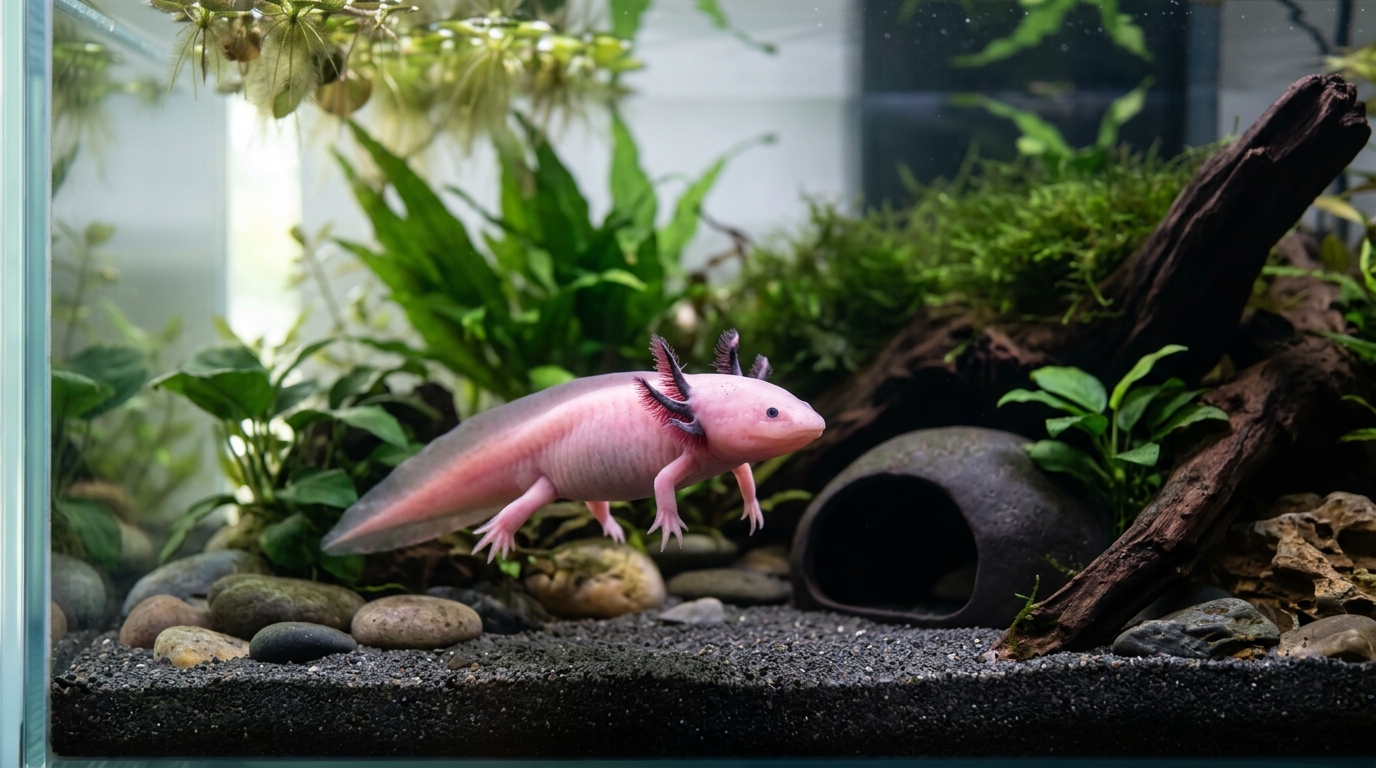
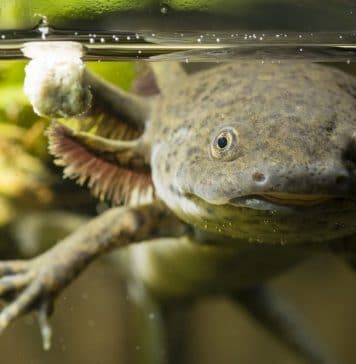
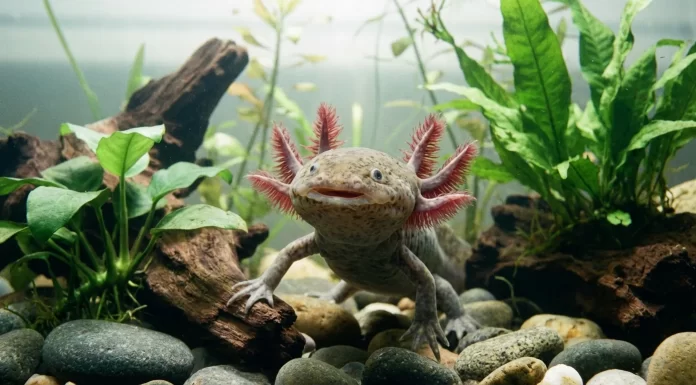
Axolotls are fully aquatic Mexican salamanders that retain their feathery external gills and larval body for life, live 10 to 15 years in well-managed...
Axolotls absorb chemicals through gill filaments and permeable skin, which makes untreated tap water dangerous. Chlorine burns gill tissue on contact. Chloramine releases free...
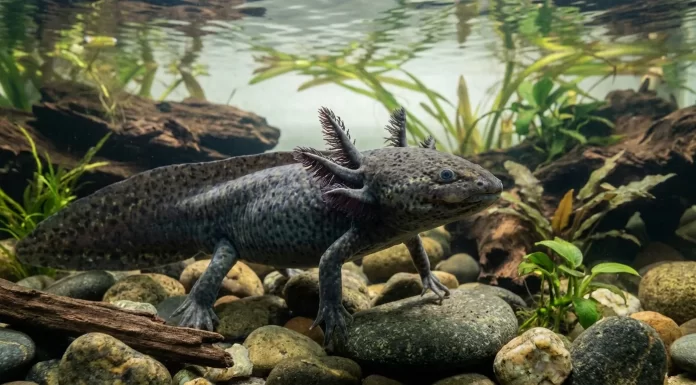
Axolotls regenerate limbs, gills, tail, sections of spinal cord, portions of brain and heart through a blastema-driven process anchored in their paedomorphic neoteny biology....
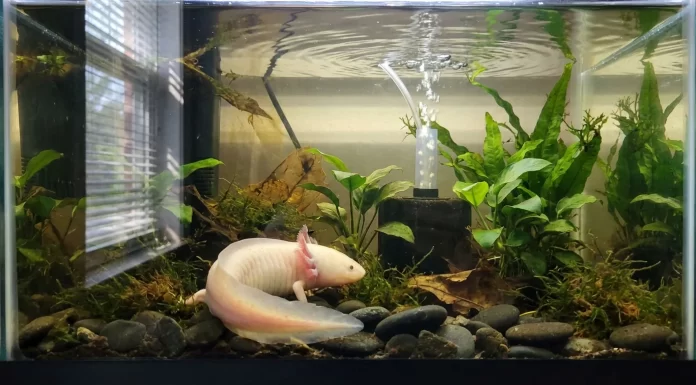
Axolotls need filtration that processes waste without creating strong current. Strong flow stresses benthic animals with external gill filaments, damages gill tissue, and can...