





Bearded dragons are the most popular pet lizard in the United States — and it’s easy to see why. They’re docile enough to handle...

The list of what bearded dragons can eat is genuinely long. But knowing the list isn’t enough on its own — the ratios, frequencies,...

For adult bearded dragons, vegetables and greens aren’t a garnish — they’re 70–80% of the diet. Getting this right means more than just avoiding...
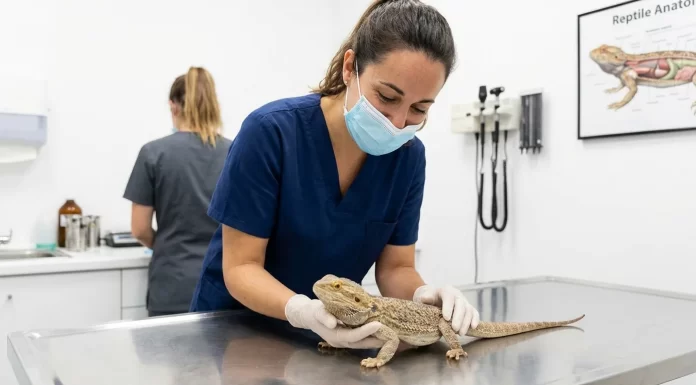
Metabolic bone disease is the most common serious illness in captive bearded dragons — and the most preventable. It develops slowly, often invisibly, until...

Substrate is one of the most argued topics in bearded dragon keeping — and most of the advice you’ll find online takes one of...

A bioactive enclosure is a functional ecosystem: the substrate, microorganisms, clean-up crew (CUC), and plants work together to process waste, maintain soil health, and...

Bearded dragons are unusually expressive for reptiles. Head bobs, arm waves, colour changes, specific postures — all of these are deliberate communication signals, and...
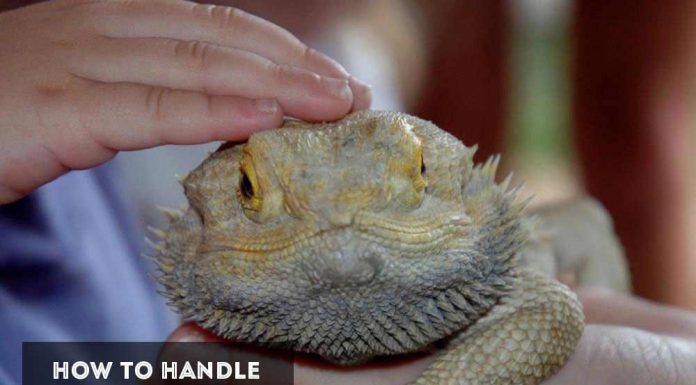
Bearded dragons have a well-earned reputation for being one of the most handleable reptiles. But that friendliness isn’t automatic — it’s built. A dragon...
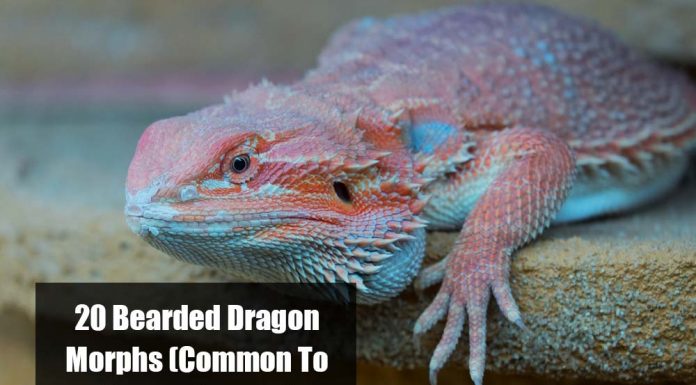
You’ve probably seen listings like “Hypo Leatherback Trans” or “Zero Dunner” and wondered what any of it means. Bearded dragon morph terminology can read...
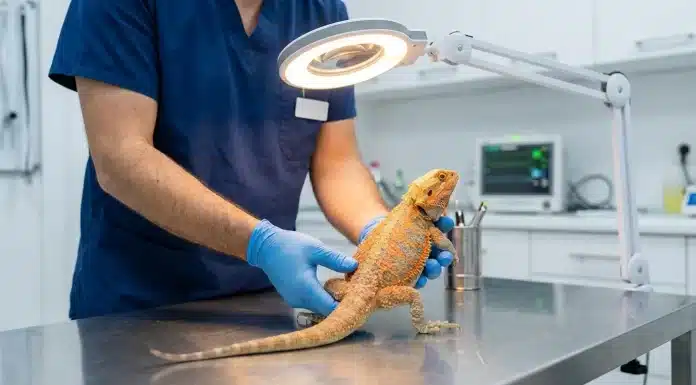
A common misconception among bearded dragon owners is that any parasites found in a faecal test mean something is seriously wrong. In reality, low...