



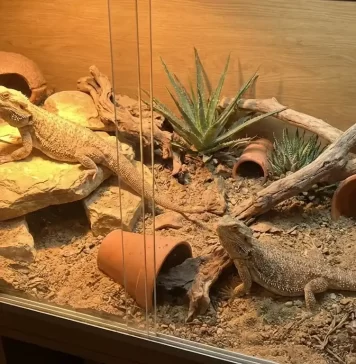
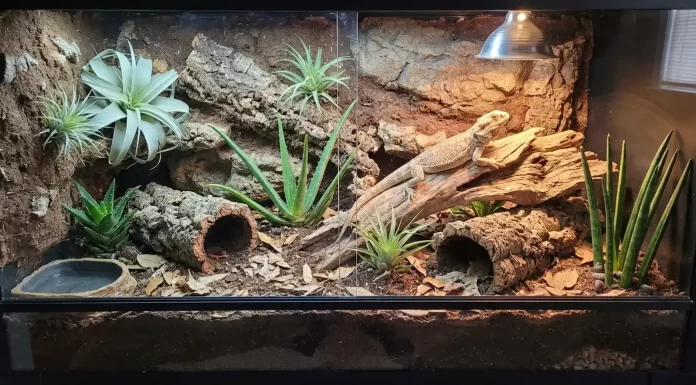
A bioactive enclosure is a functional ecosystem: the substrate, microorganisms, clean-up crew (CUC), and plants work together to process waste, maintain soil health, and...
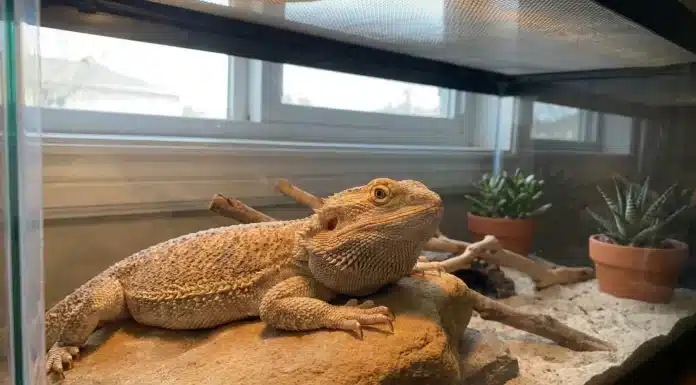
Your adult bearded dragon has barely moved in three days. It won’t eat. It barely opens its eyes. Is it brumating — or is...
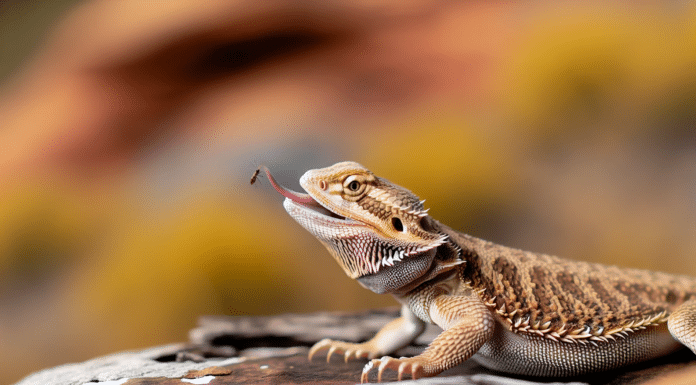
When people ask about “types of bearded dragons,” they usually mean one of two things: the different biological species within the genus Pogona, or...

When you feed a cricket to your bearded dragon, you’re also feeding it whatever that cricket last ate. If the cricket has been sitting...
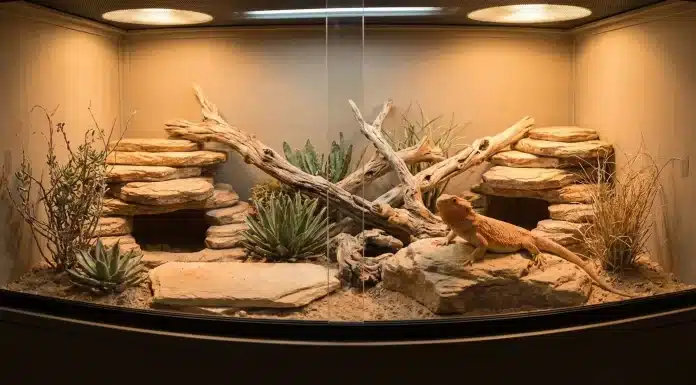
The single most common setup mistake among new bearded dragon owners isn’t the wrong UVB bulb. It’s the wrong enclosure size. A 40-gallon aquarium...
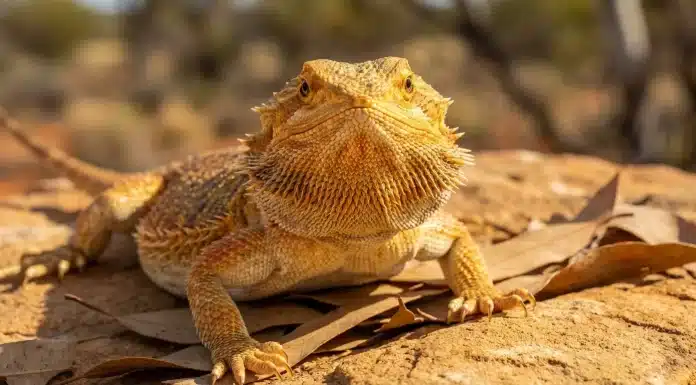
Most bearded dragon vet bills in the first 90 days of ownership trace back to a single moment: picking an animal without knowing what...
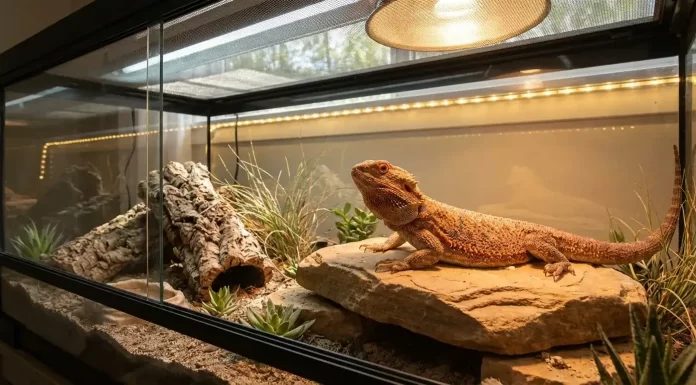
Bearded dragons are the most popular pet lizard in the United States — and it’s easy to see why. They’re docile enough to handle...
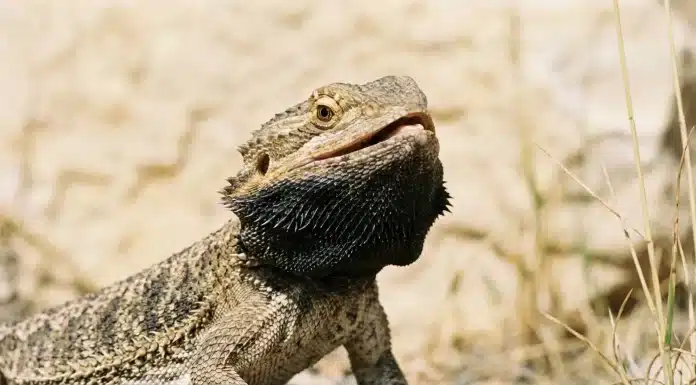
A bearded dragon’s beard turning black is one of the most visible and frequently misunderstood signals in reptile keeping. Most of the time, it’s...
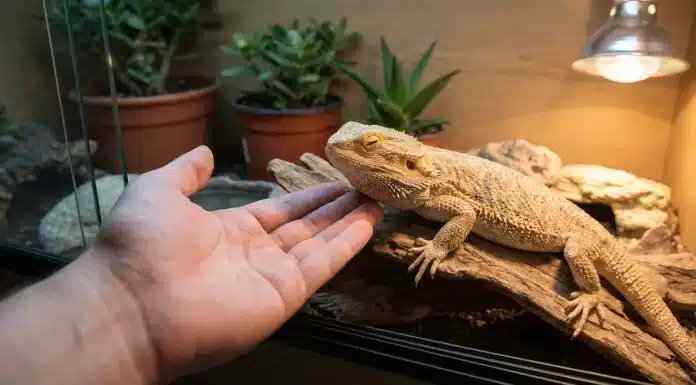
You reach into the enclosure and your dragon puffs up, darkens its beard, and flattens itself against the back wall. Or maybe it runs,...
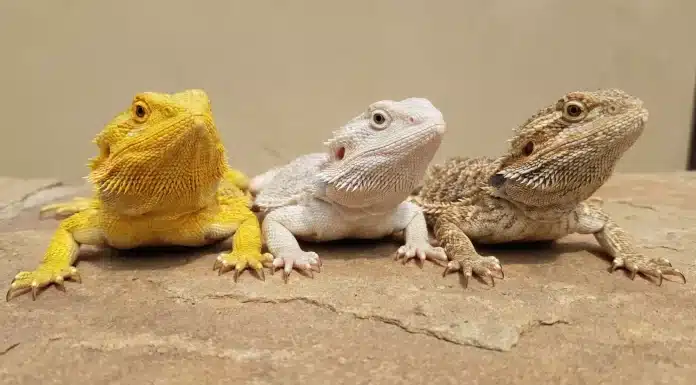
Understanding bearded dragon genetics is the difference between breeding randomly and breeding deliberately. If you’ve ever wondered what percentage of a clutch will be...