





The basking light isn’t just a heat source — it’s the thermoregulation engine of the entire enclosure. A bearded dragon that can’t reach the...

Dragons often eat fruit eagerly — and that enthusiasm can mislead new owners into offering it too often. Most fruits have poor calcium-to-phosphorus ratios...
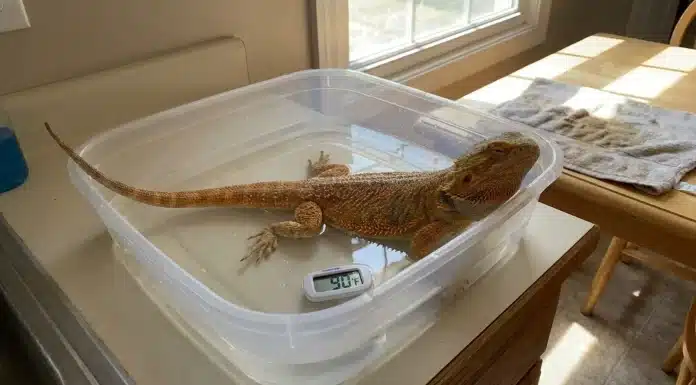
Impaction is a digestive blockage — indigestible material accumulates in the intestinal tract until the dragon cannot pass it on its own. Here is...

Most lighting guides hand you a number — “12 hours on, 12 hours off” — and leave it there. That baseline gets the job...
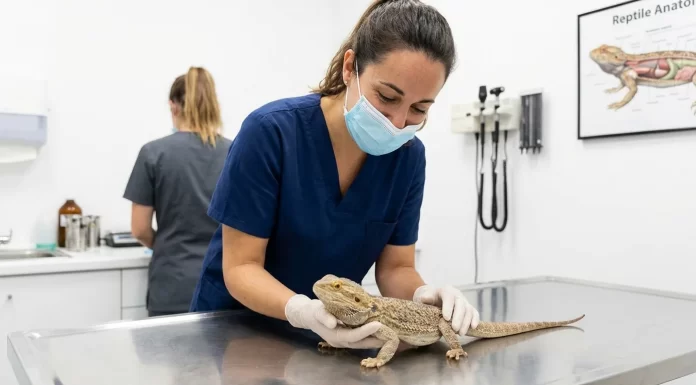
Metabolic bone disease is the most common serious illness in captive bearded dragons — and the most preventable. It develops slowly, often invisibly, until...

Temperature problems are one of the most common emergency questions in bearded dragon communities — and they’re regularly missed in the early stages because...

Appetite loss is one of the most common concerns bearded dragon owners bring to forums, vets, and search engines — and it spans everything...

Pet stores house them side by side. Breeders pair them for reproduction. The internet has plenty of photos of two dragons piled in the...

Understanding bearded dragon genetics is the difference between breeding randomly and breeding deliberately. If you’ve ever wondered what percentage of a clutch will be...

Stuck shed is one of those problems that starts as an inconvenience and becomes a medical emergency if you’re not paying attention.
Most stuck shed...