


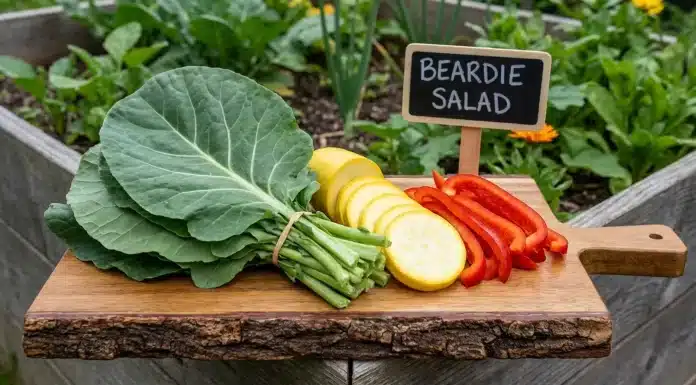
For adult bearded dragons, vegetables and greens aren’t a garnish — they’re 70–80% of the diet. Getting this right means more than just avoiding...
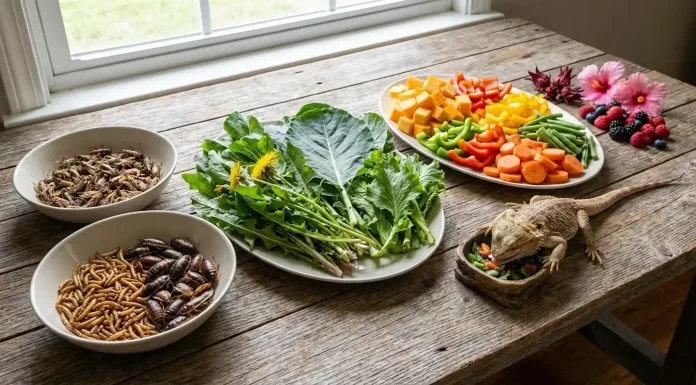
The list of what bearded dragons can eat is genuinely long. But knowing the list isn’t enough on its own — the ratios, frequencies,...
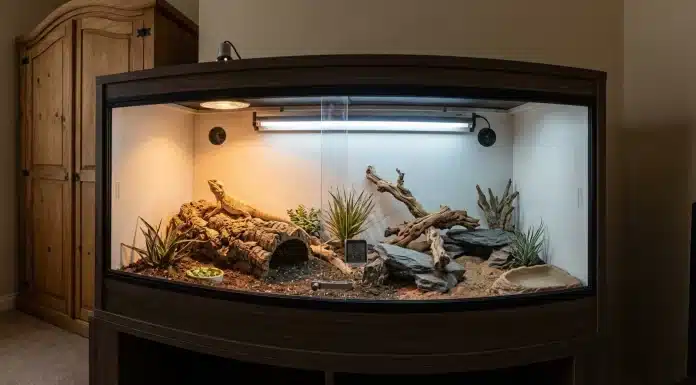
Most articles about bearded dragon costs lead with the purchase price — $50 to $100 for a hatchling from a pet store, maybe $300...
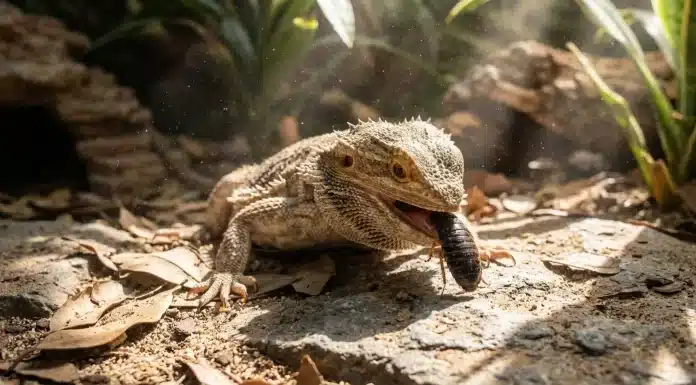
The insect you choose determines a big chunk of your dragon’s calcium balance and protein intake — and the wrong choice (crickets fed straight...
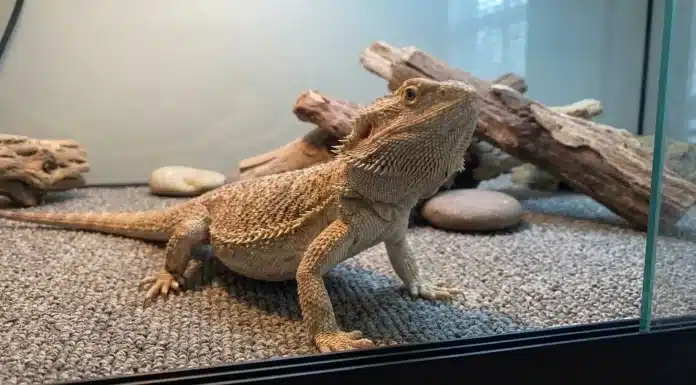
Substrate is one of the most argued topics in bearded dragon keeping — and most of the advice you’ll find online takes one of...
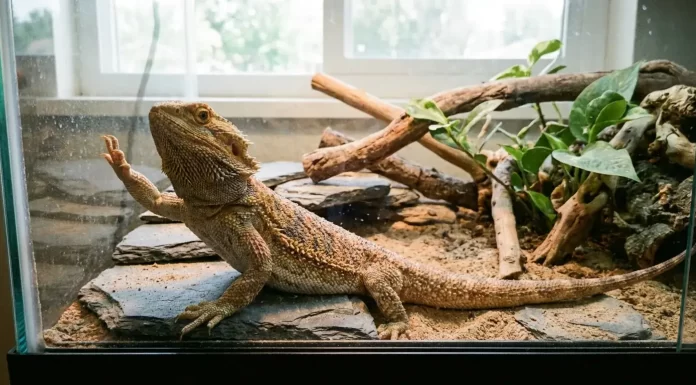
Bearded dragons are unusually expressive for reptiles. Head bobs, arm waves, colour changes, specific postures — all of these are deliberate communication signals, and...
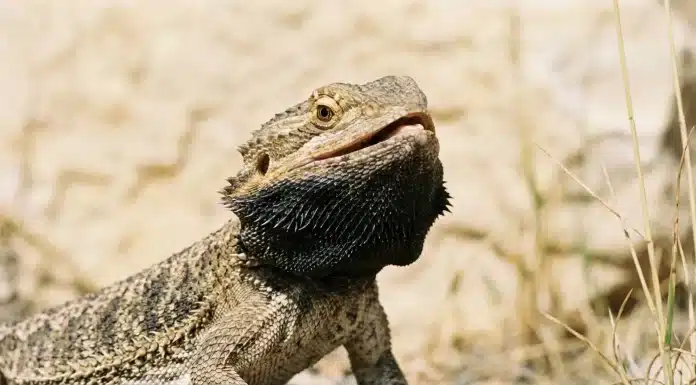
A bearded dragon’s beard turning black is one of the most visible and frequently misunderstood signals in reptile keeping. Most of the time, it’s...
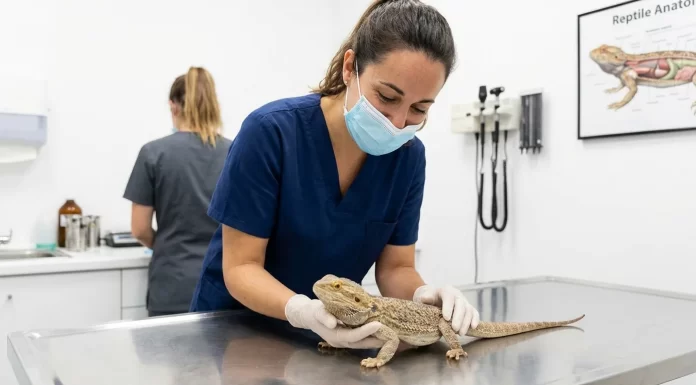
Metabolic bone disease is the most common serious illness in captive bearded dragons — and the most preventable. It develops slowly, often invisibly, until...
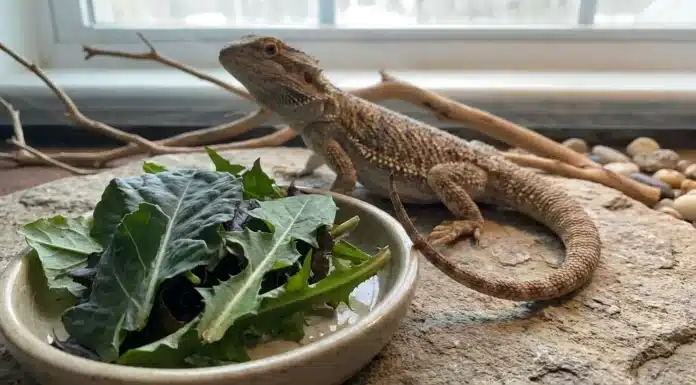
Most foods you’ll consider feeding a bearded dragon are safe. But a small number can cause serious harm — and a few can kill,...
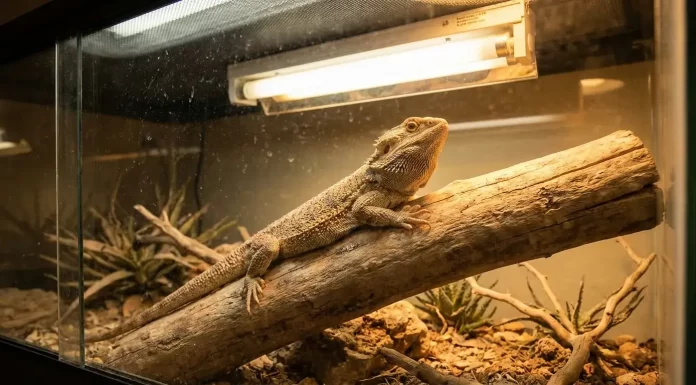
UVB deficiency is the most common cause of metabolic bone disease in captive bearded dragons. MBD is painful, progressive, and entirely preventable — and...