

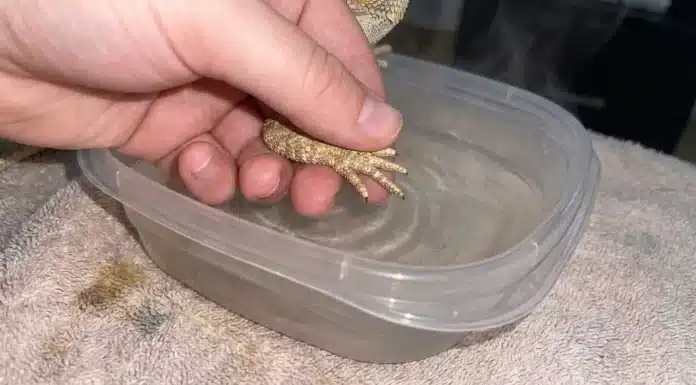
Stuck shed is one of those problems that starts as an inconvenience and becomes a medical emergency if you’re not paying attention.
Most stuck shed...
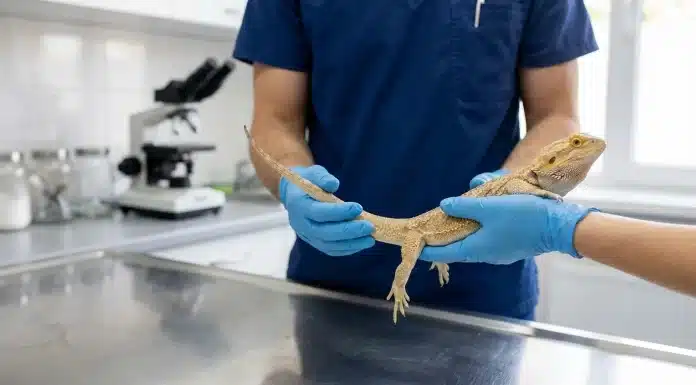
The blackening starts at the tip. Then it spreads upward, millimetre by millimetre, until there’s a visible line where living tissue ends and dying...
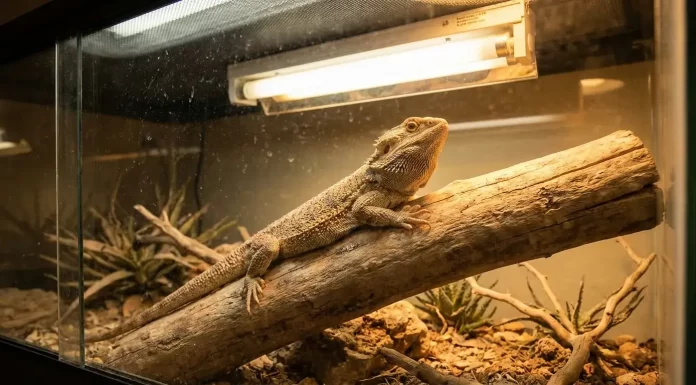
UVB deficiency is the most common cause of metabolic bone disease in captive bearded dragons. MBD is painful, progressive, and entirely preventable — and...
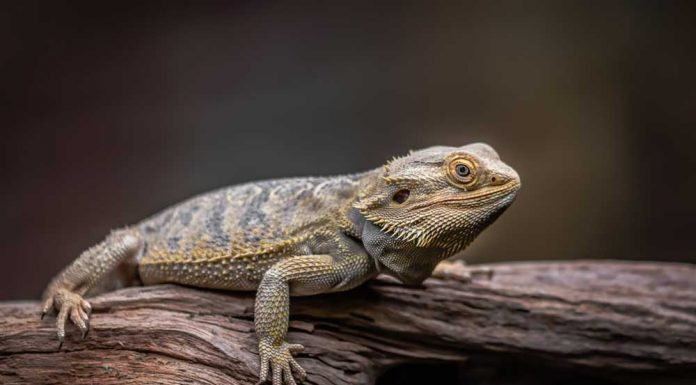
How big do bearded dragons get? It’s one of the most common questions from new owners, and the answer matters for everything from enclosure...
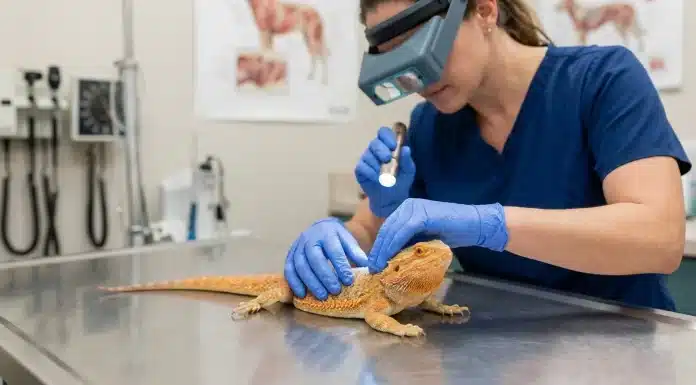
Yellow Fungus Disease is one of the hardest diagnoses a bearded dragon owner can receive. It is currently not reliably curable, and even with...
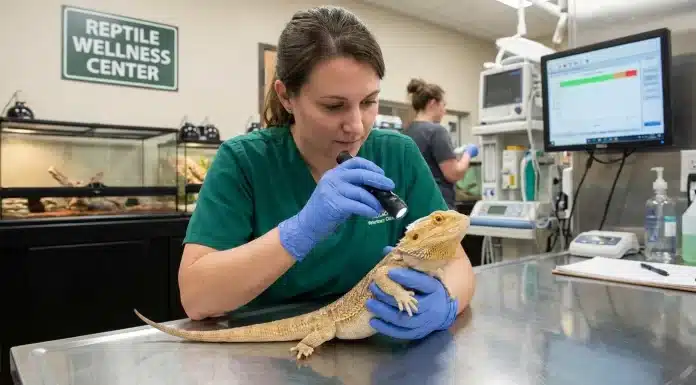
A bead of mucus at the nostril. A faint crackling sound when your dragon breathes. A slightly open mouth that wasn’t there last week....
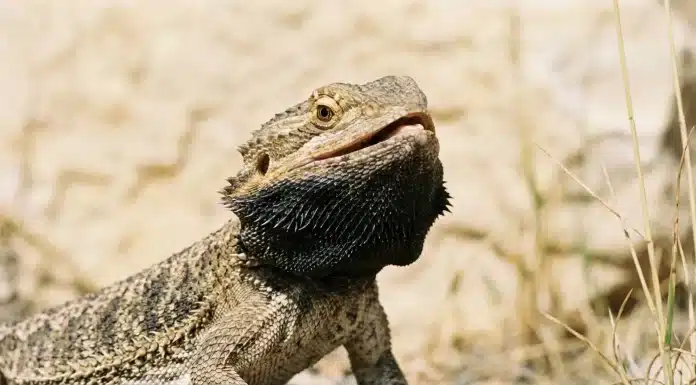
A bearded dragon’s beard turning black is one of the most visible and frequently misunderstood signals in reptile keeping. Most of the time, it’s...
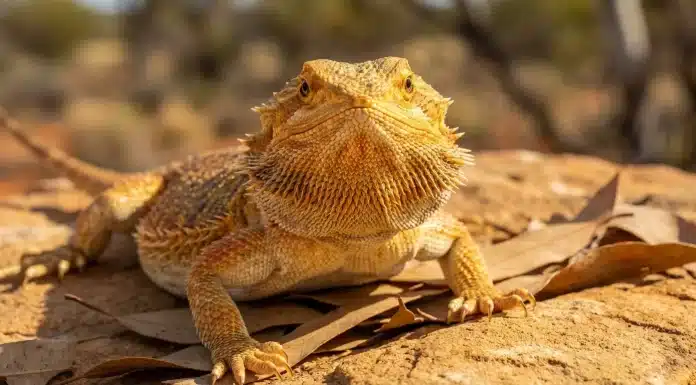
Most bearded dragon vet bills in the first 90 days of ownership trace back to a single moment: picking an animal without knowing what...
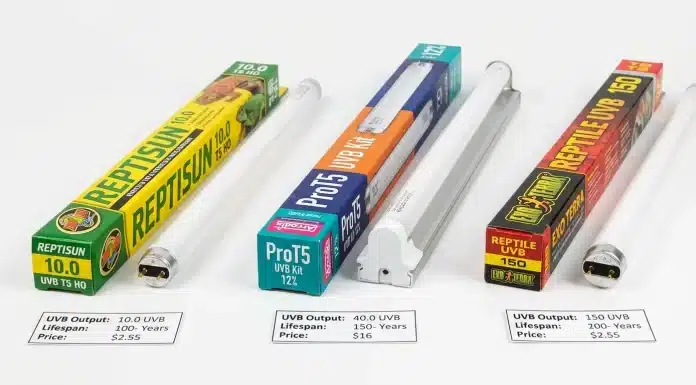
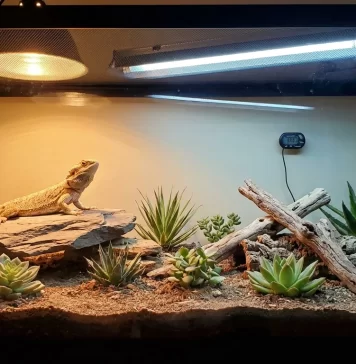
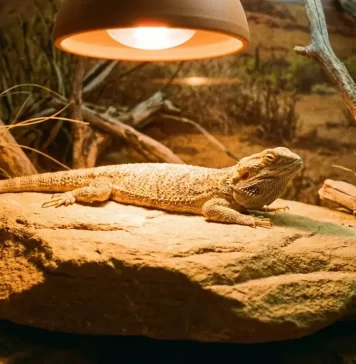
Bearded dragons are Ferguson Zone 3 animals — among the highest UV-requiring reptiles kept in captivity. In the wild, they bask in direct Australian...
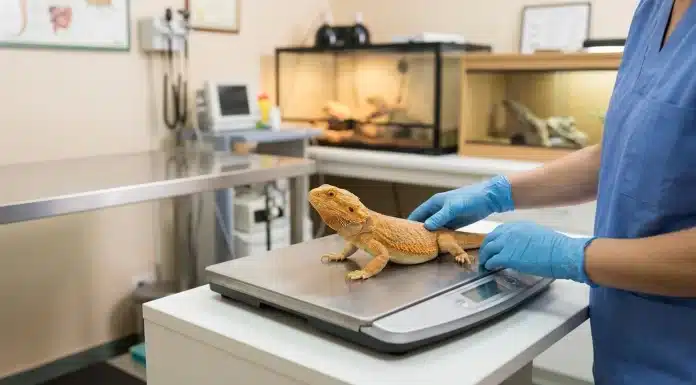
One of the most common mistakes bearded dragon owners make is not establishing a relationship with a reptile-specialist vet until their dragon is already...