


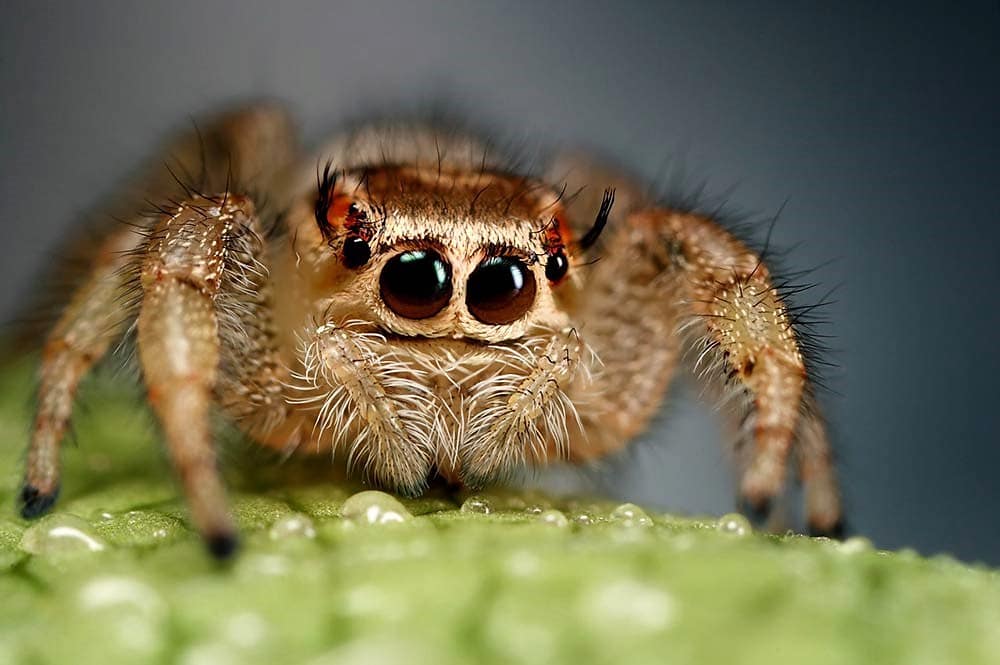
Jumping spiders are one of the fastest-growing categories in the exotic pet hobby, with online marketplaces like MorphMarket listing over 400 active jumping spider listings at any given time and big-box pet stores including PetSmart and Petco now stocking captive-bred regal jumping spiders. A 2025 NPR feature called them “the next big pet trend.” But a trending pet is not automatically the right pet for everyone. This guide covers the honest realities of jumping spider ownership: daily time, costs, lifespan, who they suit, and who should walk away, so you can decide whether a small predator with eight eyes fits your life before you buy (source: Npr).
Are Jumping Spiders Good Pets? The 30-Second Answer
Jumping spiders are excellent pets for keepers who want a low-space, low-cost, visually interactive invertebrate and accept a 1- to 2-year lifespan. They are poor pets for anyone wanting emotional bonding, a cuddly animal, or a pet that does not require live insects. Expect to spend $125 to $400 in year one, dedicate under 10 minutes per day to care, and house each spider in a single 4 x 4 x 7 inch enclosure. The table below summarizes the at-a-glance reality before the detailed sections.
| Ownership Factor | Reality |
|---|---|
| Year-one all-in cost | $125 to $400 (spider, enclosure, year of feeders, misc) |
| Daily care time | Under 10 minutes (misting check, observation, occasional feeding) |
| Enclosure footprint (adult) | 4 x 4 x 7 inches (about the size of a large drinking glass) |
| Adult female lifespan | 12 to 18 months after maturity (total 18 to 30 months) |
| Adult male lifespan | 3 to 9 months after maturity (total 12 to 18 months) |
| Live prey required? | Yes (fruit flies, small crickets, blue bottle flies) |
| Handleable? | Sometimes (individual-dependent and never guaranteed) |
| Legal in US/UK? | Yes (all 50 US states; UK no license required) |
| Vet support available? | Minimal (husbandry-first health strategy required) |
| Apartment-friendly? | Yes (no noise, no odor, no allergens) |
For the full cost teardown, see our jumping spider cost guide. For lifespan by species and sex, see our jumping spider lifespan guide.
Why Jumping Spiders Became Popular
The surge in jumping spider keeping over the past three years comes from three converging factors: an unusually expressive face for an invertebrate, daytime activity that matches human waking hours, and a small enclosure footprint that fits any apartment desk. Social media amplified all three traits faster than the species could enter mainstream pet stores.
Their forward-facing primary eyes give them an almost mammalian appearance that other spider families lack. Peer-reviewed research has documented that salticids (jumping spiders) use these eyes for genuine high-acuity vision and even color discrimination, traits closer to a small vertebrate than to a typical spider (source: PNAS). They are diurnal, so keepers observe hunting, exploring, and stalking during normal waking hours rather than waiting for a nocturnal animal to wake up. And a single adult lives comfortably in a roughly 200 mL enclosure, which makes them viable for apartment dwellers, students, dorm residents, and anyone without space for a traditional terrarium.
Short videos of jumping spiders tracking a finger, pouncing on prey, or tilting their heads toward a camera lens have generated millions of views and introduced the species to audiences who would never have considered an arachnid as a pet. This visibility is also why big-box pet stores stocking captive-bred regal jumping spiders is now common in many US locations.
What Daily Ownership Actually Looks Like
A jumping spider needs under 10 minutes of active daily care on a typical day: a quick visual check on activity level and abdomen condition, a light misting on one side of the enclosure if humidity has dropped, and a feeder insect every 2 to 4 days for adults. The behind-the-scenes work of maintaining the feeder insect supply takes longer than the spider itself and is the part that catches first-time keepers off guard.
Daily Time Commitment
On a typical day, you check the enclosure for water droplets and mist if needed, observe activity level and abdomen plumpness, and possibly offer a feeder insect. There is no walking, grooming, or litter to manage. Vet-tech teams we consult note that this 10-minute daily figure is realistic for an established setup; the first two weeks after bringing a spider home usually take longer as you dial in misting frequency and feeder rotation.
The hidden time cost is feeder insect logistics. You need to maintain a live feeder supply (fruit fly cultures, small cricket colonies, or regular pet-store purchases), which involves either weekly trips, monthly online orders, or running your own culture at home. Many keepers in our community report the feeder logistics take more time than the spider itself, especially during fruit fly culture crashes that require emergency feeder rotation.
Space Requirements
A single adult jumping spider needs an enclosure roughly 4 x 4 x 7 inches, about the size of a large drinking glass. Slings (spiderlings) start in deli cups even smaller than that. You will also need a small space for feeder storage or a fruit fly culture. A shelf, a kitchen cabinet corner, or a desk drawer is sufficient. For the full size standard by life stage, see our jumping spider enclosure size guide.
Interaction Style
Jumping spiders are not cuddly and do not bond emotionally. What they do offer is visual engagement: they track movement, investigate novel objects, and display curiosity-driven behaviors that many keepers describe as genuinely interactive. Some individuals become comfortable walking on a keeper’s hand after repeated gentle handling sessions; others remain skittish throughout their lives (source: Terrariumtribe).
This distinction matters. If you want a pet that bonds with you emotionally, a jumping spider will not satisfy that expectation. If you want a pet that is fascinating to observe and occasionally interact with through handling, they deliver on that front consistently. For step-by-step handling technique and when to attempt it (or skip it), see our jumping spider handling guide.
Honest Pros of Keeping Jumping Spiders
Jumping spiders deliver five concrete advantages over other small pets: low cost, low space, low noise, genuinely interactive behavior, and a short commitment window. These are the upsides that get keepers in the door and the reason the hobby has grown from niche to mainstream in three years.
Small space, small cost. The enclosure, substrate, decorations, and initial feeder supply total $30 to $80. The spider itself costs $15 to $80 depending on species and morph. Monthly feeder costs run $5 to $15. This makes jumping spiders one of the most affordable exotic pets to start and maintain.
No noise, no odor, no allergens. Jumping spiders produce no sound, no detectable smell (assuming timely cleanup), and do not trigger common pet allergies. They are among the most apartment-friendly pets available and pass most landlord no-pet clauses since arachnids are not classified as pets in standard tenancy agreements.
Short commitment window. Most jumping spiders live one to two years. For keepers uncertain about a longer-term commitment, this lifespan offers a complete pet-keeping experience in a compressed timeframe. For detailed lifespan data by species and sex, see our jumping spider lifespan guide.
Genuinely interesting behavior. Jumping spiders display problem-solving during hunts, build and maintain silk retreats, perform elaborate courtship displays, and exhibit individual personality differences that make each spider distinct. Peer-reviewed research has documented planning behavior and route detours in salticid species, suggesting cognitive complexity unusual for invertebrates (source: PNAS). University of Florida IFAS classifies Phidippus regius, the most common pet species, among the most behaviorally complex jumping spiders studied (source: UF/IFAS Featured Creatures).
Can help with arachnophobia. Multiple keepers, including those featured in the NPR piece, describe jumping spiders as the gateway that helped them overcome fear of spiders. Their small size, non-threatening appearance, large visible eyes, and interactive behavior make them a less intimidating entry point than tarantulas or wolf spiders.
Honest Cons of Keeping Jumping Spiders
Five honest downsides apply to every jumping spider: live prey is mandatory, the lifespan is short, vet support is minimal, handling is never guaranteed, and the spider itself is physically fragile. None of these are dealbreakers for the right keeper, but ignoring any of them is the most common path to a welfare failure.
Live prey is mandatory. Jumping spiders eat only live insects. There is no kibble, no freeze-dried alternative, no workaround. You will need to maintain a supply of live fruit flies, crickets, or other feeder insects by buying them regularly or culturing them yourself. For some people, handling live insects is a dealbreaker; if that is you, choose a different pet. For a feeder comparison, see our jumping spider feeder insects guide.
Short lifespan means repeated loss. One to two years goes by quickly. Keepers who become attached to their spider will face that loss sooner than with most pets. Males in particular rarely live beyond a year after maturity, and any spider purchased as a sub-adult may have only 6 to 12 months remaining.
Limited veterinary support. Very few veterinarians have experience treating jumping spiders. If your spider becomes ill, your options are typically limited to adjusting husbandry parameters (temperature, humidity, diet) and hoping the spider recovers. There is no established pharmacology for salticid medicine. This reality means prevention through proper care is your primary health strategy. We cover the warning signs that need intervention in our jumping spider health signs guide.
Handling is not guaranteed. Some jumping spiders never become comfortable with handling regardless of how patient the keeper is. If hands-on interaction is important to you, understand that you may get a spider that prefers to stay in its enclosure. Even handleable individuals should never be handled during premolt or for more than a few minutes at a time.
Fragility. A fall from hand height onto a hard surface can kill a jumping spider. Their small body mass and hydraulic leg system make them vulnerable to impact injuries that larger pets would shrug off. Every handling session carries some degree of risk to the spider, and dropping a sub-adult or adult onto a hardwood floor is often fatal.
The Honest Welfare Argument Against Keeping Jumping Spiders
The most common welfare argument against pet jumping spiders, articulated by PETA and several invertebrate welfare advocates, is that captive enclosures cannot replicate the spatial exploration and prey diversity of wild salticid life, and that the short lifespan makes meaningful keeper-animal benefit asymmetric. The counter-argument the responsible hobby makes, supported by mainstream entomology institutions, is that captive-bred jumping spiders kept in correctly sized, enriched enclosures with appropriate humidity, temperature, and feeder variety show the same lifespan, molting success, and behavioral repertoire as wild conspecifics. Wild collection, by contrast, removes individuals from local ecosystems where they provide pest-control value (source: WSU Entomology).
Two welfare-honest rules apply: source only captive-bred spiders from reputable breeders (not wild-caught), and treat enrichment as mandatory rather than optional. The bare-substrate-and-a-cork-bark setup is the most common welfare shortcut and the one we see most often in new keepers who later report their spider “just sits in the corner.” A properly enriched enclosure produces more visible behavior and a healthier spider.
How Jumping Spiders Compare to Other Small Pets
For first-time keepers deciding between several small-footprint pets, the table below puts jumping spiders next to five common alternatives across the dimensions that actually drive the buying decision. Cost figures reflect realistic year-one all-in budgets drawn from established care guides for each species.
| Pet | Year-One Cost | Lifespan | Daily Care | Handleable? | Space Needed |
|---|---|---|---|---|---|
| Jumping spider | $125 to $400 | 1 to 2 years | Under 10 min | Sometimes | 4x4x7 in. |
| Tarantula (NW terrestrial) | $150 to $400 | 5 to 25+ years (females) | Under 10 min | Most species: no | 10 to 20 gal |
| Leopard gecko | $200 to $600 | 15 to 20 years | 15 to 20 min | Yes, most adults | 20 gal long min. |
| Betta fish | $80 to $200 | 3 to 5 years | 5 to 10 min | No | 5 gal min. |
| Hamster (Syrian) | $150 to $400 | 2 to 3 years | 20 to 30 min | Yes, with patience | 600+ sq in. floor |
| Hissing cockroach | $50 to $150 | 2 to 5 years | Under 5 min | Yes | 10 gal |
Jumping spiders are the cheapest entry-level invertebrate after hissing cockroaches and the smallest-footprint vertebrate-or-invertebrate option after a betta fish. They beat tarantulas on visual interactivity (diurnal vs nocturnal) and beat leopard geckos and hamsters on initial cost and care-time floor. They lose to all three vertebrate options on lifespan and to hamsters and leopard geckos on guaranteed handleability.
For a deeper species comparison within the jumping spider family itself, see our best jumping spider species guide.
Choosing a Species: Beginner to Advanced
Not all jumping spider species are equally suited to first-time keepers. Size, temperament, humidity requirements, and availability vary significantly across the species commonly sold in the pet trade. The most-recommended beginner species is Phidippus regius, the regal jumping spider, available in dozens of color morphs across every reputable breeder.
Beginner Species
Phidippus regius (regal jumping spider). The most recommended first species. Large enough to handle easily, calm temperament, widely available in multiple color morphs, and tolerant of minor husbandry mistakes. University of Florida IFAS documents P. regius as native to the southeastern US and the most studied salticid in the pet trade (source: UF/IFAS Featured Creatures). For a full care guide, see our Phidippus regius care guide.
Phidippus audax (bold jumping spider). Native across most of North America, hardy, and forgiving of a wide temperature range. Slightly smaller than P. regius but equally handleable. Often available as wild-caught specimens in much of the US, though captive-bred is preferred. Penn State Extension lists P. audax as one of the most commonly encountered jumping spiders in eastern North America (source: Penn State Extension). For a full care guide, see our Phidippus audax care guide.
Platycryptus undatus (tan jumping spider). Smaller and somewhat more reserved than Phidippus species, but still manageable for beginners who want a different look. Requires less space and tolerates lower humidity. See our tan jumping spider care guide.
Intermediate Species
Phidippus otiosus (canopy jumping spider). Beautiful green and orange coloration, but less commonly bred and slightly more skittish than P. regius. Requires similar care parameters but is less tolerant of handling.
Hasarius adansoni (Adanson’s house jumping spider). Small, fast, and interesting to observe, but too quick and small for comfortable handling. Good for keepers who prefer a hands-off, observation-focused experience.
Advanced Species
Hyllus diardi (heavy jumping spider). Among the largest jumping spider species kept as a pet, reaching 15 to 25 mm body length. Requires higher humidity (70 to 80 percent), warmer temperatures (79 to 84 degrees Fahrenheit), and a significantly larger enclosure. Not recommended for first-time keepers due to its narrow environmental tolerances. See our Hyllus diardi care guide.
Jumping Spider Lifecycle Overview
The jumping spider lifecycle runs roughly 18 to 30 months from egg sac to adult death for females and 12 to 18 months for males, broken into six biologically distinct stages. Understanding which stage you are buying directly affects how long you will have the spider and how much active care it needs.
Egg sac (2 to 4 weeks). The female produces an egg sac containing 50 to 200+ eggs, guarding it in a silk retreat until the spiderlings emerge. Most keepers do not interact with this stage unless breeding.
Spiderling / sling (1st to 3rd instar, approximately 4 to 10 weeks). Tiny, fragile, and housed in small deli cups. Slings eat springtails and small fruit flies. This is the cheapest stage to buy but requires the most attentive feeding schedule. For full spiderling care, see our jumping spider spiderling care guide.
Juvenile (4th to 6th instar, approximately 6 to 12 weeks). The spider grows rapidly through several molts, developing coloration and personality. Most spiders sold online are in this stage. Feeding switches to larger fruit flies and pinhead crickets.
Sub-adult (approximately 4 to 8 weeks). Sexual dimorphism becomes visible: males develop bulbous pedipalps, females grow larger abdomens. The spider is nearing its final molt.
Adult (variable, species-dependent). After the final molt, the spider is sexually mature. Females live 6 to 18 months as adults; males typically live 3 to 9 months post-maturity. Adult coloration is at its peak.
Senescence. In the final weeks to months of life, the spider gradually declines: reduced hunting ability, slower movement, less interest in food. This is a natural process, not a sign of treatable illness.
Legality: Where You Can Keep Jumping Spiders
Jumping spiders are legal to keep without a license in all 50 US states, the United Kingdom, and most of Canada and the European Union. Australia is the major exception, with non-native species import-prohibited under the Biosecurity Act 2015. Always verify the rules in your specific jurisdiction before purchasing, as state-level exotic pet rules can include unexpected exemptions for invertebrates.
In the United States, no federal permits or licenses are required for any commonly sold jumping spider species. State-level exotic pet laws generally do not apply to invertebrates classified as non-venomous or non-protected, and no Phidippus or commonly kept salticid species carries a protected status (source: US Fish & Wildlife Service).
In the United Kingdom, jumping spiders are legal to keep without a license. They are not covered by the Dangerous Wild Animals Act 1976. Several UK-based breeders sell captive-bred species including P. regius and Phidippus morphs.
In Canada, most provinces allow keeping jumping spiders, though import regulations apply when purchasing from the US. Check the Canadian Food Inspection Agency (CFIA) requirements for live invertebrate imports.
In Australia, importing non-native jumping spider species is prohibited under the Biosecurity Act 2015. Native species may be kept in some states with permits, but the hobby is much smaller due to regulatory restrictions. Australian Maratus (peacock spider) species, while iconic, are not commonly kept and carry export bans.
In the European Union, regulations vary by country. Germany, the Netherlands, and France have active jumping spider keeping communities. Import of non-native invertebrates may require phytosanitary certificates depending on the origin country.
Who Should Get a Jumping Spider
Jumping spiders suit keepers who want an engaging, low-space pet with minimal daily time investment, low ongoing costs, and acceptance that the animal does not bond emotionally. They work well for apartment dwellers, students, office keepers (small desk enclosures), and anyone curious about invertebrate behavior. They are suitable for supervised older children (10+) as an introduction to animal care responsibilities, but not for households with very young children who might mishandle a fragile animal.
The keeper profile that gets the most out of jumping spider ownership: someone who values observation over physical interaction, has 10 to 15 minutes a day to spend on care, is comfortable with live insects, and accepts a 1- to 2-year commitment. If three of those four apply, a jumping spider is likely a strong fit.
Who Should Not Get a Jumping Spider
If you cannot commit to sourcing live feeder insects every one to two weeks, want a pet that bonds with you emotionally, or would find the short lifespan distressing, a jumping spider is the wrong pet. The most common welfare failures we see are not from active mistreatment but from keepers who lose interest after the novelty wears off.
Vet-tech teams we consult observe that the most common jumping spider welfare issue is neglect from keepers who underestimate the feeder-insect logistics. A spider sitting in a dry enclosure with no food is suffering silently, with no whining or pacing cues the way a neglected mammal would give. Before buying, ask yourself honestly whether you will maintain the same care routine in month 12 that you do in week one.
If hands-on interaction is non-negotiable for you, consider a leopard gecko or corn snake instead. If the live-insect requirement is the issue, a betta fish (frozen-food acceptable) is a closer match. If the lifespan concern is the issue, a tarantula female (5 to 25+ year lifespan) is the invertebrate alternative.
What to Do Before Buying
Five preparation steps separate a smooth first-spider experience from a stressful one. Done in order, they take roughly two to three weeks of lead time before the spider actually arrives at your home.
- Research your target species. Start with our jumping spider care guide and the species-specific guides linked from our best species guide. Pick a species before you pick a seller.
- Set up the enclosure first. Have the terrarium, substrate, decorations, and feeder insects ready before the spider arrives. A spider shipped to an unprepared home faces immediate stress. Our enclosure setup guide covers the build step by step.
- Buy from a reputable breeder. Captive-bred spiders are healthier, parasite-free, and already acclimated to enclosure life. Check MorphMarket, Spoodville, or established breeders with verified reviews. For sourcing channels and red flags, see our where to buy a jumping spider guide.
- Budget for ongoing costs. The spider is cheap; the feeders are the recurring expense. A fruit fly culture kit ($15 to $25) reduces long-term costs significantly. For a complete cost breakdown, see our jumping spider cost guide.
- Plan for shipping logistics. Live arachnids must ship via FedEx Overnight or a partner carrier; standard ground carriers prohibit live invertebrate shipments. Reputable breeders delay shipments when temperatures fall outside the 40 to 100 degree Fahrenheit safe band, so winter and heatwave purchases may take longer to arrive than the order date suggests.
Frequently Asked Questions
Do jumping spiders bite?
Jumping spiders can bite if they feel threatened, but bites are rare and medically insignificant for most people. The sensation is comparable to a mild bee sting, with localized redness and minor swelling that typically resolves within a few hours. No jumping spider species kept as pets poses a serious venom risk to humans, and the bite reflex is generally a defensive last resort rather than a hunting response toward people (source: US National Park Service). For full bite safety information, see our jumping spider bite guide.
Are jumping spiders legal to keep as pets?
Jumping spiders are legal to keep in all 50 US states, the United Kingdom, and most of Canada and the European Union. Australia prohibits importing non-native jumping spider species under the Biosecurity Act 2015. Always check your local exotic pet regulations before purchasing, as laws vary by jurisdiction and can change. Captive-bred specimens of common pet species (the Phidippus genus, Hyllus diardi, Hasarius adansoni) carry no protected status in the US.
Can jumping spiders live in a regular jar or container?
A plain glass jar with no ventilation, climbing surfaces, or humidity control is not an appropriate enclosure. Jumping spiders need cross-ventilation, vertical climbing space, and a retreat area. Purpose-built acrylic terrariums or properly modified containers with mesh ventilation and interior furnishings are the minimum acceptable housing. Modified deli cups work for slings; adults need a 4 x 4 x 7 inch enclosure or larger.
How do jumping spiders compare to tarantulas as pets?
Jumping spiders are smaller, cheaper, shorter-lived, more visually interactive, and require smaller enclosures. Tarantulas are larger, longer-lived (some species 20+ years for females), less interactive, mostly nocturnal, and require sturdier enclosures. Jumping spiders suit keepers who want engagement and low space commitment. Tarantulas suit keepers who want a longer-term, more display-oriented pet and accept that most species are not handleable.
Will my jumping spider be active or just sit in its web?
Unlike web-building spiders, jumping spiders are active hunters that patrol their enclosure during daylight hours. You will regularly see yours stalking prey, exploring surfaces, and building or repairing its retreat web. They are among the most visually active pet spider species available. If your spider is consistently inactive, the most common causes are premolt, low temperature, or a barren enclosure with insufficient enrichment.
Can I keep more than one jumping spider in the same enclosure?
No. Jumping spiders are solitary predators and will fight or cannibalize a cage-mate given enough time. Even mated pairs should only be housed together during a brief supervised breeding introduction. Each spider needs its own enclosure. This is the most-violated rule by new keepers and is among the leading causes of preventable jumping spider death in the hobby.
What happens if I go on vacation?
An adult jumping spider in good health can go seven to ten days without food, provided humidity is maintained. Before a trip, mist the enclosure well, remove any uneaten prey (live crickets can bite a molting spider), and ensure the temperature will remain in the safe range. For trips longer than ten days, arrange for someone to mist the enclosure every three to four days. Automatic misting systems designed for small terrariums also work.
How do I know if my jumping spider is healthy?
A healthy jumping spider is active during the day, responds to movement by tracking with its eyes, hunts or shows interest in prey, and has a round (not wrinkled or shriveled) abdomen. Lethargy, persistent refusal to eat outside of premolt, a shrunken abdomen, or visible discharge near the mouth are signs that something is wrong. For full health monitoring guidance, see our jumping spider health signs guide.
Are jumping spiders intelligent?
Jumping spiders are among the most cognitively complex invertebrates studied. Peer-reviewed research has documented planning behavior, route detours, and memory-based prey selection in salticid species. The Portia genus has demonstrated problem-solving behaviors comparable to small vertebrates, including pre-planning multi-step hunting routes. Phidippus species kept as pets show simpler but still notable cognitive behaviors: recognizing keeper movements, tracking novel objects, and learning the spatial layout of their enclosure (source: PNAS).
Is a jumping spider a good first pet for a child?
For supervised older children (age 10+) who can follow handling rules and accept that the animal is observed rather than cuddled, yes. For younger children or those expecting an emotionally responsive pet, no. The spider’s fragility (a single drop can be fatal) makes it a poor match for hands-first kids. The short lifespan can be either a useful learning moment or an upsetting loss depending on the child. Discuss the 1- to 2-year reality with them before buying.
Researched and written by the ExoPetGuides editorial team with AI-assisted drafting. All husbandry parameters and veterinary references independently verified against peer-reviewed sources and recognized species authorities including University of Florida IFAS, Penn State Extension, Washington State University Department of Entomology, the National Park Service, and the US Fish and Wildlife Service.
Disclaimer: This content is for educational purposes only and is not a substitute for professional veterinary advice. Always consult a qualified veterinarian – ideally an exotic-animal specialist – for any health concern about your pet. Care recommendations may vary based on species, individual animal, and local regulations.
