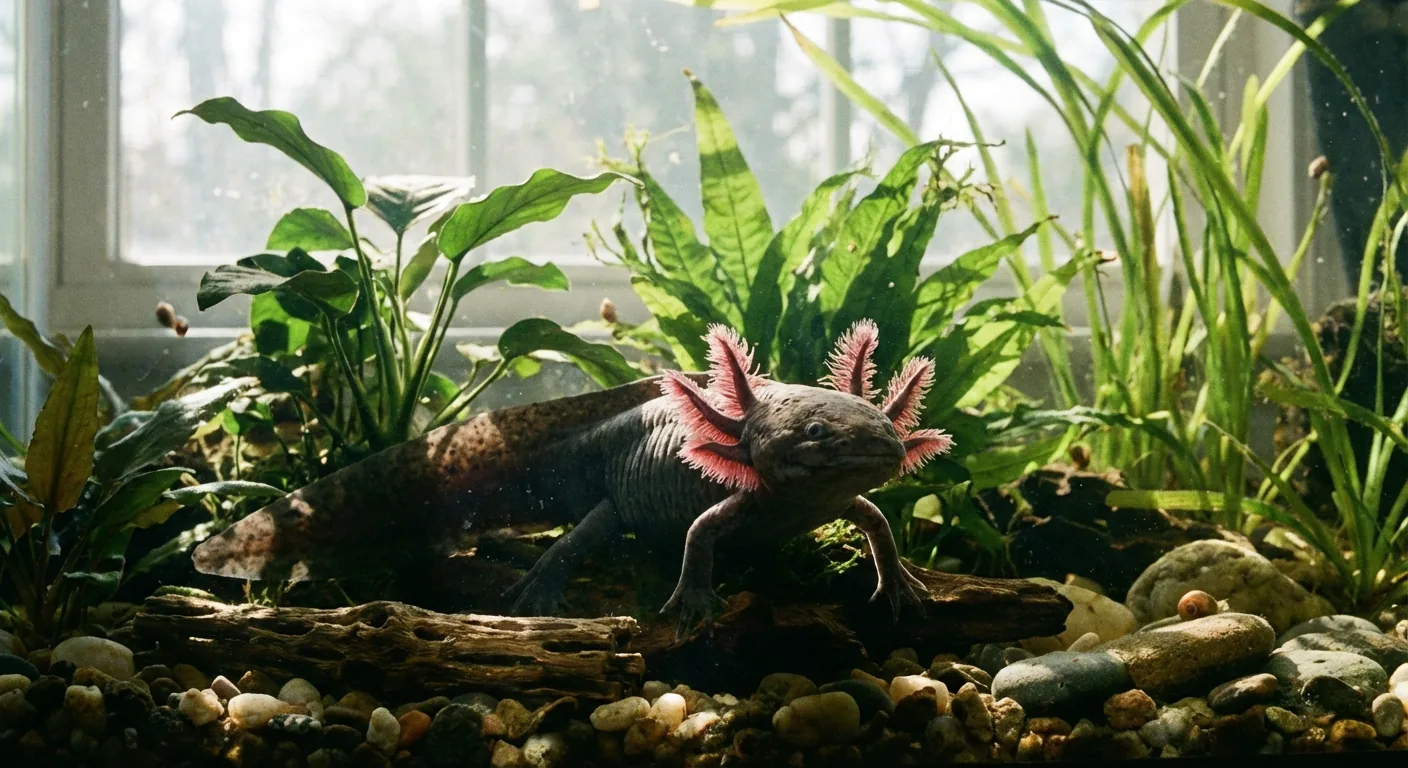
Axolotl Care Guide: Complete Setup, Water, Feeding, and Health Reference for New Keepers
An axolotl needs a cycled cold-water tank, fine-sand or bare-bottom substrate, a stable 60 to 68 degree Fahrenheit temperature, and […]
An axolotl needs a cycled cold-water tank, fine-sand or bare-bottom substrate, a stable 60 to 68 degree Fahrenheit temperature, and […]
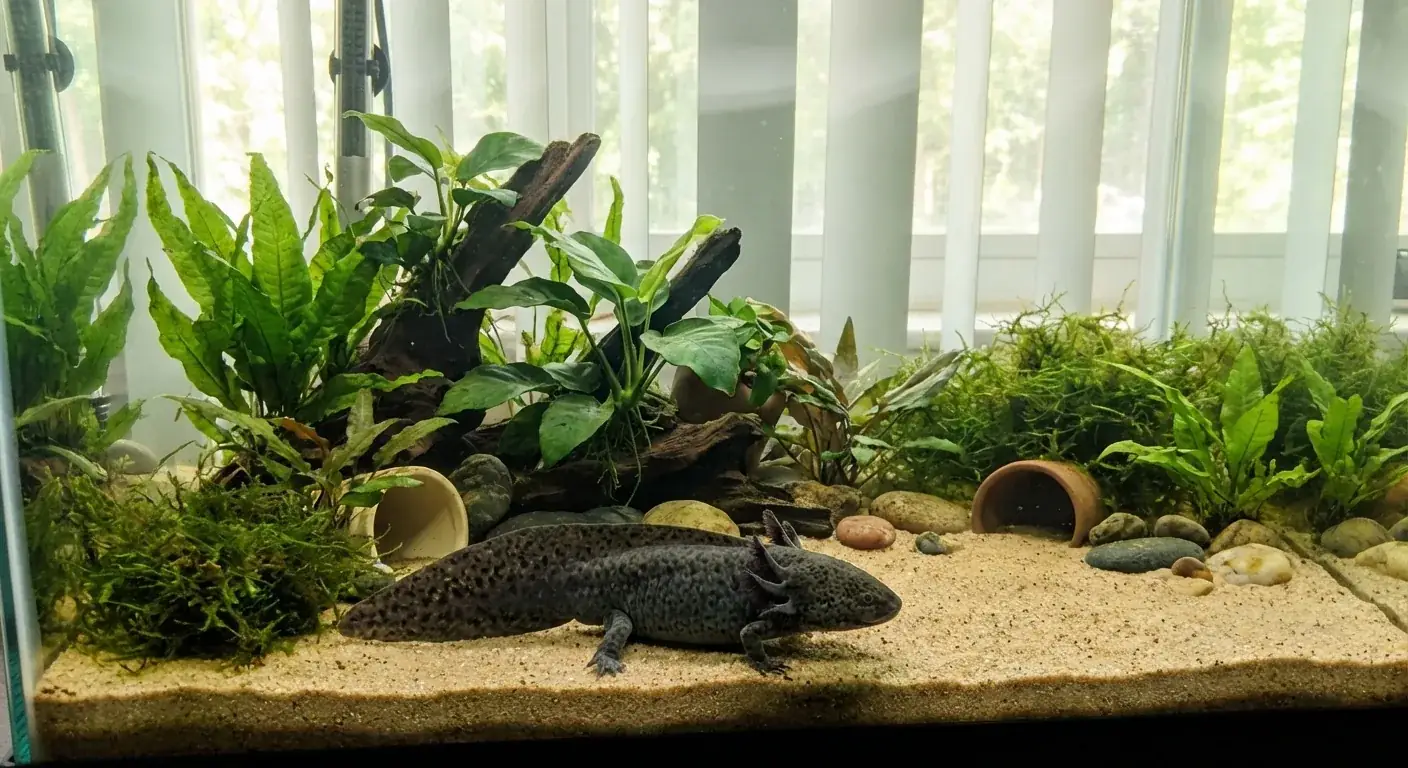
Most axolotl losses come from a short list of avoidable beginner mistakes: warm water, an uncycled tank, gravel substrate, strong […]

An axolotl is a cheap animal to buy and a moderate animal to keep. The pet itself runs about $20 […]

A GFP axolotl carries a jellyfish gene that makes its tissues glow green under blue or UV light. GFP stands […]
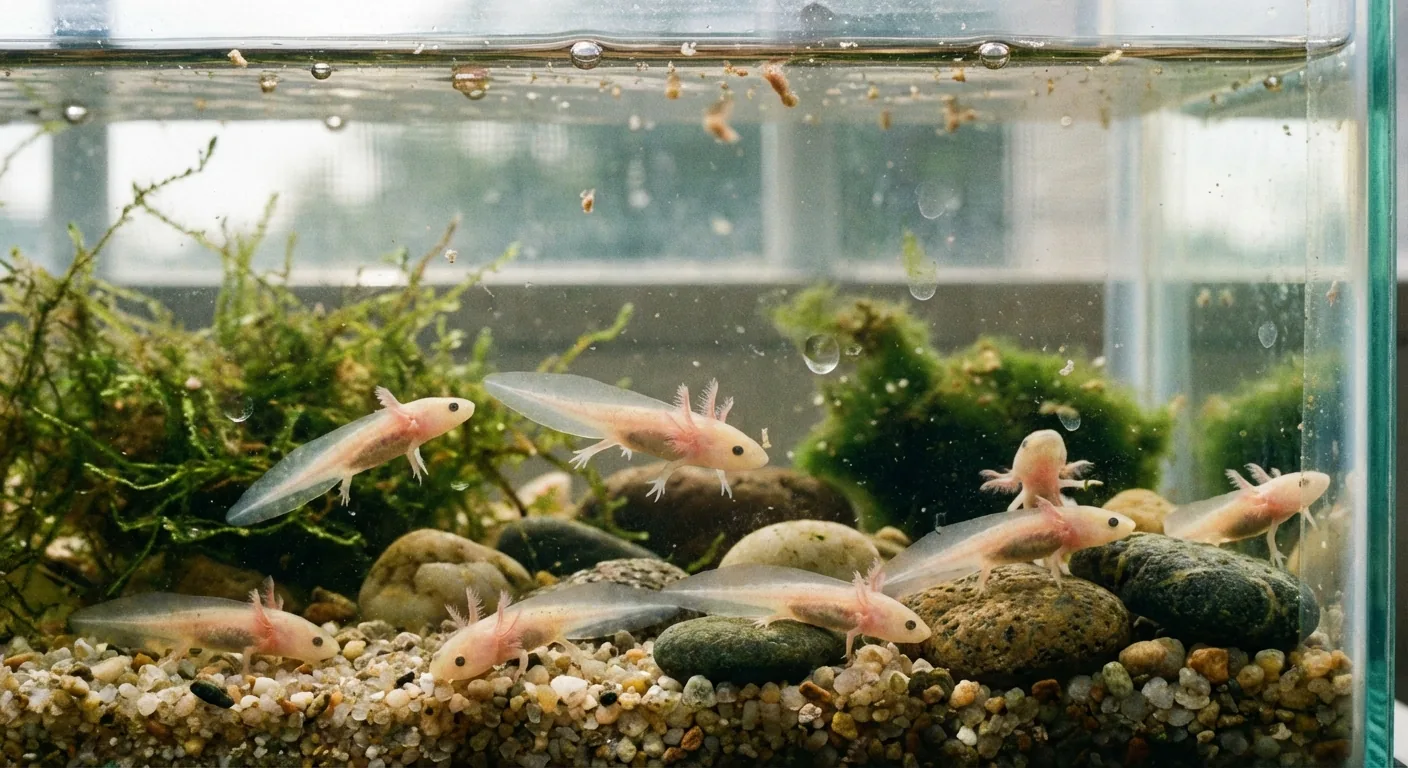
Newly hatched axolotl larvae measure about 10 to 13 mm, carry no legs, and live off a yolk sac for […]
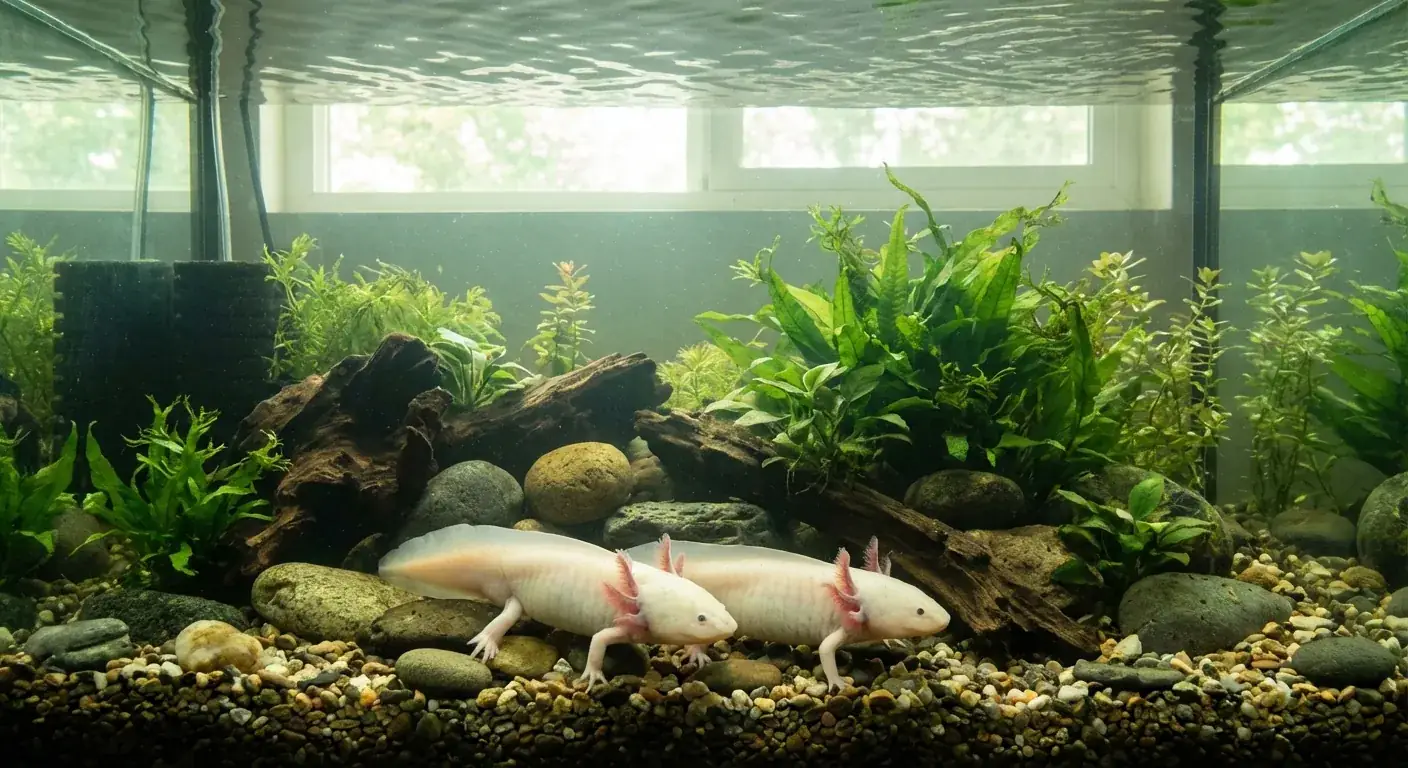
You sex an axolotl mainly by its cloaca, the area behind the back legs. A mature male shows a clear […]
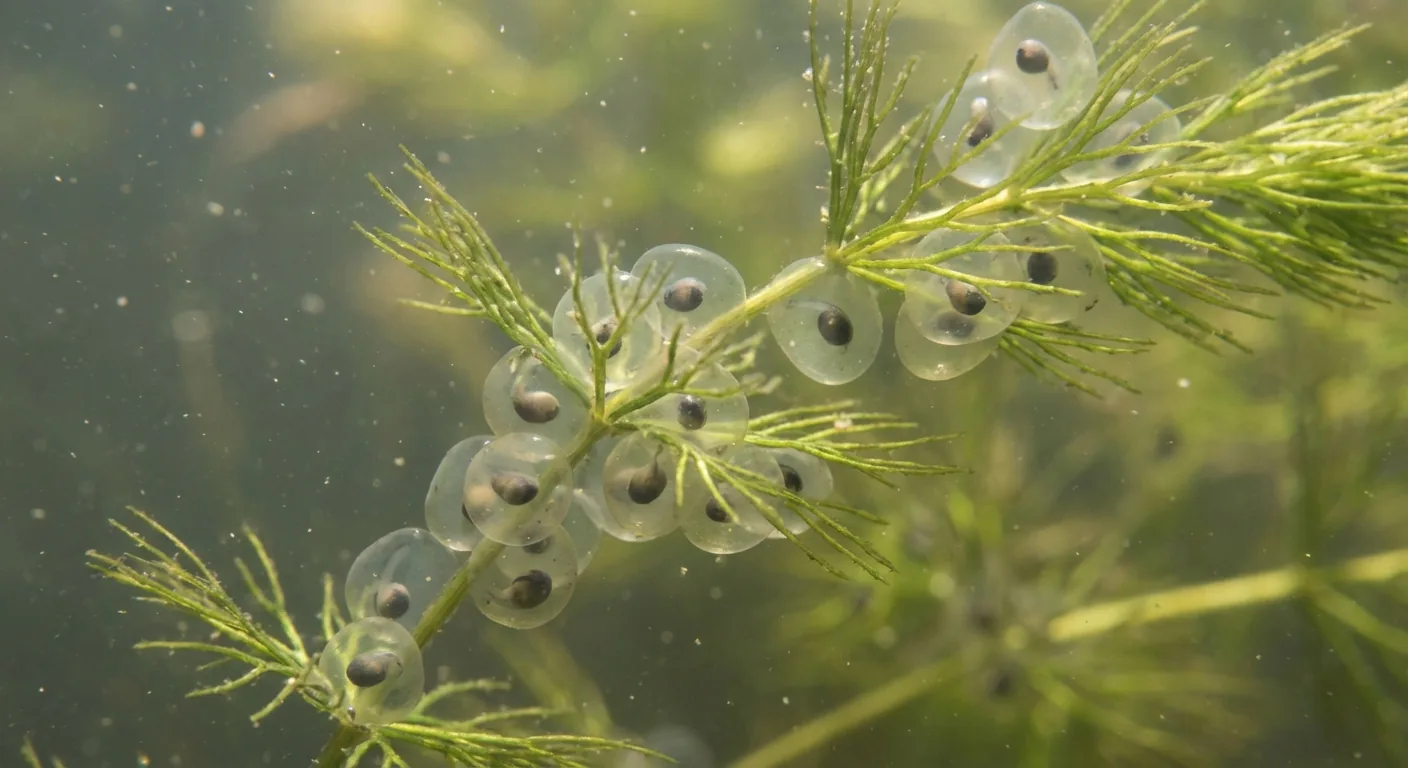
Caring for axolotl eggs means moving the clutch into a clean, shallow, dechlorinated container away from the parents, holding it […]
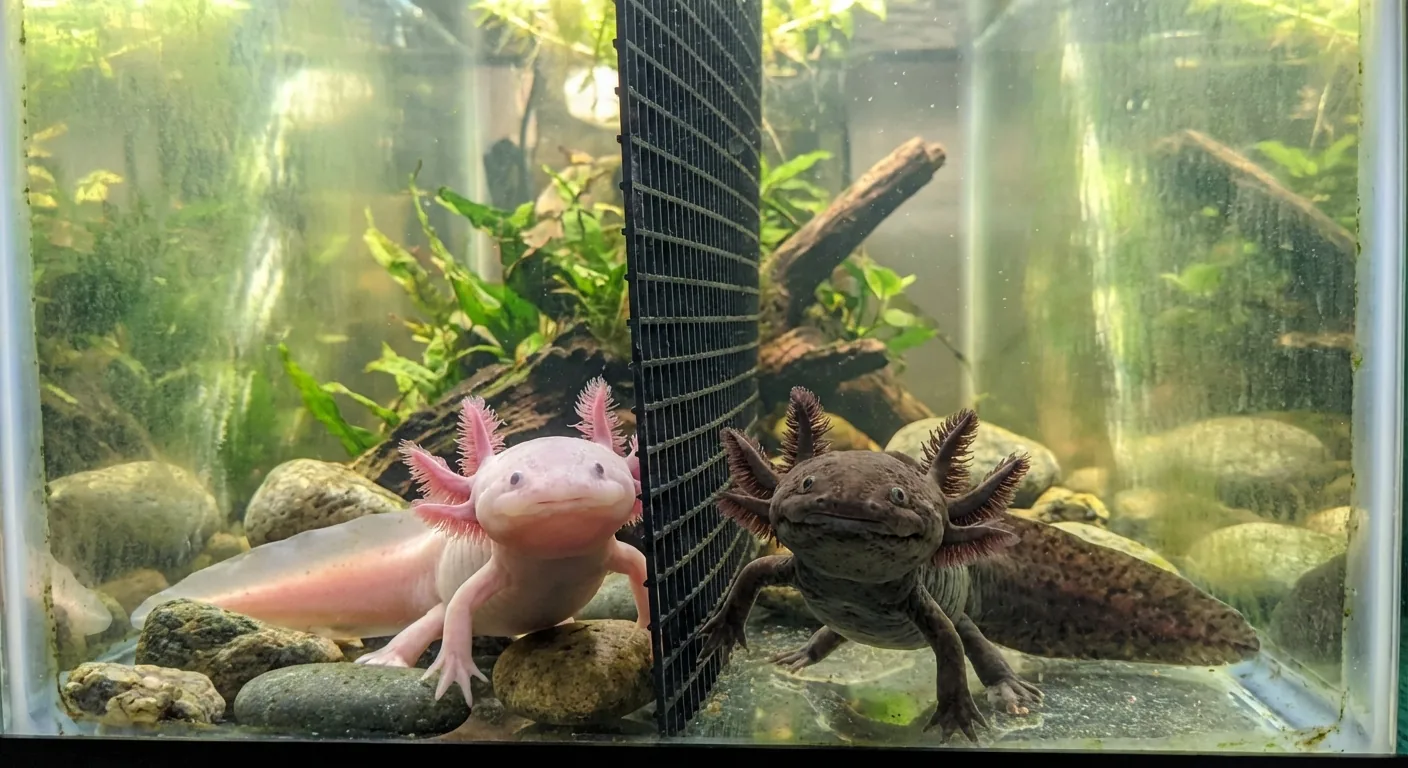
Axolotls eat each other because of a movement-triggered suction reflex, not aggression. Their poor eyesight means a tank mate’s gill […]

Breeding axolotls means pairing two healthy, unrelated adults over 18 months old, conditioning them with a cooling and light cycle, […]
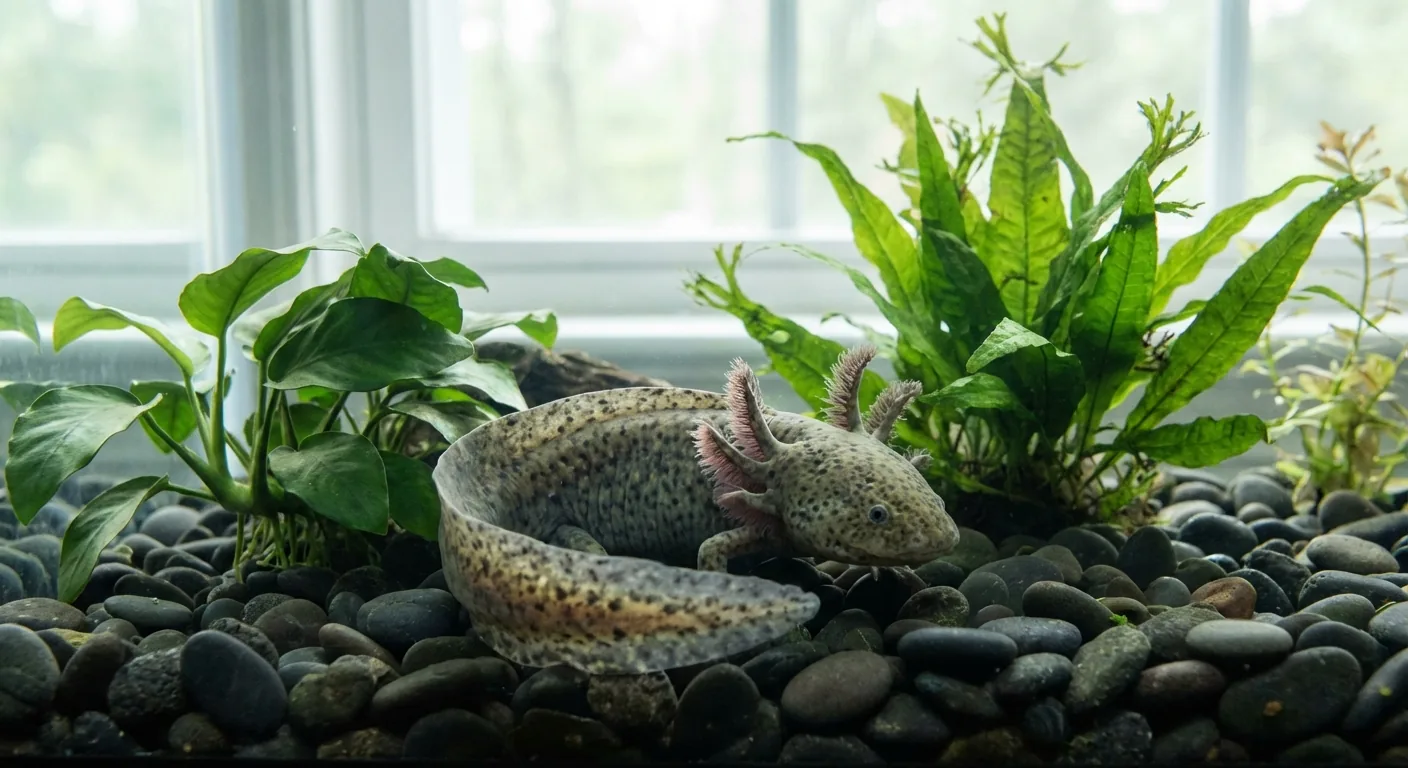
Axolotl daytime stillness is normal nocturnal rest if the animal responds to food, becomes active after dark, and shows normal […]