

An axolotl that stops eating is telling you something is wrong with its environment, its body, or both. Appetite loss is one of the...
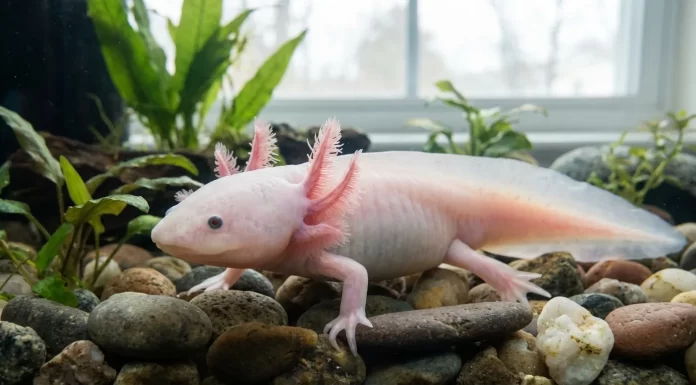
Fungal infections are one of the most common health problems in captive axolotls, and they are almost always a sign that something in the...
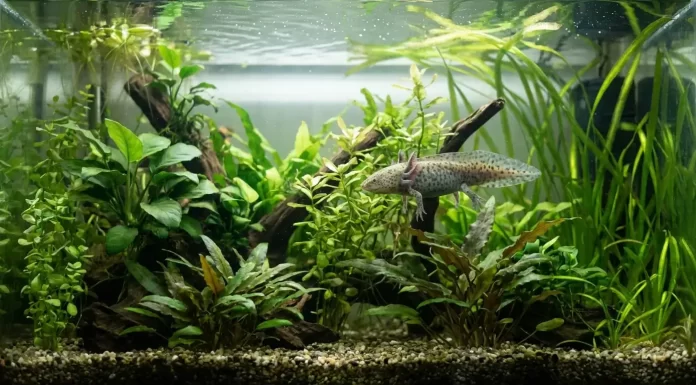
Live plants in an axolotl tank serve real biological functions beyond decoration. They absorb nitrate produced by the nitrogen cycle, generate dissolved oxygen, provide...
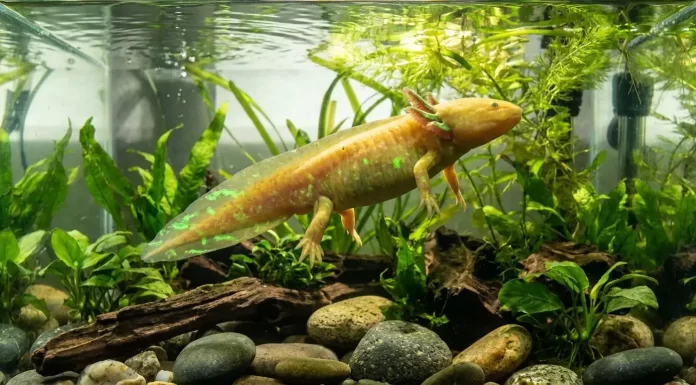
A GFP axolotl is a genetically modified axolotl that carries a transgene encoding green fluorescent protein, originally isolated from the jellyfish Aequorea victoria. Under...
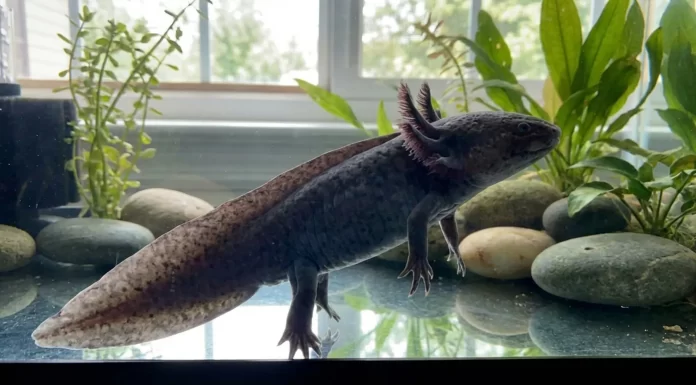
A well-kept captive axolotl lives 10 to 15 years. Some individuals reach 20 years under exceptional husbandry conditions. Wild axolotls, by contrast, survive approximately...
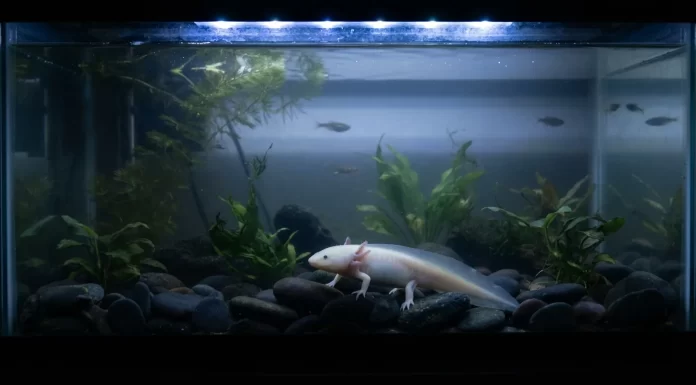
Axolotls are nocturnal amphibians that lack eyelids and evolved in the murky, shaded waters of Lake Xochimilco. Bright light causes measurable stress in these...
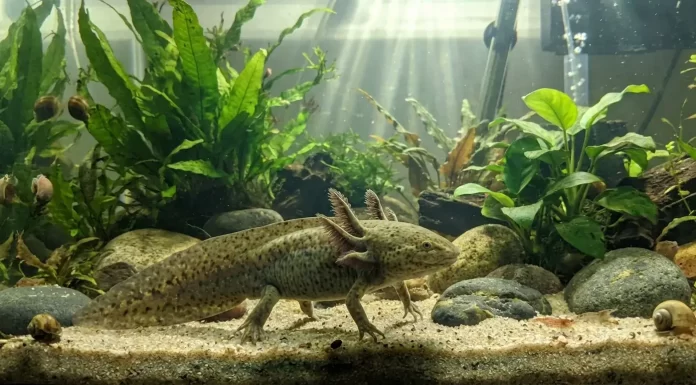
Axolotls communicate through body language, not sound. Every gill flick, resting position, swimming pattern, and color shift carries information about whether your axolotl is...
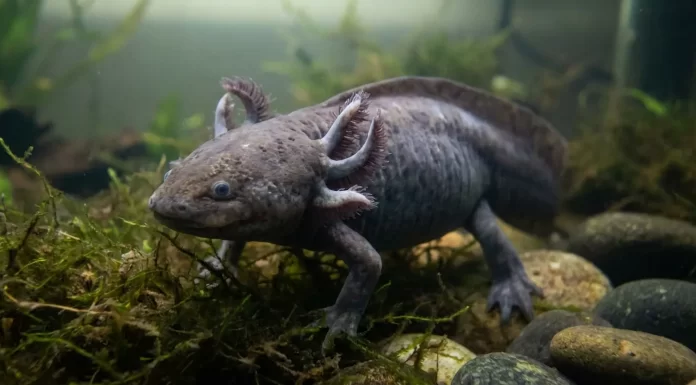
Axolotls do not vocalize, wag tails, or make facial expressions. Every signal they produce is physical: a change in gill posture, skin color, movement...
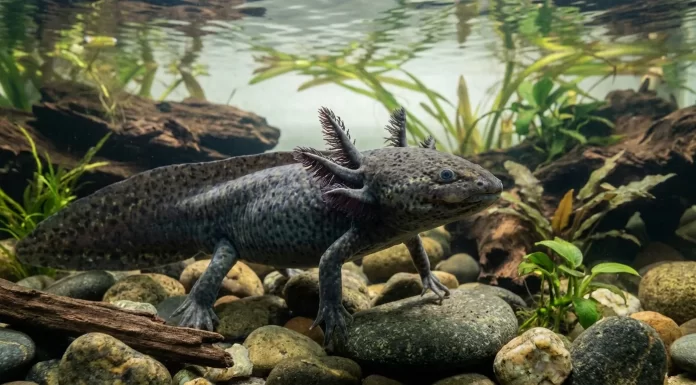
Axolotls are one of the few vertebrates that can regenerate entire limbs, gills, tails, sections of spinal cord, portions of the brain, and even...
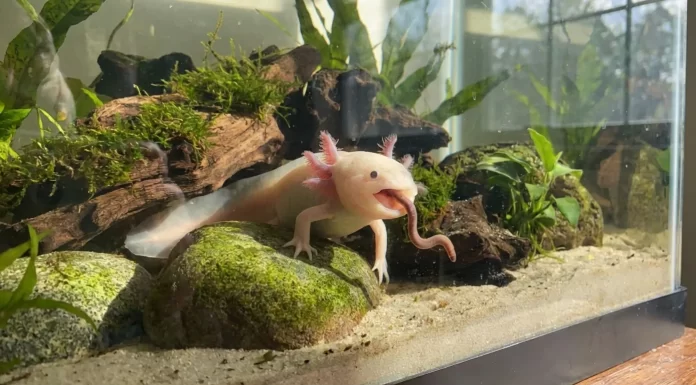
The single most reliable way to size an axolotl's meal is the body-width rule: each food item should be no wider than the space...