

Water changes are the single most effective tool for keeping axolotl tank water within safe parameters. No filter removes nitrate on its own. No...
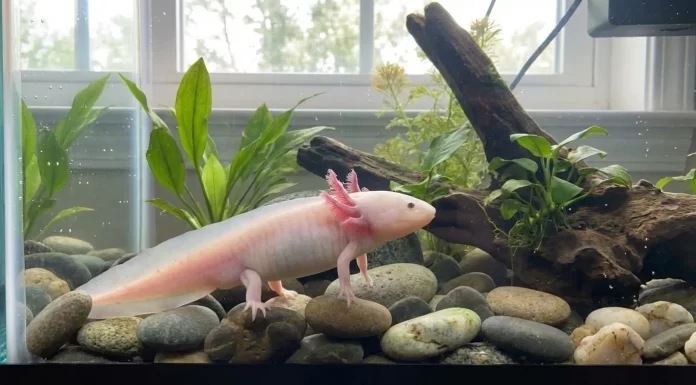
Water testing is the single most important diagnostic tool in axolotl keeping. Every parameter that affects an axolotl’s health – ammonia, nitrite, nitrate, pH,...
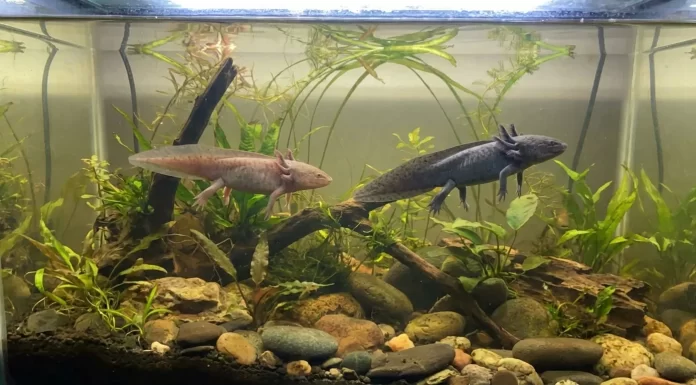
Multiple axolotls can share a tank, but "can" and "should" are separated by a list of conditions that many keepers underestimate. Axolotls are solitary...
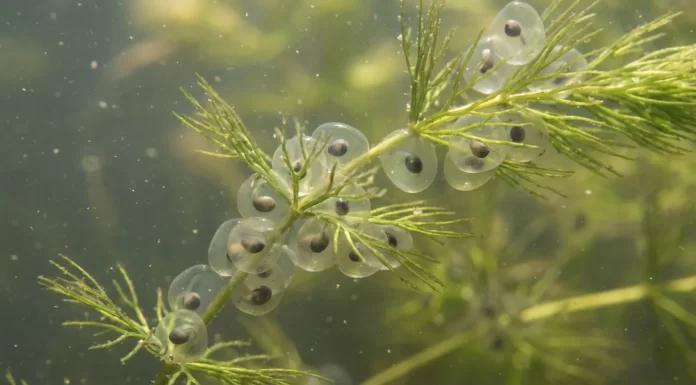
After axolotls spawn, the eggs require dedicated care in a separate container with clean, temperature-stable water. A female can lay between 200 and 1,500...
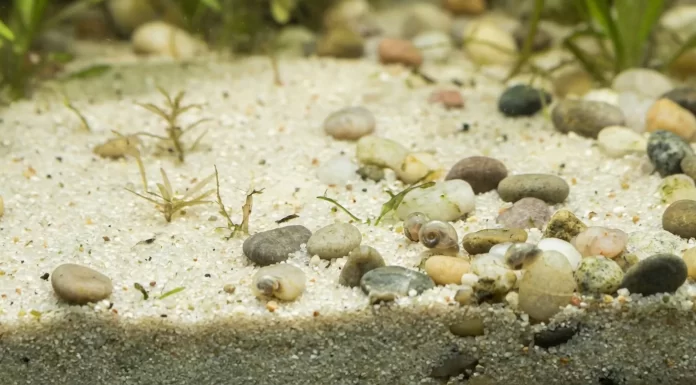
Substrate is the material covering the bottom of your axolotl’s tank, and the wrong choice can kill the animal. Gravel is the single most...
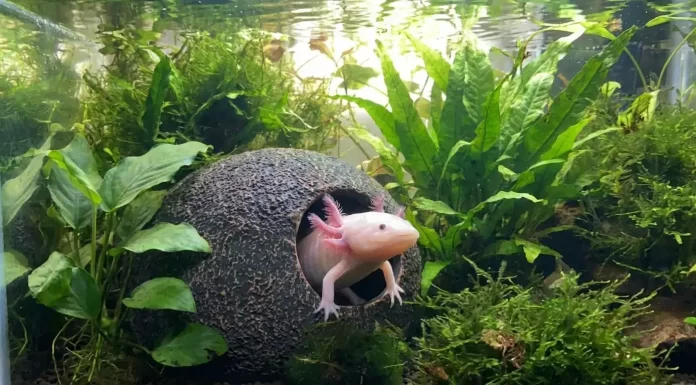
Axolotls are nocturnal, bottom-dwelling amphibians that spend most of the daylight hours sheltered inside or under cover. Hides are not decorations in an axolotl...
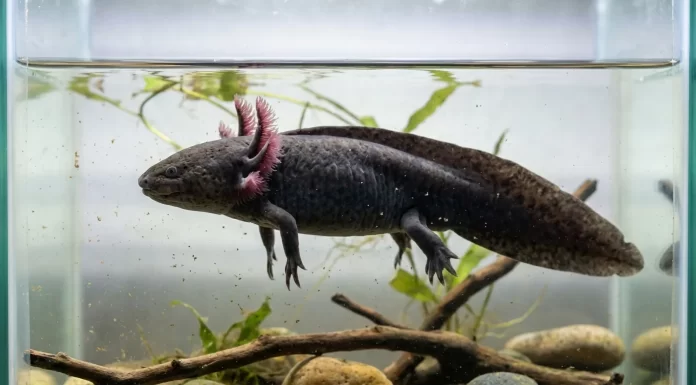
Axolotls are fully aquatic amphibians with permeable skin and exposed gill tissue, which means the mineral content and chemical balance of their water affects...
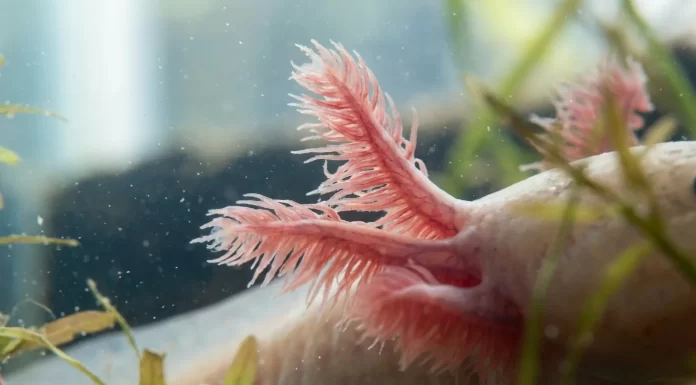
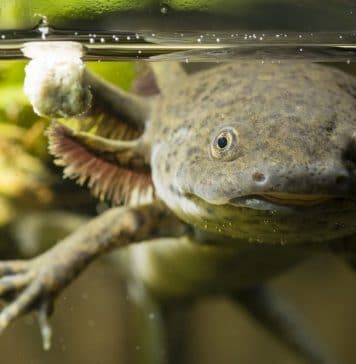
Forward-curled gills are one of the most common visual stress indicators in captive axolotls. When an axolotl's external gill stalks angle toward the snout...
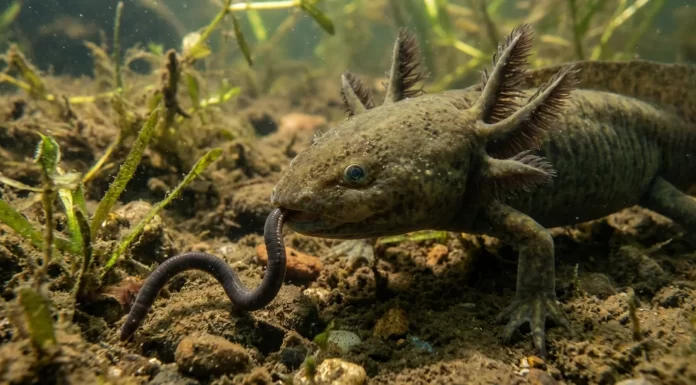
Live food can be a valuable part of an axolotl's diet, but not all live foods carry the same risk. Some options, like nightcrawlers...
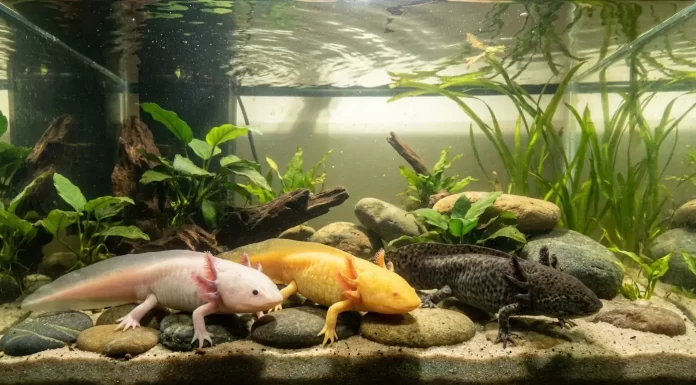
Axolotl color morphs follow Mendelian inheritance rules, meaning every visible trait traces to specific gene pairs inherited from both parents. Keepers who understand six...