

Axolotls need water between 60 and 68 degrees Fahrenheit (16 to 20 degrees Celsius), with the sweet spot at 60 to 64 degrees Fahrenheit...
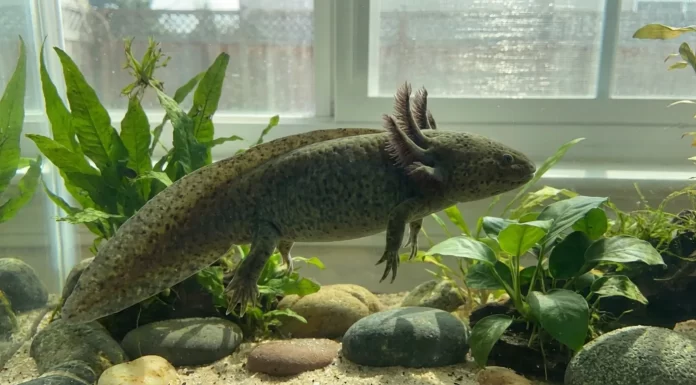
Obesity in captive axolotls develops gradually through feeding-pattern mistakes: portions too large, meals too frequent, or high-fat treats offered too often. Because axolotls are...
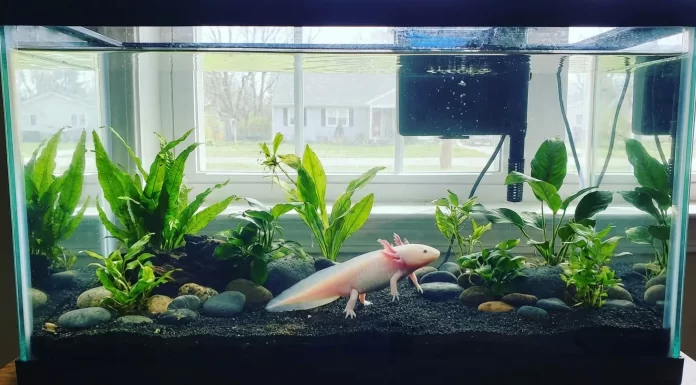
Cycling an axolotl tank means growing colonies of beneficial bacteria inside the filter and on tank surfaces before the axolotl ever enters the water....
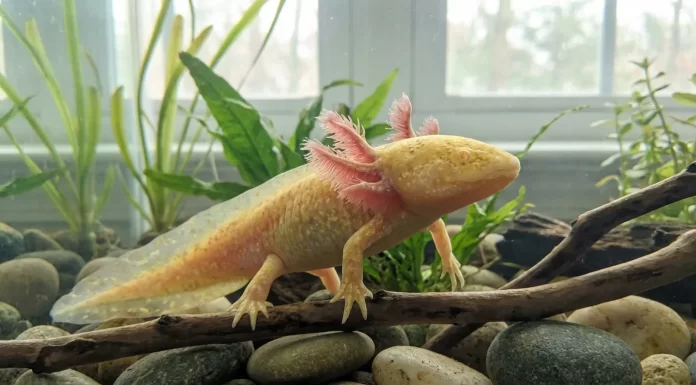
Most axolotls on a varied whole-prey diet do not need vitamin or mineral supplements. The question comes up frequently because reptile and terrestrial amphibian...
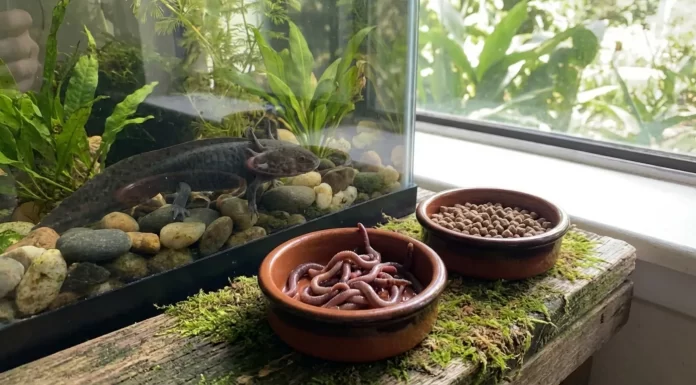
Earthworms and pellets are the two most common staple foods for captive axolotls, and choosing between them is one of the first feeding decisions...
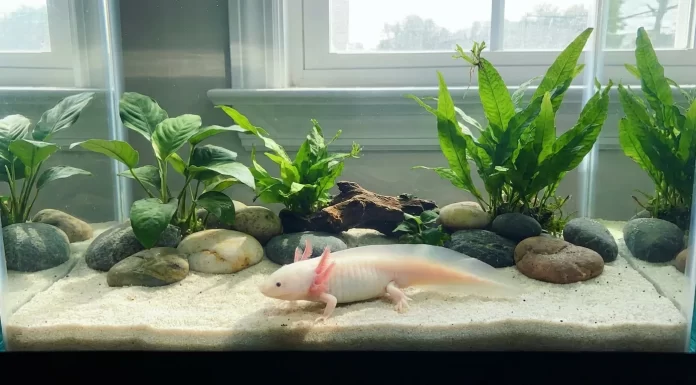
A clean axolotl tank is not a tank that looks clean. It is a tank where ammonia reads 0 ppm, nitrite reads 0 ppm,...
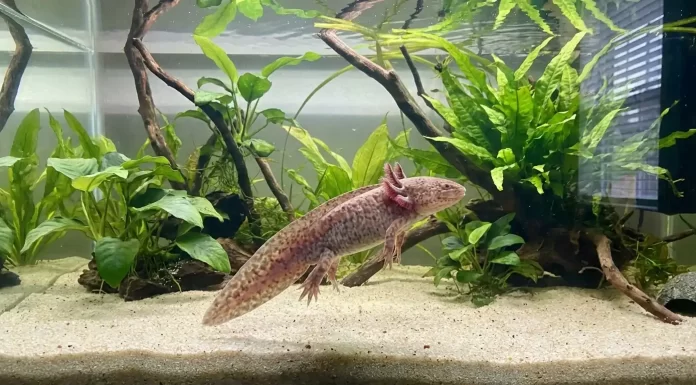
Impaction is a physical blockage of the digestive tract caused by swallowed material that the axolotl cannot pass. In captive axolotls, the most common...
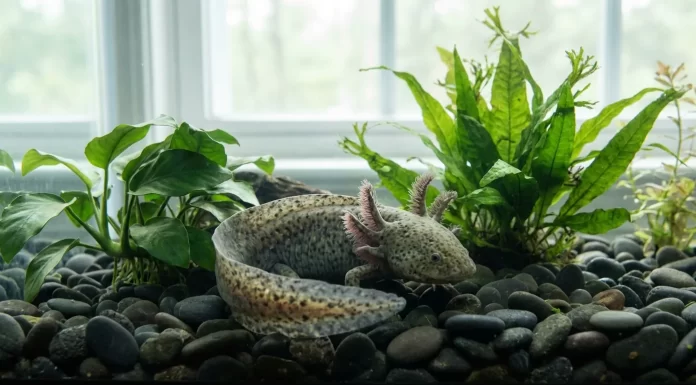
An axolotl that sits motionless at the bottom of its tank for hours is not necessarily sick. Axolotls are nocturnal ambush predators that conserve...
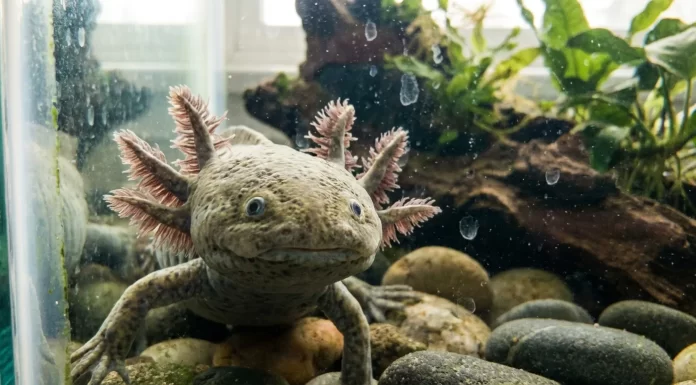
Axolotls are fully aquatic amphibians that should not be handled as part of routine care. Unlike reptiles or mammals that tolerate or even benefit...
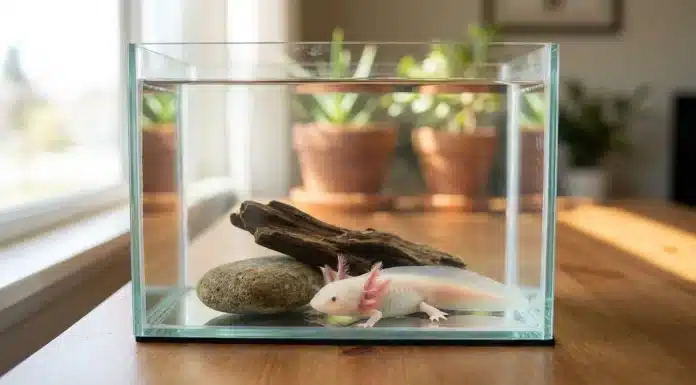
Every new axolotl you bring home should spend a minimum of 30 days in a separate quarantine container before it goes into your main...