

When an axolotl emergency happens, the difference between a recoverable situation and a fatal one often comes down to preparation. Ammonia spikes, heat spikes,...
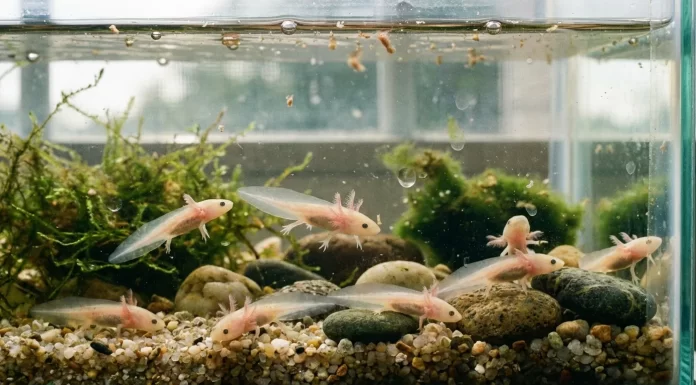
Raising axolotl larvae from hatching to juvenile is the most labor-intensive phase of axolotl breeding. A single clutch can produce hundreds of larvae, each...
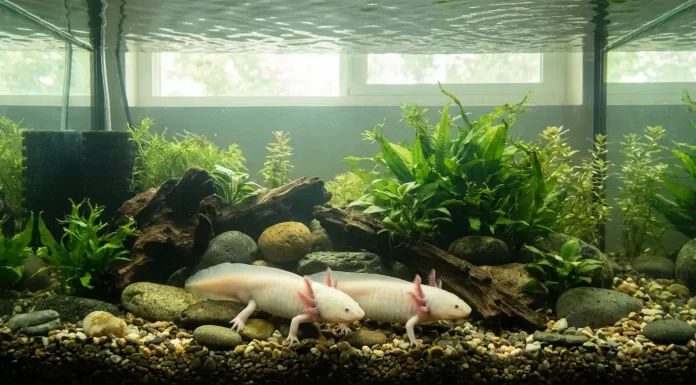
Axolotls cannot be reliably sexed before they approach sexual maturity, which means most keepers spend the first 6 to 12 months of ownership not...
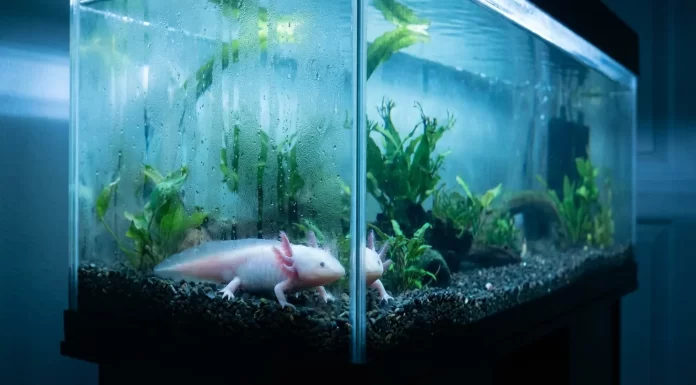
Summer is the most dangerous season for captive axolotls. These cold-water amphibians evolved in the deep, spring-fed canals of Lake Xochimilco where water temperatures...
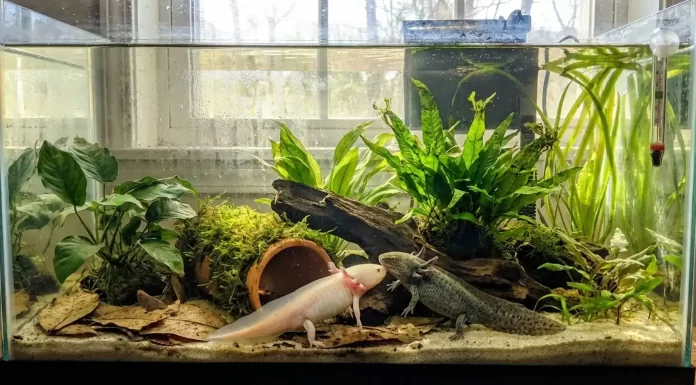
A successful axolotl breeding attempt begins weeks before the male and female ever share a tank. The breeding setup is the preparatory phase: selecting...
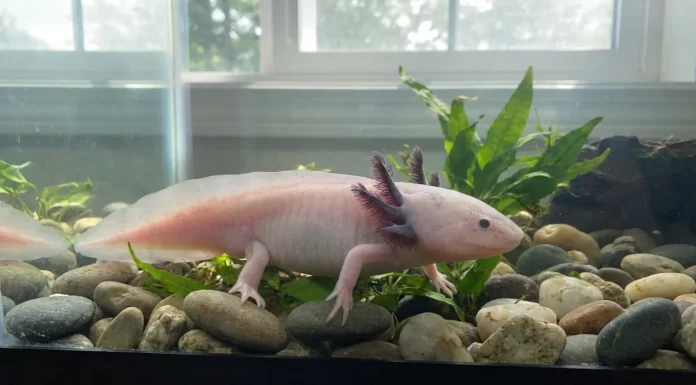
Heat kills axolotls faster than most keepers expect. When water temperature climbs above 72 degrees Fahrenheit (22 degrees Celsius), the axolotl's immune system weakens,...
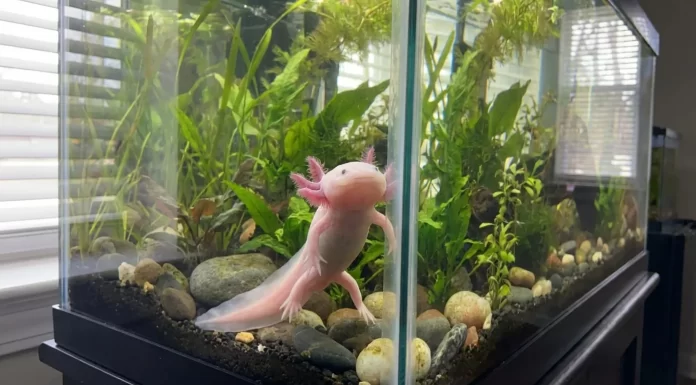
An axolotl that repeatedly swims along the tank glass, pushing its nose against the surface and pacing back and forth for minutes or hours,...
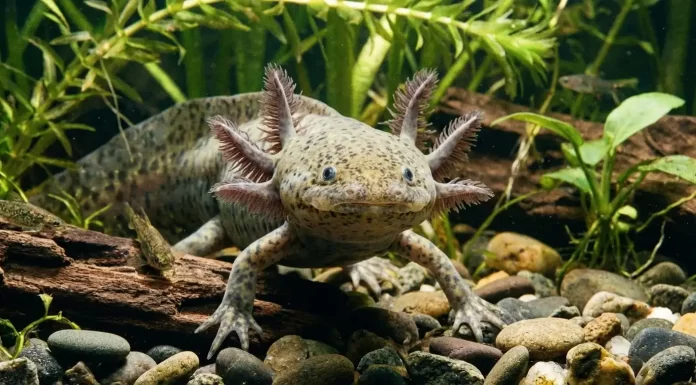
Most axolotl health problems start as water-quality problems, and most water-quality problems resolve with clean water, correct temperature, and patience. That reality leads many...
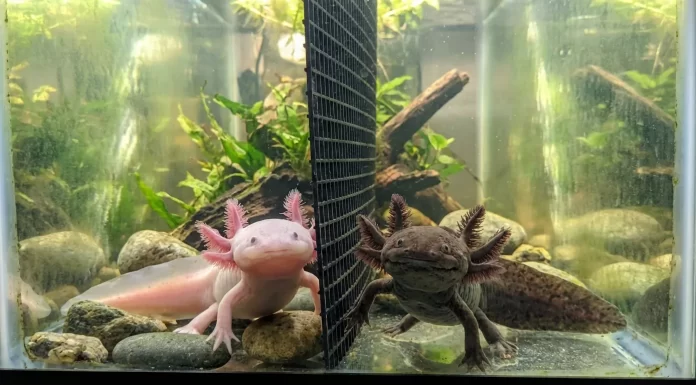
Axolotls eat each other. This is not a defect or a sign of poor temperament. It is normal predatory behavior from an animal that...
Most aquarium medications are designed for fish. Axolotls are not fish. They are neotenic salamanders with permeable skin, external gills, and a physiology that...