

Axolotls communicate through body language, not sound. Every gill flick, resting position, swimming pattern, and color shift carries information about whether your axolotl is...
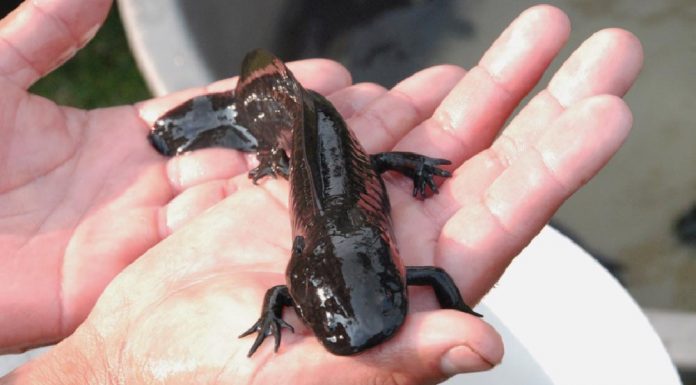
Axolotls cannot live out of water. They are obligate aquatic amphibians that depend on water for gill-based gas exchange, skin hydration, and thermoregulation. An...
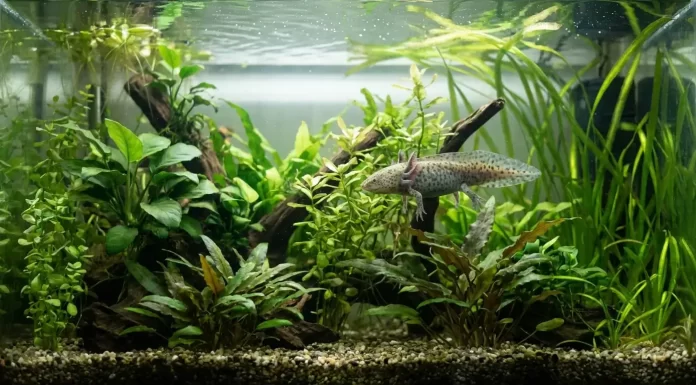
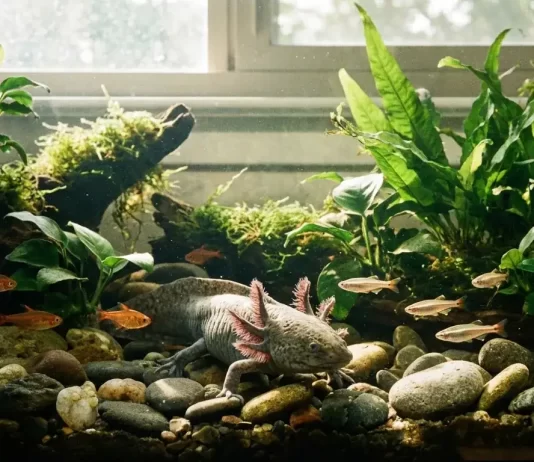
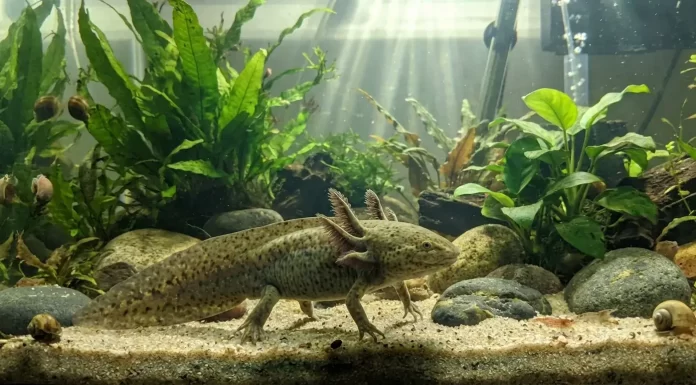
Live plants in an axolotl tank serve real biological functions beyond decoration. They absorb nitrate produced by the nitrogen cycle, generate dissolved oxygen, provide...
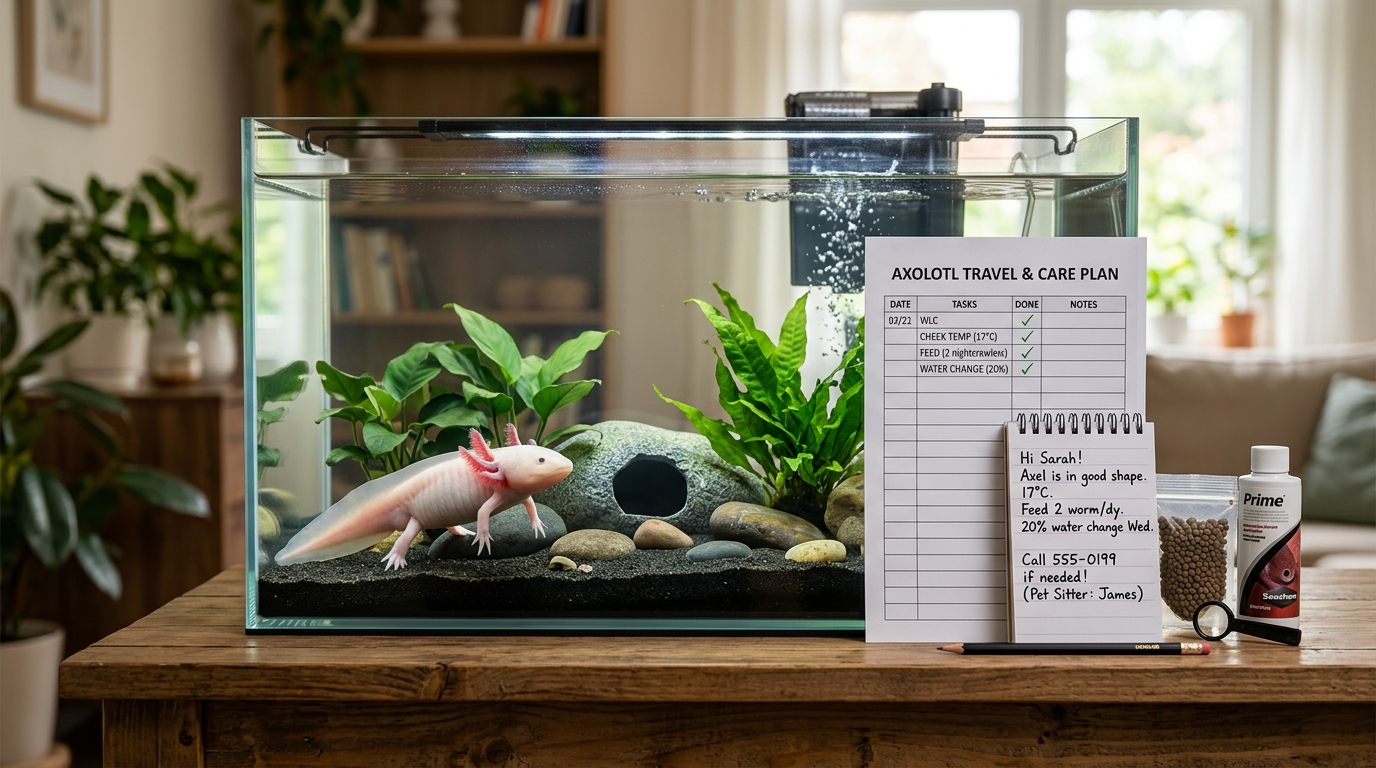
Leaving an axolotl for a few days is straightforward if the tank is cycled, water parameters are stable, and the animal is healthy. Leaving...
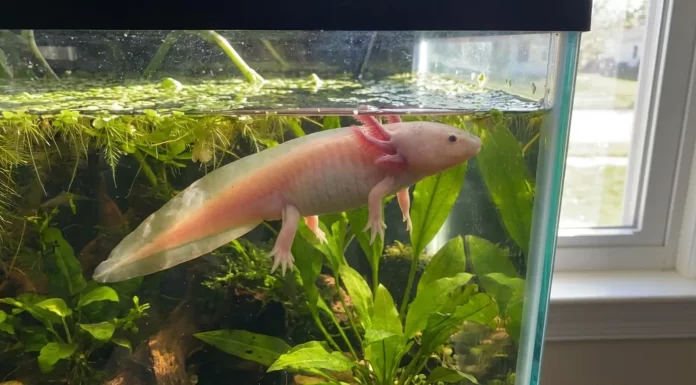
An axolotl that floats at the surface is not always in danger, but it always deserves attention. Floating can be completely benign (a swallowed...
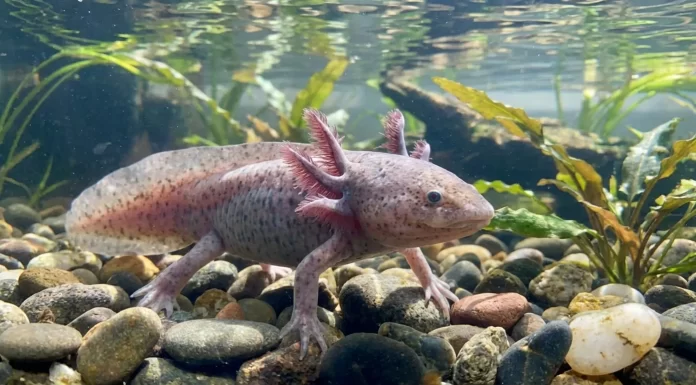
Most aquarium medications are designed for fish. Axolotls are not fish. They are neotenic salamanders with permeable skin, external gills, and a physiology that...
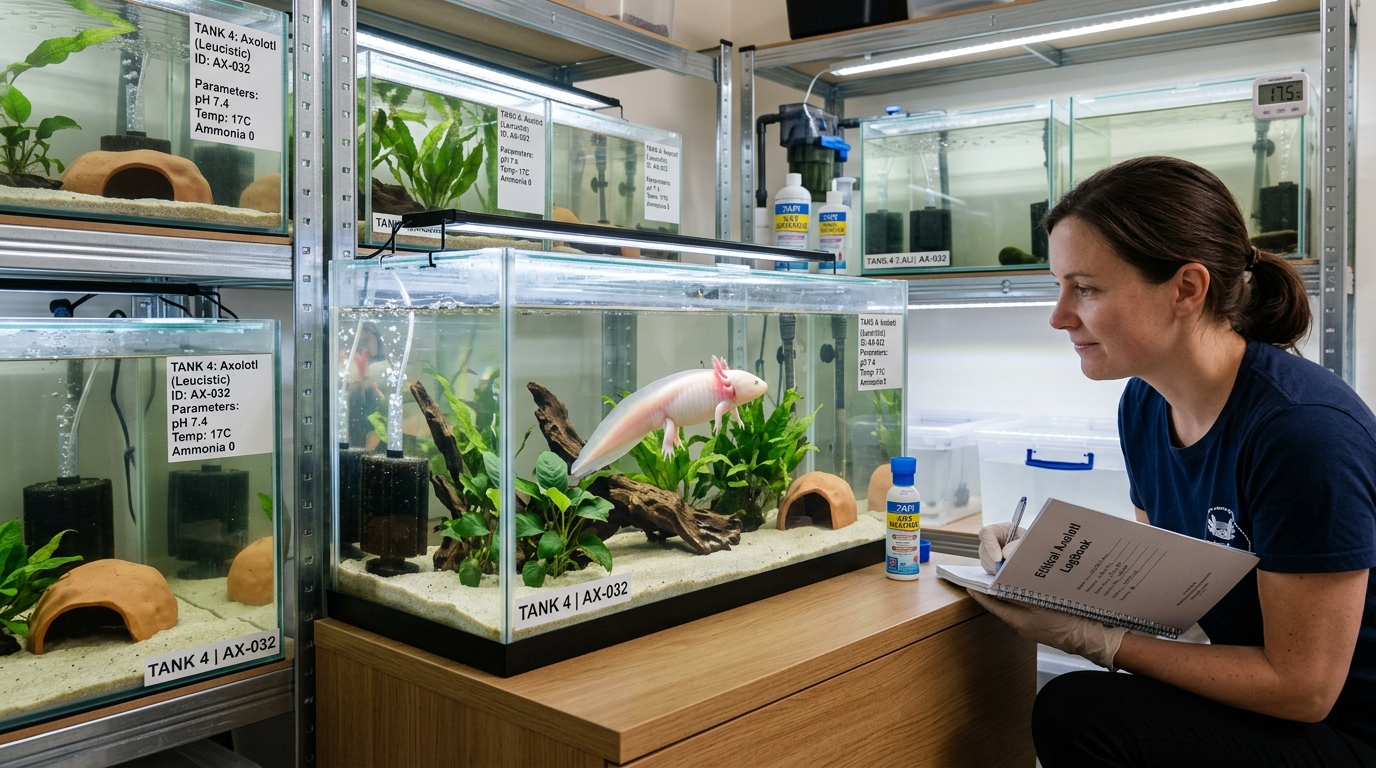
Where you get your axolotl determines the animal's health trajectory from day one. Captive-bred axolotls from reputable breeders arrive with known genetics, documented lineage,...
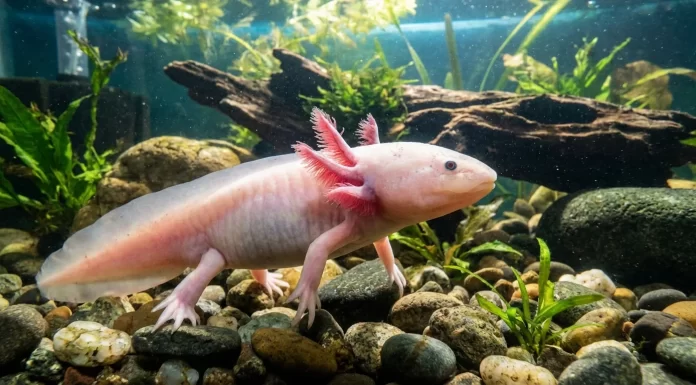
Axolotls need water between 60 and 68 degrees Fahrenheit (16 to 20 degrees Celsius), with the sweet spot at 60 to 64 degrees Fahrenheit...
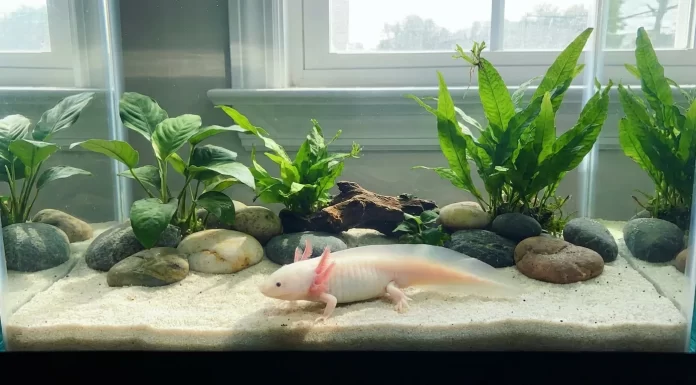
A clean axolotl tank is not a tank that looks clean. It is a tank where ammonia reads 0 ppm, nitrite reads 0 ppm,...
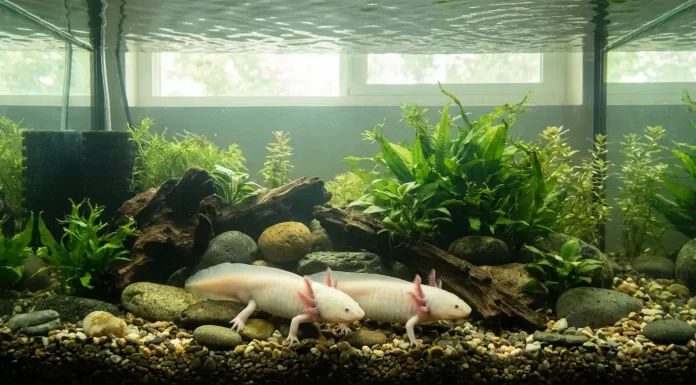
Axolotls cannot be reliably sexed before they approach sexual maturity, which means most keepers spend the first 6 to 12 months of ownership not...