

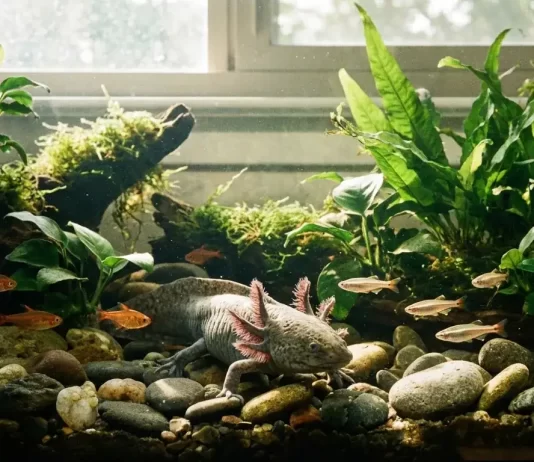
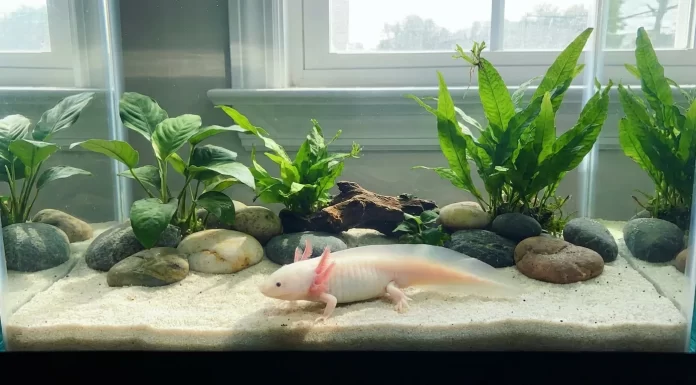
A clean axolotl tank is not a tank that looks clean. It is a tank where ammonia reads 0 ppm, nitrite reads 0 ppm,...
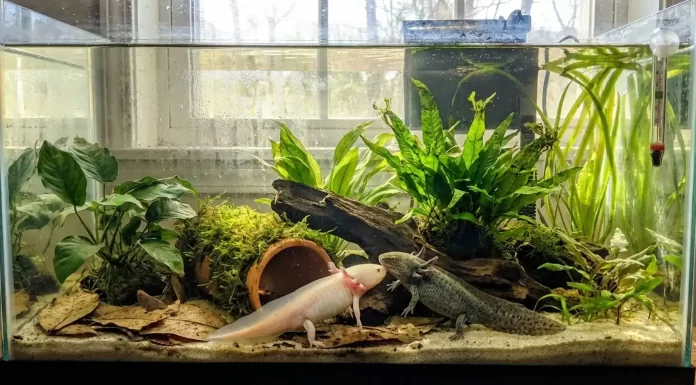
A successful axolotl breeding attempt begins weeks before the male and female ever share a tank. The breeding setup is the preparatory phase: selecting...
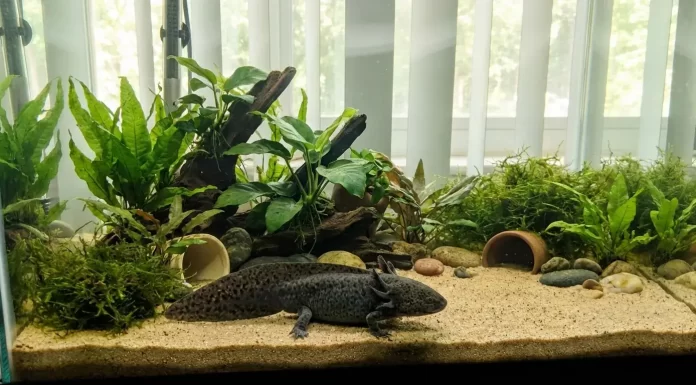
Most axolotl deaths in the first year of ownership trace back to a handful of preventable errors. The animals themselves are hardy when their...
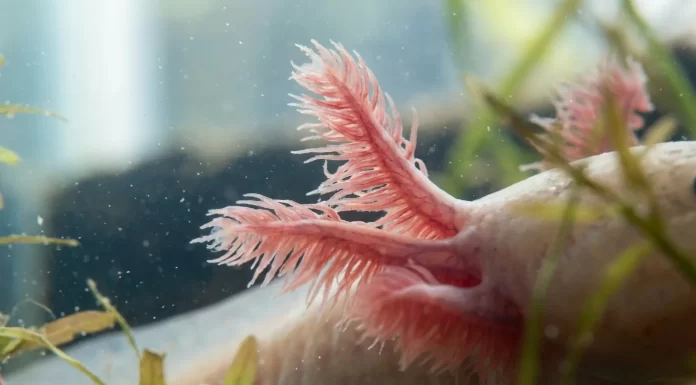
Forward-curled gills are one of the most common visual stress indicators in captive axolotls. When an axolotl's external gill stalks angle toward the snout...
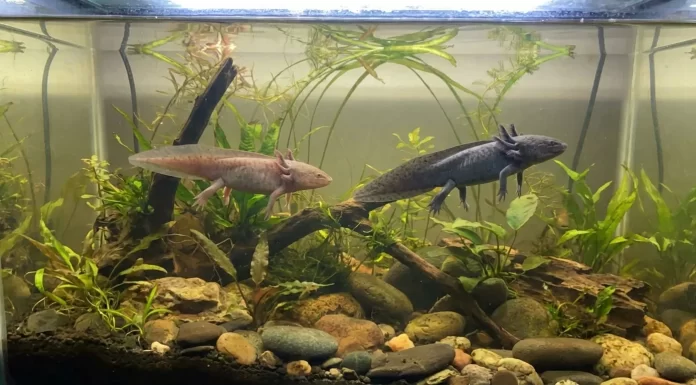
Multiple axolotls can share a tank, but "can" and "should" are separated by a list of conditions that many keepers underestimate. Axolotls are solitary...
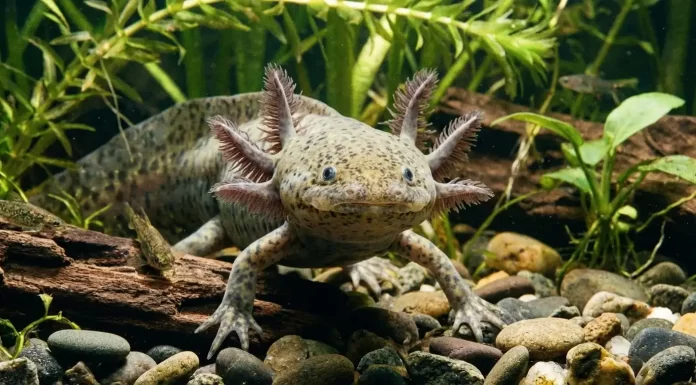
Most axolotl health problems start as water-quality problems, and most water-quality problems resolve with clean water, correct temperature, and patience. That reality leads many...
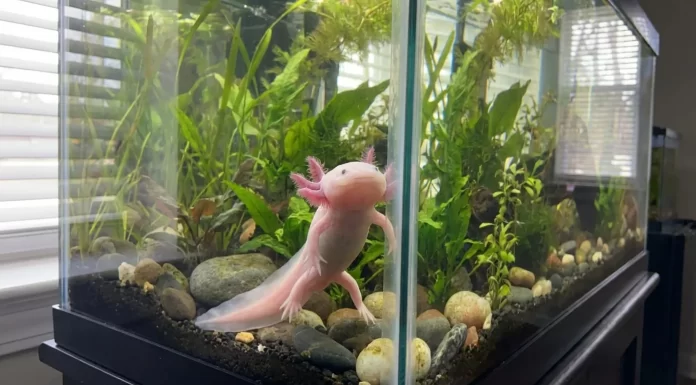
An axolotl that repeatedly swims along the tank glass, pushing its nose against the surface and pacing back and forth for minutes or hours,...
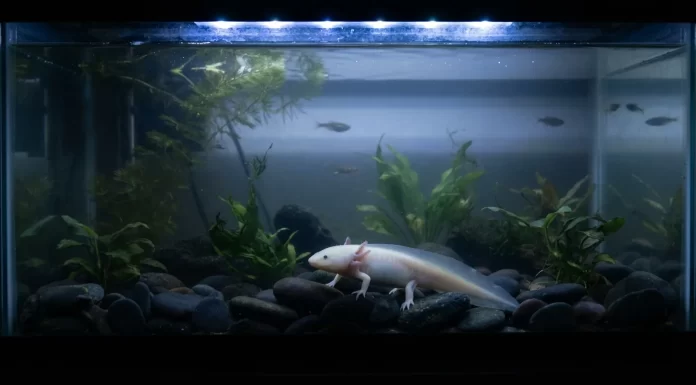
Axolotls are nocturnal amphibians that lack eyelids and evolved in the murky, shaded waters of Lake Xochimilco. Bright light causes measurable stress in these...
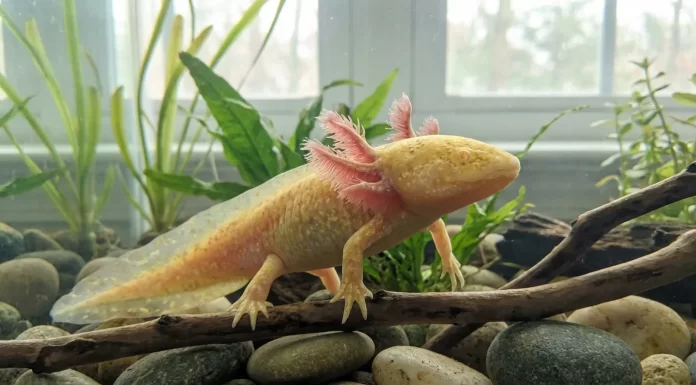
Most axolotls on a varied whole-prey diet do not need vitamin or mineral supplements. The question comes up frequently because reptile and terrestrial amphibian...
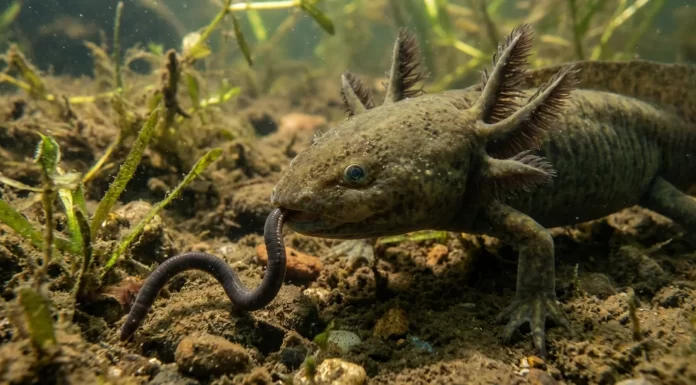
Live food can be a valuable part of an axolotl's diet, but not all live foods carry the same risk. Some options, like nightcrawlers...