

Axolotls are fully aquatic amphibians with permeable skin and exposed gill tissue, which means the mineral content and chemical balance of their water affects...
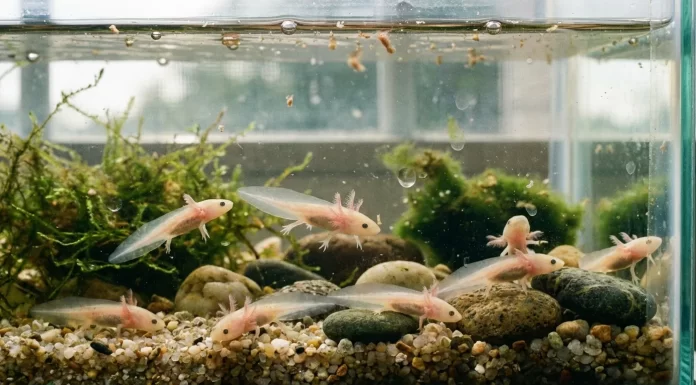
Raising axolotl larvae from hatching to juvenile is the most labor-intensive phase of axolotl breeding. A single clutch can produce hundreds of larvae, each...
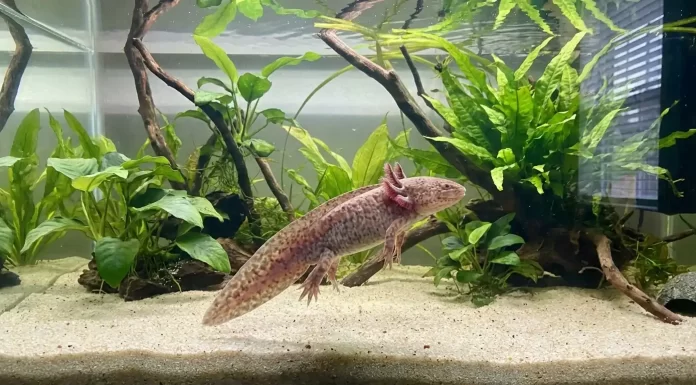
Impaction is a physical blockage of the digestive tract caused by swallowed material that the axolotl cannot pass. In captive axolotls, the most common...
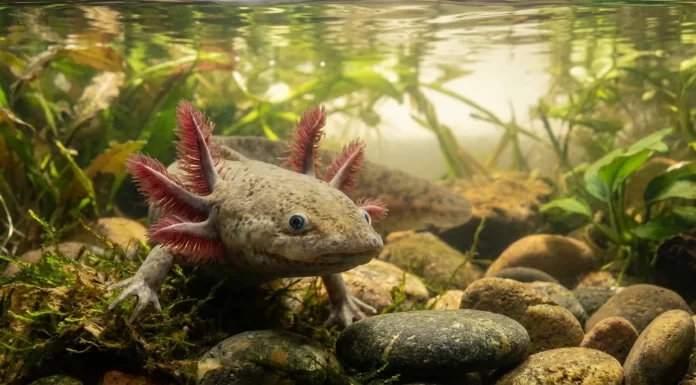
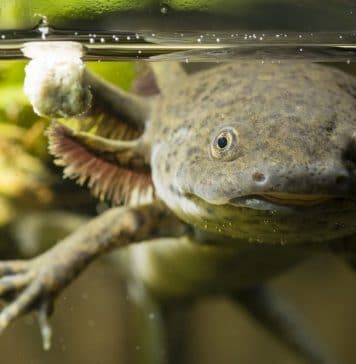
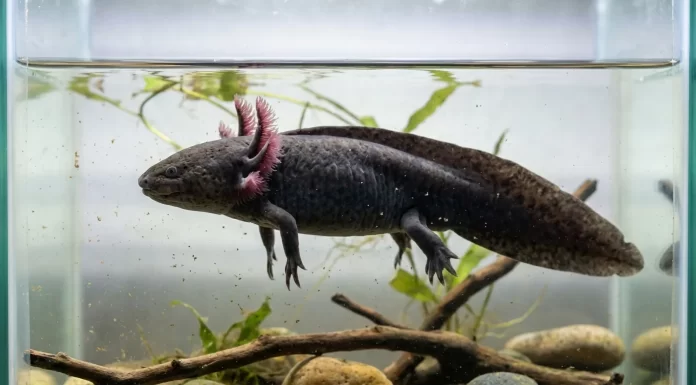
A healthy axolotl has full, branching gill filaments, clear eyes, smooth unblemished skin, a body width roughly equal to head width, and active responses...
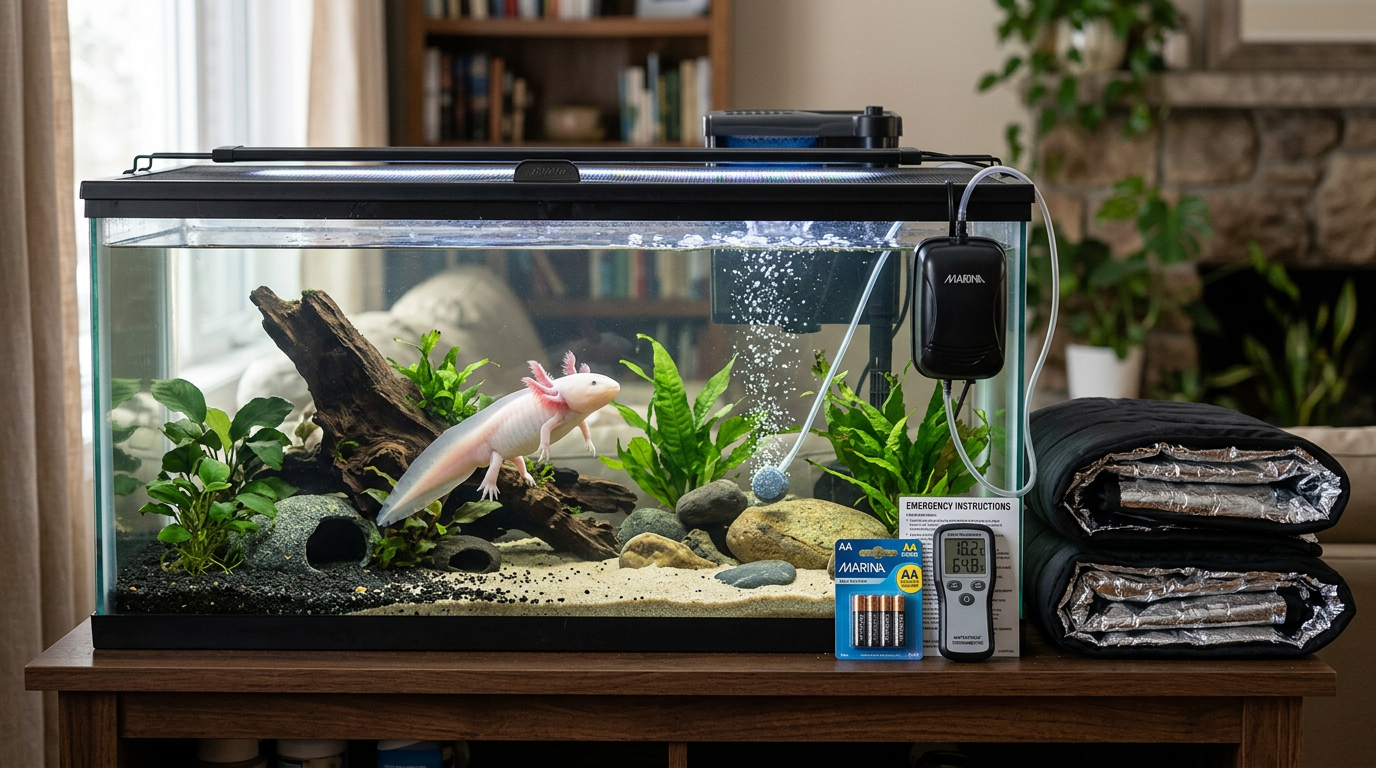
A power outage shuts down your axolotl's filtration, chiller or fan, and lighting simultaneously, creating three overlapping risks: dissolved oxygen depletion, temperature drift, and...
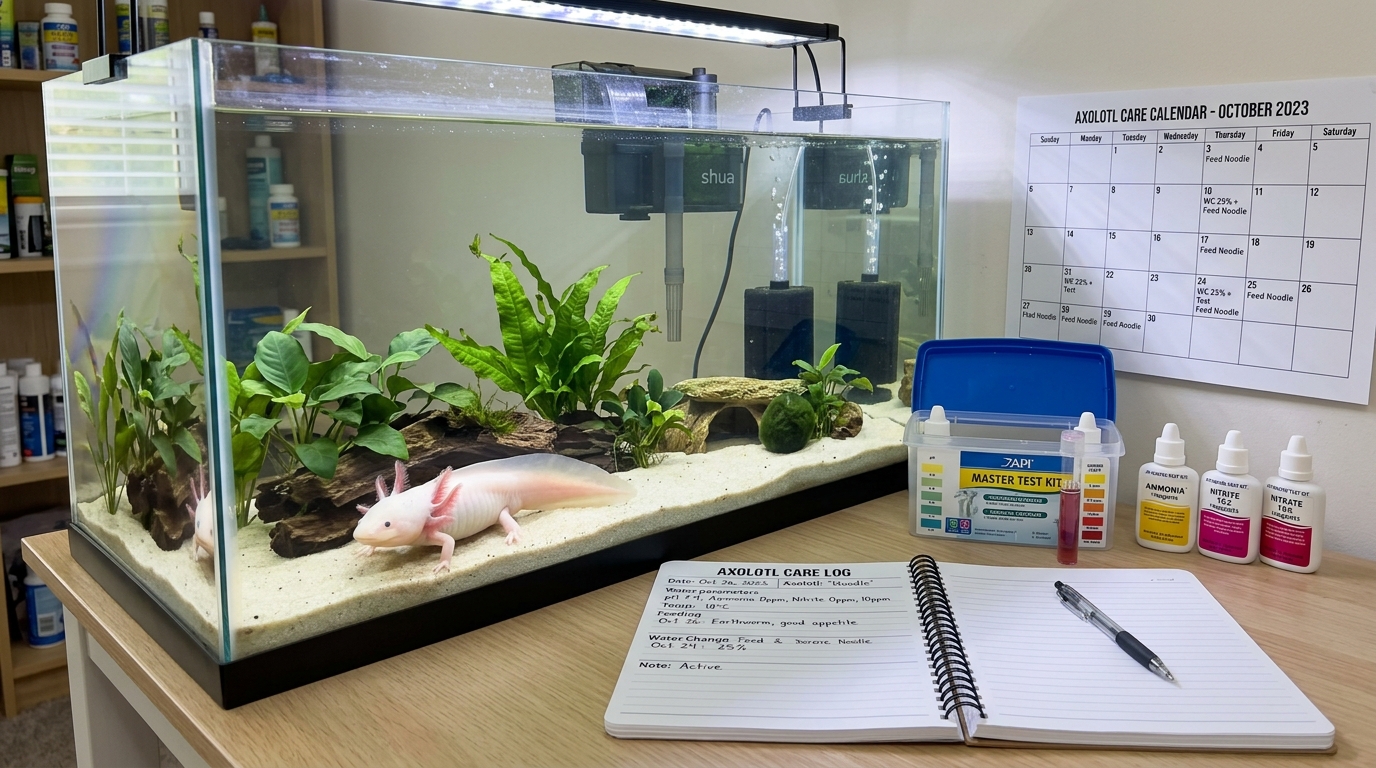
Keeping written records of your axolotl's environment and health turns scattered observations into a reliable dataset that catches problems before they become emergencies. A...
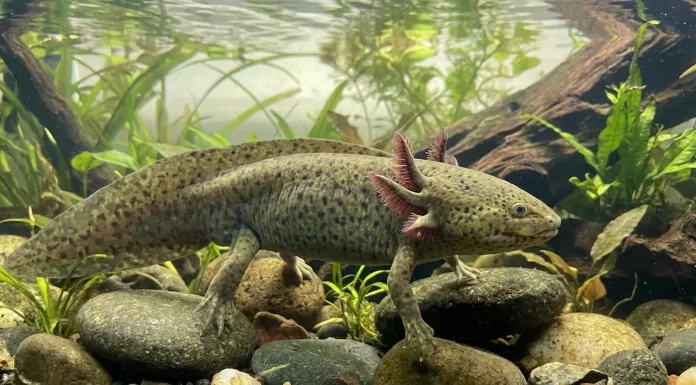
Line breeding -- repeatedly pairing related axolotls to fix a desired trait like color morph or pattern -- is one of the fastest ways...
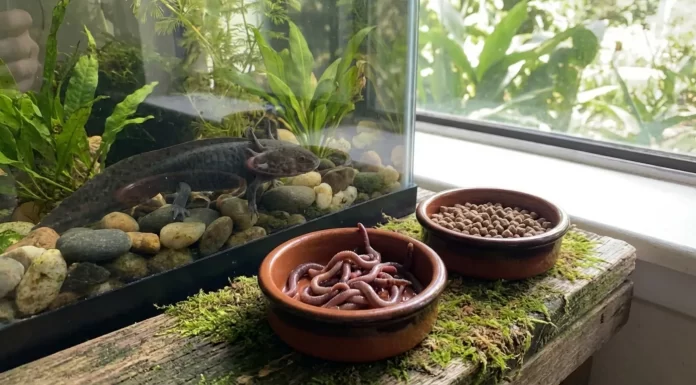
Earthworms and pellets are the two most common staple foods for captive axolotls, and choosing between them is one of the first feeding decisions...