

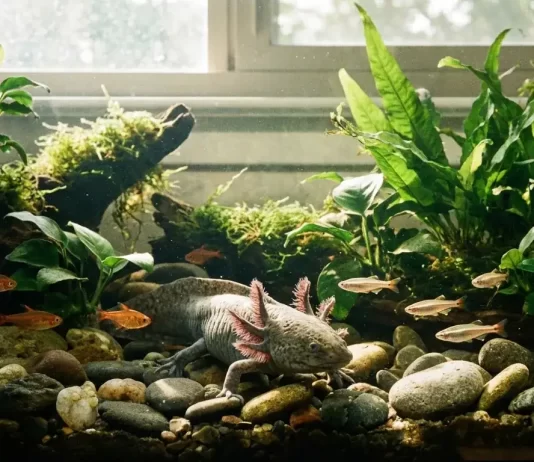

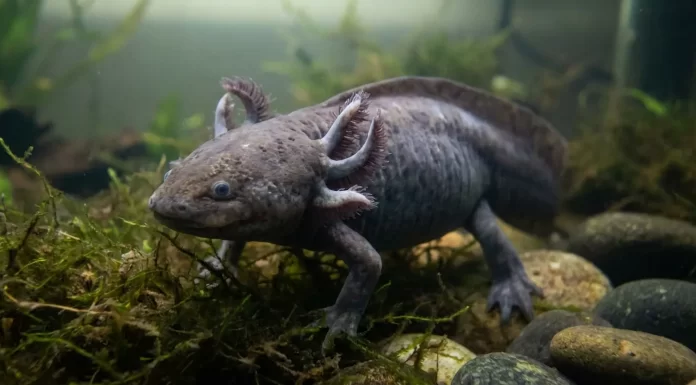
Axolotls do not vocalize, wag tails, or make facial expressions. Every signal they produce is physical: a change in gill posture, skin color, movement...
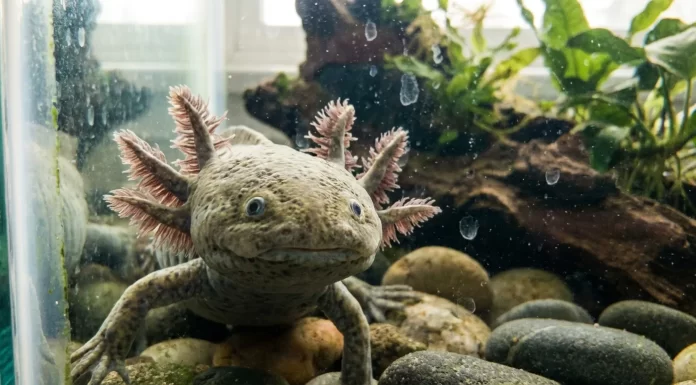
Axolotls are fully aquatic amphibians that should not be handled as part of routine care. Unlike reptiles or mammals that tolerate or even benefit...
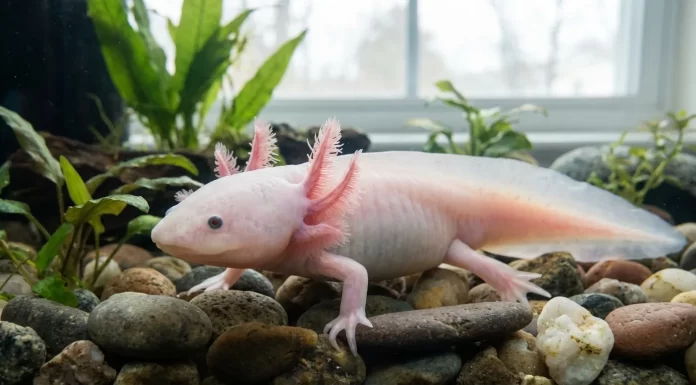
Fungal infections are one of the most common health problems in captive axolotls, and they are almost always a sign that something in the...
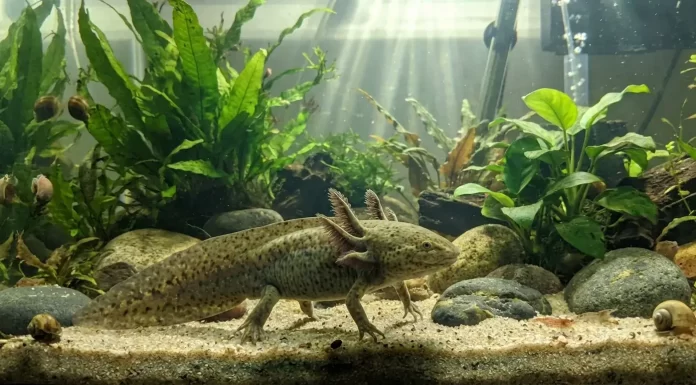
Axolotls communicate through body language, not sound. Every gill flick, resting position, swimming pattern, and color shift carries information about whether your axolotl is...
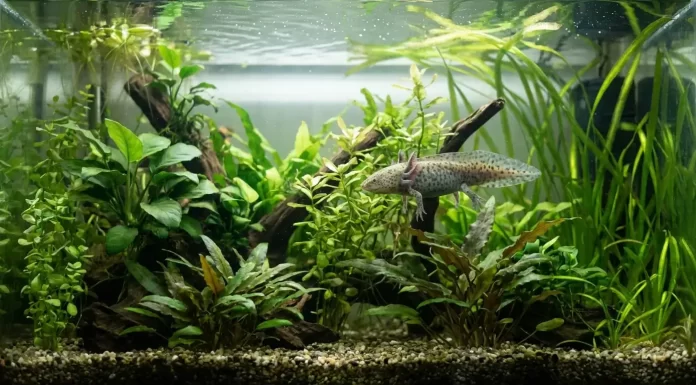
Live plants in an axolotl tank serve real biological functions beyond decoration. They absorb nitrate produced by the nitrogen cycle, generate dissolved oxygen, provide...
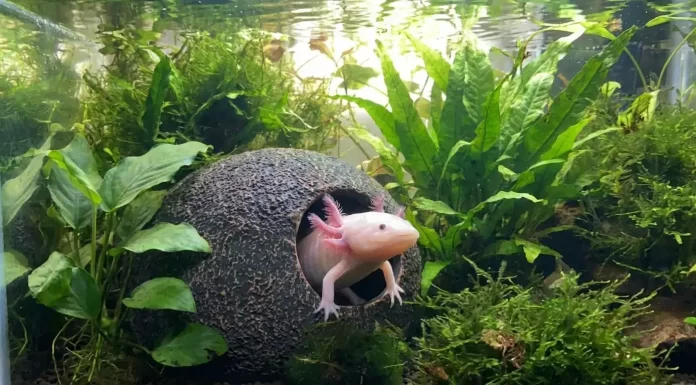
Axolotls are nocturnal, bottom-dwelling amphibians that spend most of the daylight hours sheltered inside or under cover. Hides are not decorations in an axolotl...
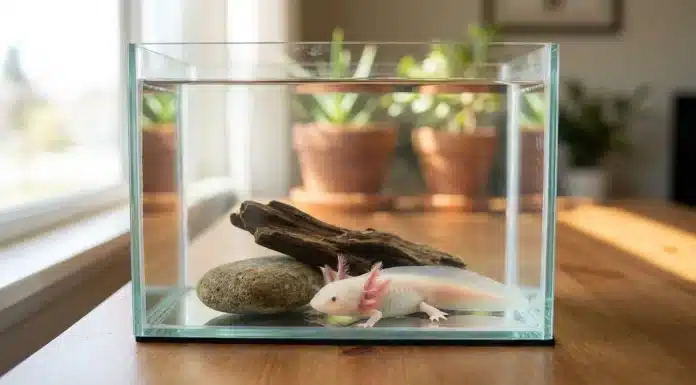
Every new axolotl you bring home should spend a minimum of 30 days in a separate quarantine container before it goes into your main...
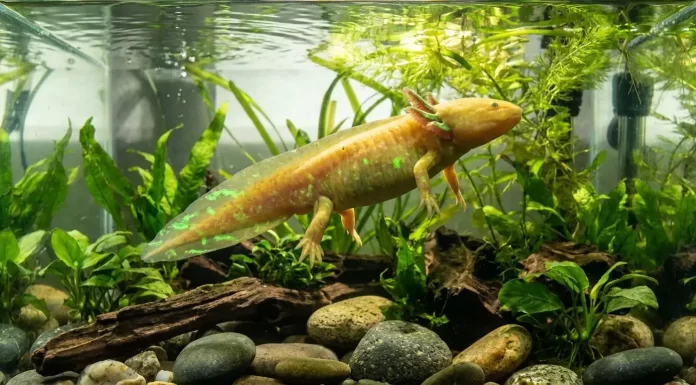
A GFP axolotl is a genetically modified axolotl that carries a transgene encoding green fluorescent protein, originally isolated from the jellyfish Aequorea victoria. Under...
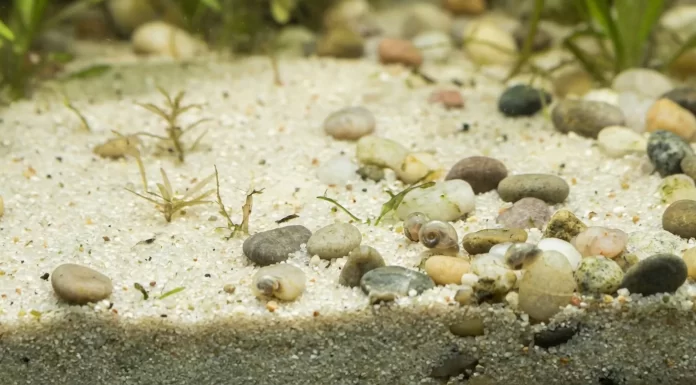
Substrate is the material covering the bottom of your axolotl’s tank, and the wrong choice can kill the animal. Gravel is the single most...
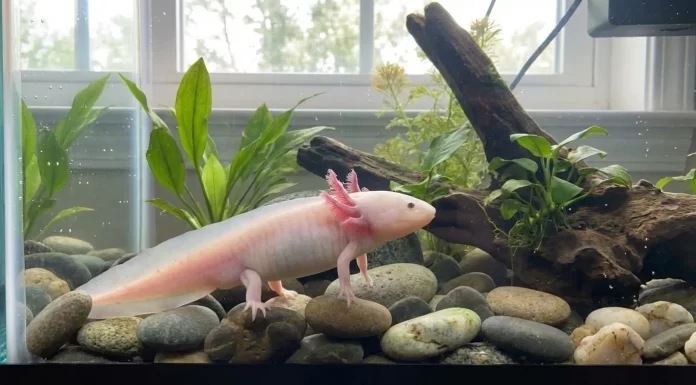
Water testing is the single most important diagnostic tool in axolotl keeping. Every parameter that affects an axolotl’s health – ammonia, nitrite, nitrate, pH,...