

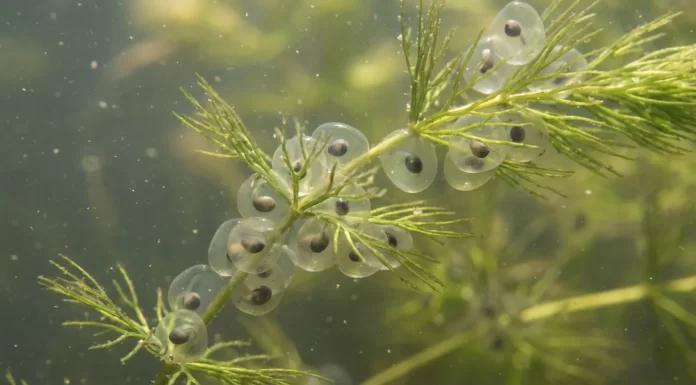
After axolotls spawn, the eggs require dedicated care in a separate container with clean, temperature-stable water. A female can lay between 200 and 1,500...
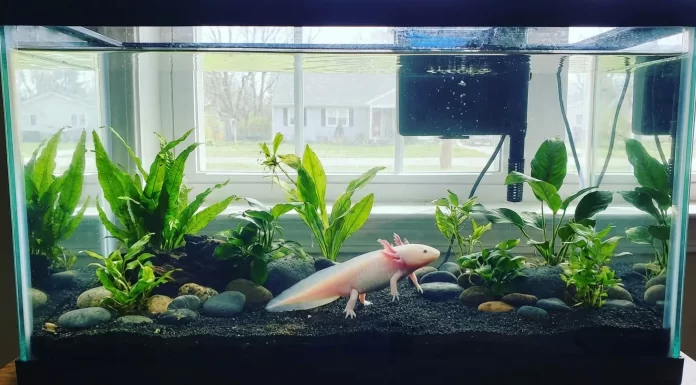
Cycling an axolotl tank means growing colonies of beneficial bacteria inside the filter and on tank surfaces before the axolotl ever enters the water....
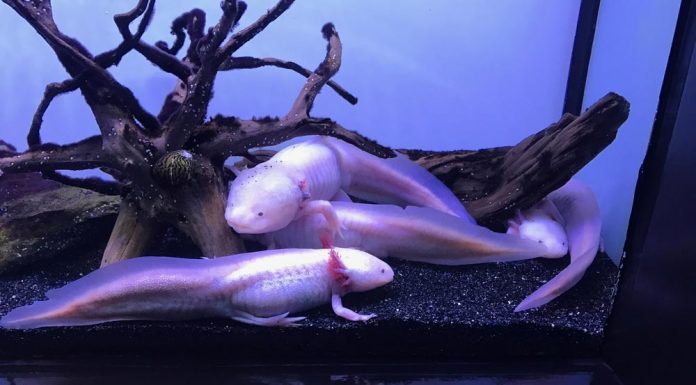
Breeding axolotls is straightforward in mechanical terms and extraordinarily demanding in practical ones. A sexually mature male deposits spermatophores on the substrate, a receptive...
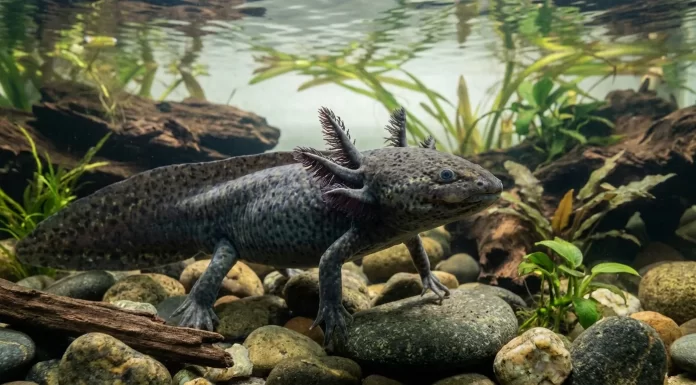
Axolotls are one of the few vertebrates that can regenerate entire limbs, gills, tails, sections of spinal cord, portions of the brain, and even...
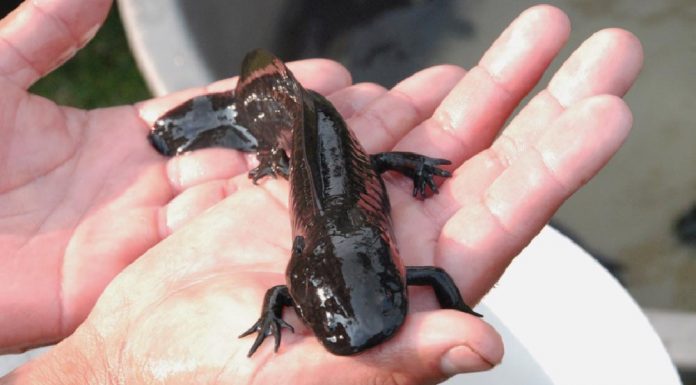
Axolotls cannot live out of water. They are obligate aquatic amphibians that depend on water for gill-based gas exchange, skin hydration, and thermoregulation. An...
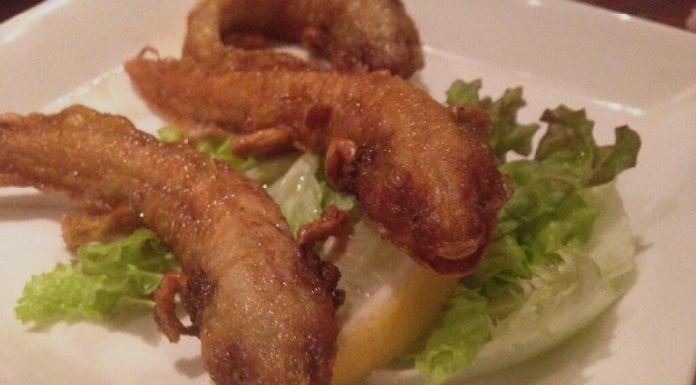
The axolotl (Ambystoma mexicanum) is critically endangered in the wild. The IUCN Red List classifies the species as Critically Endangered with a decreasing population...
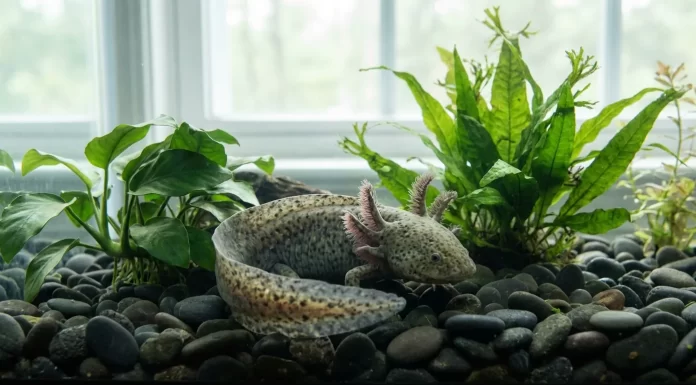
An axolotl that sits motionless at the bottom of its tank for hours is not necessarily sick. Axolotls are nocturnal ambush predators that conserve...
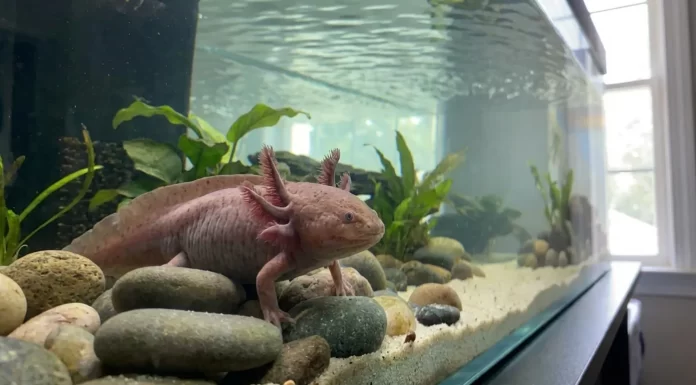
Axolotls are slow-water animals that cannot tolerate strong current. In the wild, axolotls inhabit the still and slow-moving canal systems of Lake Xochimilco in...
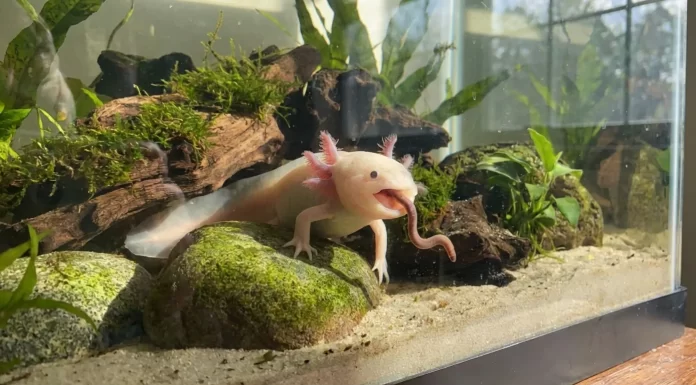
The single most reliable way to size an axolotl's meal is the body-width rule: each food item should be no wider than the space...
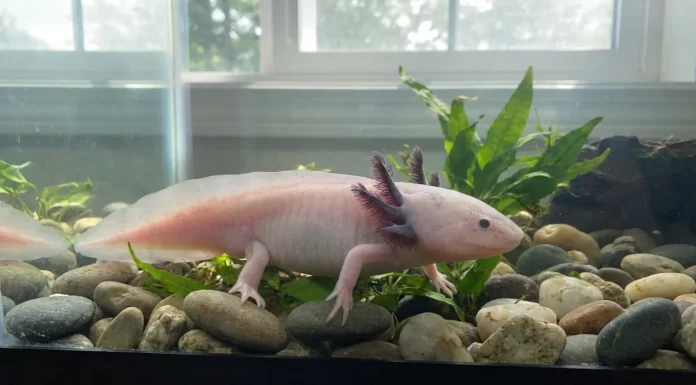
Heat kills axolotls faster than most keepers expect. When water temperature climbs above 72 degrees Fahrenheit (22 degrees Celsius), the axolotl's immune system weakens,...