

Axolotl Beginner Mistakes (and How to Fix Them)
Most beginner axolotl problems trace back to two things: an uncycled tank or water that’s too warm....
Quick answer
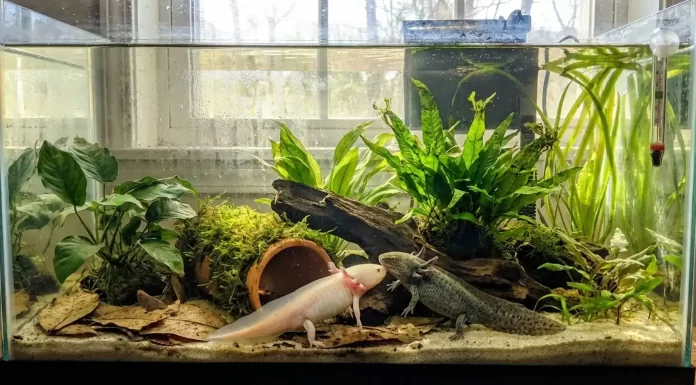
A successful axolotl breeding setup requires a dedicated 180 L (40 gal breeder) tank kept at 16–18°C with nitrate below 20 ppm, plants...
Quick answer
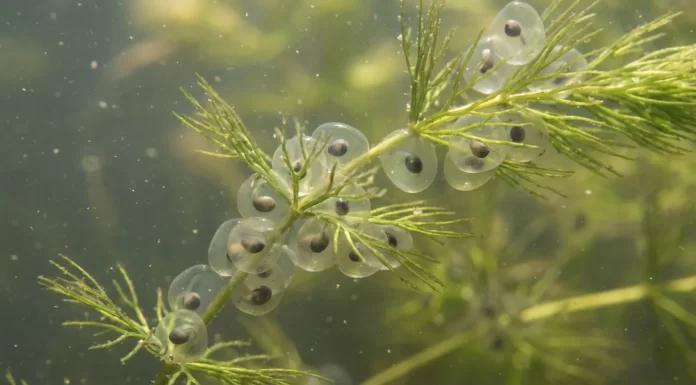
Axolotl eggs need cool, clean, dechlorinated water (25°C absolute maximum), gentle aeration, and immediate parent removal after spawning. Hatch time ranges from under...
Quick answer
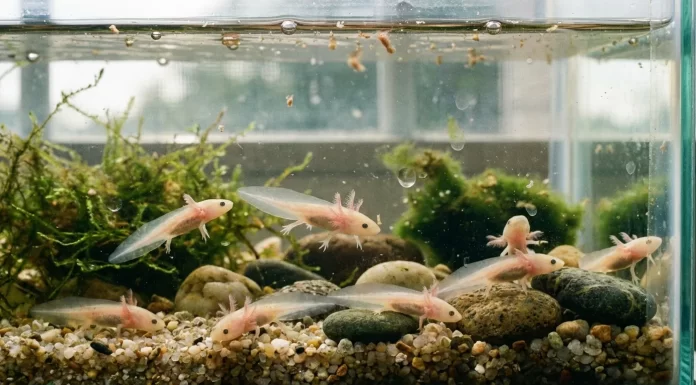
Axolotl larvae need live food, daily water changes, and carefully managed density. Feed nothing for the first 24–72 hours (yolk absorption), then introduce...
Quick answer
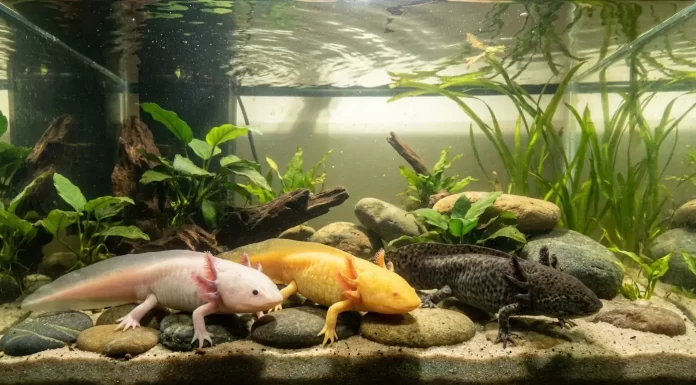
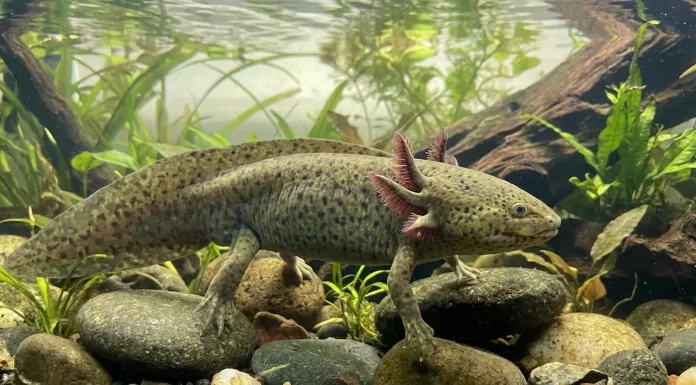
Axolotl color is controlled by six known genes, each with dominant and recessive alleles. All common color mutations (albinism, leucistic, melanoid, axanthic, copper)...
Quick answer
Line breeding (repeatedly breeding related animals to fix desirable traits) carries significant genetic risks in axolotls. The captive axolotl population already descends from...
Quick answer
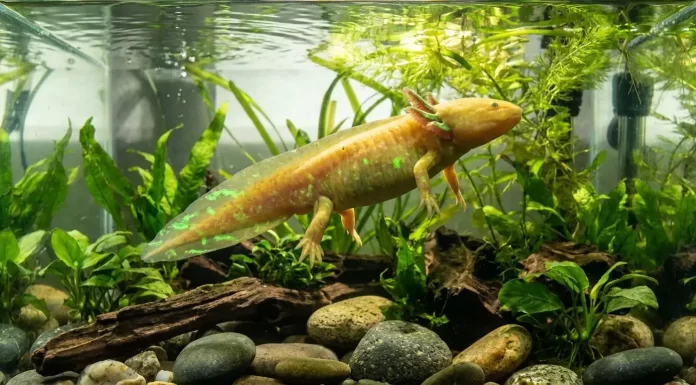
A GFP axolotl carries the Green Fluorescent Protein gene — originally from jellyfish — that causes the animal to glow bright green under...
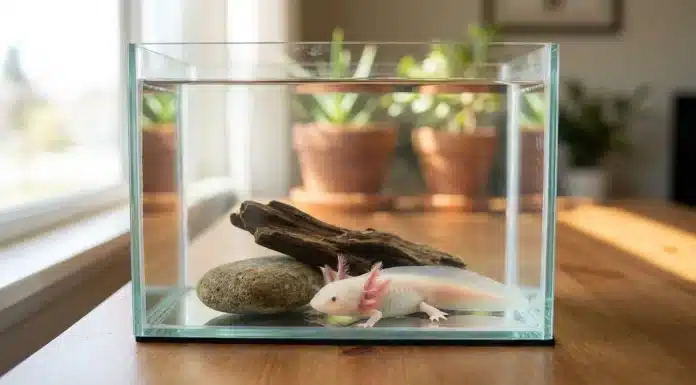
Quarantine is one of the most skipped steps in axolotl keeping, and one of the most consequential. A new axolotl that looks healthy can...
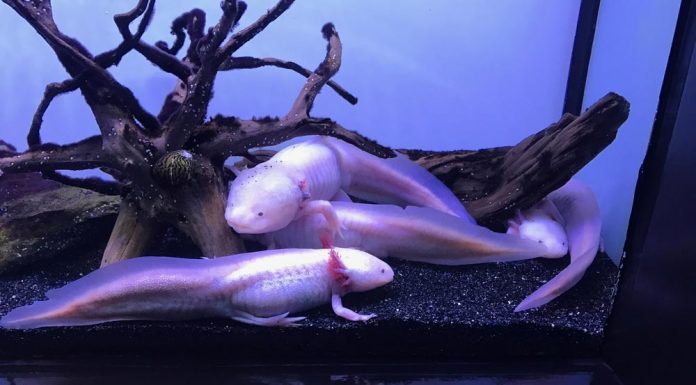
Breeding axolotls is not difficult. Managing the output responsibly is. That sentence is the most important thing on this page, and it belongs at...
Quick answer
The axolotl (Ambystoma mexicanum) is listed as Critically Endangered by the IUCN. The wild population has declined by more than 99% since 1998...