

Axolotls eat each other because of a movement-triggered suction reflex, not aggression. Their poor eyesight means a tank mate's gill or toe reads the...
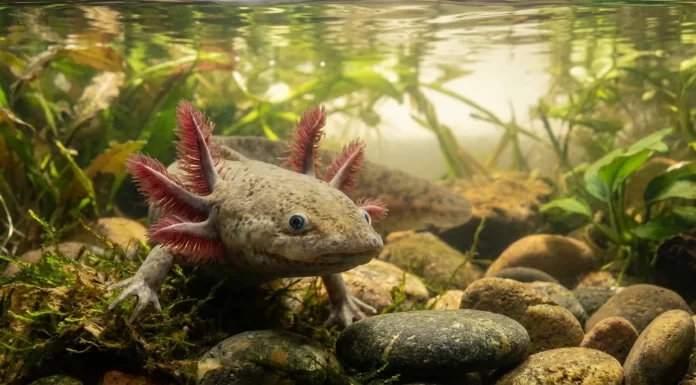
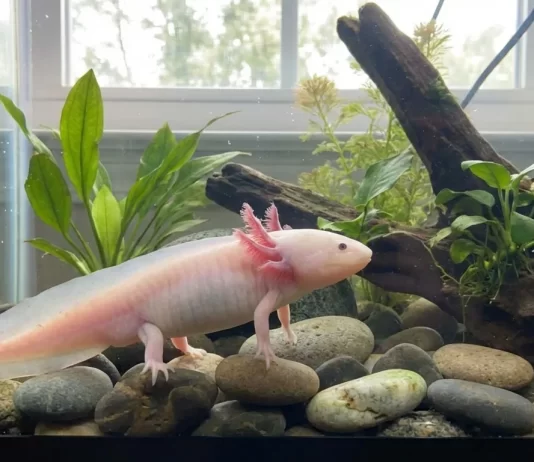
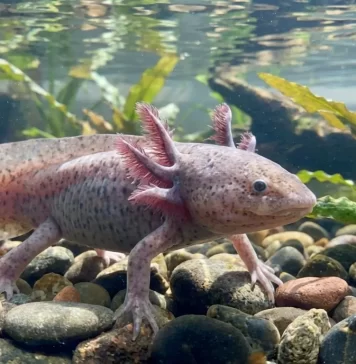
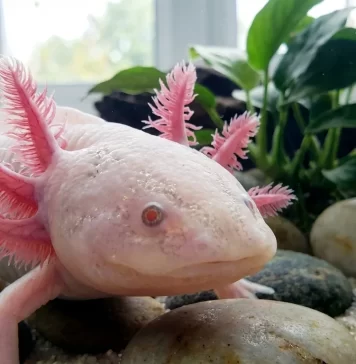
A healthy axolotl shows full feathery gill filaments, clear eyes, smooth unblemished skin, head-equal body width with a rounded abdomen, and active responses to...
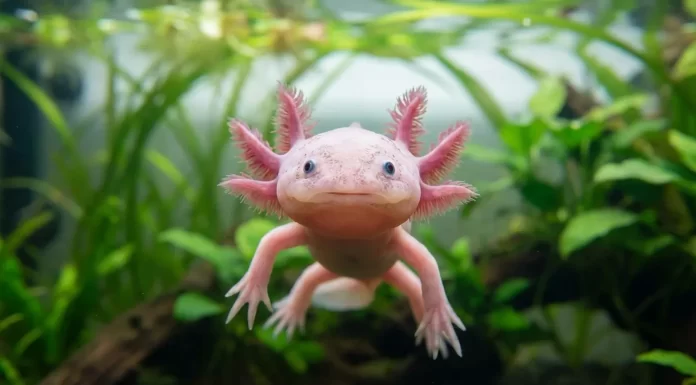
Axolotls absorb chemicals through gill filaments and permeable skin, which makes untreated tap water dangerous. Chlorine burns gill tissue on contact. Chloramine releases free...
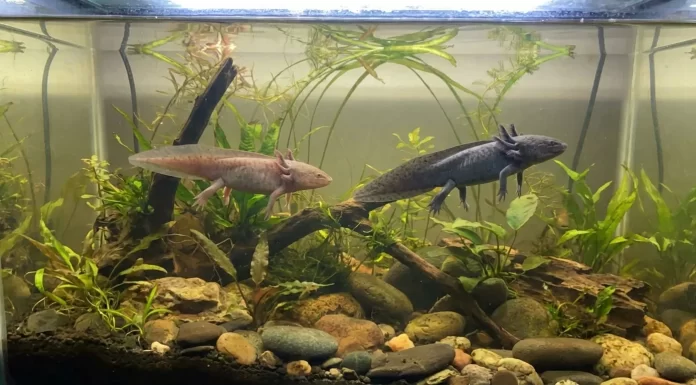
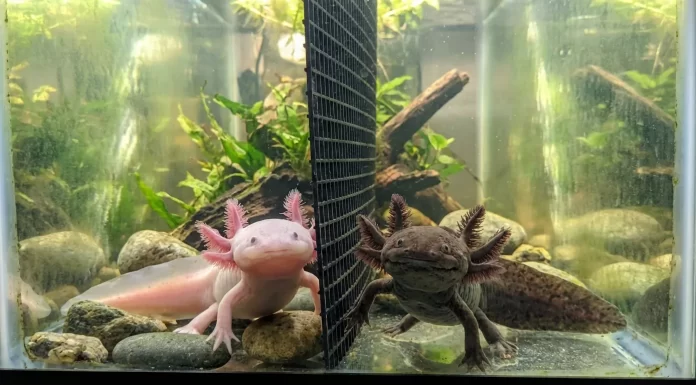
Yes, axolotls can live together, but only under tight conditions, and a single animal is always the safest choice. Cohabitation works when the axolotls...
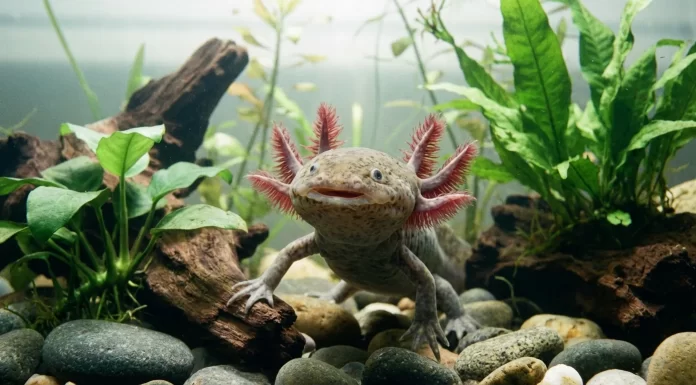
A missed meal is rarely an emergency, but more than 72 hours of refusal is a medical concern. The eight-cause matrix covers water quality,...
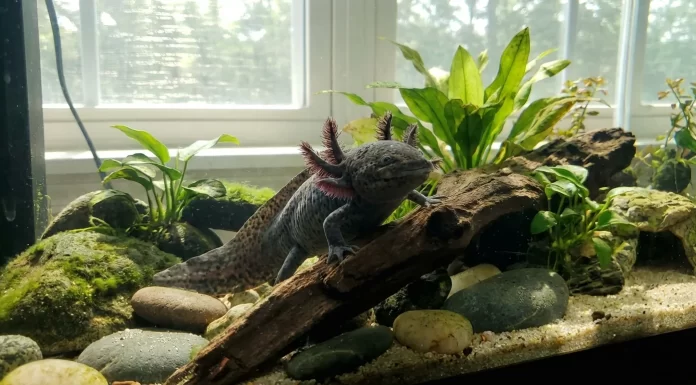
The first 30 to 60 minutes of an axolotl emergency are where keeper action matters most. Have the emergency kit assembled before the event....
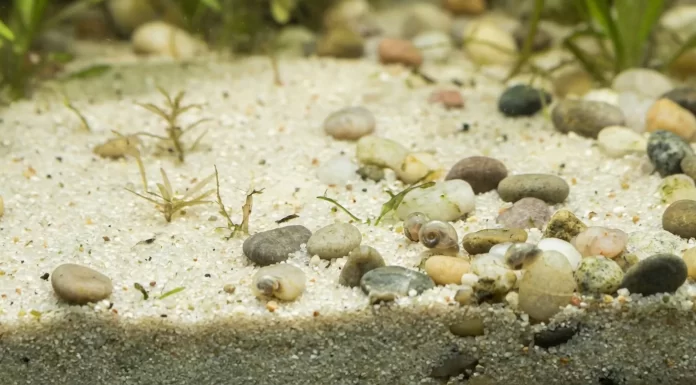
Gravel is the single most dangerous substrate for axolotls because pieces between 2 and 15 millimeters fit in the mouth but cannot pass through...
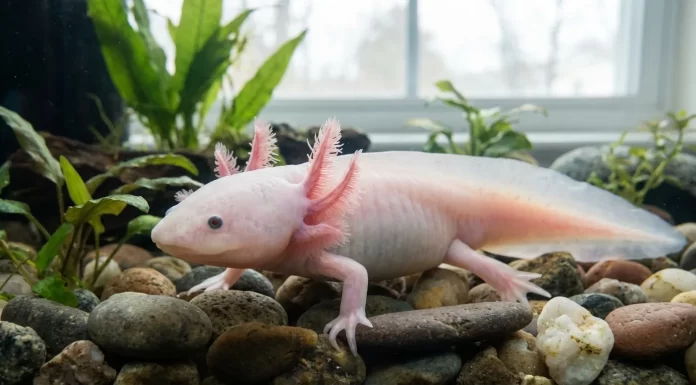
Fungal infections on axolotls present as three-dimensional white cotton-like tufts on gills, skin, or wound sites. Bacterial infections look flat and slimy by contrast....
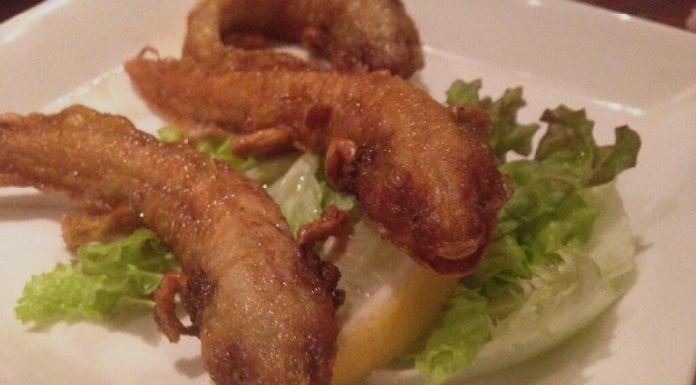
The wild axolotl is critically endangered because its only home, the canals of Xochimilco near Mexico City, has been drained, polluted, and overrun by...
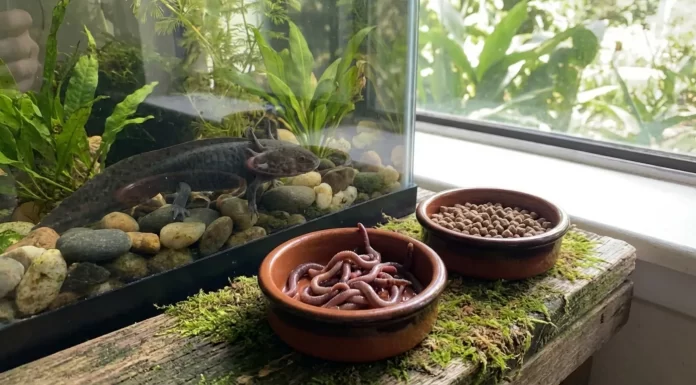
Earthworms are the nutritionally superior staple food for captive axolotls. Pellets are useful backup for situations where worms are impractical. The optimal approach for...