

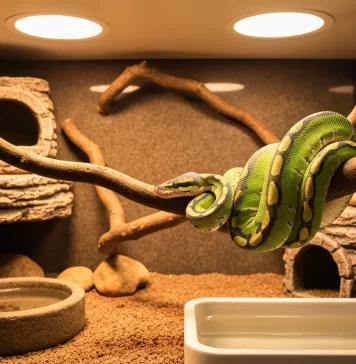
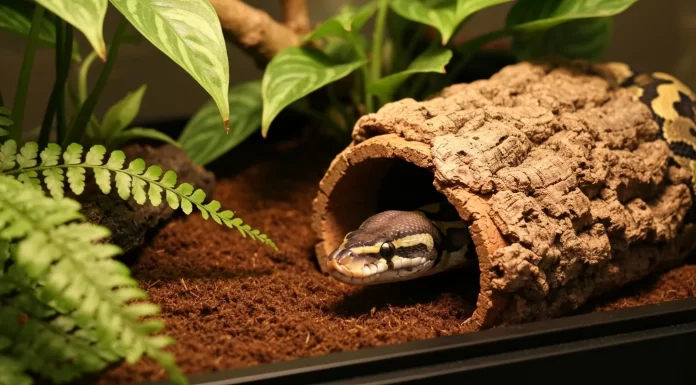
Ball pythons need at least two hides — one on the warm side, one on the cool side — sized to fit snugly around...
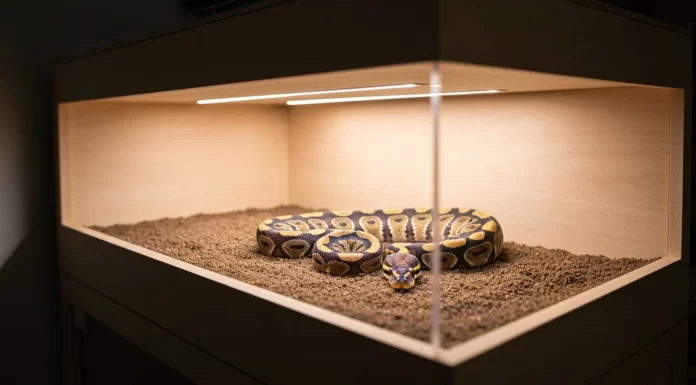
Ball pythons don’t require visible light for survival, but a consistent 12-hour light / 12-hour dark cycle maintains a healthy circadian rhythm. UVB is...
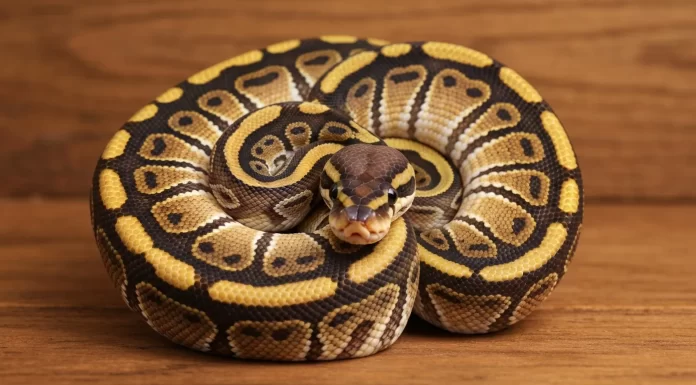
Ball pythons don’t make noise, they don’t change facial expressions, and when they’re calm they’ll sit motionless in their hide for hours. Every piece...
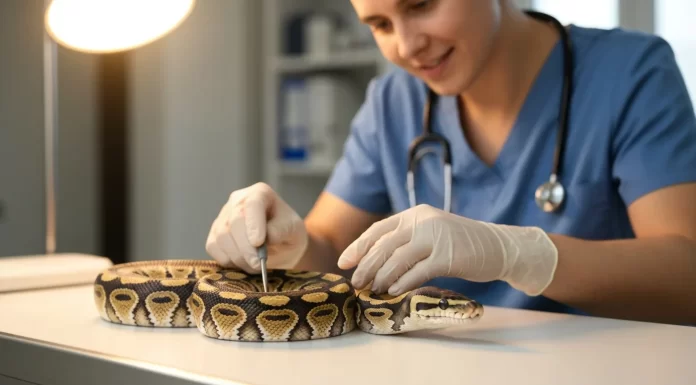
The most common ball python health problems are respiratory infections, mites, scale rot, stuck shed complications, and obesity. Most can be avoided with correct...
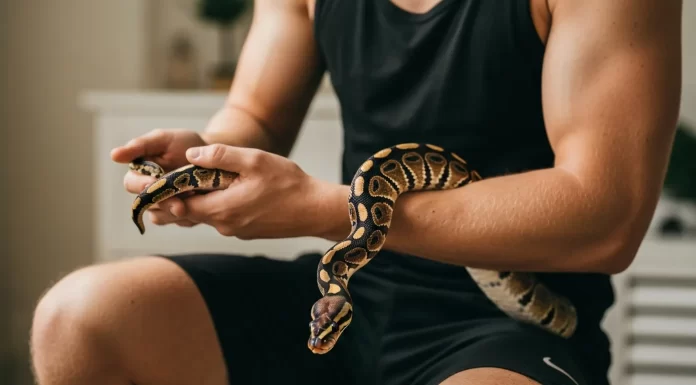
Handle a ball python by supporting its full body weight with both forearms, approaching from the side rather than above, and moving slowly. For...
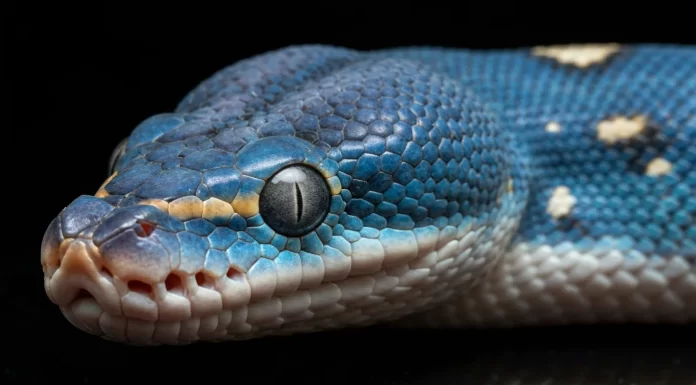
Ball pythons shed their entire skin every 4–6 weeks as juveniles and every 6–8 weeks as adults. Signs appear 10–14 days before the shed:...
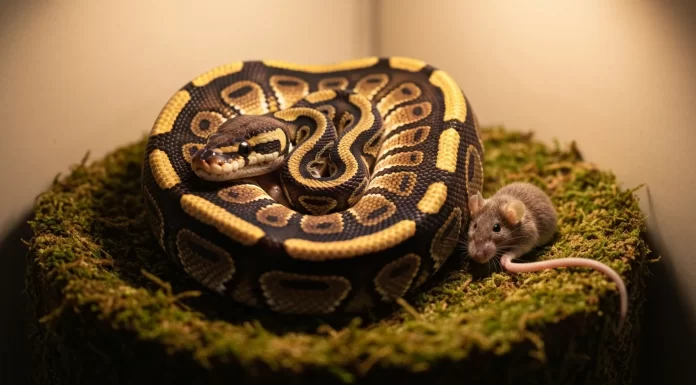
Ball pythons are notorious for feeding strikes — it’s the most common keeper concern with this species, and most strikes trace back to a...
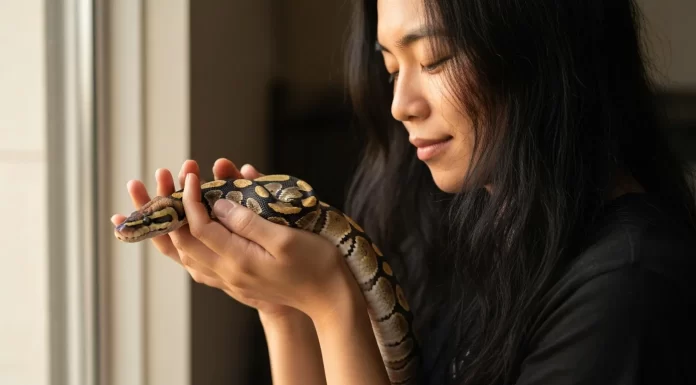
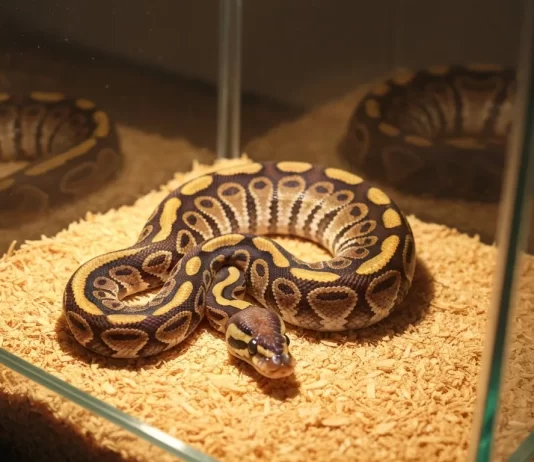
Ball pythons make excellent pets for most beginners — they’re docile, non-venomous, and manageable in size at 3–5 feet. The honest caveat: they live...
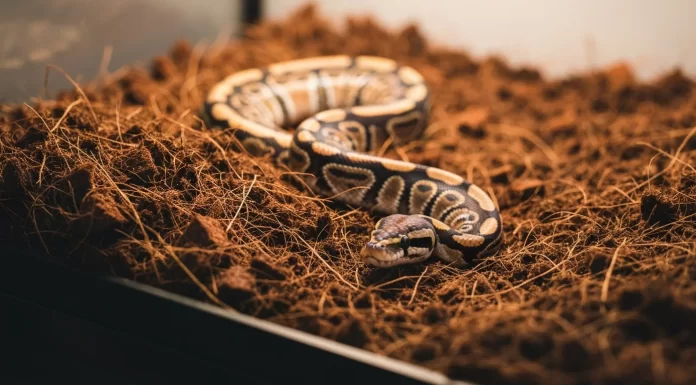
Ball python substrate must retain moisture to support 60–80% ambient humidity. Coconut fiber (coco coir), a topsoil/coco fiber mix, and cypress mulch are the...
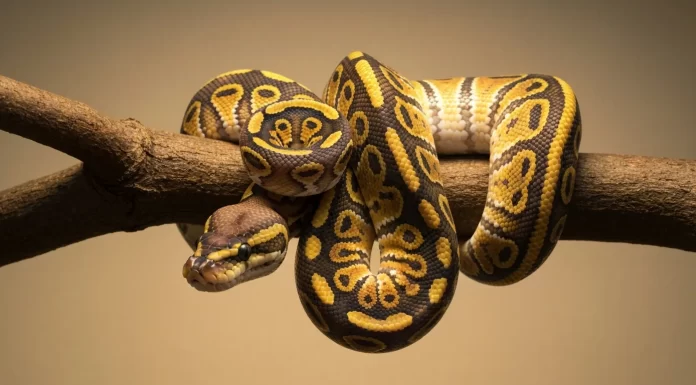
Quick Answer: Ball pythons in captivity typically live 20–30 years. With consistent husbandry — correct temperatures, appropriate feeding, and regular vet checks — many...