

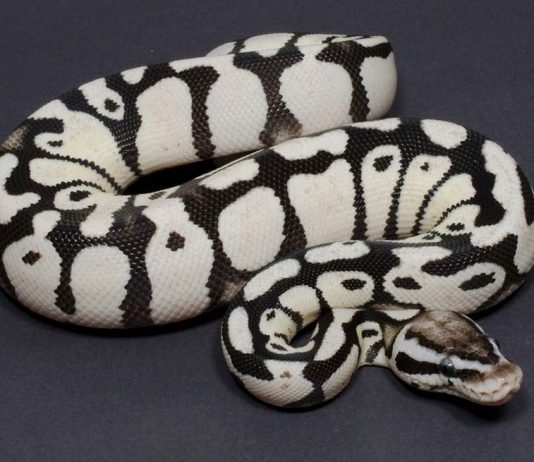
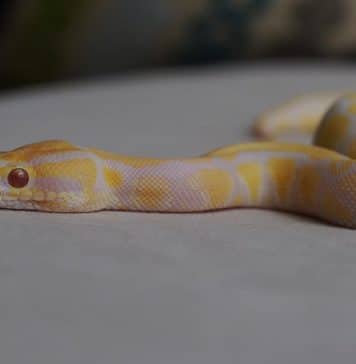
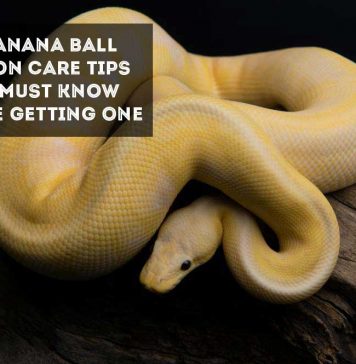
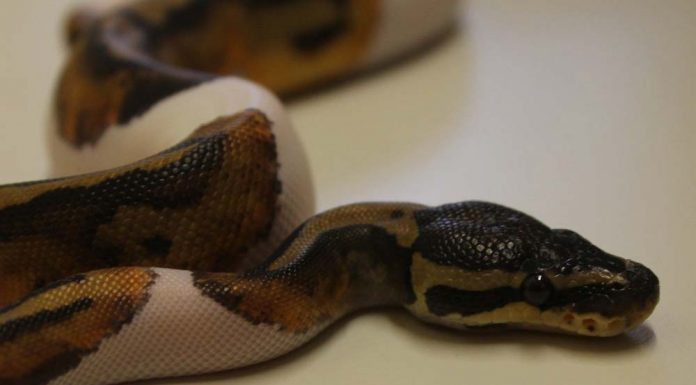
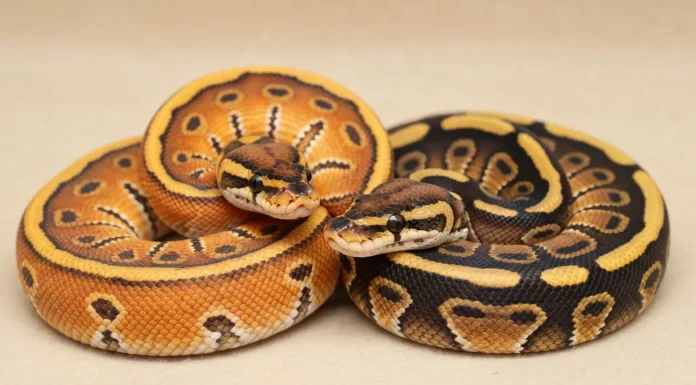
The piebald ball python is a member of one of the most popular species of pet snake in the United States. Ball pythons typically...
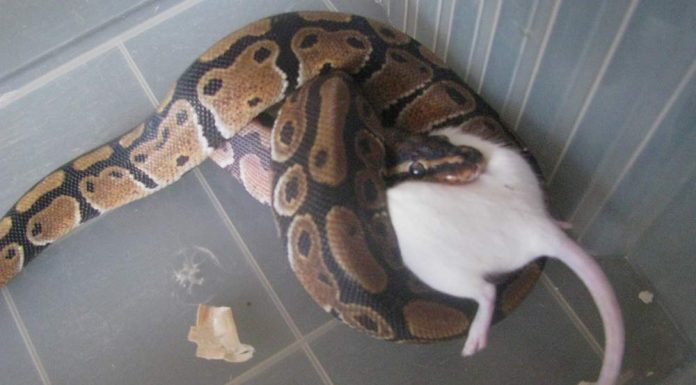
While many pet enthusiasts are getting hyped up for adopting a ball python, many don’t just because they are scared of snakes. It’s true...
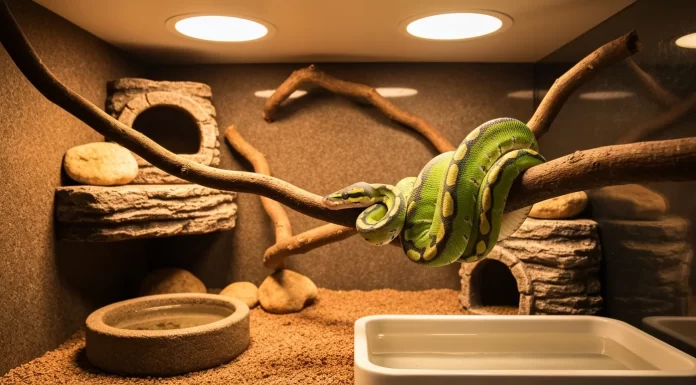
Ball pythons typically outgrow their starter enclosures sometime during the juvenile stage, usually when they reach 18–24 inches. By the time a ball python...
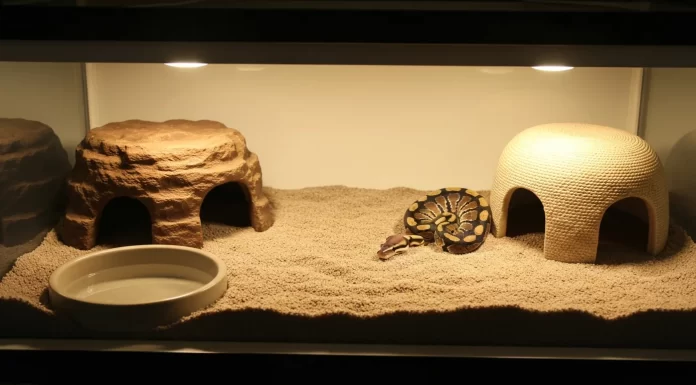
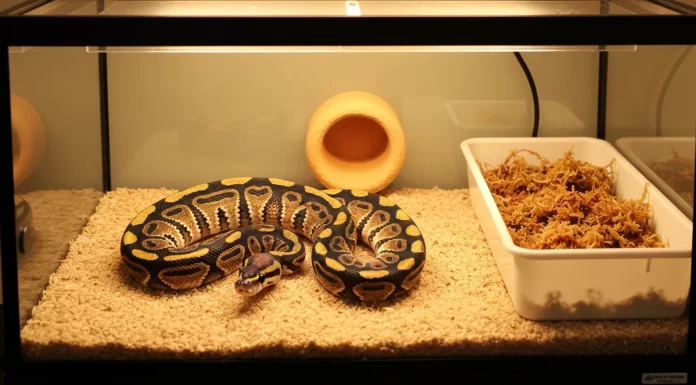
An adult ball python needs a minimum 4×2×2 ft enclosure — front-opening PVC is the best choice for humidity control and security. Furnish the...
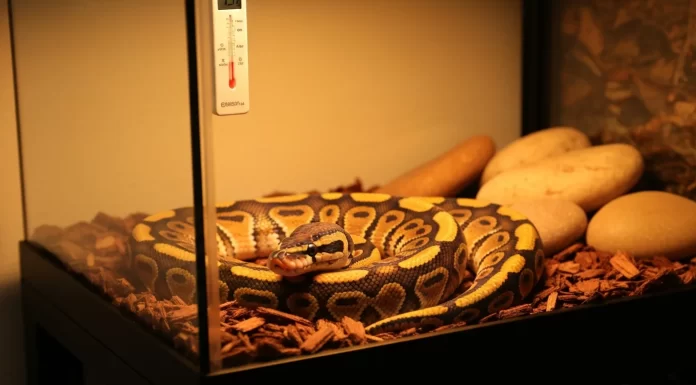
Ball pythons need a four-zone thermal gradient: hot spot 88–92°F, warm side 80–85°F, cool side 76–80°F, ambient 78–80°F. Keep humidity at 60–80% under normal...
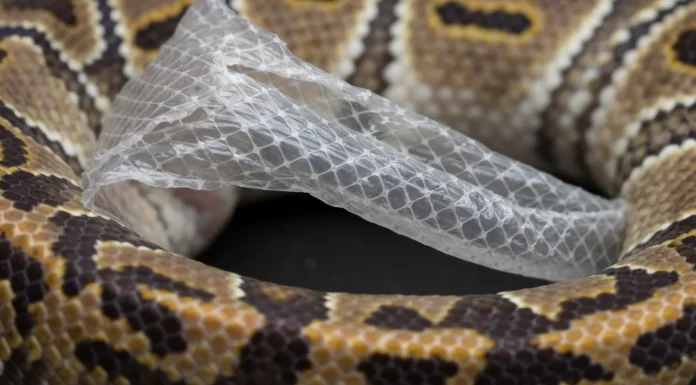
Ball pythons shed their entire skin every 4–6 weeks as juveniles and every 6–8 weeks as adults. You’ll notice dull colouration and blue, opaque...
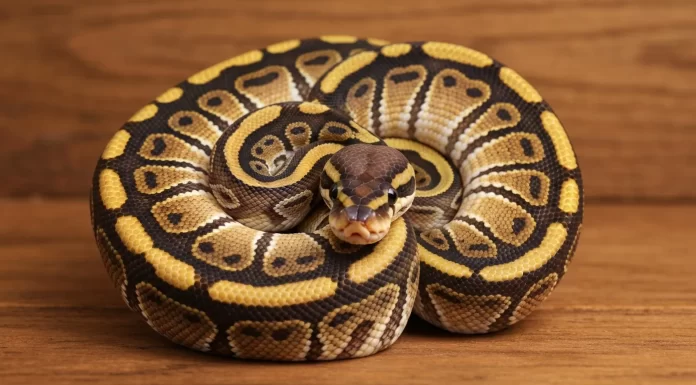
Ball pythons don’t make noise, they don’t change facial expressions, and when they’re calm they’ll sit motionless in their hide for hours. Every piece...
A ball python can cost $20–80 for a common morph or $300–1,000+ for designer genetics. Setup costs run $300–800 for a quality first enclosure...
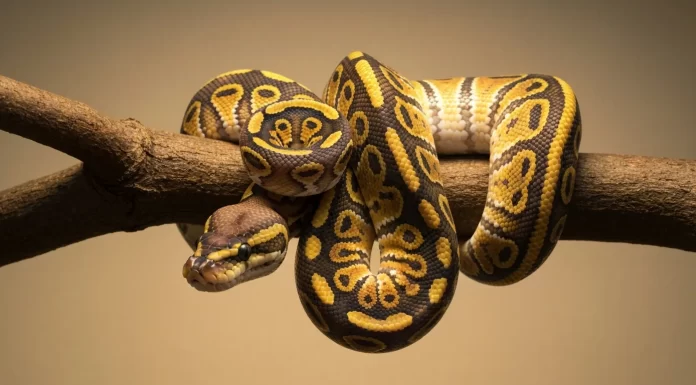
Quick Answer: Ball pythons in captivity typically live 20–30 years. With consistent husbandry — correct temperatures, appropriate feeding, and regular vet checks — many...
Breeding ball pythons requires a healthy, properly sized female (minimum 3 years old and 1,500g), a cool-season conditioning period, and supervised pairings. After ovulation...