

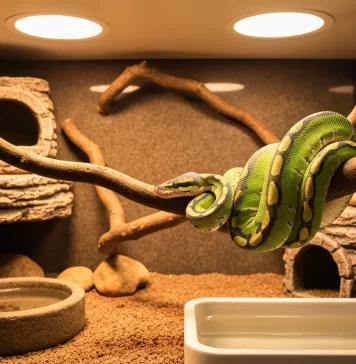
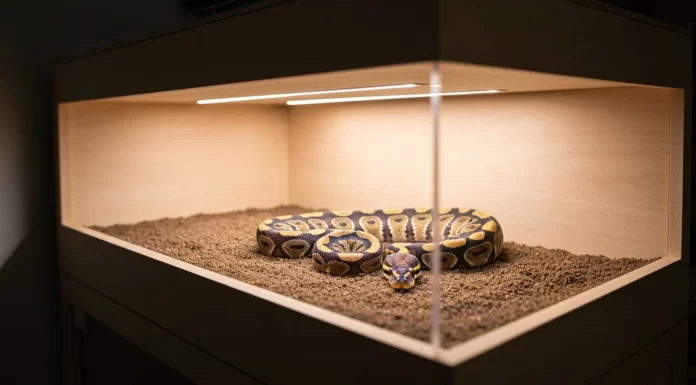
Ball pythons don’t require visible light for survival, but a consistent 12-hour light / 12-hour dark cycle maintains a healthy circadian rhythm. UVB is...
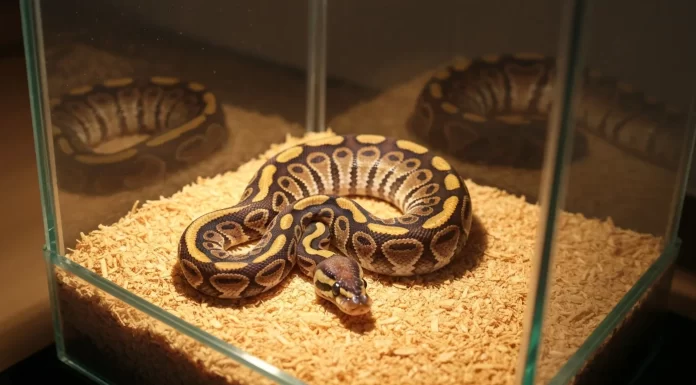
Every ball python keeper has made at least one of these. Most are easy to fix once you know what to look for. The...
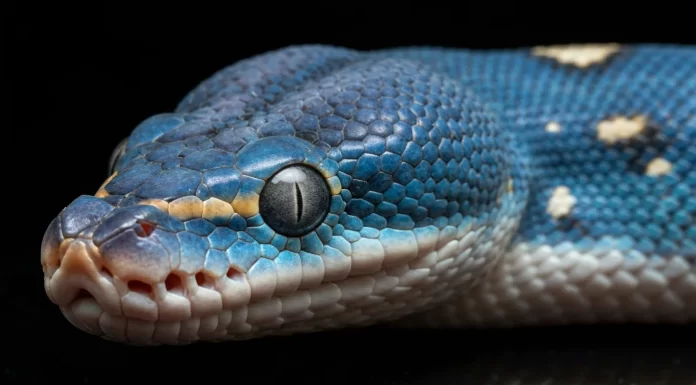
Ball pythons shed their entire skin every 4–6 weeks as juveniles and every 6–8 weeks as adults. Signs appear 10–14 days before the shed:...
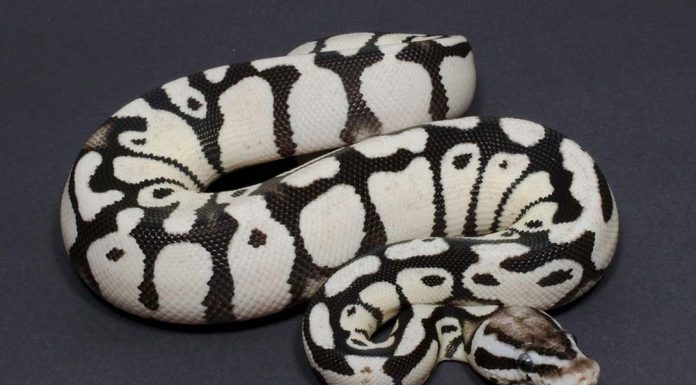
When it comes to owning an exotic pet, sooner or later, snakes are sure to come up on the list. And the mighty ball...
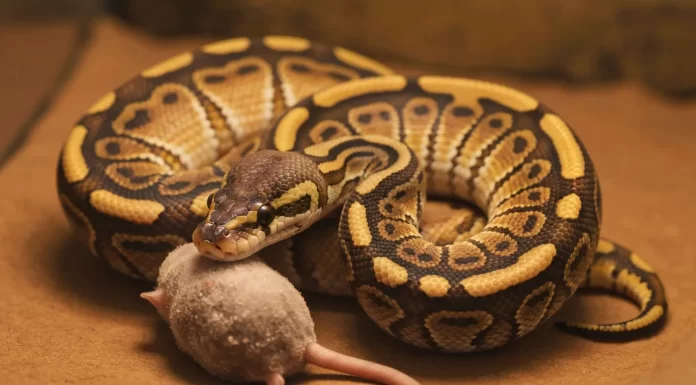
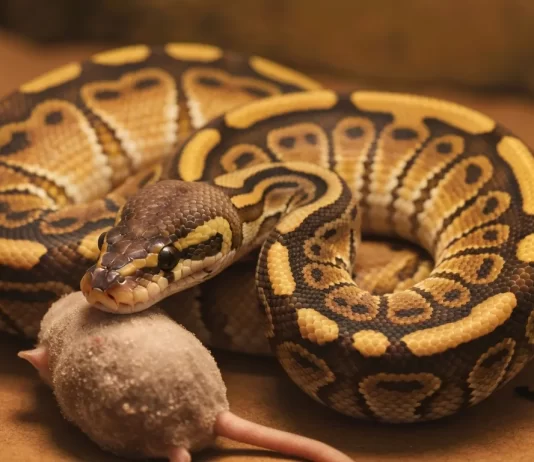
Ball pythons eat whole prey rodents — primarily frozen-thawed mice or rats. Prey size should match the widest point of the snake’s mid-body. Feed...
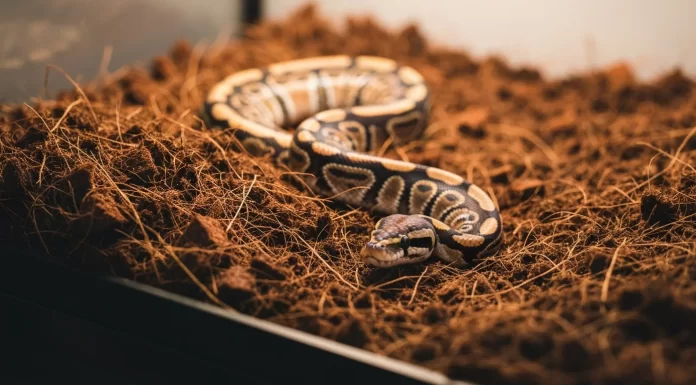
Ball python substrate must retain moisture to support 60–80% ambient humidity. Coconut fiber (coco coir), a topsoil/coco fiber mix, and cypress mulch are the...
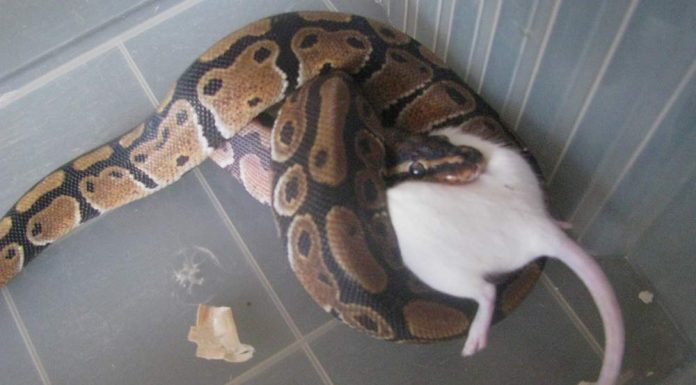
While many pet enthusiasts are getting hyped up for adopting a ball python, many don’t just because they are scared of snakes. It’s true...
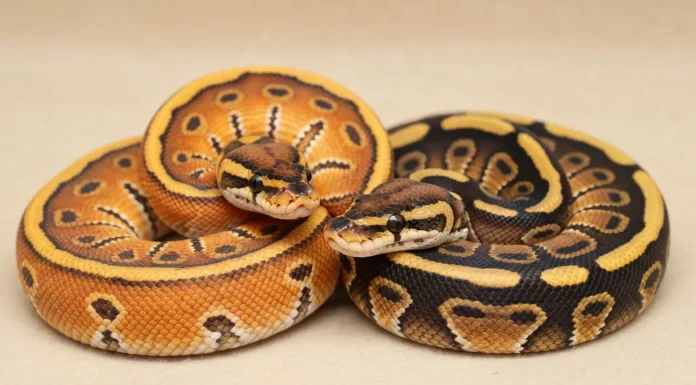
Breeding ball pythons requires a healthy, properly sized female (minimum 3 years old and 1,500g), a cool-season conditioning period, and supervised pairings. After ovulation...
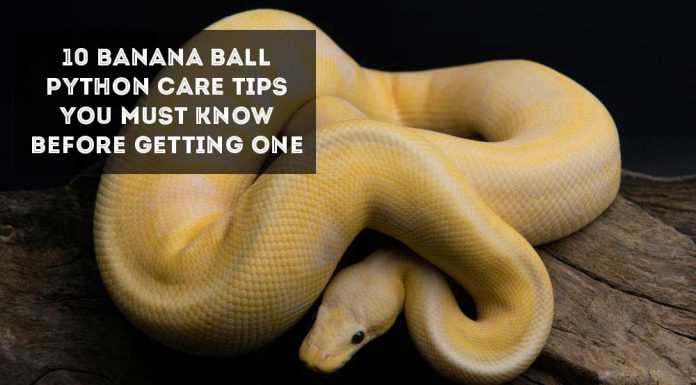
Banana ball pythons are so cool. You won't be surprised to learn that banana ball pythons are popular among first-time snake owners and experienced...
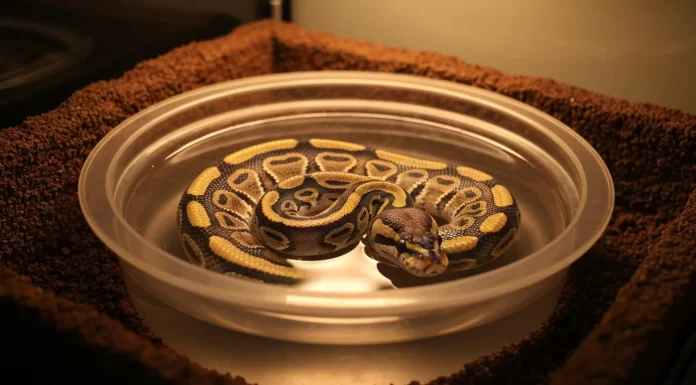
A ball python’s water bowl should be large enough for the snake to coil fully inside and soak its entire body. Place it on...