

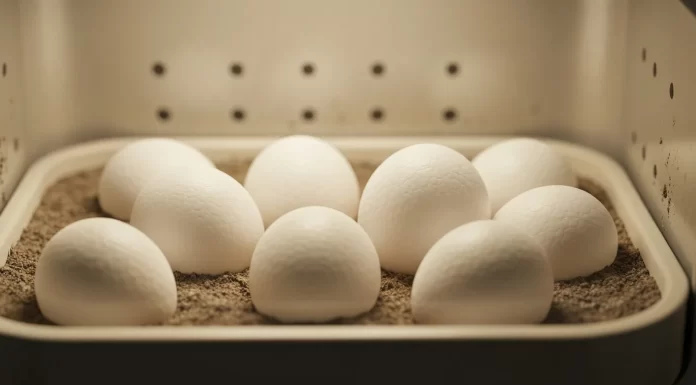
Ball python eggs incubate at 88–90°F with humidity above 90% inside the container. Incubation takes 55–60 days. Use a sealed plastic container with moistened...
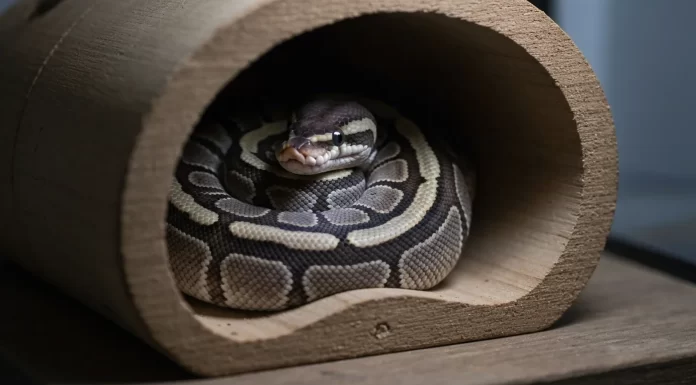
Ball pythons don’t truly brumate the way temperate reptiles do. Pet ball pythons don’t need any seasonal cooling — consistent temperatures year-round are entirely...
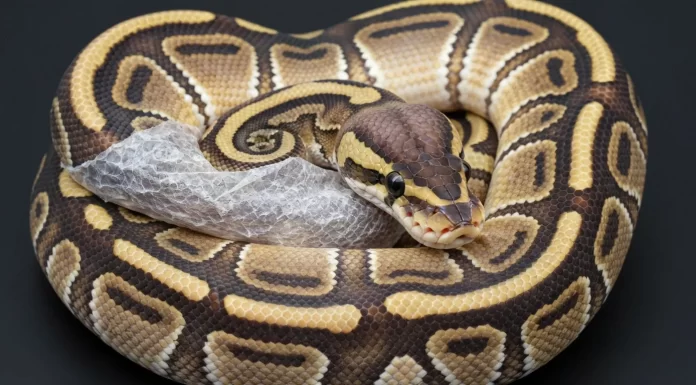
Stuck shed — the medical term is dysecdysis — happens when the skin doesn’t come off completely during shedding. The most common cause is...
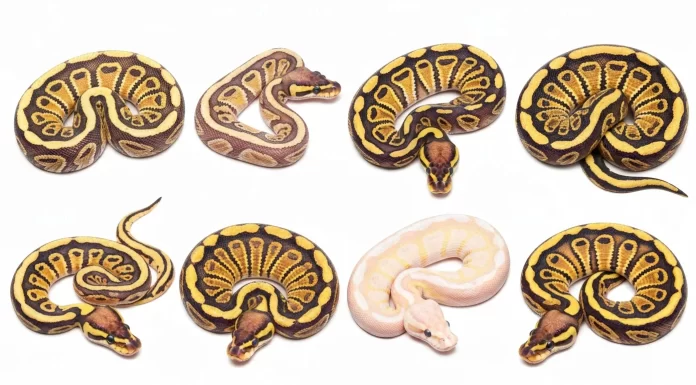
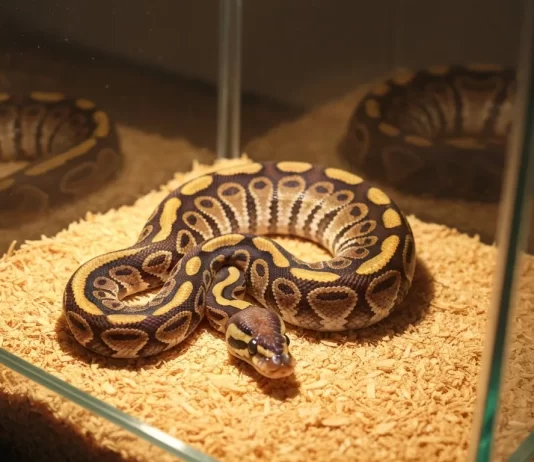
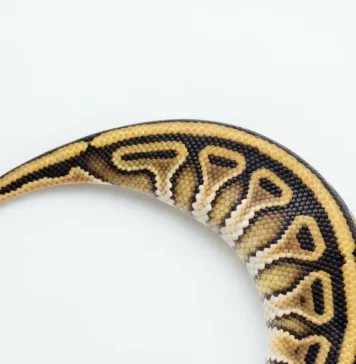
A ball python morph is a genetic mutation that changes the snake’s color, pattern, or both. There are over 4,000 documented morphs, produced through...
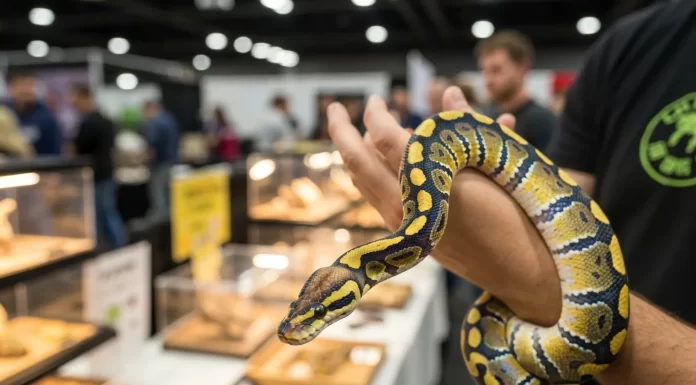
The safest way to acquire a ball python is from a captive-bred animal with a documented feeding history, sourced from a reputable breeder or...
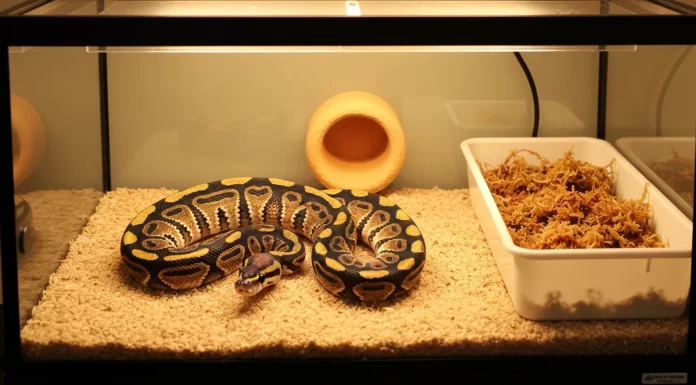
A ball python can cost $20–80 for a common morph or $300–1,000+ for designer genetics. Setup costs run $300–800 for a quality first enclosure...
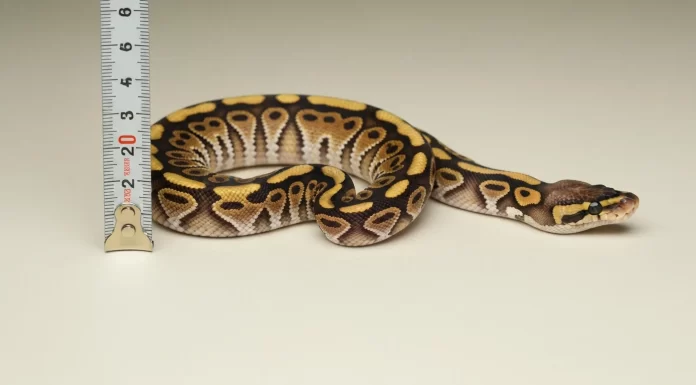
Ball python hatchlings typically measure 10–17 inches and weigh 60–100g. Adults reach 3–5 feet and 1,500–2,500g, with females significantly larger than males. These are...
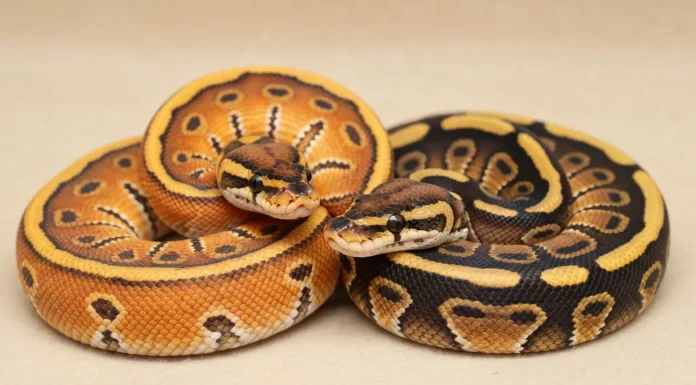
Breeding ball pythons requires a healthy, properly sized female (minimum 3 years old and 1,500g), a cool-season conditioning period, and supervised pairings. After ovulation...
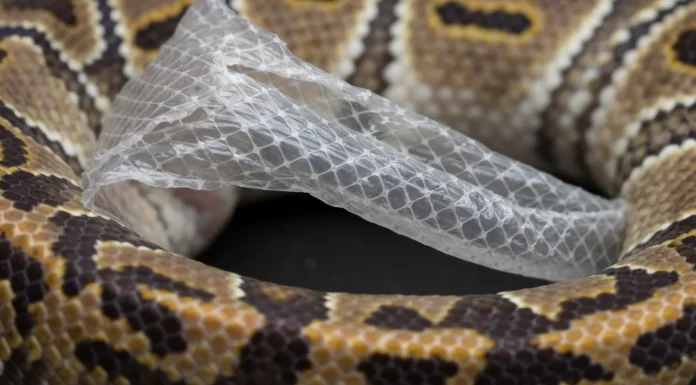
Ball pythons shed their entire skin every 4–6 weeks as juveniles and every 6–8 weeks as adults. You’ll notice dull colouration and blue, opaque...
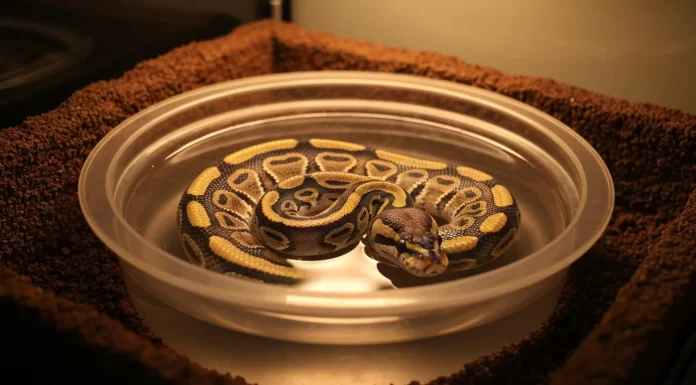
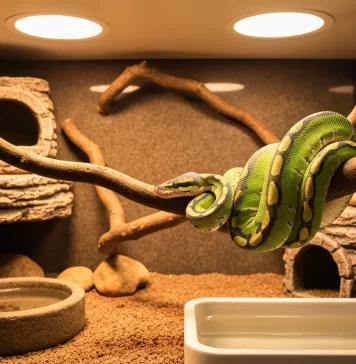
A ball python’s water bowl should be large enough for the snake to coil fully inside and soak its entire body. Place it on...