

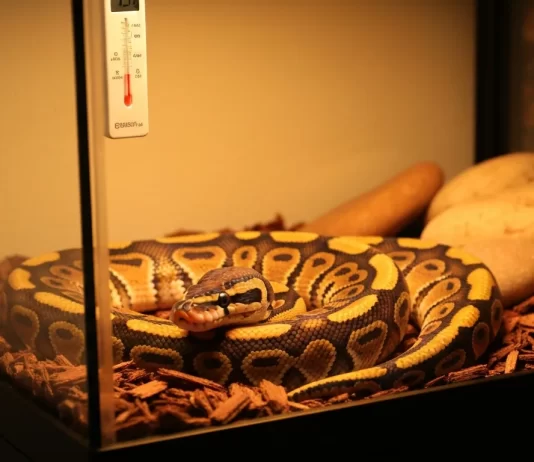
Ball pythons need a 4×2×2 ft enclosure with a hot spot of 88–92°F, a cool side of 76–80°F, and 60–80% humidity. Feed frozen-thawed rats...
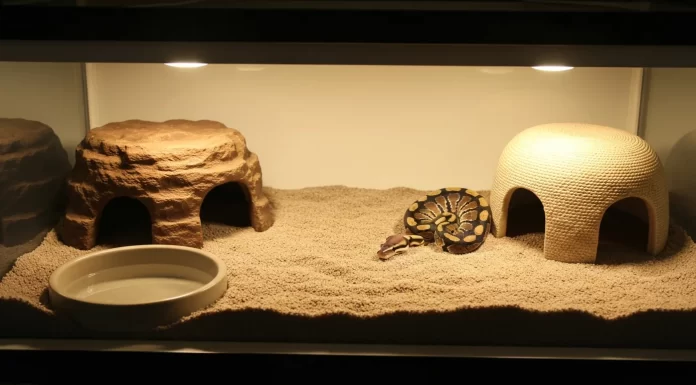
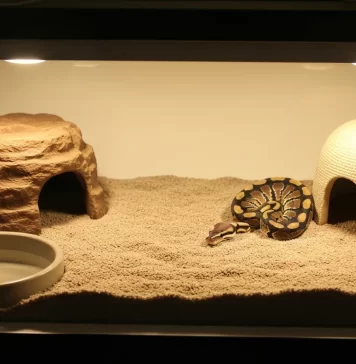
An adult ball python needs a minimum 4×2×2 ft enclosure — front-opening PVC is the best choice for humidity control and security. Furnish the...
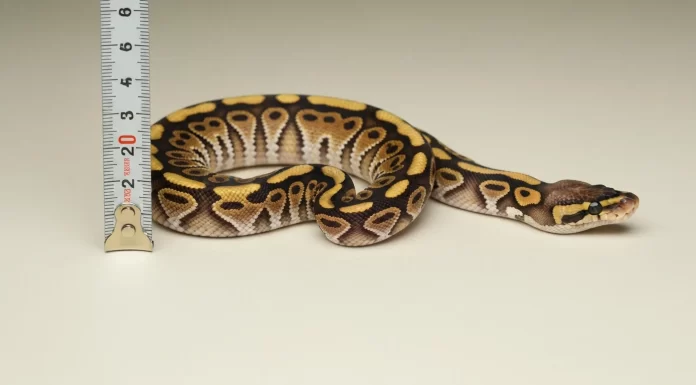
Ball python hatchlings typically measure 10–17 inches and weigh 60–100g. Adults reach 3–5 feet and 1,500–2,500g, with females significantly larger than males. These are...
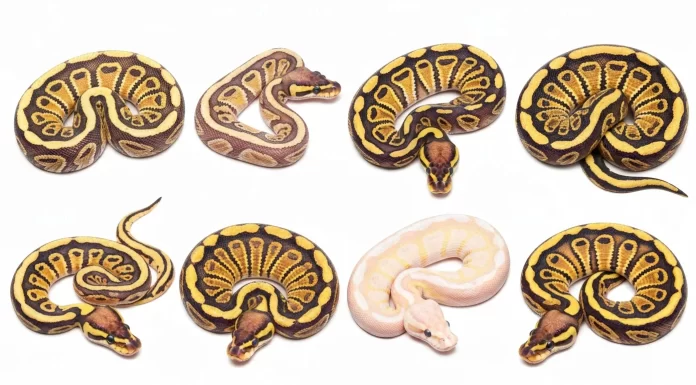
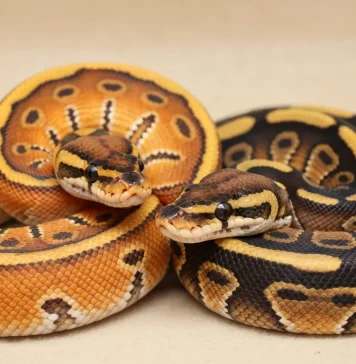
A ball python morph is a genetic mutation that changes the snake’s color, pattern, or both. There are over 4,000 documented morphs, produced through...
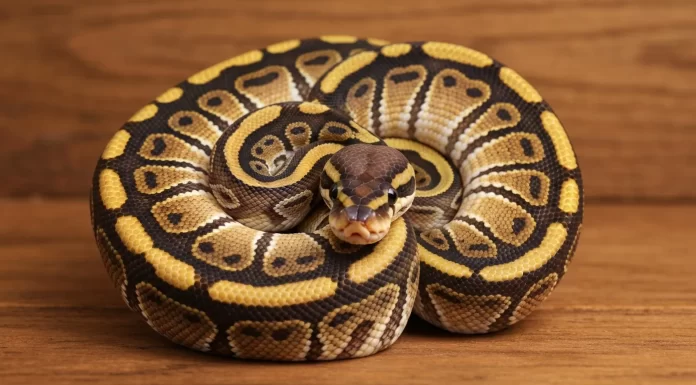
Ball pythons don’t make noise, they don’t change facial expressions, and when they’re calm they’ll sit motionless in their hide for hours. Every piece...
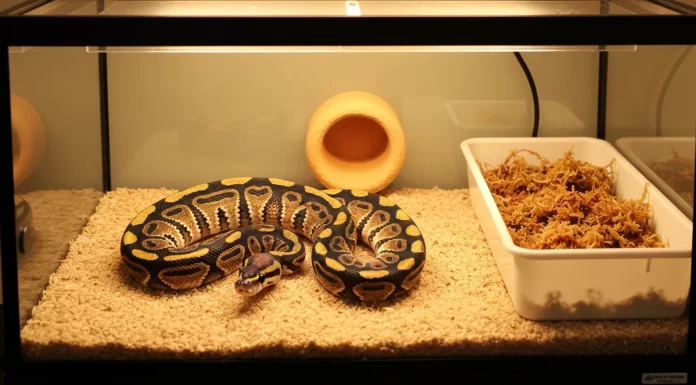
A ball python can cost $20–80 for a common morph or $300–1,000+ for designer genetics. Setup costs run $300–800 for a quality first enclosure...
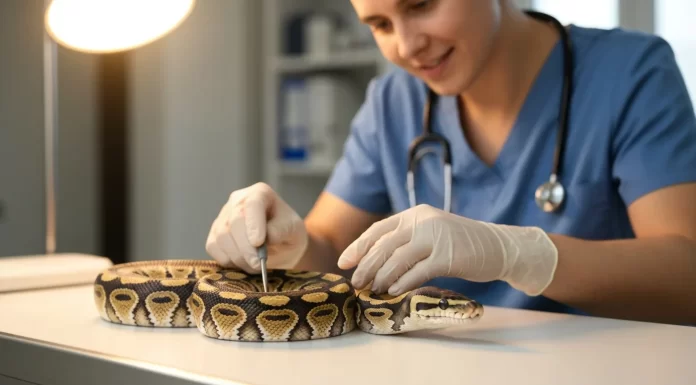
The most common ball python health problems are respiratory infections, mites, scale rot, stuck shed complications, and obesity. Most can be avoided with correct...
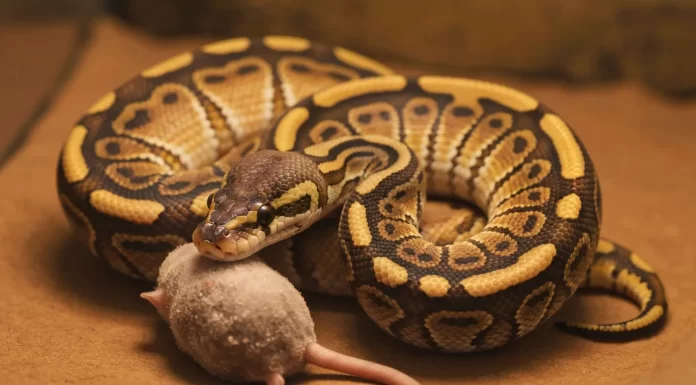
Ball pythons eat whole prey rodents — primarily frozen-thawed mice or rats. Prey size should match the widest point of the snake’s mid-body. Feed...
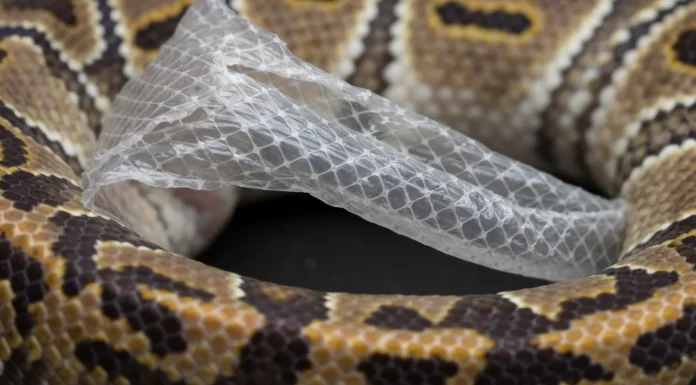
Ball pythons shed their entire skin every 4–6 weeks as juveniles and every 6–8 weeks as adults. You’ll notice dull colouration and blue, opaque...
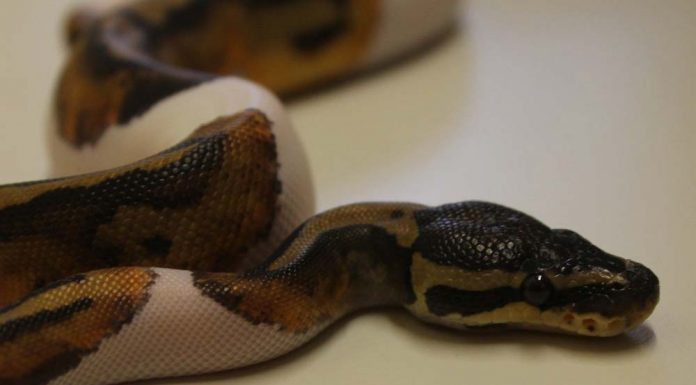
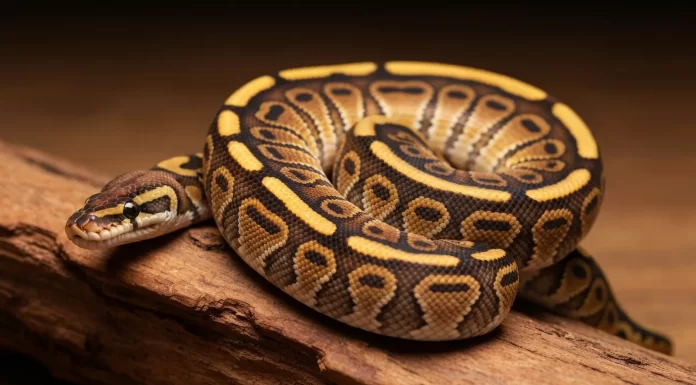
The piebald ball python is a member of one of the most popular species of pet snake in the United States. Ball pythons typically...