

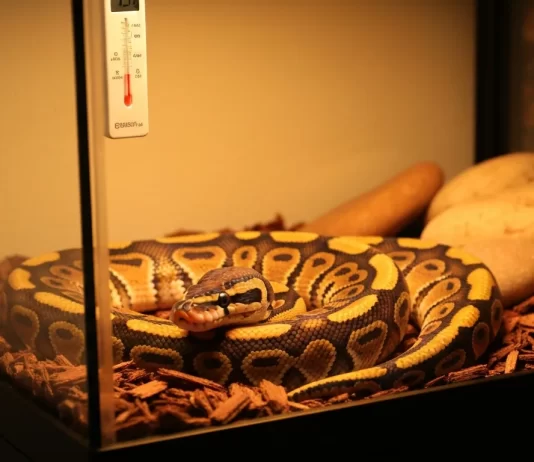
While many pet enthusiasts are getting hyped up for adopting a ball python, many don’t just because they are scared of snakes. It’s true...
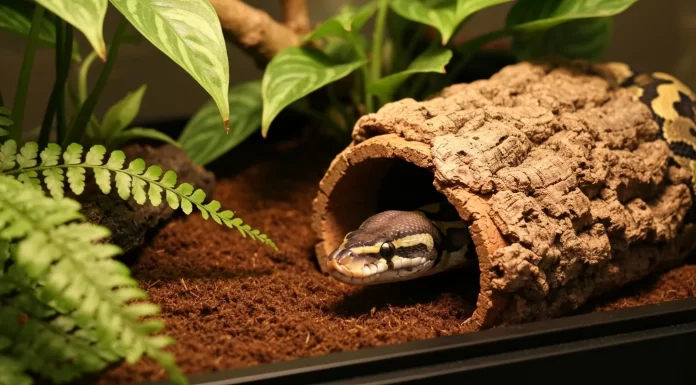
Ball pythons need at least two hides — one on the warm side, one on the cool side — sized to fit snugly around...
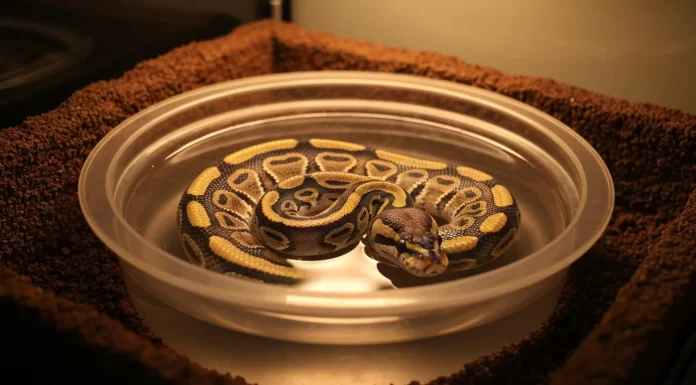
A ball python’s water bowl should be large enough for the snake to coil fully inside and soak its entire body. Place it on...
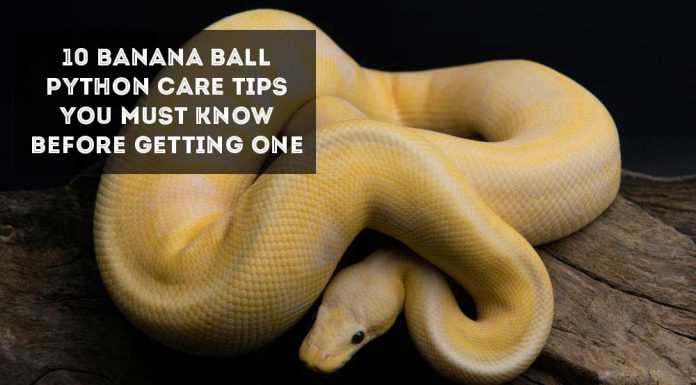
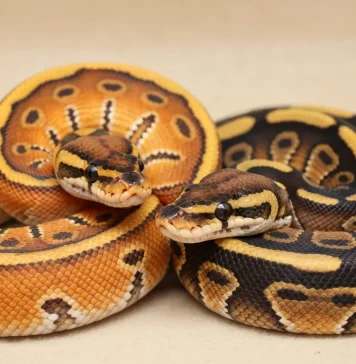
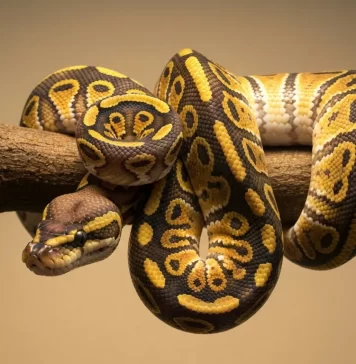
Banana ball pythons are so cool. You won't be surprised to learn that banana ball pythons are popular among first-time snake owners and experienced...
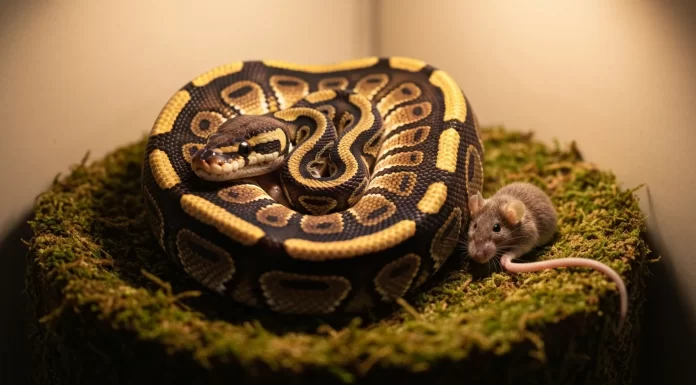
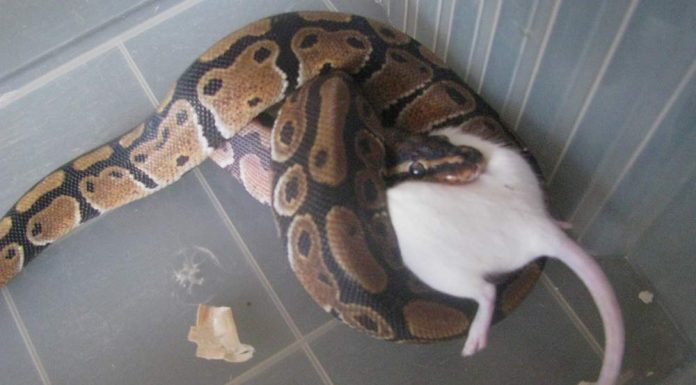
Ball pythons are notorious for feeding strikes — it’s the most common keeper concern with this species, and most strikes trace back to a...
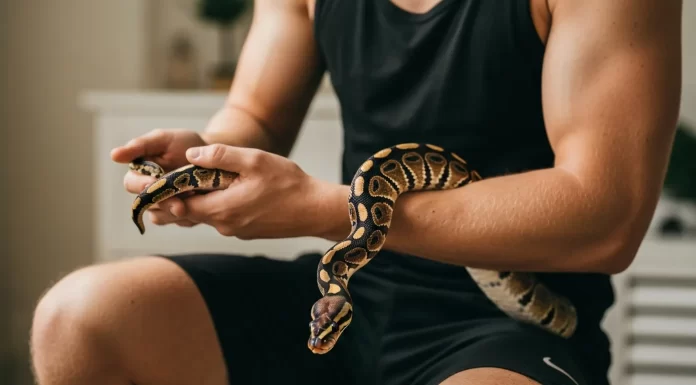
Handle a ball python by supporting its full body weight with both forearms, approaching from the side rather than above, and moving slowly. For...
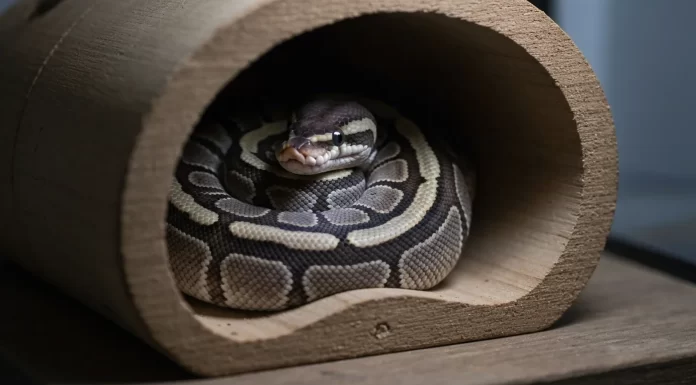
Ball pythons don’t truly brumate the way temperate reptiles do. Pet ball pythons don’t need any seasonal cooling — consistent temperatures year-round are entirely...
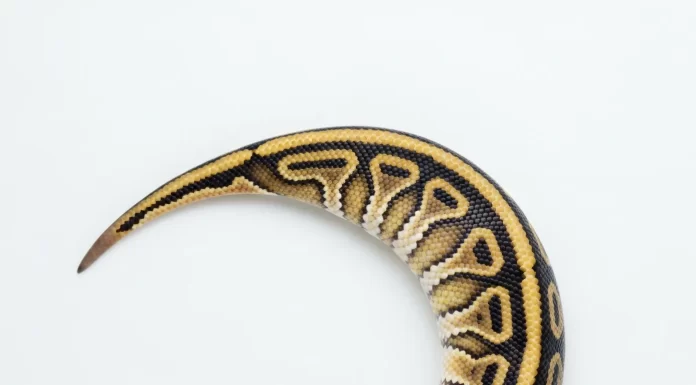
Three methods exist to sex a ball python: visual examination (tail shape, pelvic spurs, body size), pop-sexing, and probing. Visual examination is safe for...
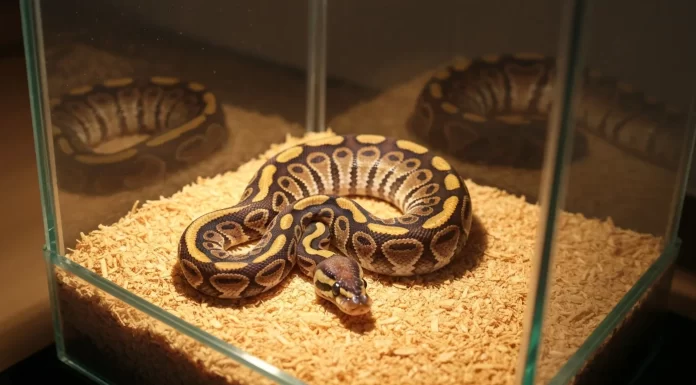
Every ball python keeper has made at least one of these. Most are easy to fix once you know what to look for. The...