

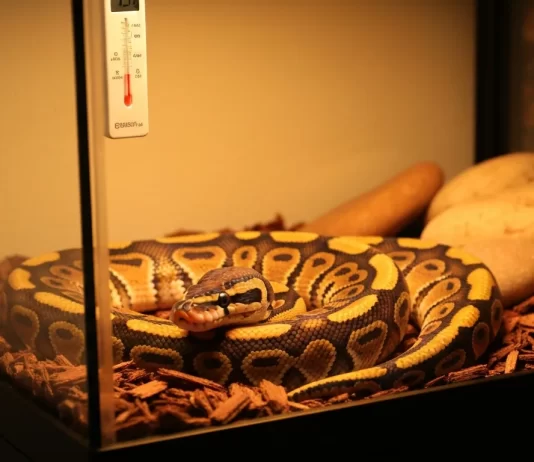
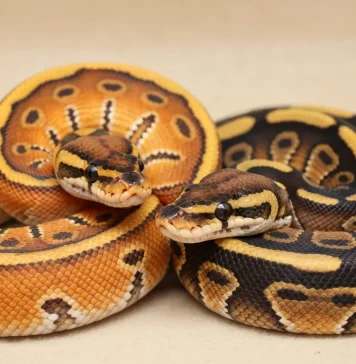
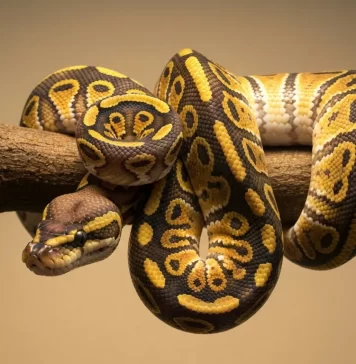
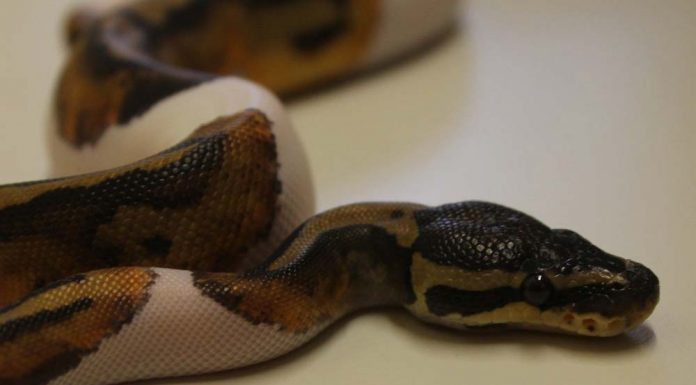
The piebald ball python is a member of one of the most popular species of pet snake in the United States. Ball pythons typically...
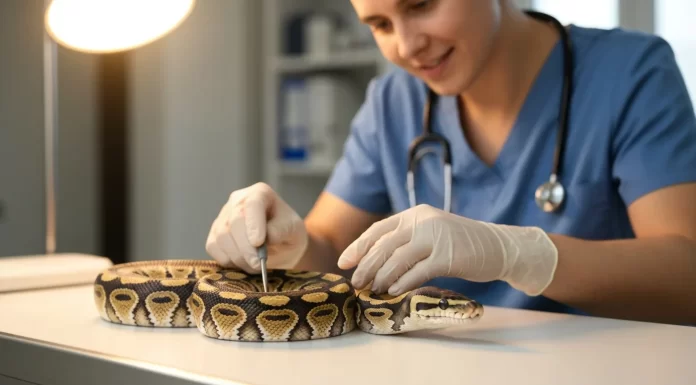
The most common ball python health problems are respiratory infections, mites, scale rot, stuck shed complications, and obesity. Most can be avoided with correct...
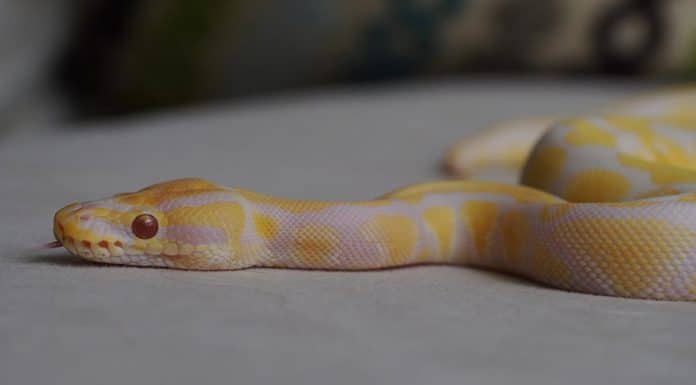
Ball pythons are many things—boring is not one of them. As we’ve said in other guides, ball pythons (along with their friends, the rosy...
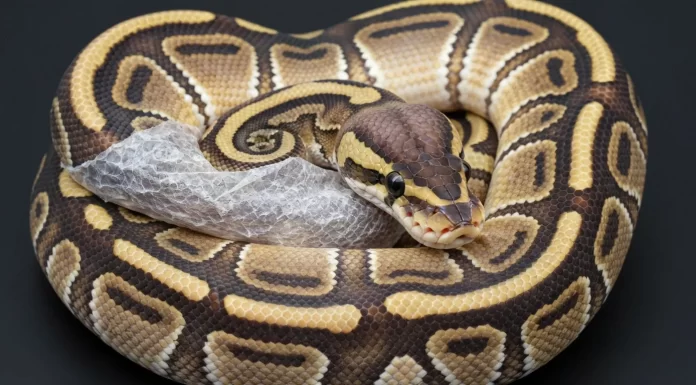
Stuck shed — the medical term is dysecdysis — happens when the skin doesn’t come off completely during shedding. The most common cause is...
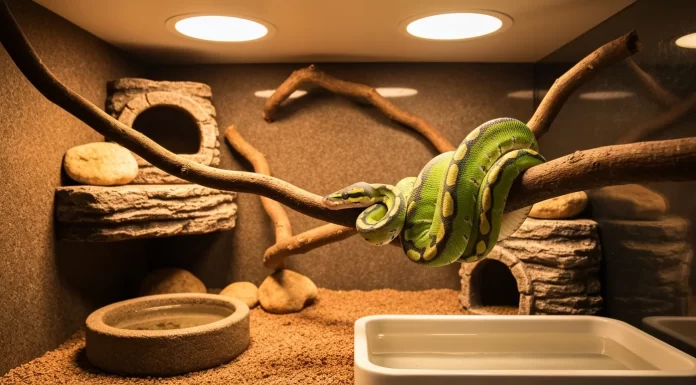
Ball pythons typically outgrow their starter enclosures sometime during the juvenile stage, usually when they reach 18–24 inches. By the time a ball python...
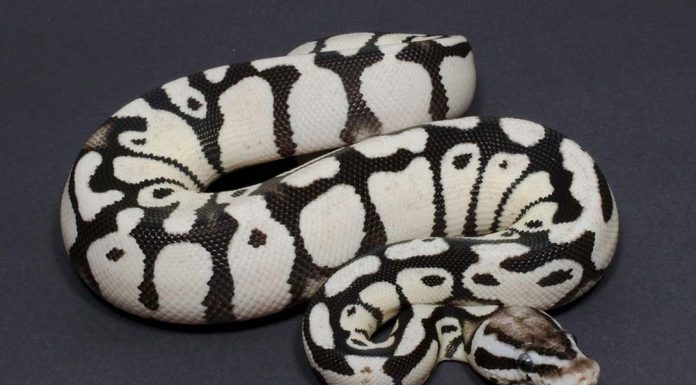
When it comes to owning an exotic pet, sooner or later, snakes are sure to come up on the list. And the mighty ball...
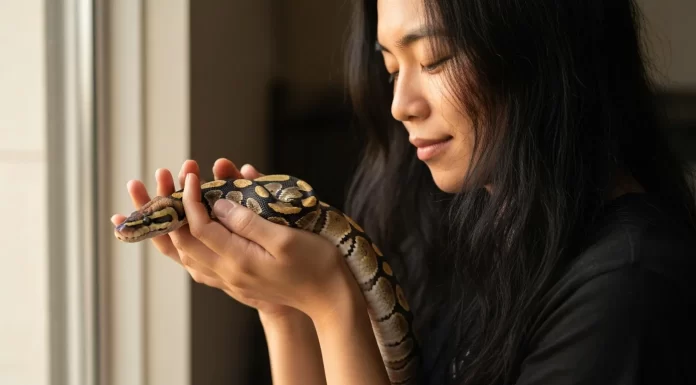
Ball pythons make excellent pets for most beginners — they’re docile, non-venomous, and manageable in size at 3–5 feet. The honest caveat: they live...
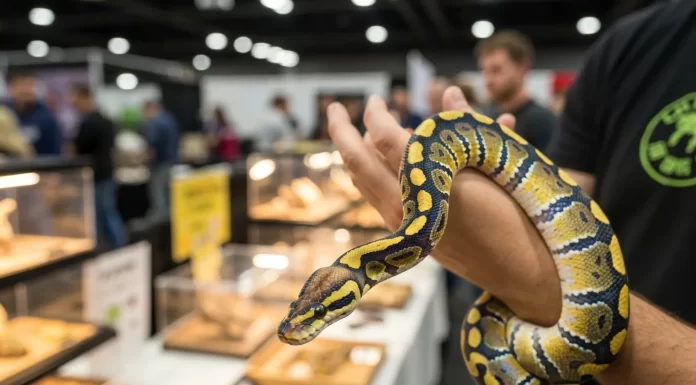
The safest way to acquire a ball python is from a captive-bred animal with a documented feeding history, sourced from a reputable breeder or...
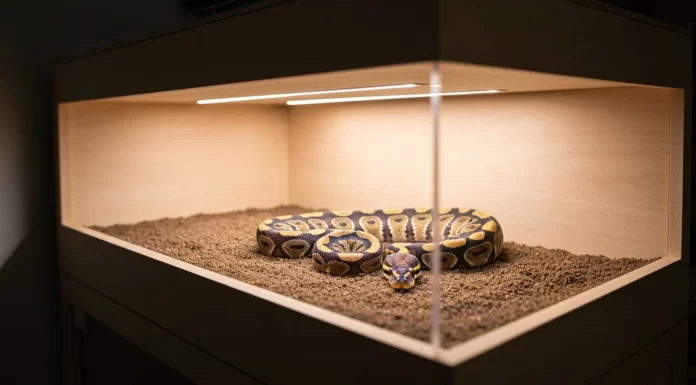
Ball pythons don’t require visible light for survival, but a consistent 12-hour light / 12-hour dark cycle maintains a healthy circadian rhythm. UVB is...
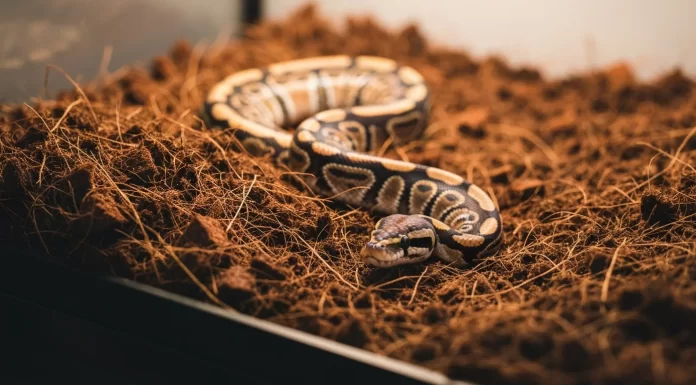
Ball python substrate must retain moisture to support 60–80% ambient humidity. Coconut fiber (coco coir), a topsoil/coco fiber mix, and cypress mulch are the...