

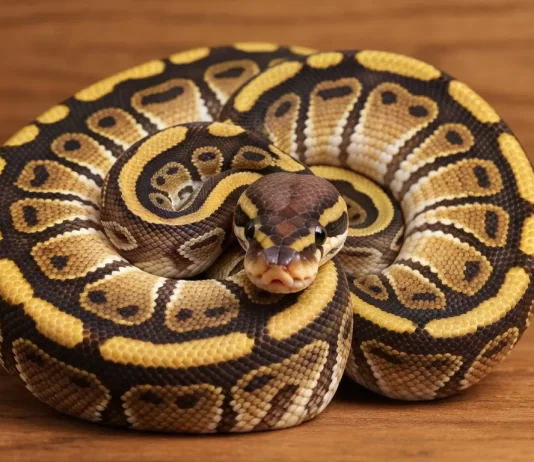
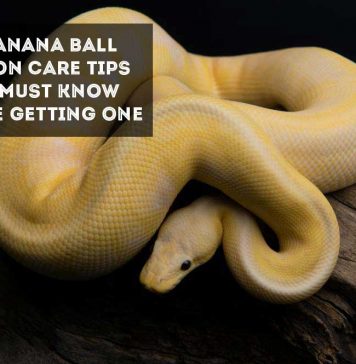
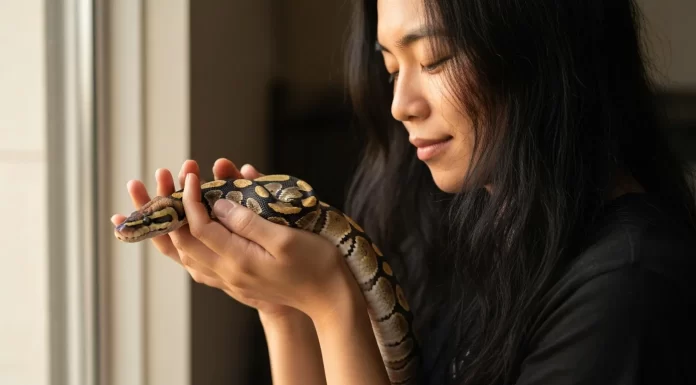
Ball pythons make excellent pets for most beginners — they’re docile, non-venomous, and manageable in size at 3–5 feet. The honest caveat: they live...
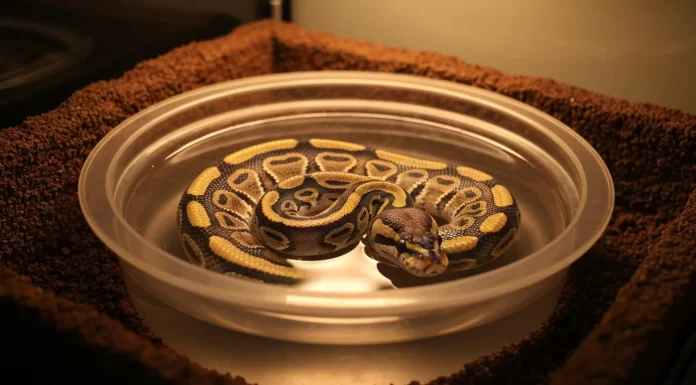
A ball python’s water bowl should be large enough for the snake to coil fully inside and soak its entire body. Place it on...
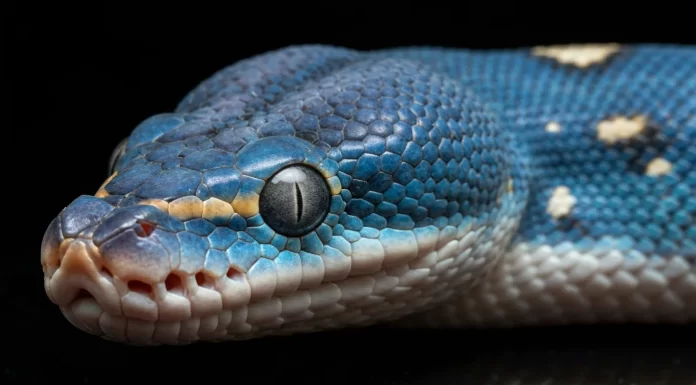
Ball pythons shed their entire skin every 4–6 weeks as juveniles and every 6–8 weeks as adults. Signs appear 10–14 days before the shed:...
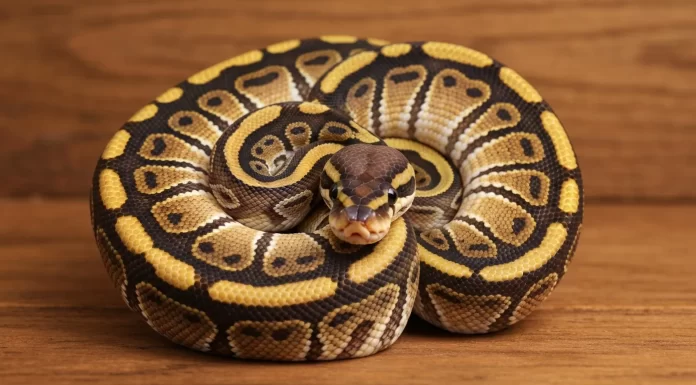
Ball pythons don’t make noise, they don’t change facial expressions, and when they’re calm they’ll sit motionless in their hide for hours. Every piece...
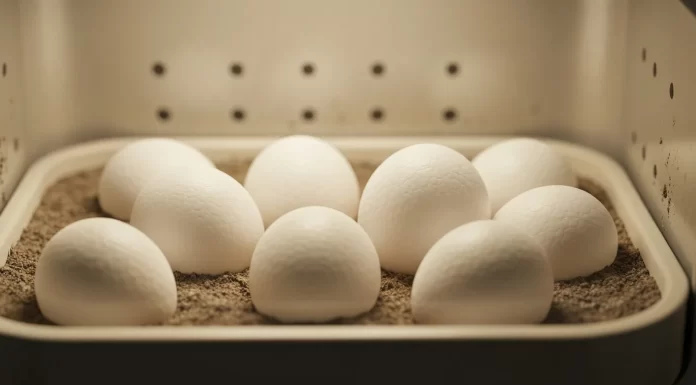
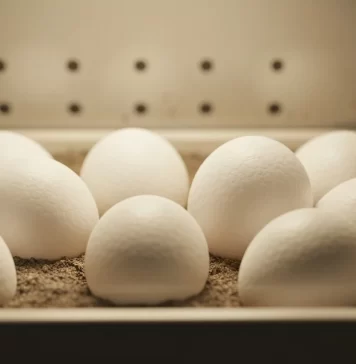
Ball python eggs incubate at 88–90°F with humidity above 90% inside the container. Incubation takes 55–60 days. Use a sealed plastic container with moistened...
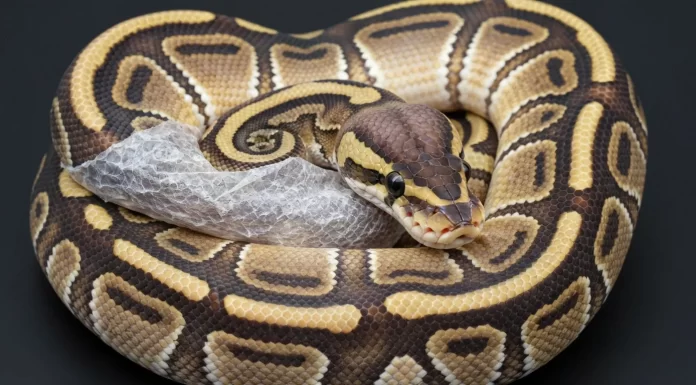
Stuck shed — the medical term is dysecdysis — happens when the skin doesn’t come off completely during shedding. The most common cause is...
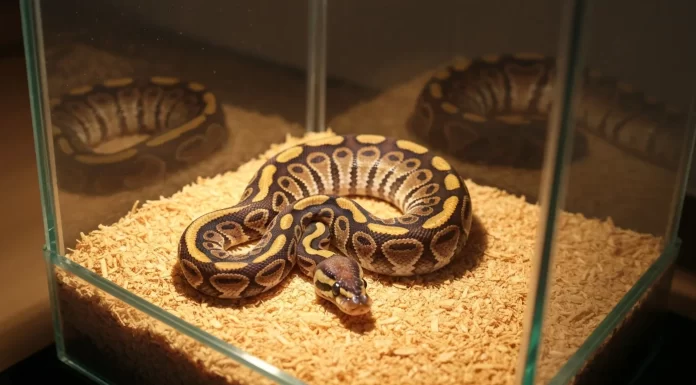
Every ball python keeper has made at least one of these. Most are easy to fix once you know what to look for. The...
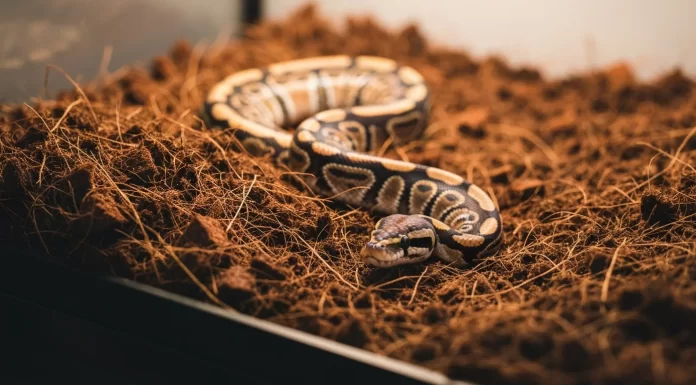
Ball python substrate must retain moisture to support 60–80% ambient humidity. Coconut fiber (coco coir), a topsoil/coco fiber mix, and cypress mulch are the...
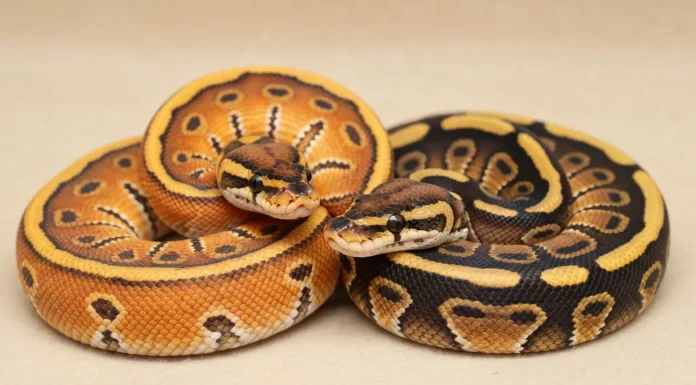
Breeding ball pythons requires a healthy, properly sized female (minimum 3 years old and 1,500g), a cool-season conditioning period, and supervised pairings. After ovulation...
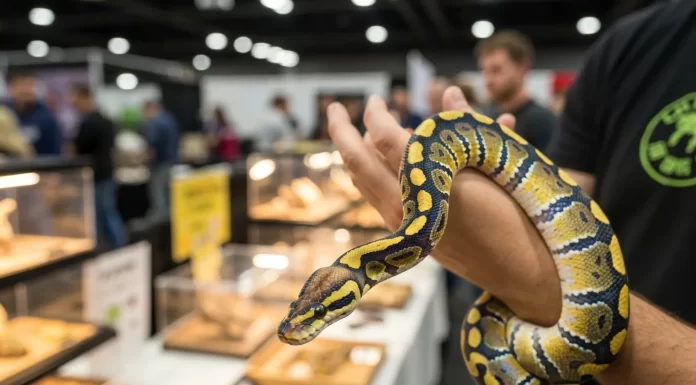
The safest way to acquire a ball python is from a captive-bred animal with a documented feeding history, sourced from a reputable breeder or...