

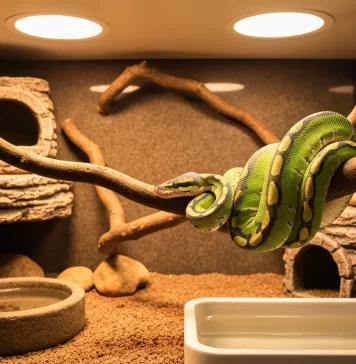
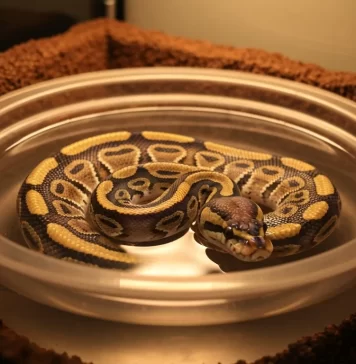
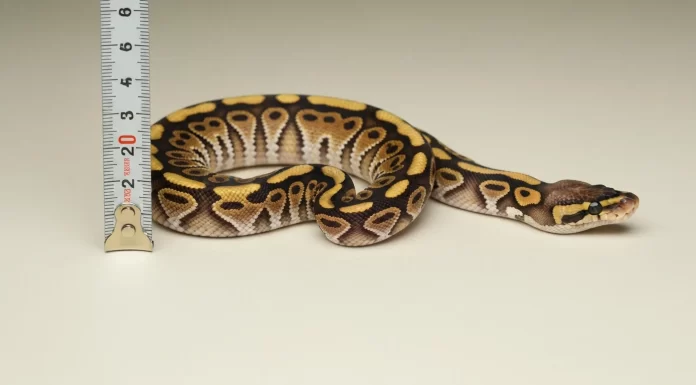
Ball python hatchlings typically measure 10–17 inches and weigh 60–100g. Adults reach 3–5 feet and 1,500–2,500g, with females significantly larger than males. These are...
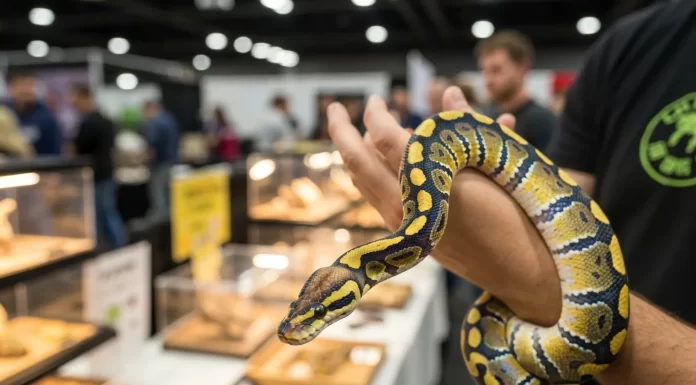
The safest way to acquire a ball python is from a captive-bred animal with a documented feeding history, sourced from a reputable breeder or...
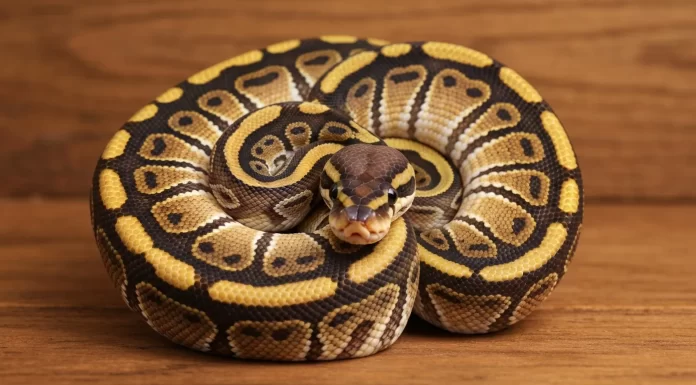
Ball pythons don’t make noise, they don’t change facial expressions, and when they’re calm they’ll sit motionless in their hide for hours. Every piece...
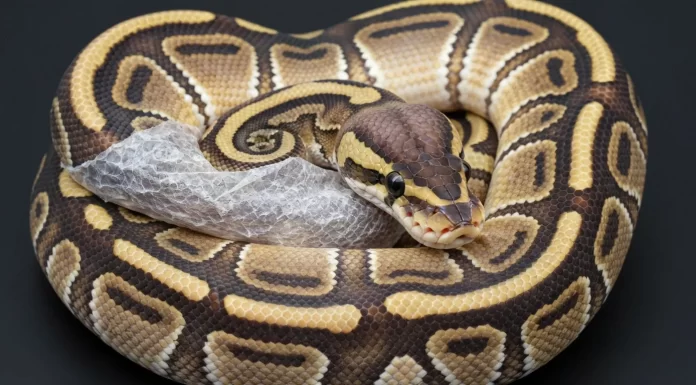
Stuck shed — the medical term is dysecdysis — happens when the skin doesn’t come off completely during shedding. The most common cause is...
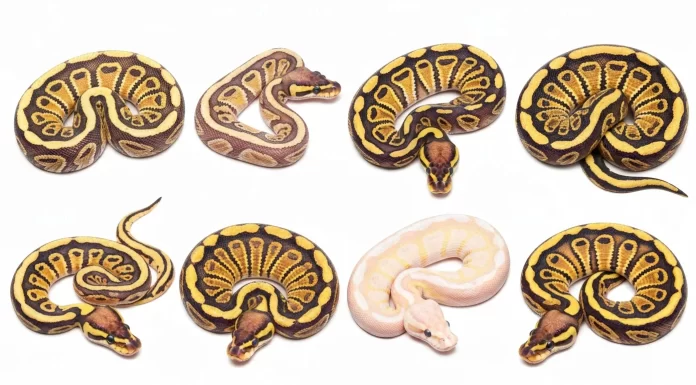
A ball python morph is a genetic mutation that changes the snake’s color, pattern, or both. There are over 4,000 documented morphs, produced through...
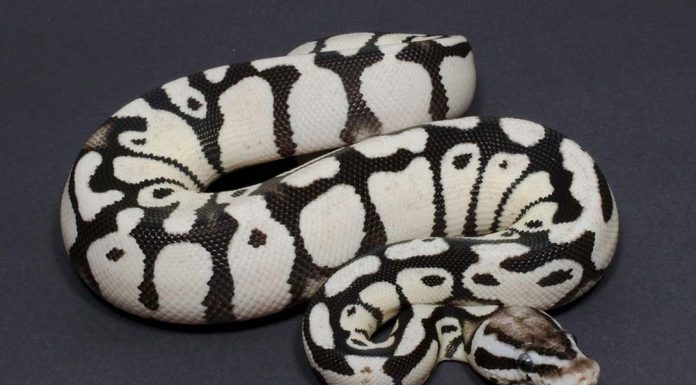
When it comes to owning an exotic pet, sooner or later, snakes are sure to come up on the list. And the mighty ball...
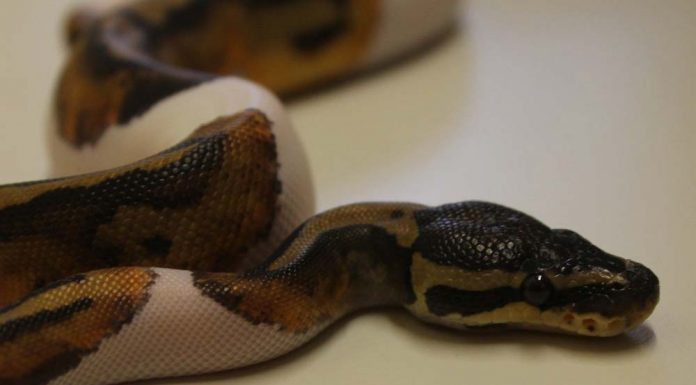
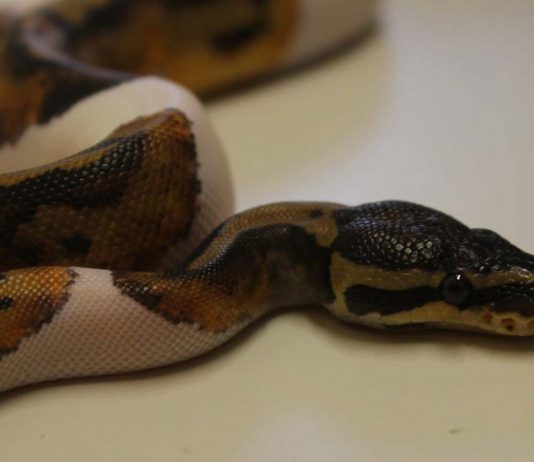
The piebald ball python is a member of one of the most popular species of pet snake in the United States. Ball pythons typically...
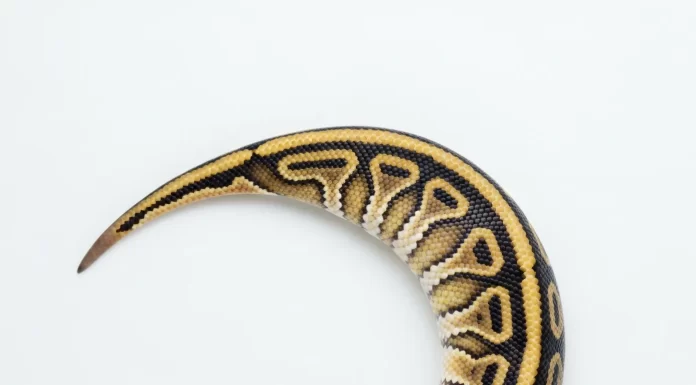
Three methods exist to sex a ball python: visual examination (tail shape, pelvic spurs, body size), pop-sexing, and probing. Visual examination is safe for...
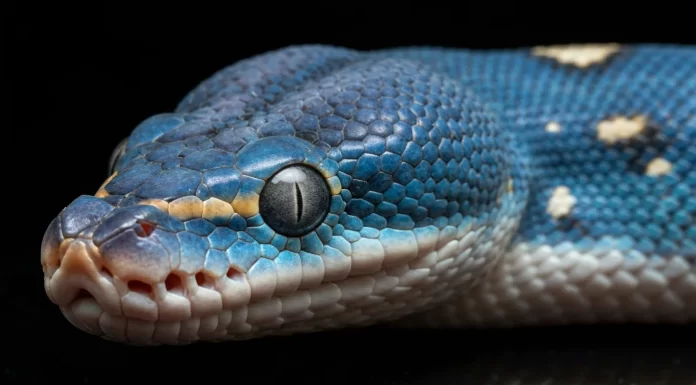
Ball pythons shed their entire skin every 4–6 weeks as juveniles and every 6–8 weeks as adults. Signs appear 10–14 days before the shed:...