

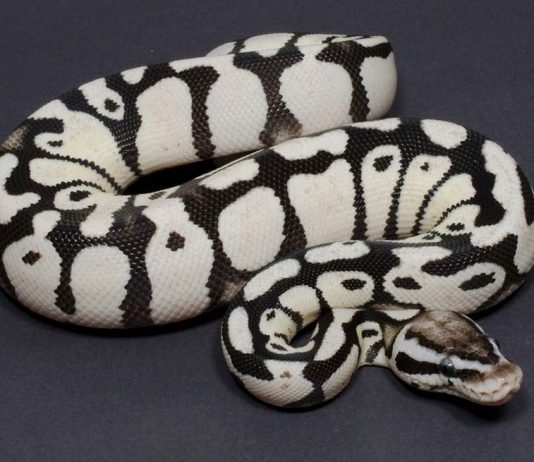
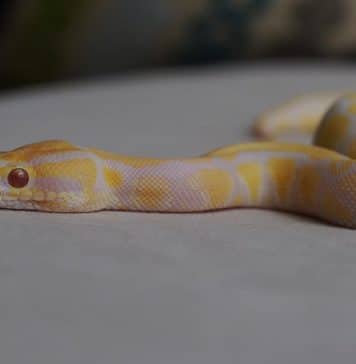
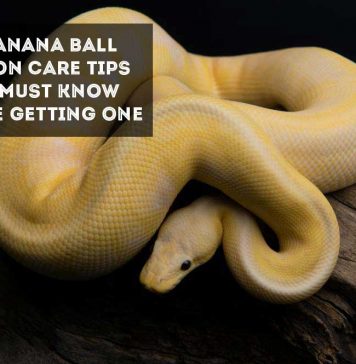
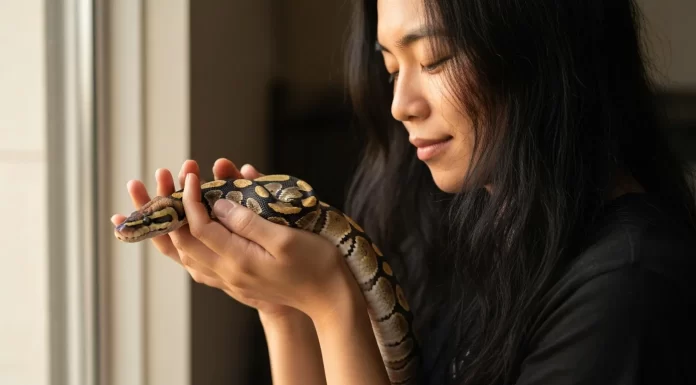
Ball pythons make excellent pets for most beginners — they’re docile, non-venomous, and manageable in size at 3–5 feet. The honest caveat: they live...
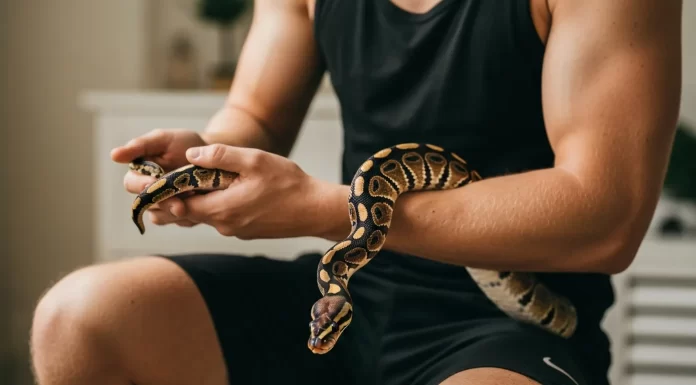
Handle a ball python by supporting its full body weight with both forearms, approaching from the side rather than above, and moving slowly. For...
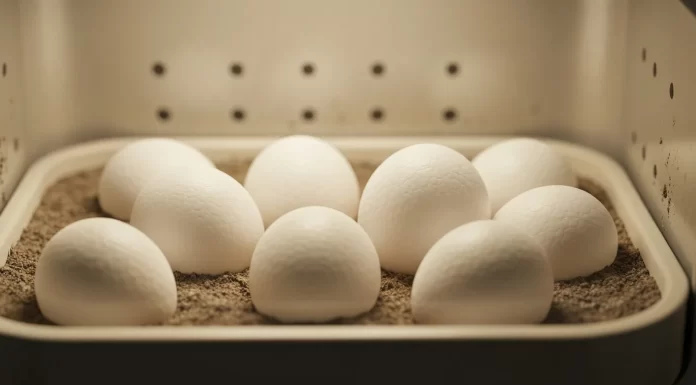
Ball python eggs incubate at 88–90°F with humidity above 90% inside the container. Incubation takes 55–60 days. Use a sealed plastic container with moistened...
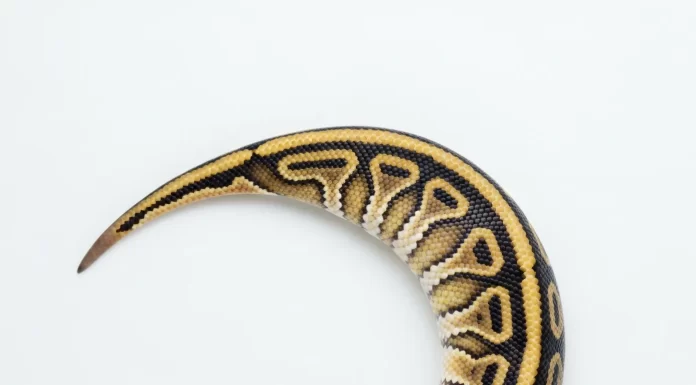
Three methods exist to sex a ball python: visual examination (tail shape, pelvic spurs, body size), pop-sexing, and probing. Visual examination is safe for...
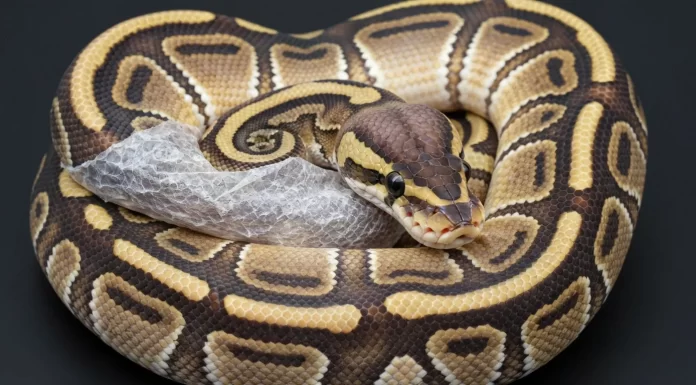
Stuck shed — the medical term is dysecdysis — happens when the skin doesn’t come off completely during shedding. The most common cause is...
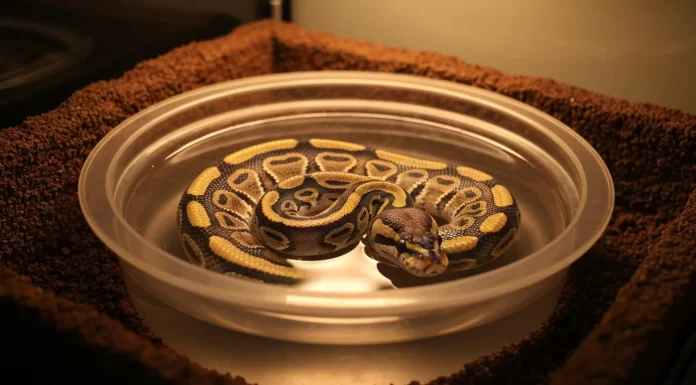
A ball python’s water bowl should be large enough for the snake to coil fully inside and soak its entire body. Place it on...
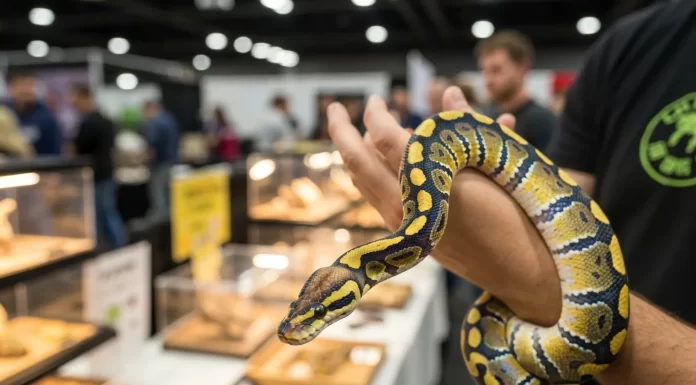
The safest way to acquire a ball python is from a captive-bred animal with a documented feeding history, sourced from a reputable breeder or...
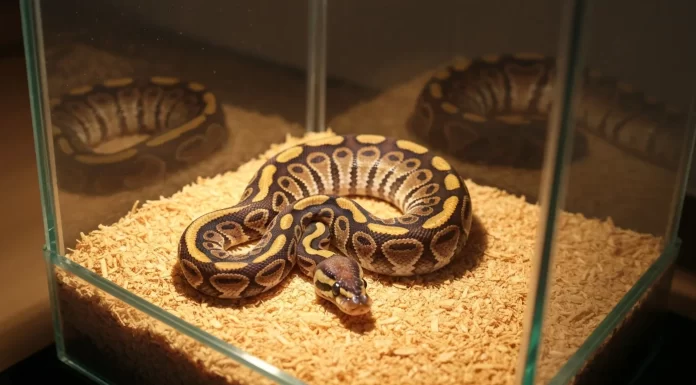
Every ball python keeper has made at least one of these. Most are easy to fix once you know what to look for. The...
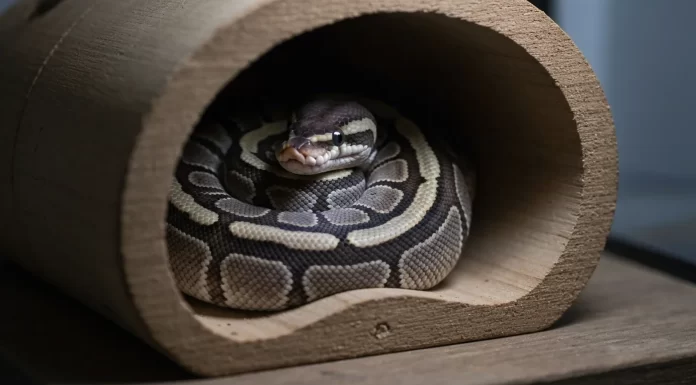
Ball pythons don’t truly brumate the way temperate reptiles do. Pet ball pythons don’t need any seasonal cooling — consistent temperatures year-round are entirely...