

Jumping spiders (family Salticidae) are the largest family of spiders on Earth, with more than 6,700 described species across roughly 700 genera, on every...
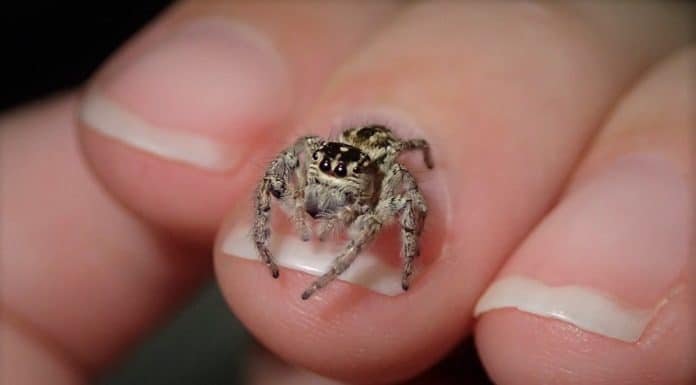
Not all jumping spiders are equally suited to captive life. Of the roughly 6,500 described Salticidae species worldwide, only a small handful belong in...
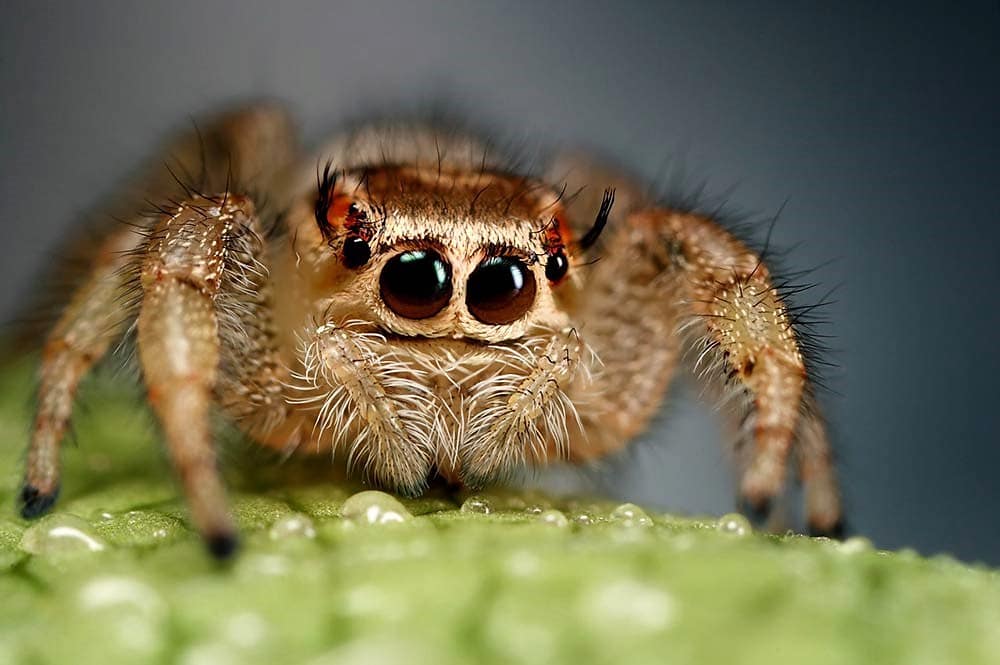
Jumping spiders are one of the fastest-growing categories in the exotic pet hobby, with online marketplaces like MorphMarket listing over 400 active jumping spider...
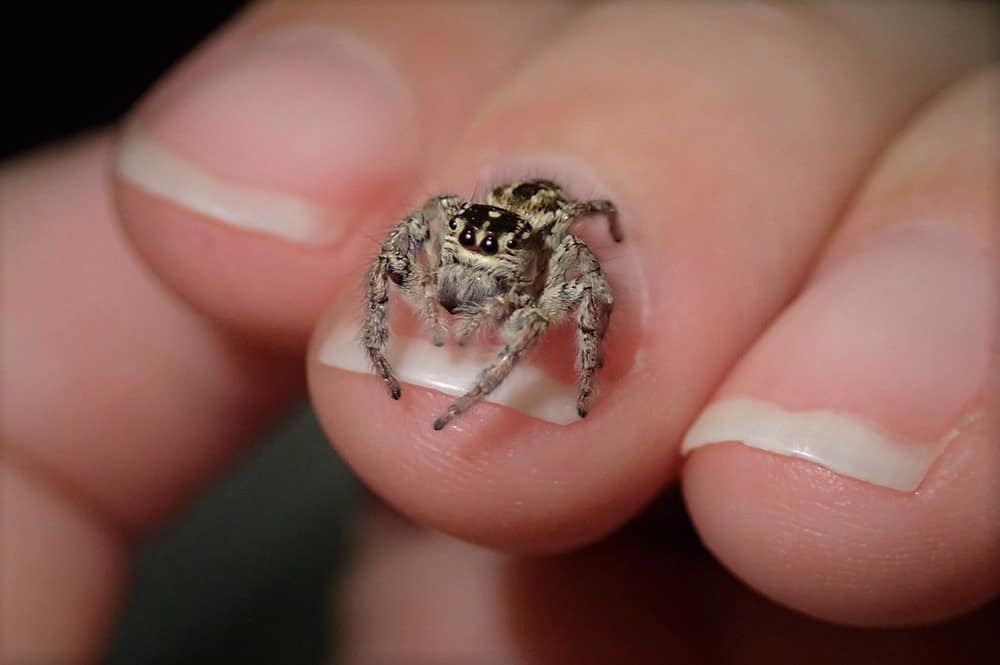
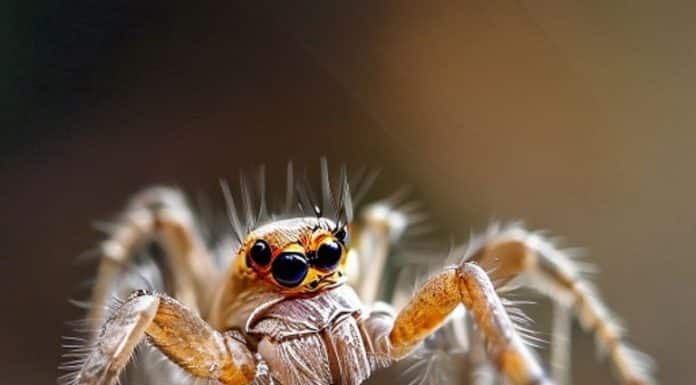
Are you planning to get a jumping spider as pet? Then you better learn how to take good care of them. Here is what to expect having a jumping spider as pet.
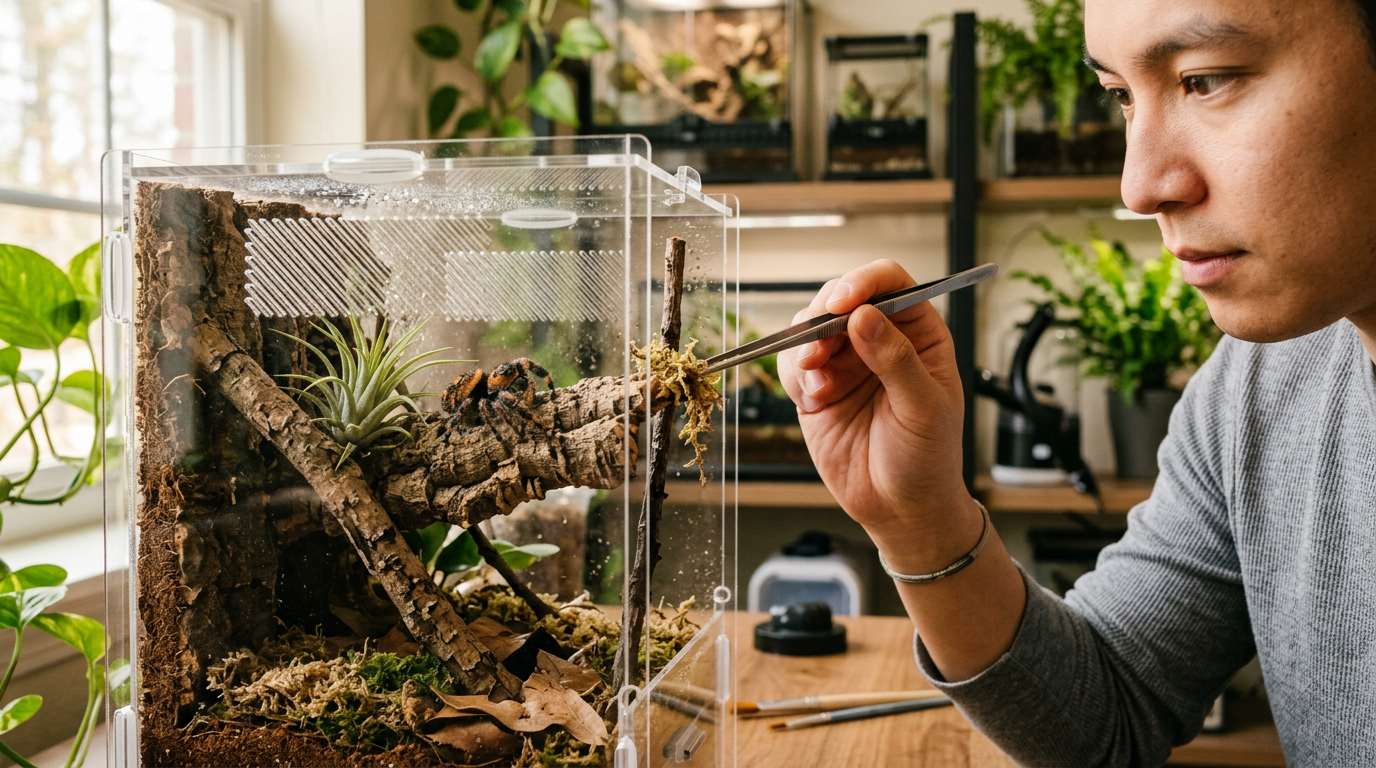
Almost every jumping spider that arrives at a vet visit, fails to molt, or dies prematurely in captivity does so because of a small...
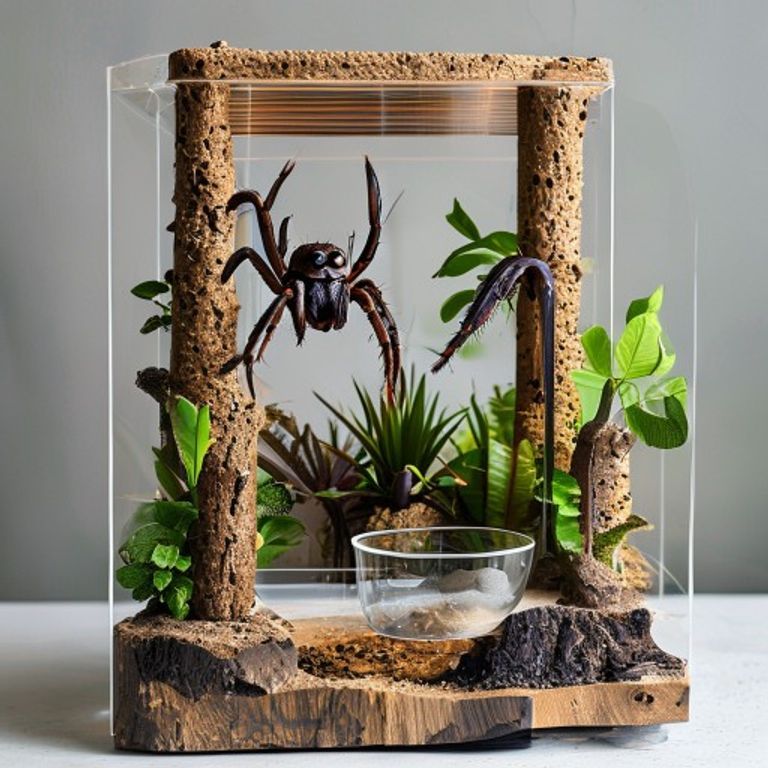
A jumping spider needs a vertical, well-ventilated arboreal enclosure sized 4 to 12 times the spider’s diagonal leg span in height, with cross-flow ventilation...
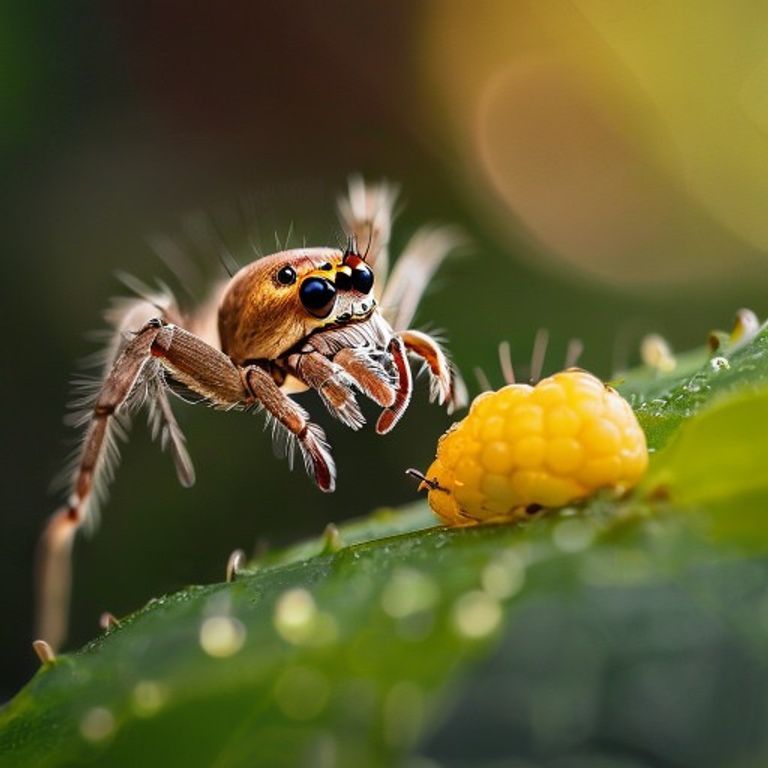
A pet jumping spider's feeding schedule changes dramatically as it grows: a first instar spiderling eats every 1 to 2 days, a juvenile every...
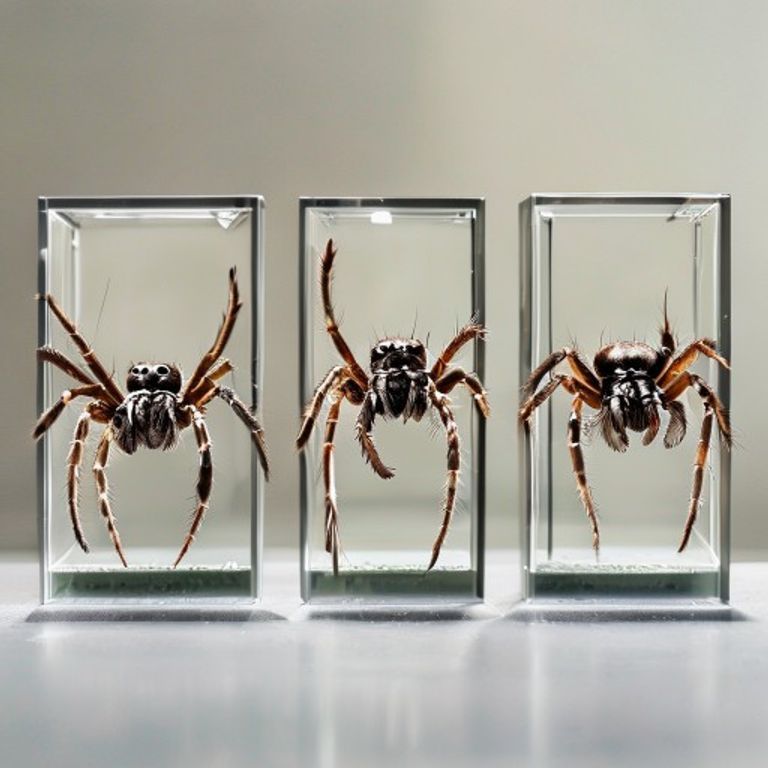
By the ExoPetGuides Team | Jumping Spider Enclosure
A jumping spider needs an enclosure that is at least 3 to 5 times its diagonal leg...
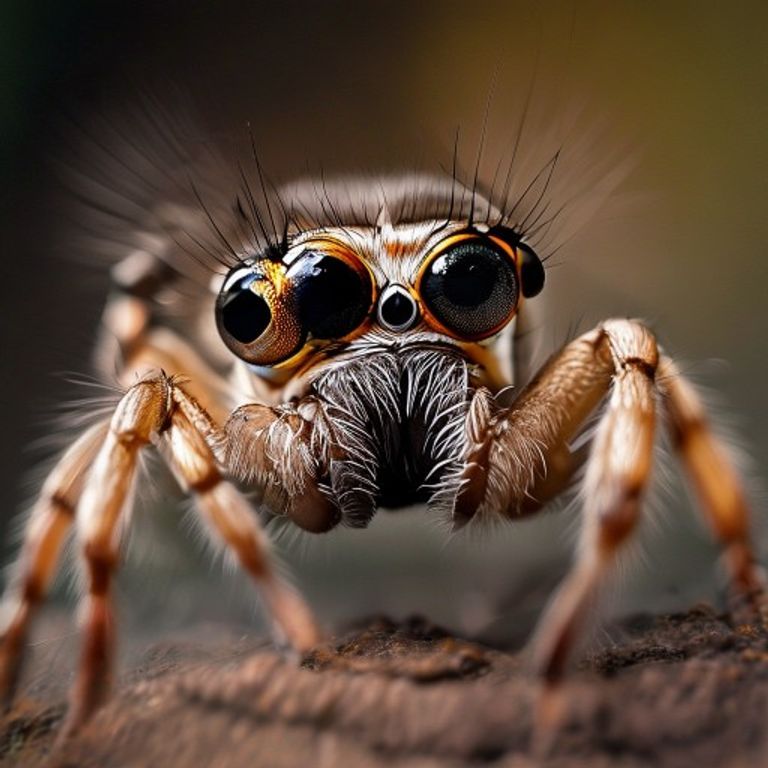
Understanding Jumping Spider Body Language
Jumping spiders communicate almost entirely through visual posture and substrate vibration, and every gesture you see has a specific meaning....
Molting is the single most dangerous and the single most important event in a jumping spider’s life, and the keeper’s job is almost entirely...