

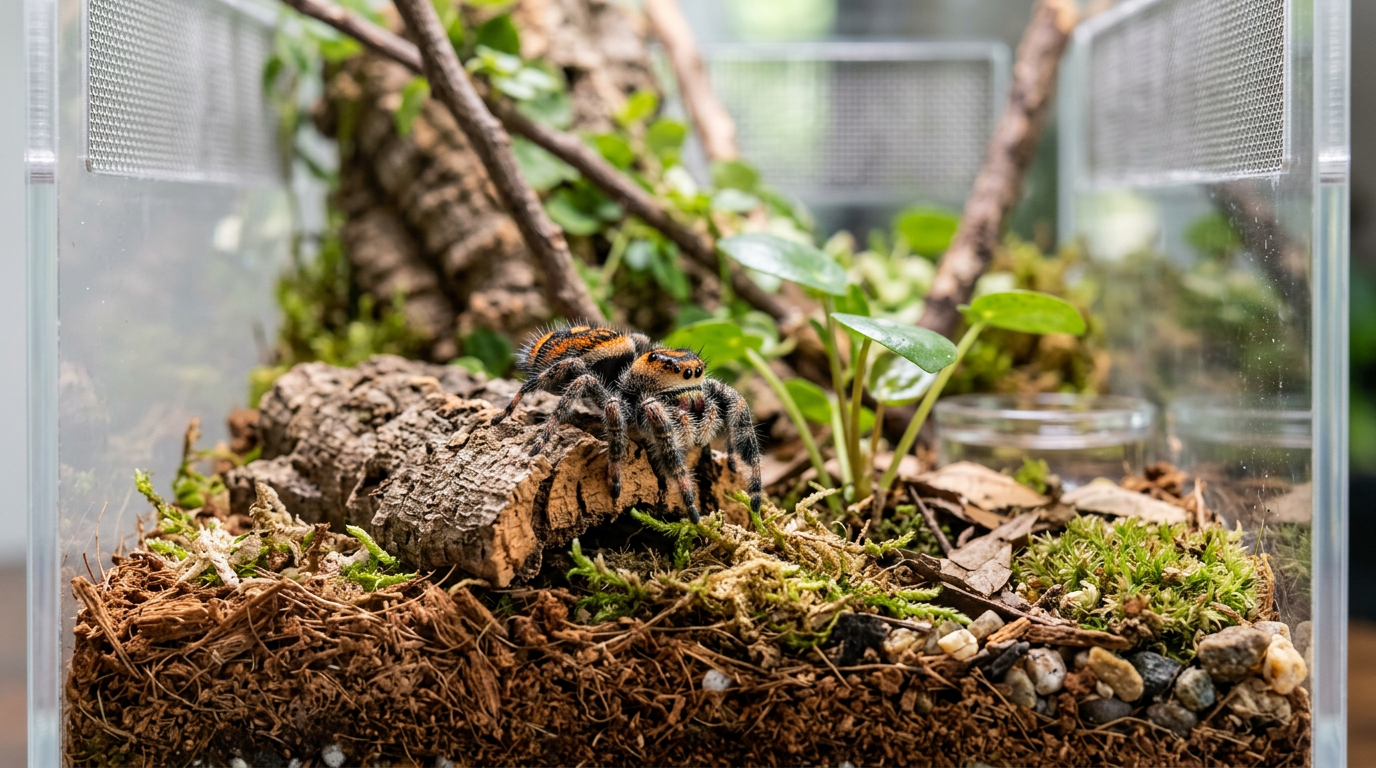
Substrate in a jumping spider enclosure does three jobs: it buffers humidity, gives the spider a safe surface if it falls off the wall,...
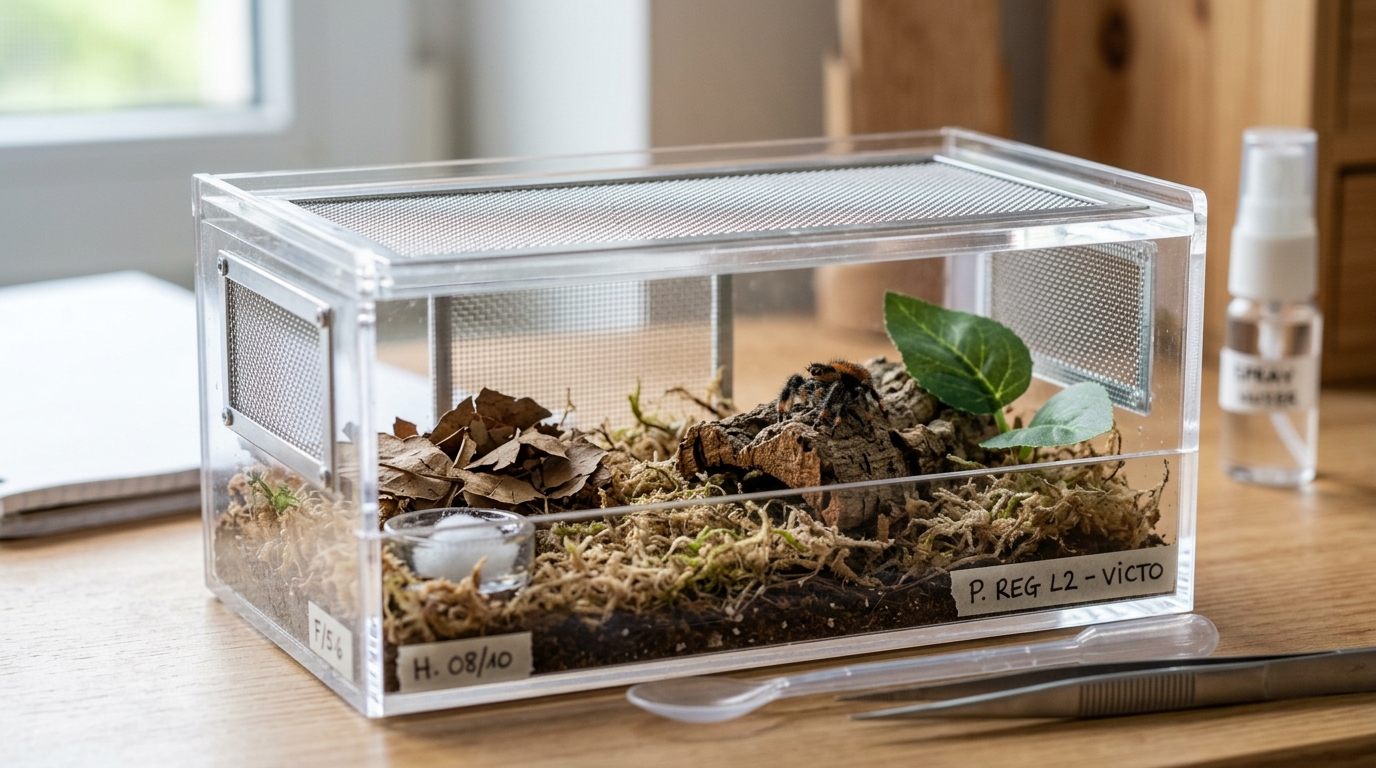
Raising jumping spider spiderlings from an egg sac is one of the most rewarding projects in the hobby and one of the most logistically...
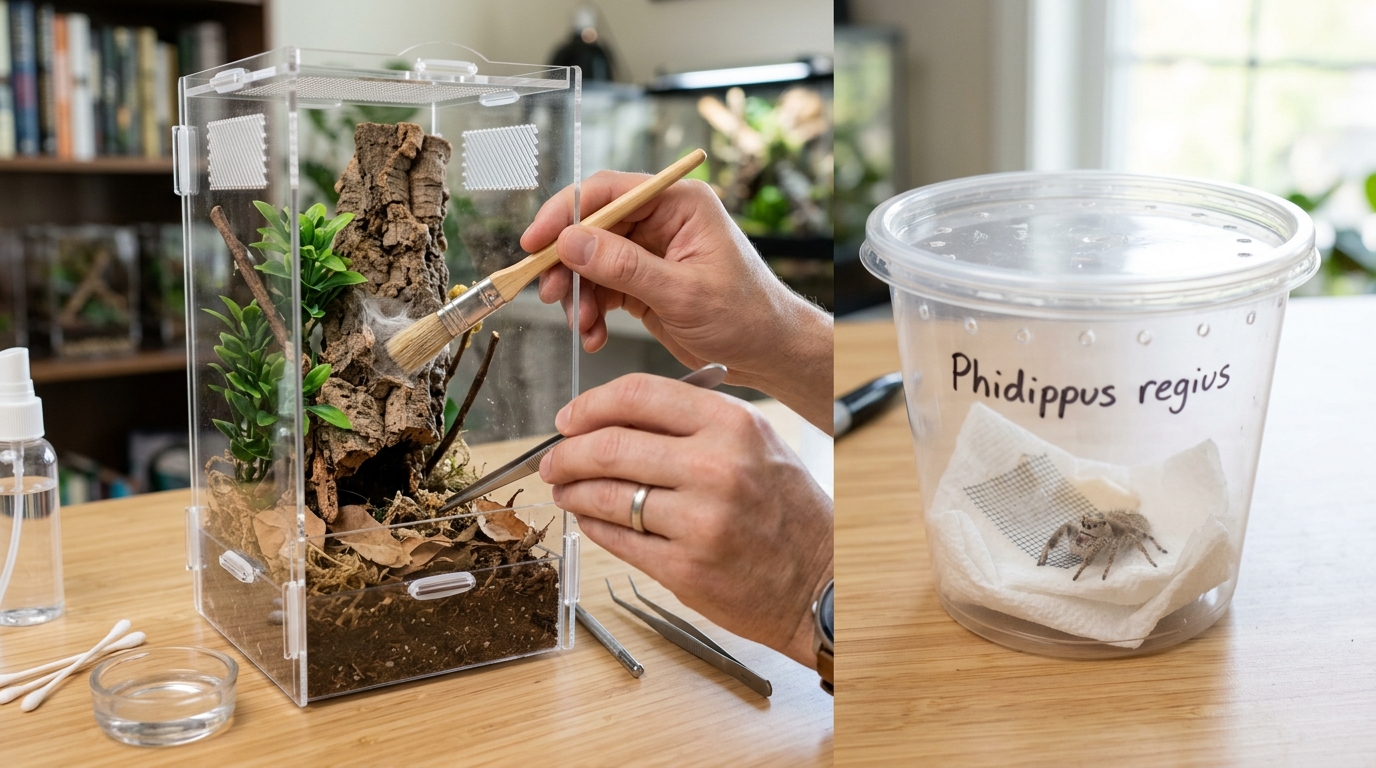
Keeping a jumping spider enclosure clean is one of the simplest parts of spider husbandry, but neglecting it produces problems that are disproportionately dangerous...
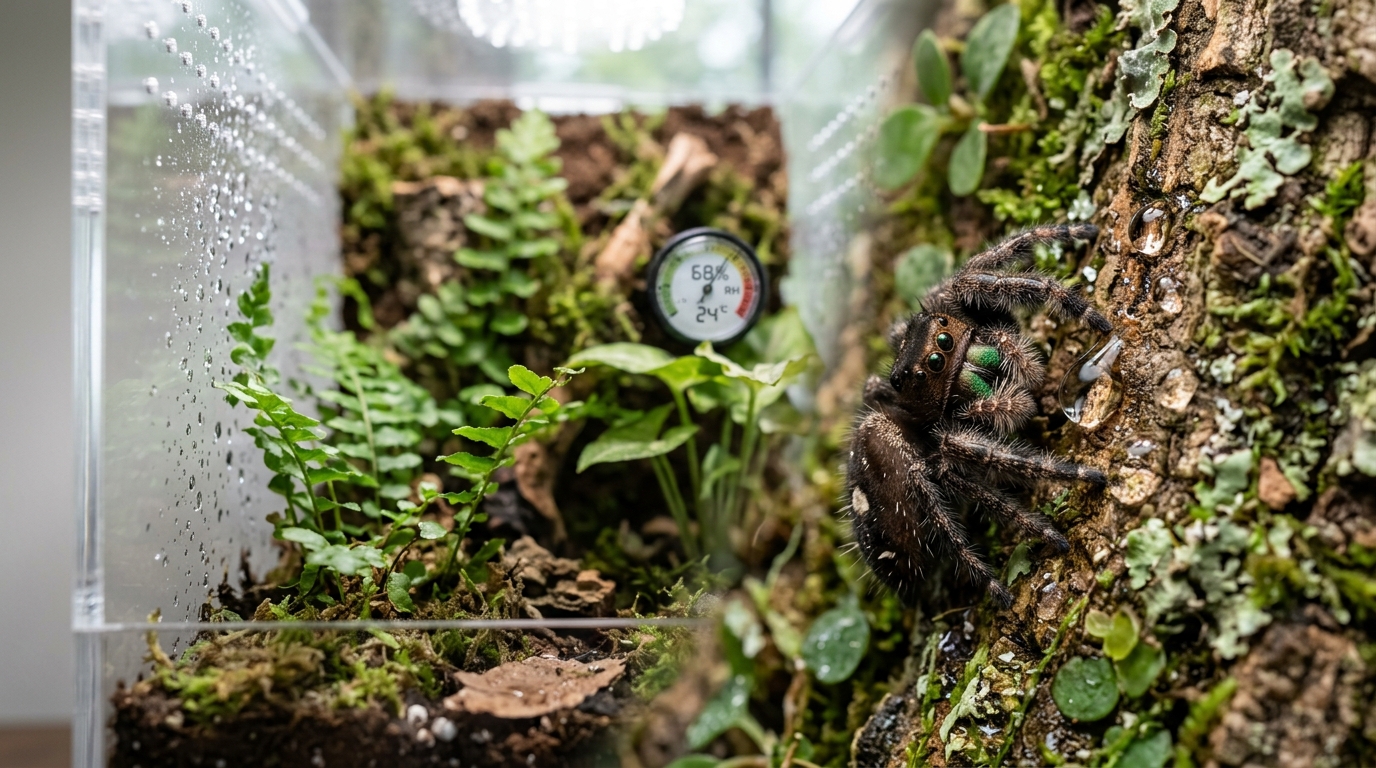
Hydration is the husbandry parameter that quietly kills more captive jumping spiders than any other, including in collections kept by experienced keepers. Salticids drink...
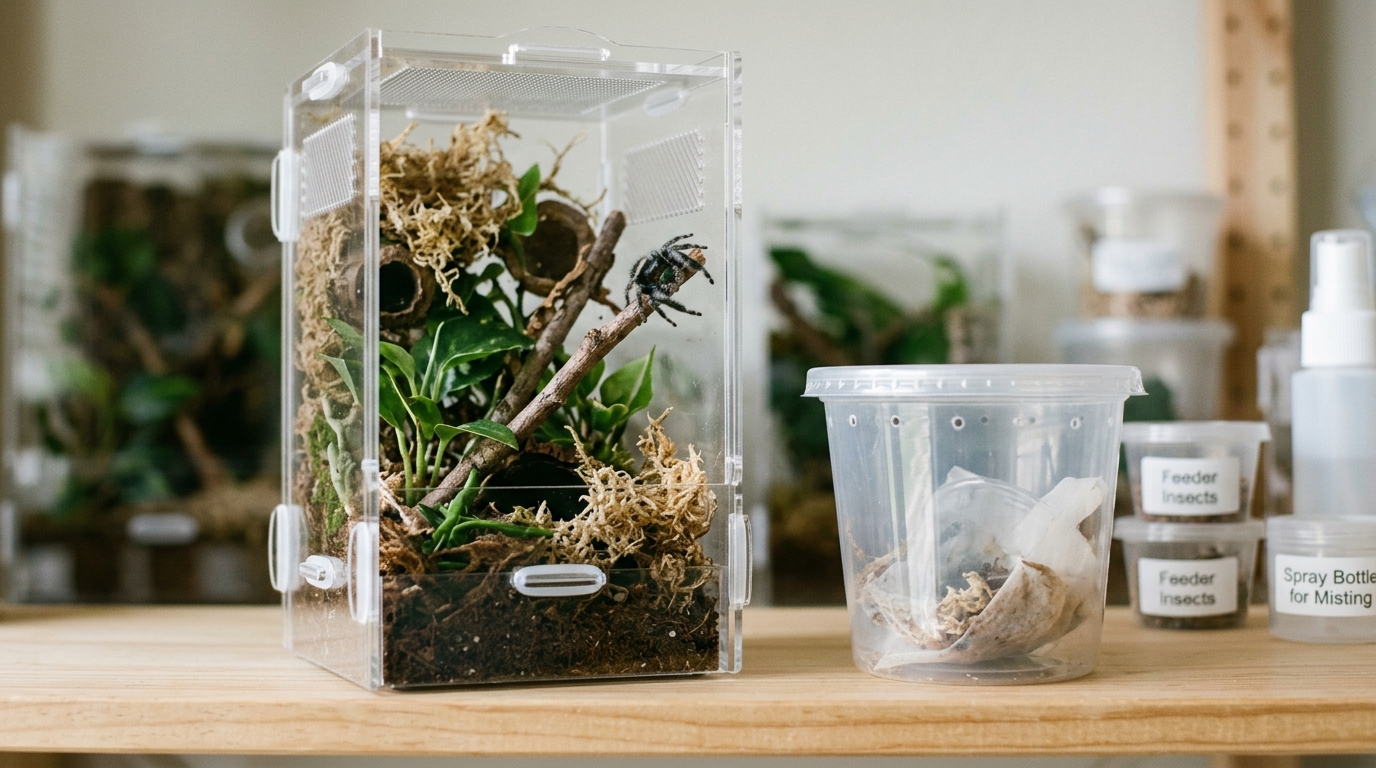
The US jumping spider market has expanded sharply since 2020, with dedicated breeder marketplaces such as MorphMarket regularly hosting 600 or more captive-bred jumping...
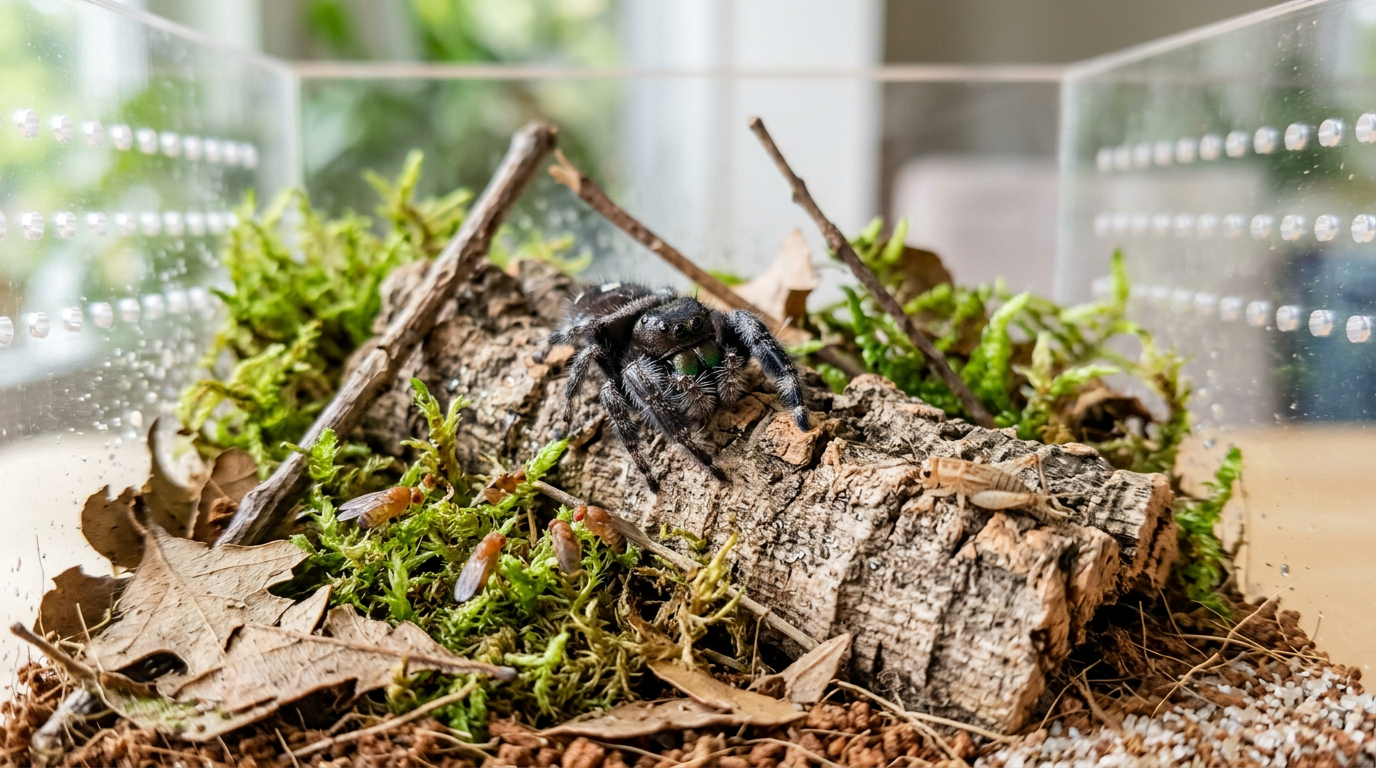
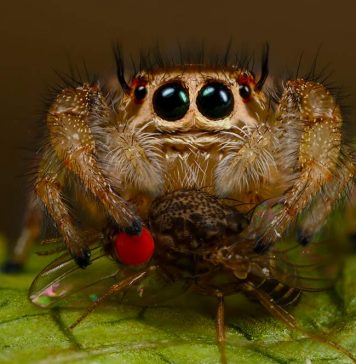
The best feeder insects for jumping spiders are flightless fruit flies (Drosophila melanogaster for spiderlings and D. hydei for late slings and small juveniles),...
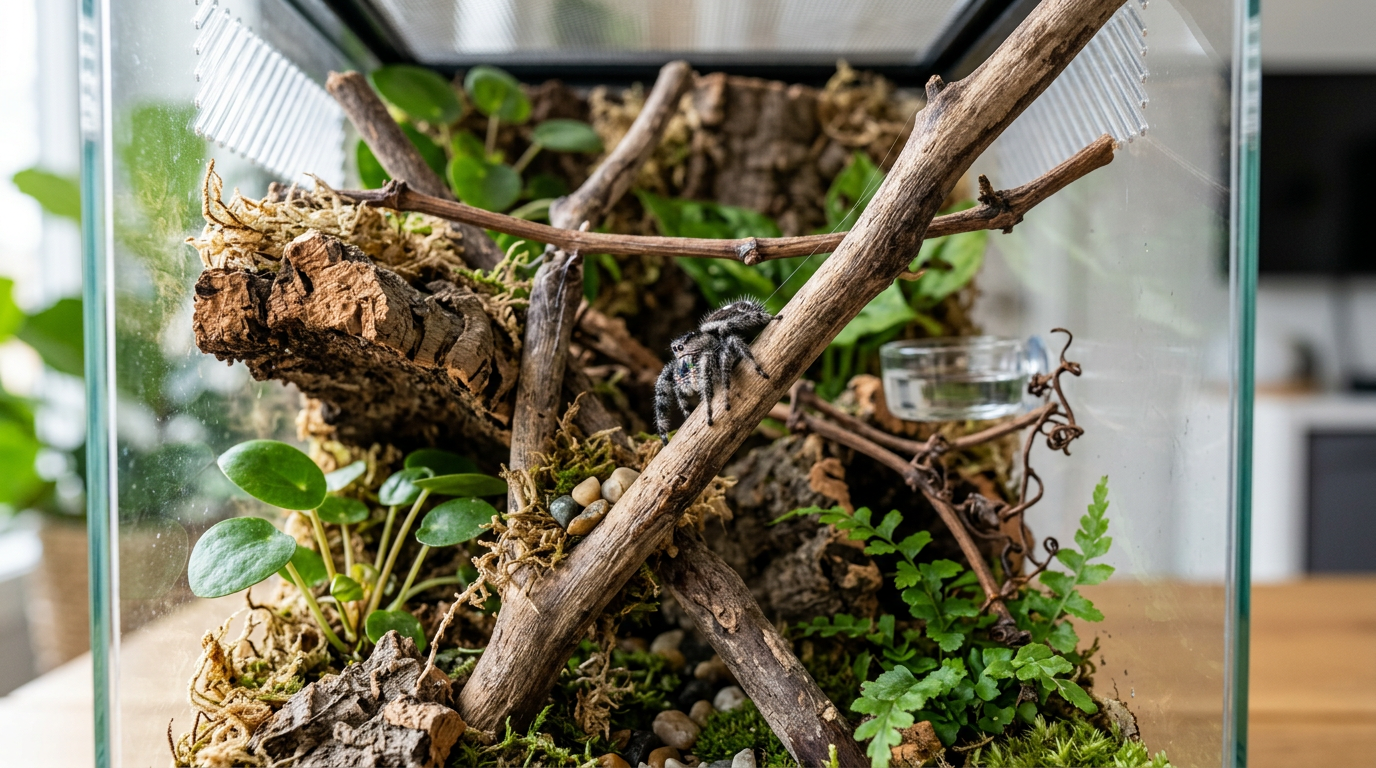
Jumping spider enrichment is the deliberate design of an enclosure and a care routine that gives this highly visual, cognitively complex predator opportunities to...
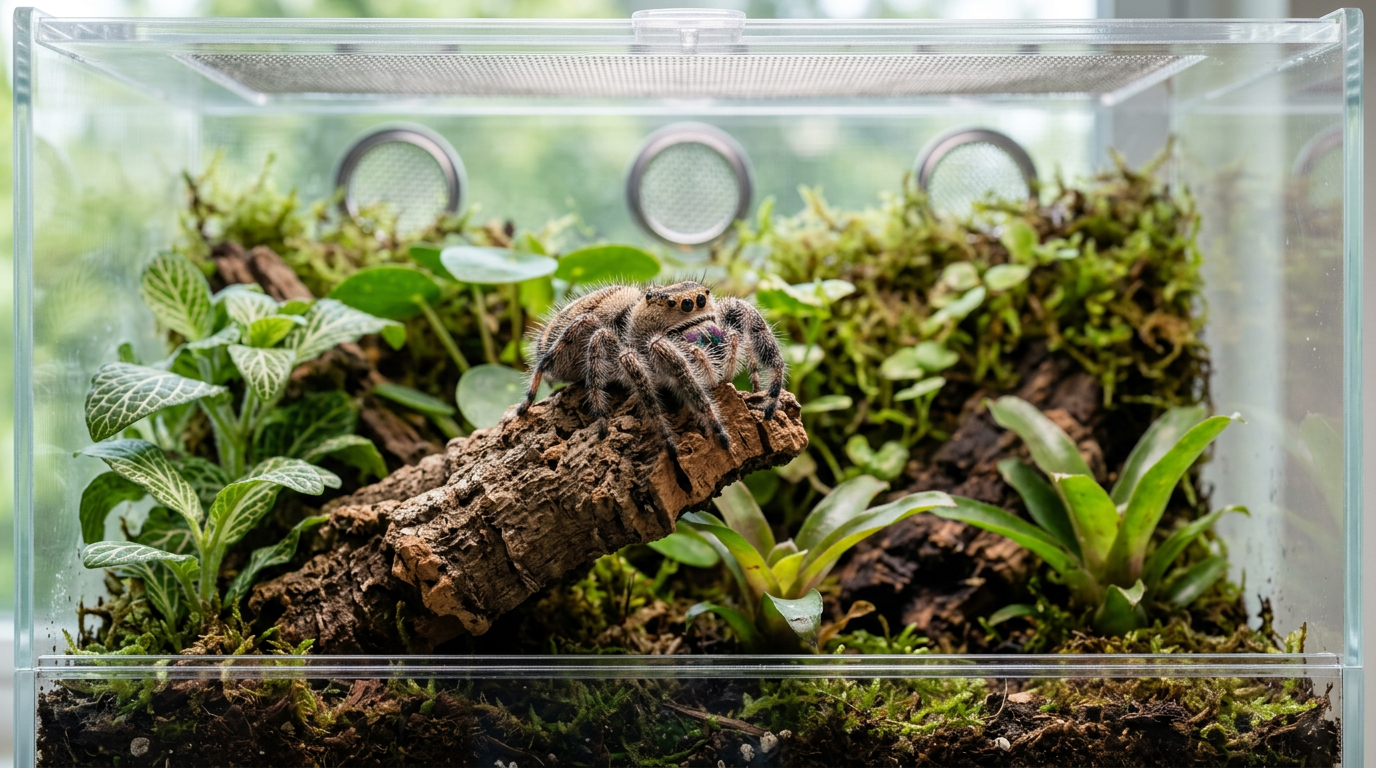
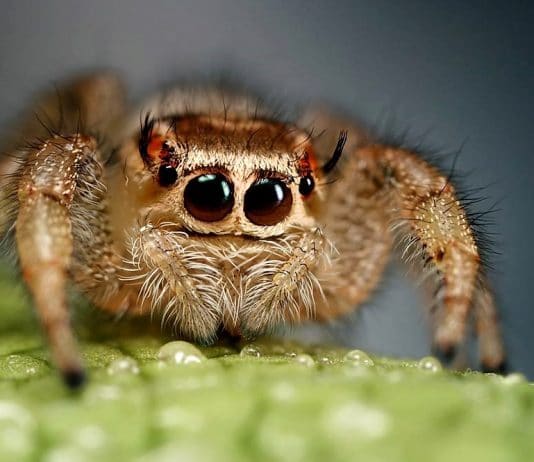
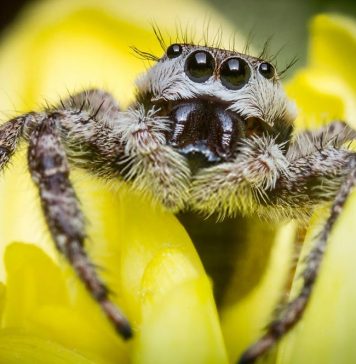
Jumping spiders are among the most visually dependent hunters in the entire arachnid world. Their oversized anterior median eyes deliver color vision, depth perception,...
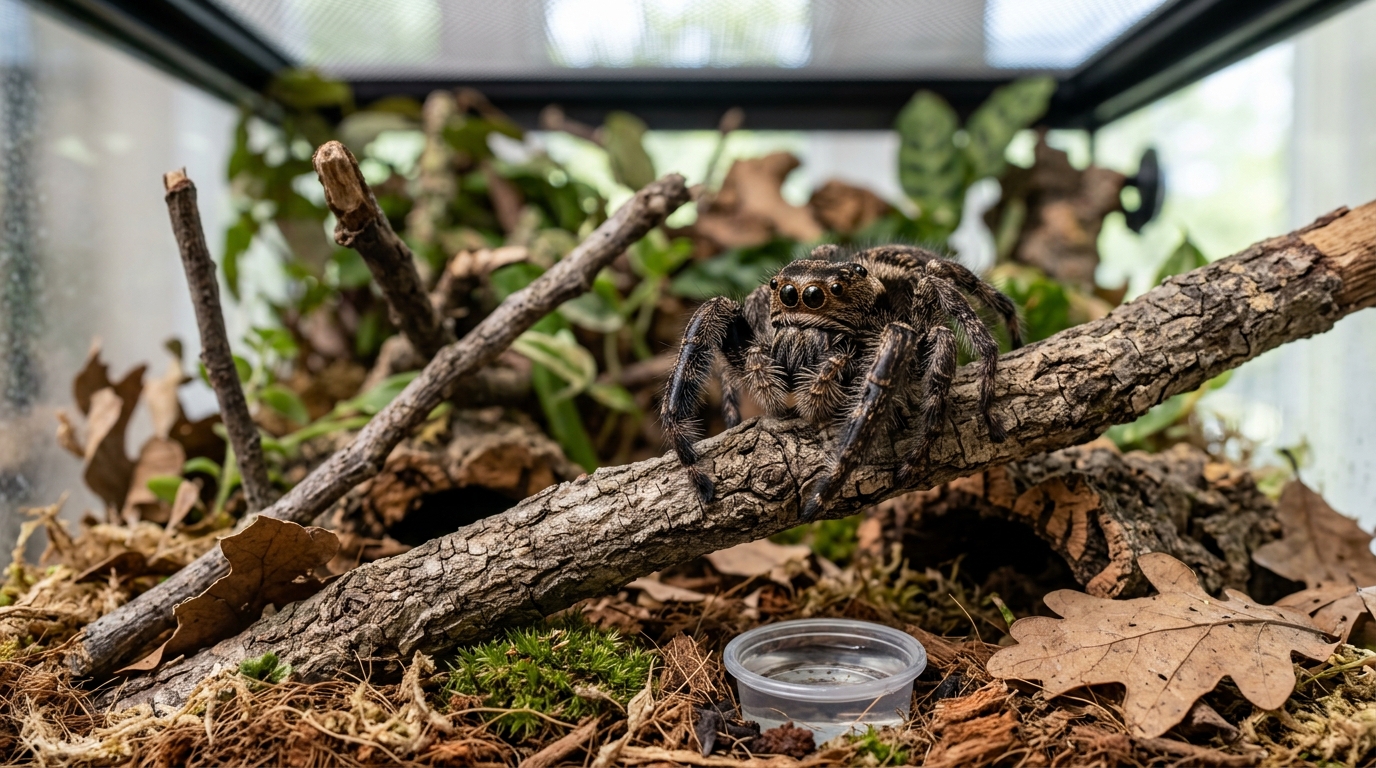
Hyllus diardi, commonly called the heavy jumping spider, giant jumping spider, or eyelash jumping spider, is the largest readily available jumping spider in the...
Breeding jumping spiders is one of the more accessible projects in the invertebrate hobby, but it carries real welfare weight: a single successful Phidippus...