

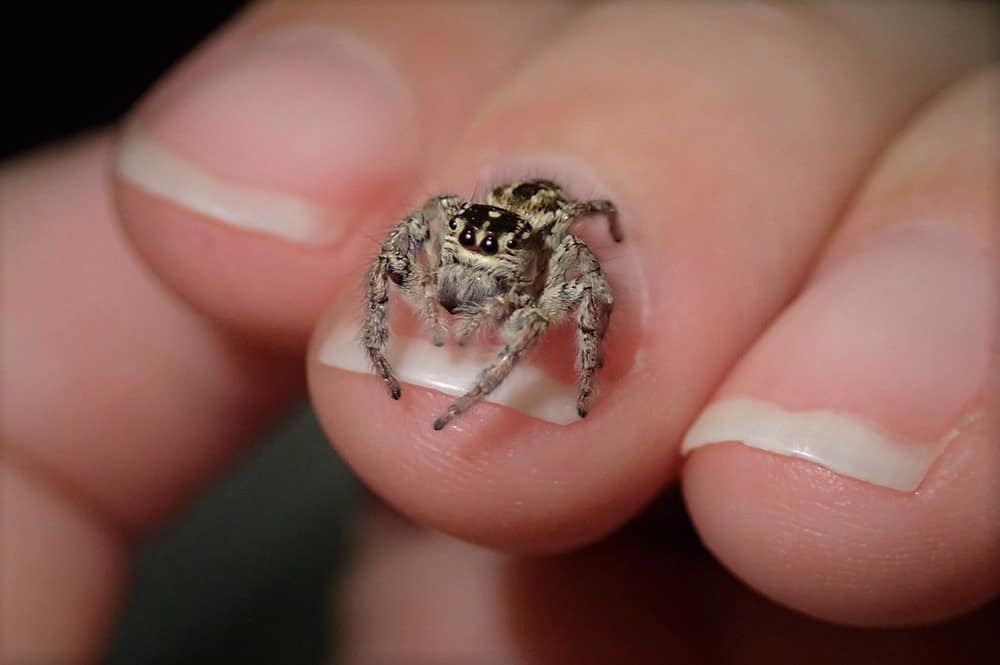
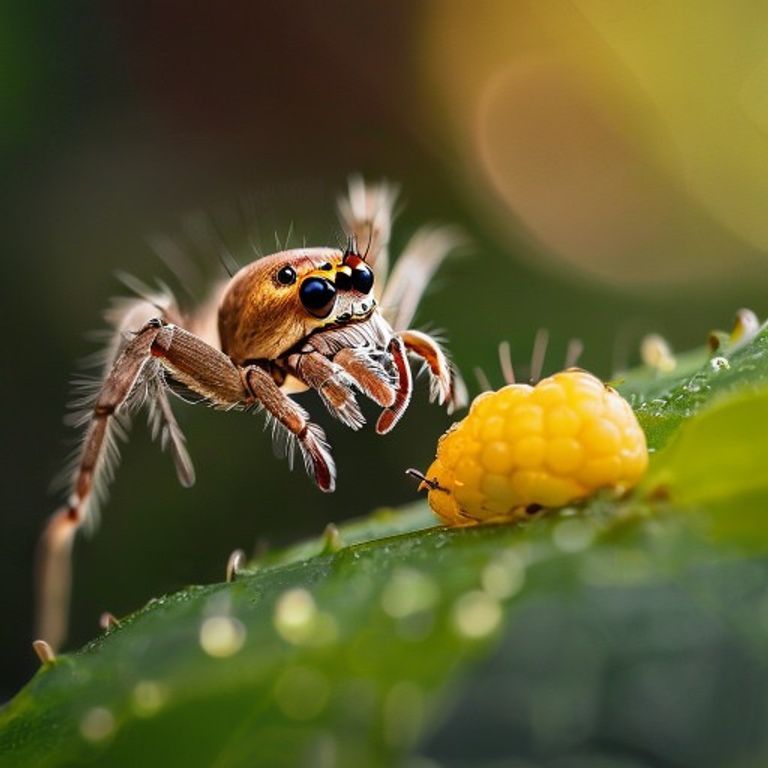
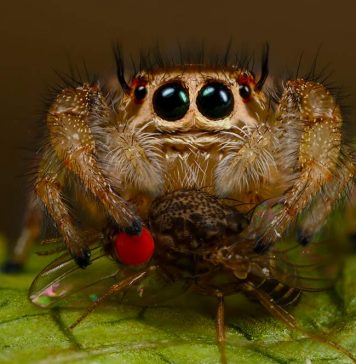
Molting is the single most dangerous and the single most important event in a jumping spider’s life, and the keeper’s job is almost entirely...
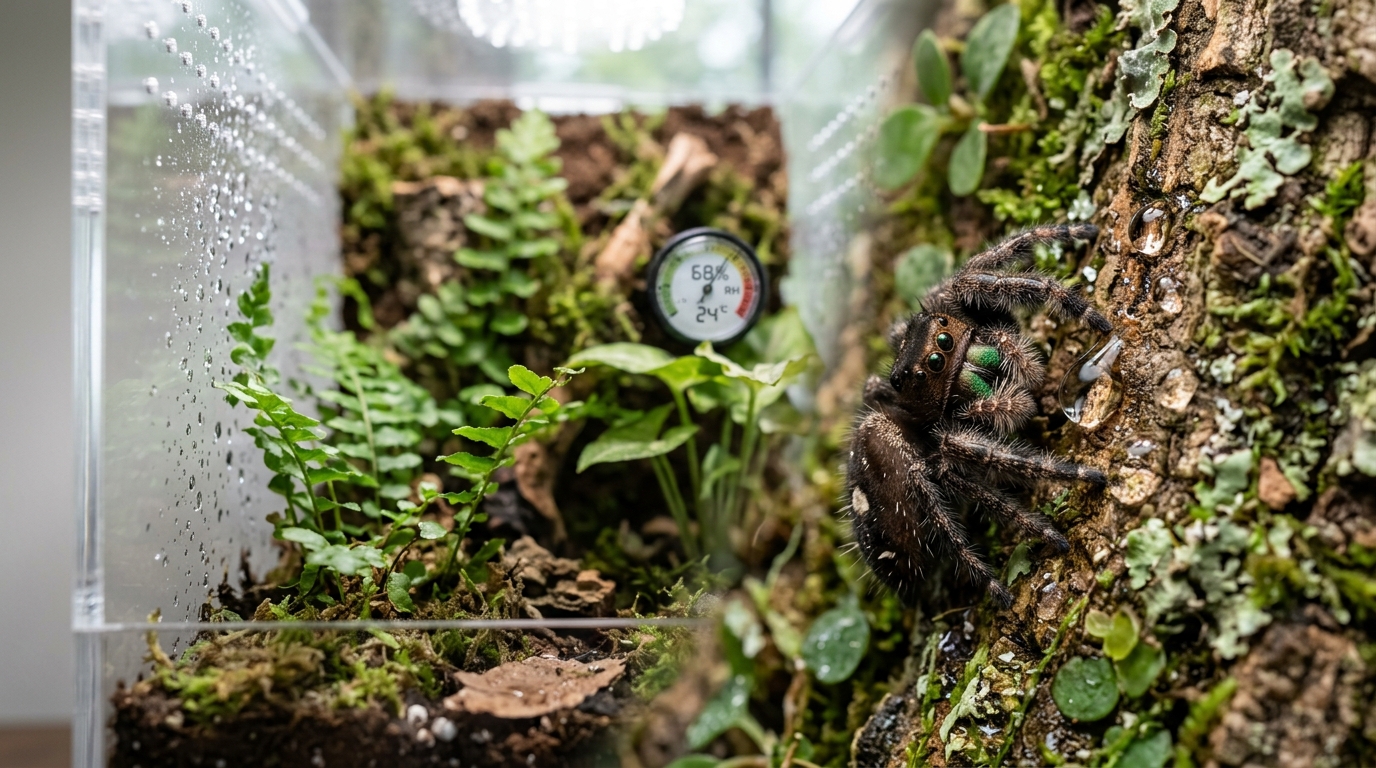
Hydration is the husbandry parameter that quietly kills more captive jumping spiders than any other, including in collections kept by experienced keepers. Salticids drink...
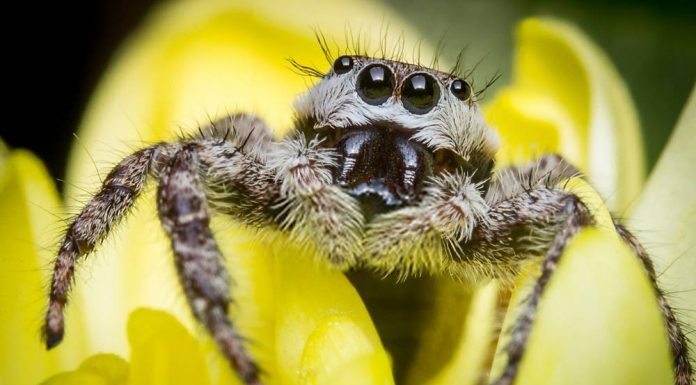
Catching a wild jumping spider for a pet is legal in most US locations, ecologically defensible for common species like Phidippus audax and Platycryptus...
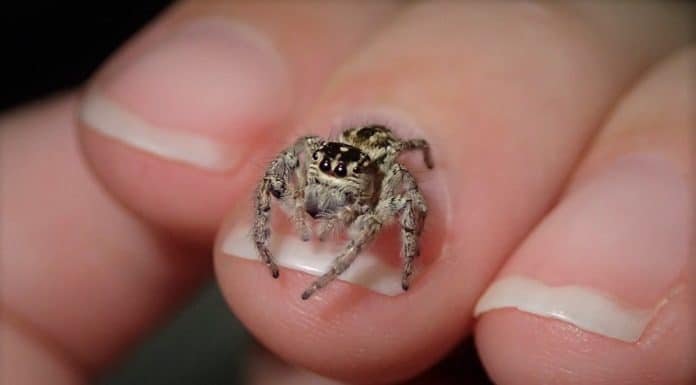
Not all jumping spiders are equally suited to captive life. Of the roughly 6,500 described Salticidae species worldwide, only a small handful belong in...
By the ExoPetGuides Team | Jumping Spider Enclosure
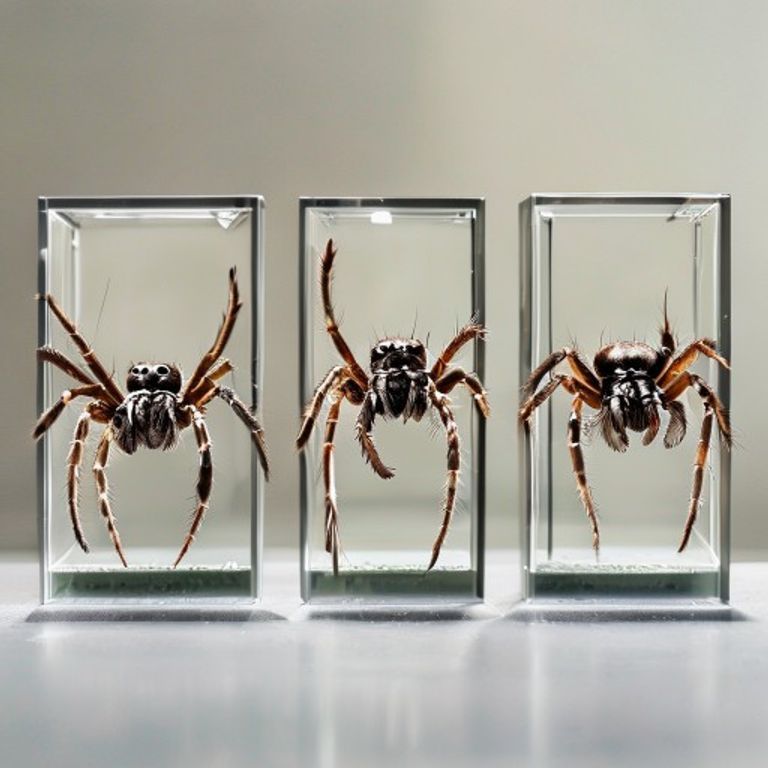
A jumping spider needs an enclosure that is at least 3 to 5 times its diagonal leg...
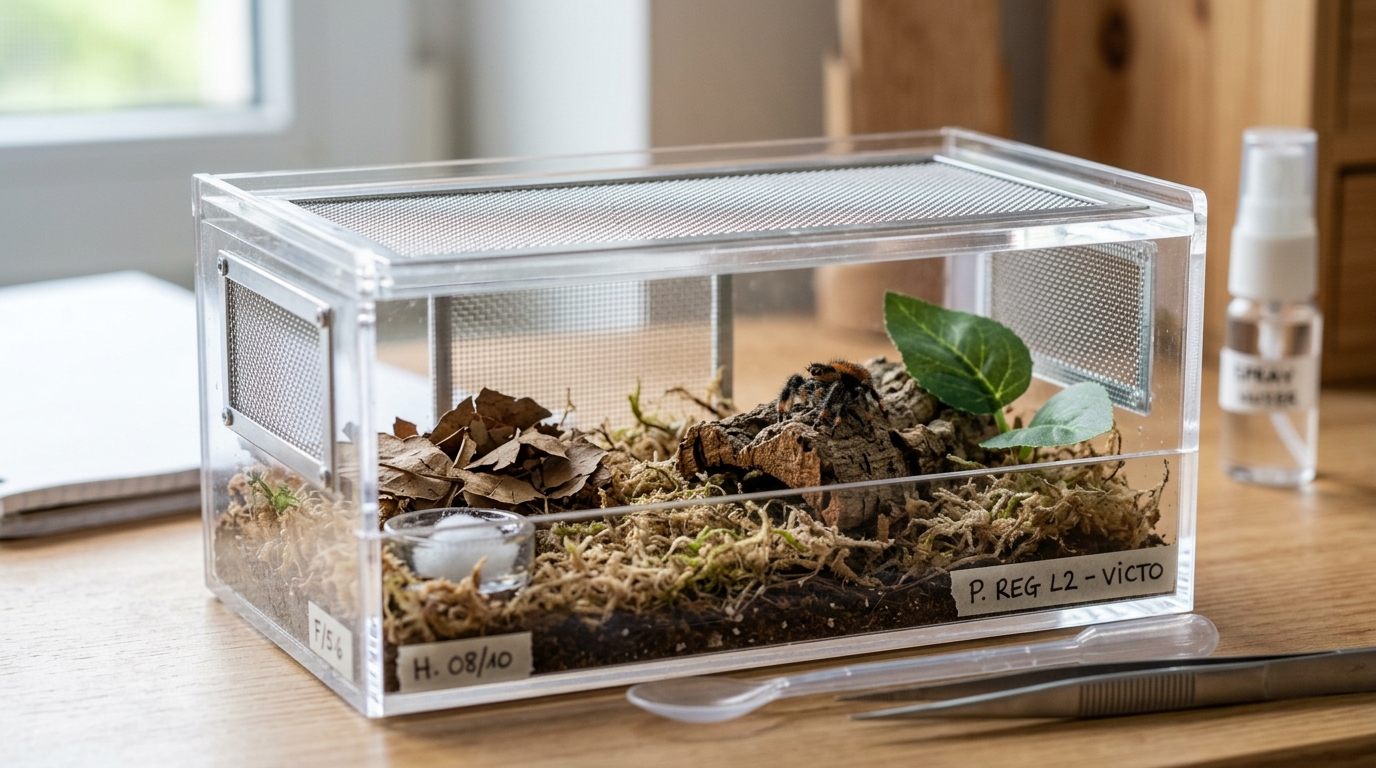
Raising jumping spider spiderlings from an egg sac is one of the most rewarding projects in the hobby and one of the most logistically...
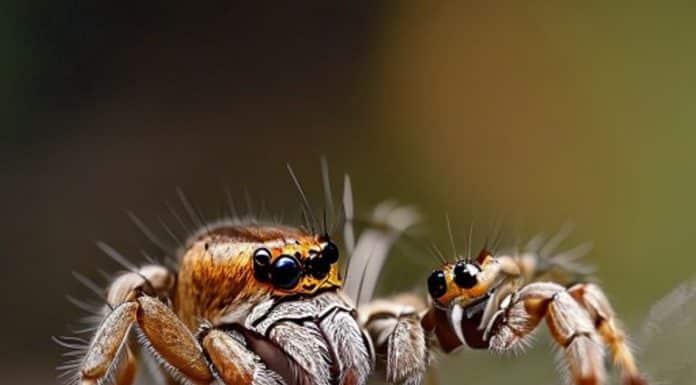
Most jumping spider deaths in captivity are preventable, and the keepers who catch problems early share one habit: they know exactly what a healthy...
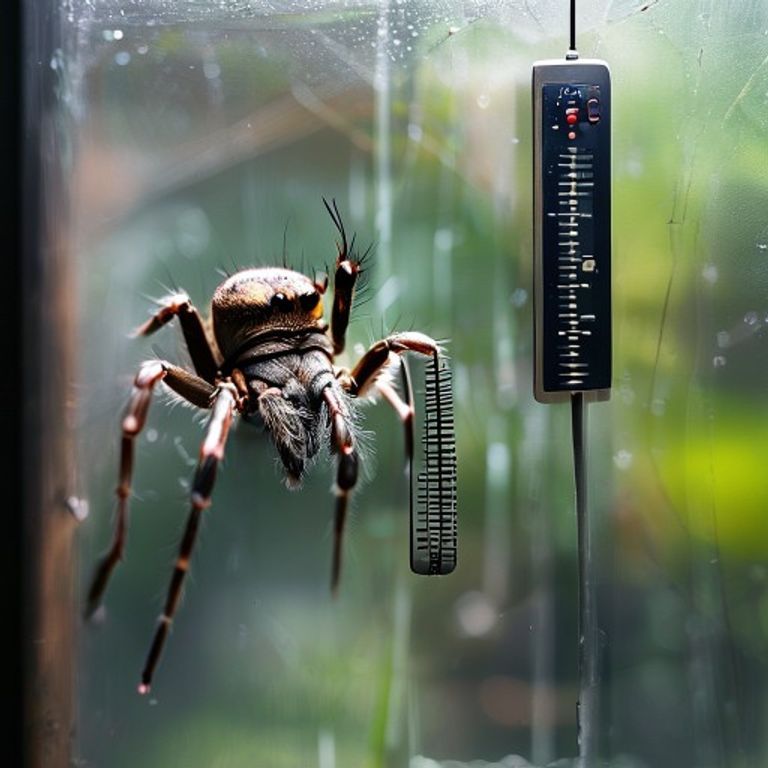
By the ExoPetGuides Team | Jumping Spider Husbandry Parameters
A jumping spider does best at ambient temperatures between 70 and 82°F (21 to 28°C) with...
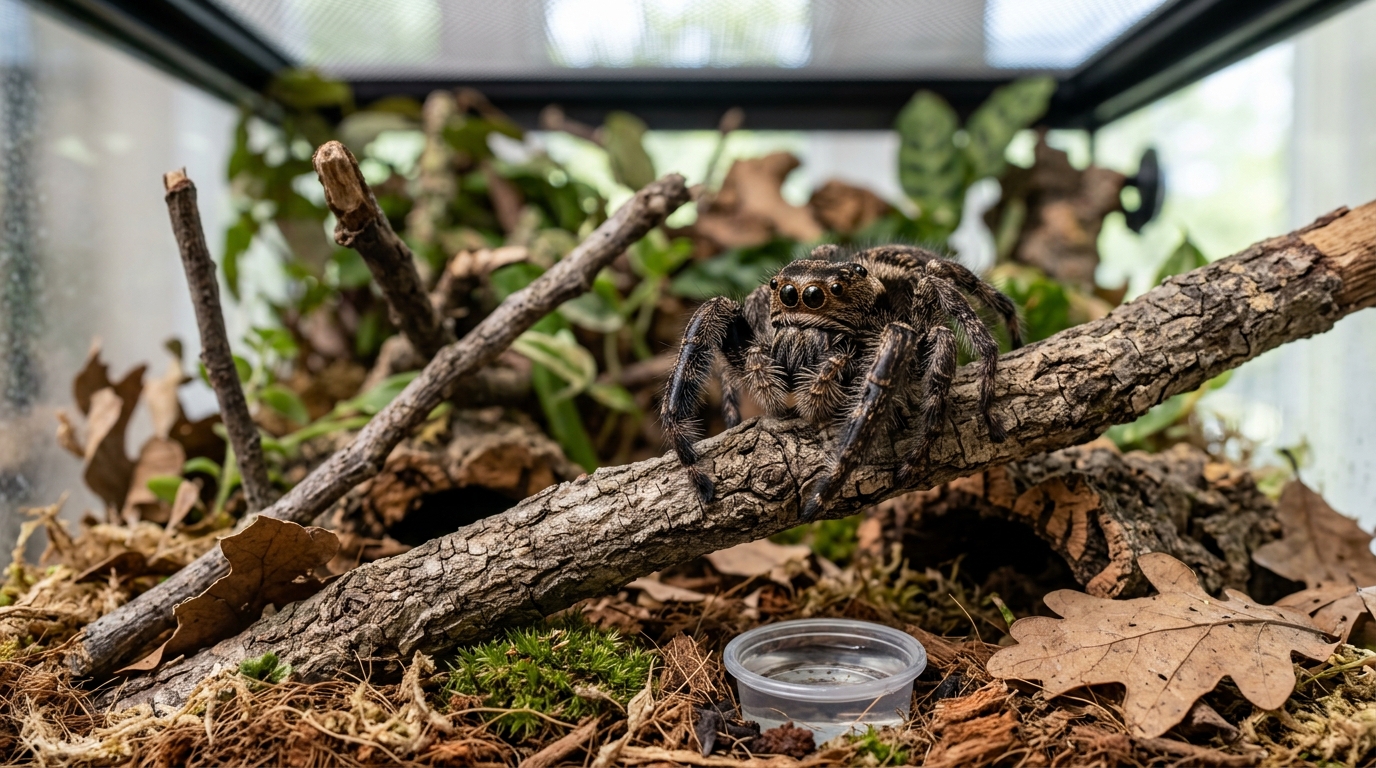
Hyllus diardi, commonly called the heavy jumping spider, giant jumping spider, or eyelash jumping spider, is the largest readily available jumping spider in the...
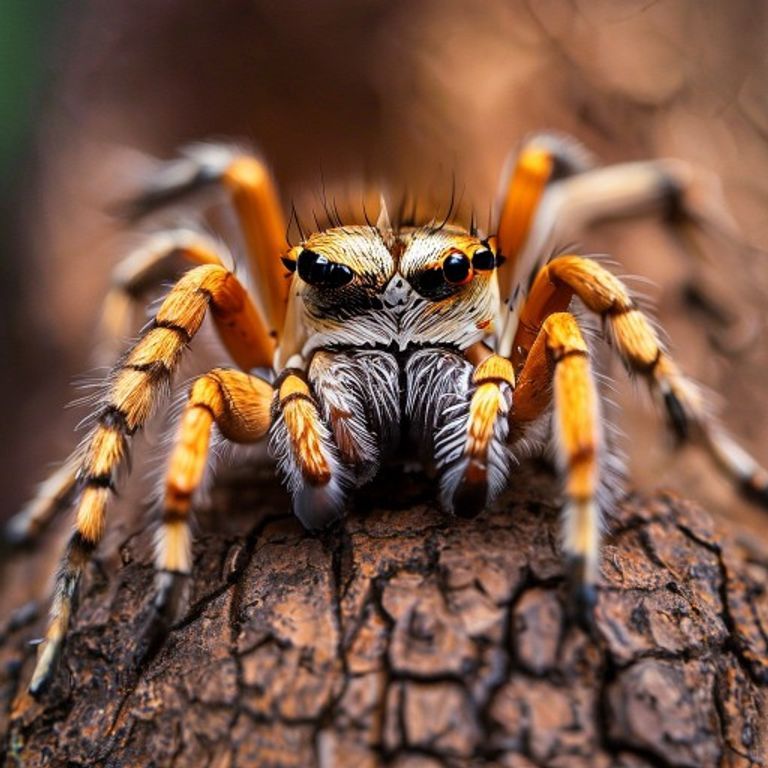
Phidippus regius, the regal jumping spider, is the single most popular jumping spider species in the pet hobby. Native to the southeastern United States,...