

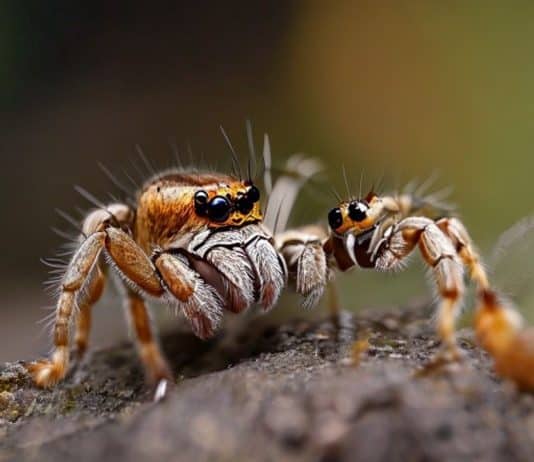
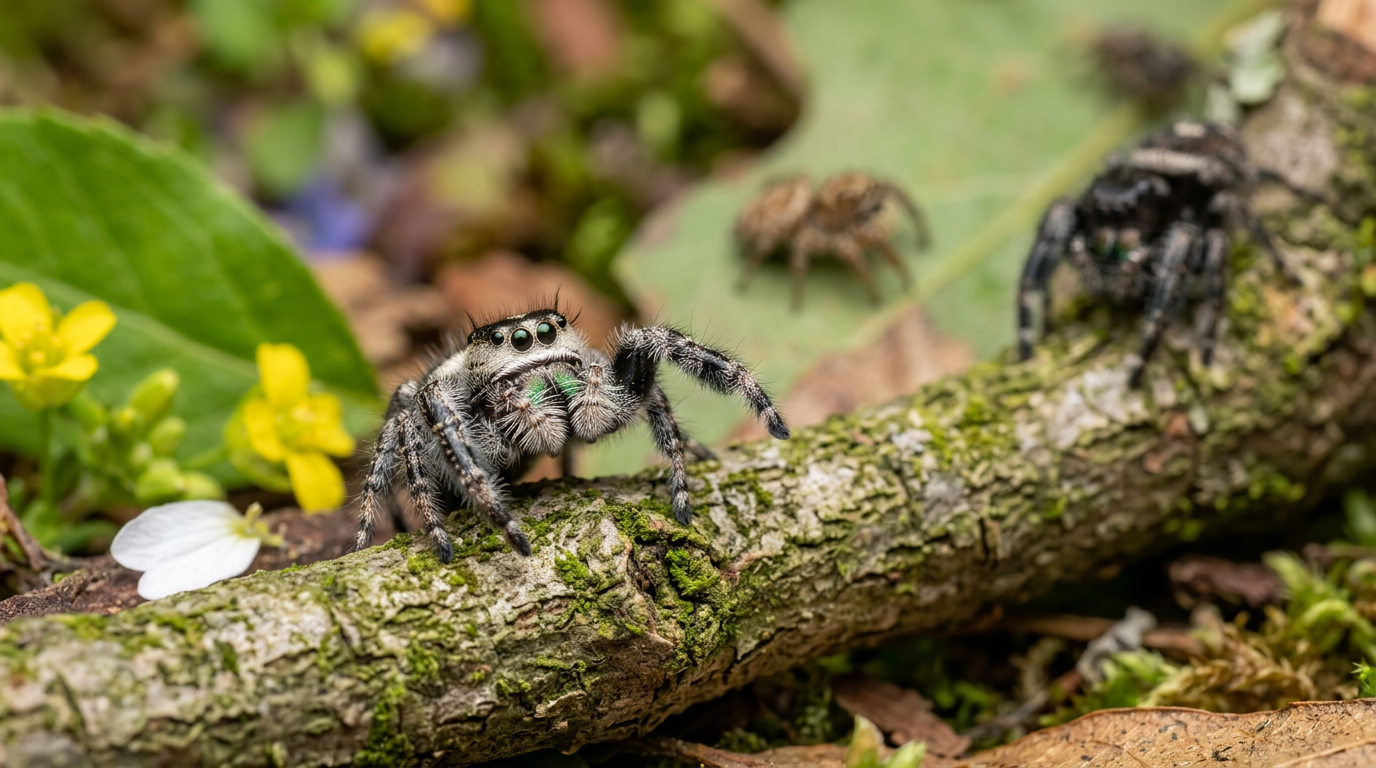
Breeding jumping spiders is one of the more accessible projects in the invertebrate hobby, but it carries real welfare weight: a single successful Phidippus...
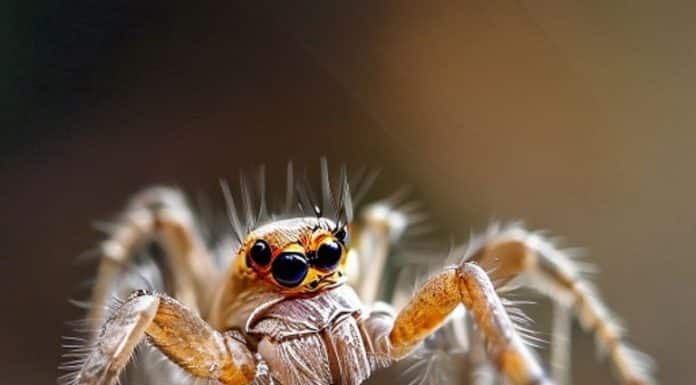
Molting is the single most dangerous and the single most important event in a jumping spider’s life, and the keeper’s job is almost entirely...
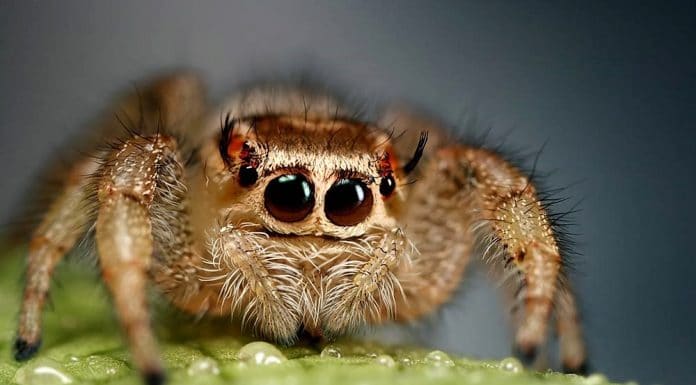
Do Jumping Spiders Bite Humans?
Jumping spiders can bite but very rarely do, and when a bite happens it is medically minor for the overwhelming...
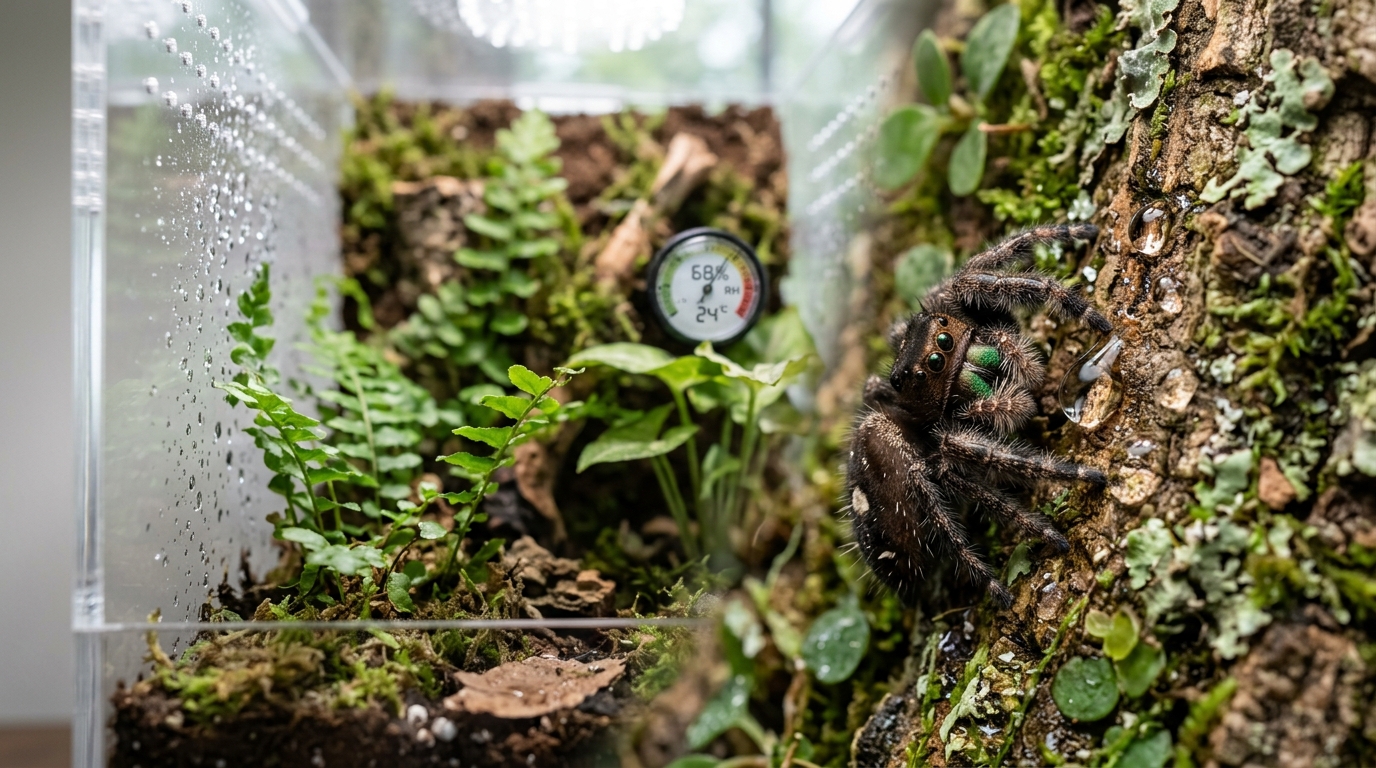
Hydration is the husbandry parameter that quietly kills more captive jumping spiders than any other, including in collections kept by experienced keepers. Salticids drink...
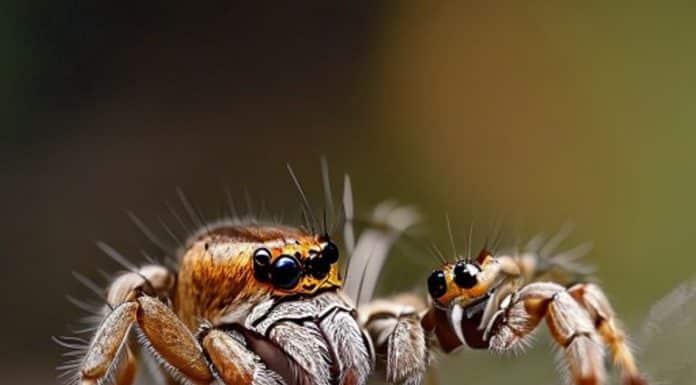
Most jumping spider deaths in captivity are preventable, and the keepers who catch problems early share one habit: they know exactly what a healthy...
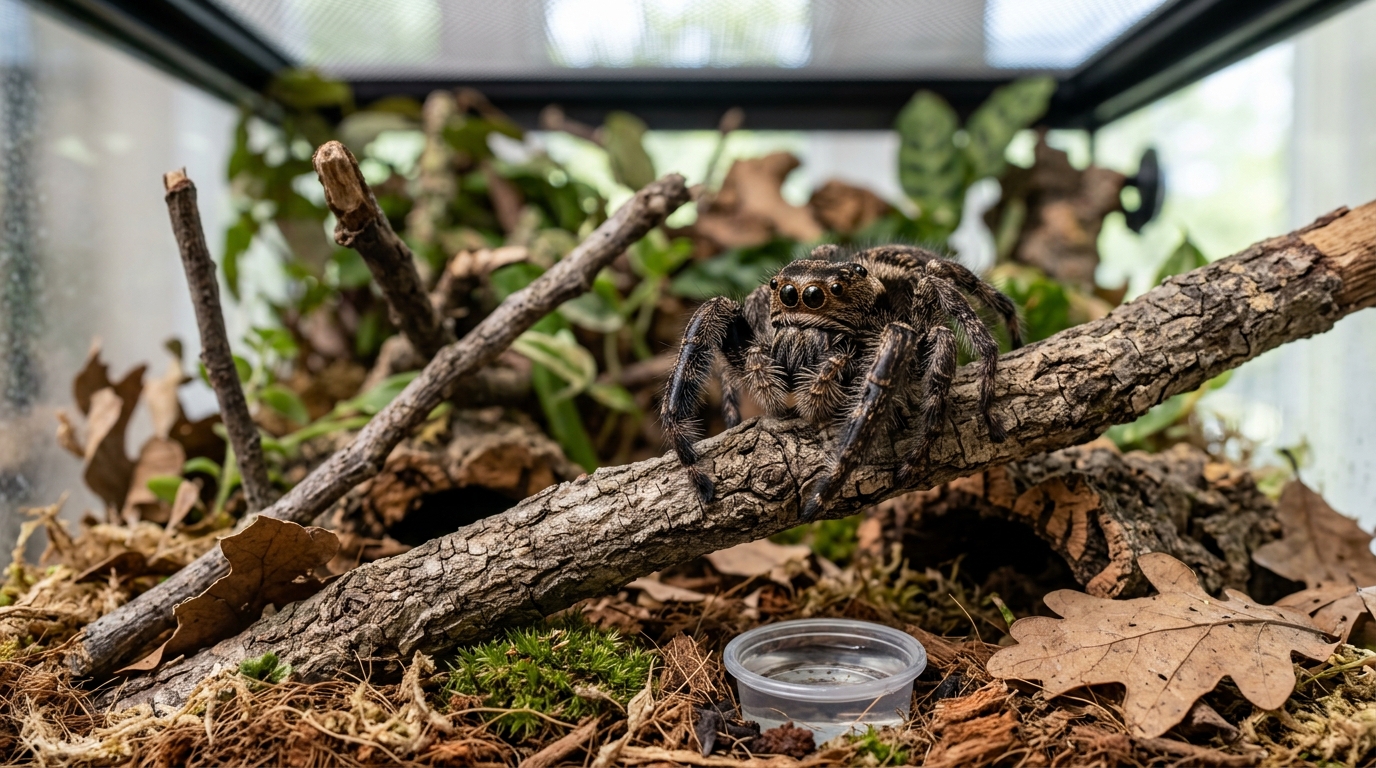
Hyllus diardi, commonly called the heavy jumping spider, giant jumping spider, or eyelash jumping spider, is the largest readily available jumping spider in the...
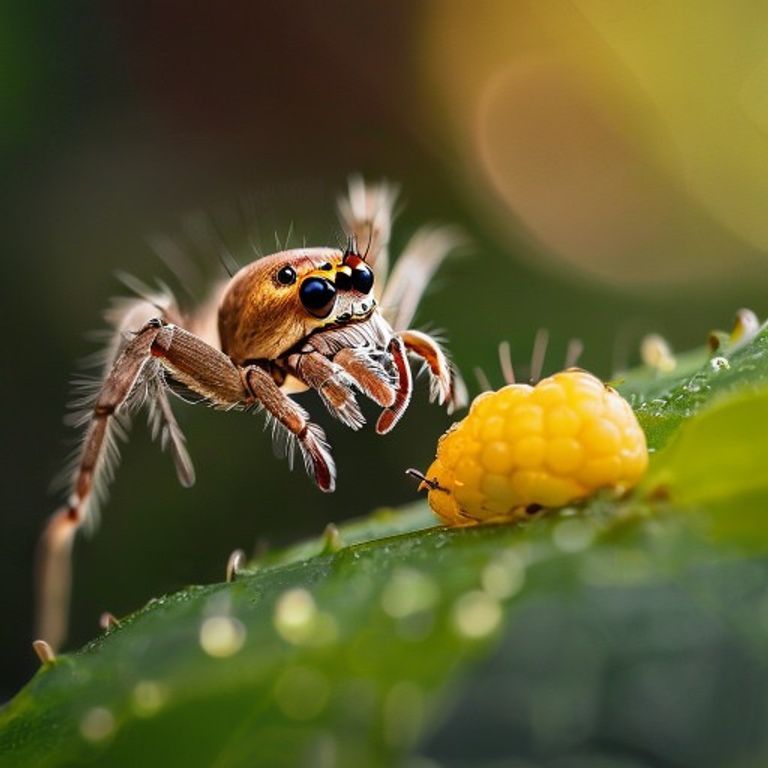
A pet jumping spider's feeding schedule changes dramatically as it grows: a first instar spiderling eats every 1 to 2 days, a juvenile every...
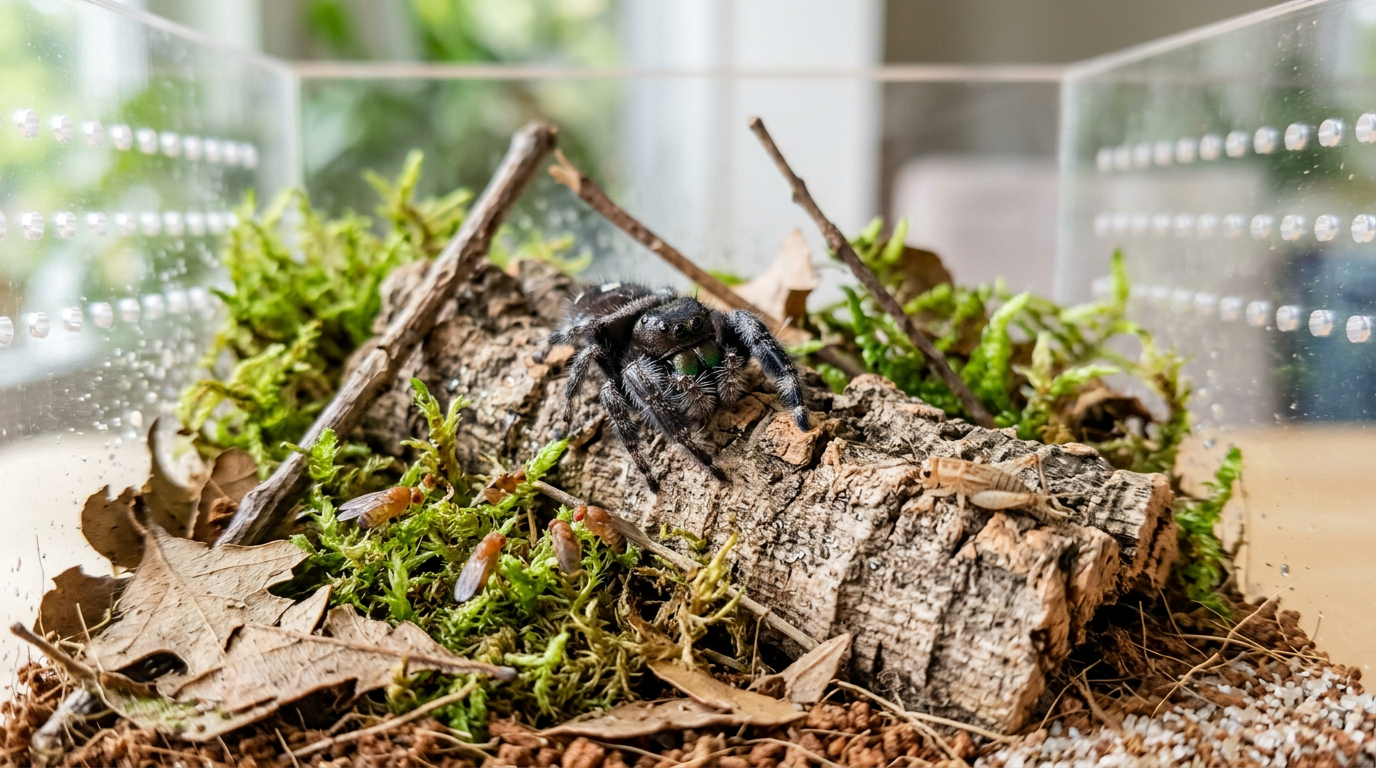
The best feeder insects for jumping spiders are flightless fruit flies (Drosophila melanogaster for spiderlings and D. hydei for late slings and small juveniles),...
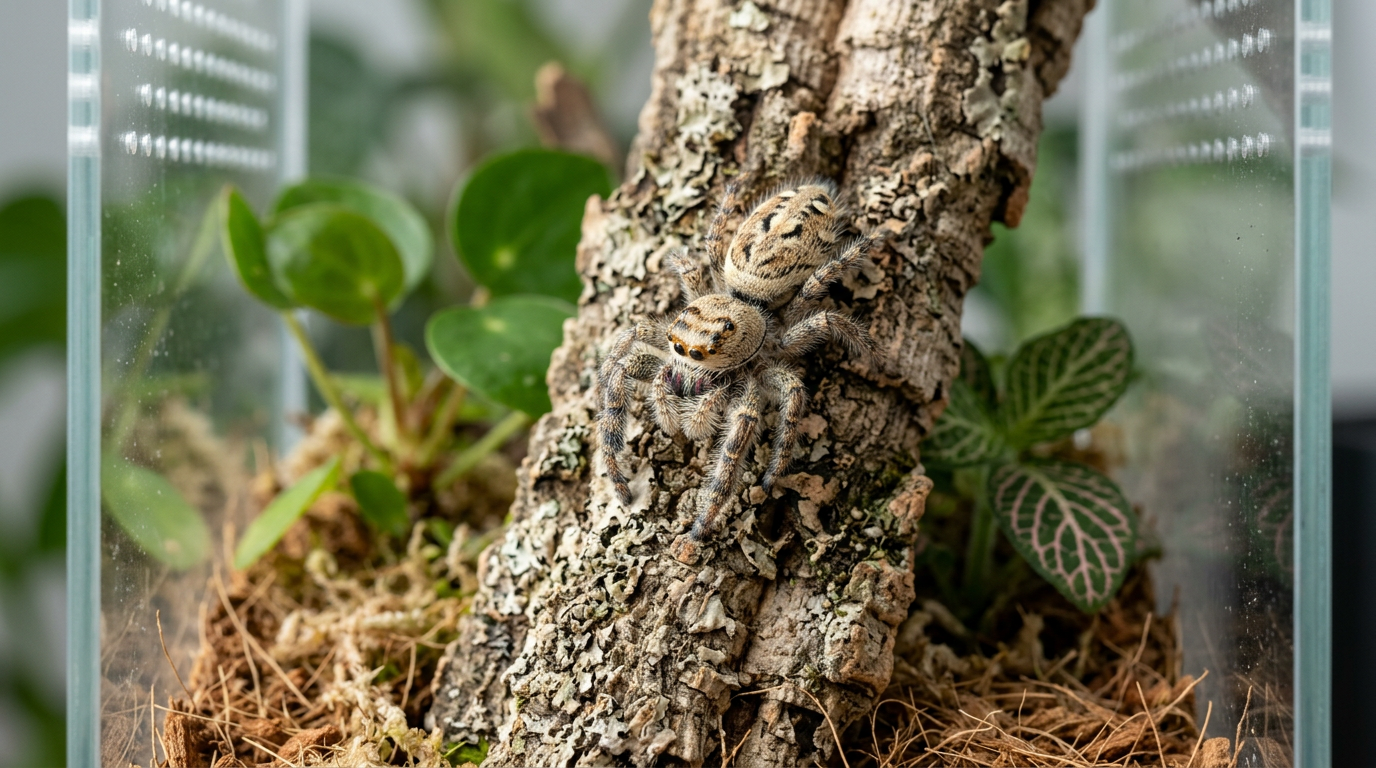
Platycryptus undatus, the tan jumping spider, is one of the most commonly encountered jumping spiders across eastern North America and a quietly excellent pet...
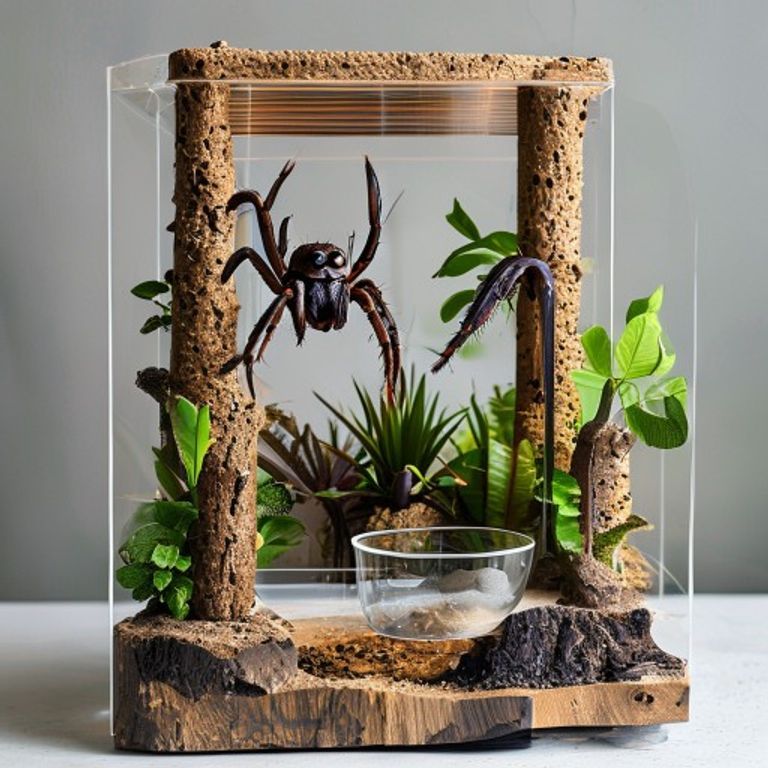
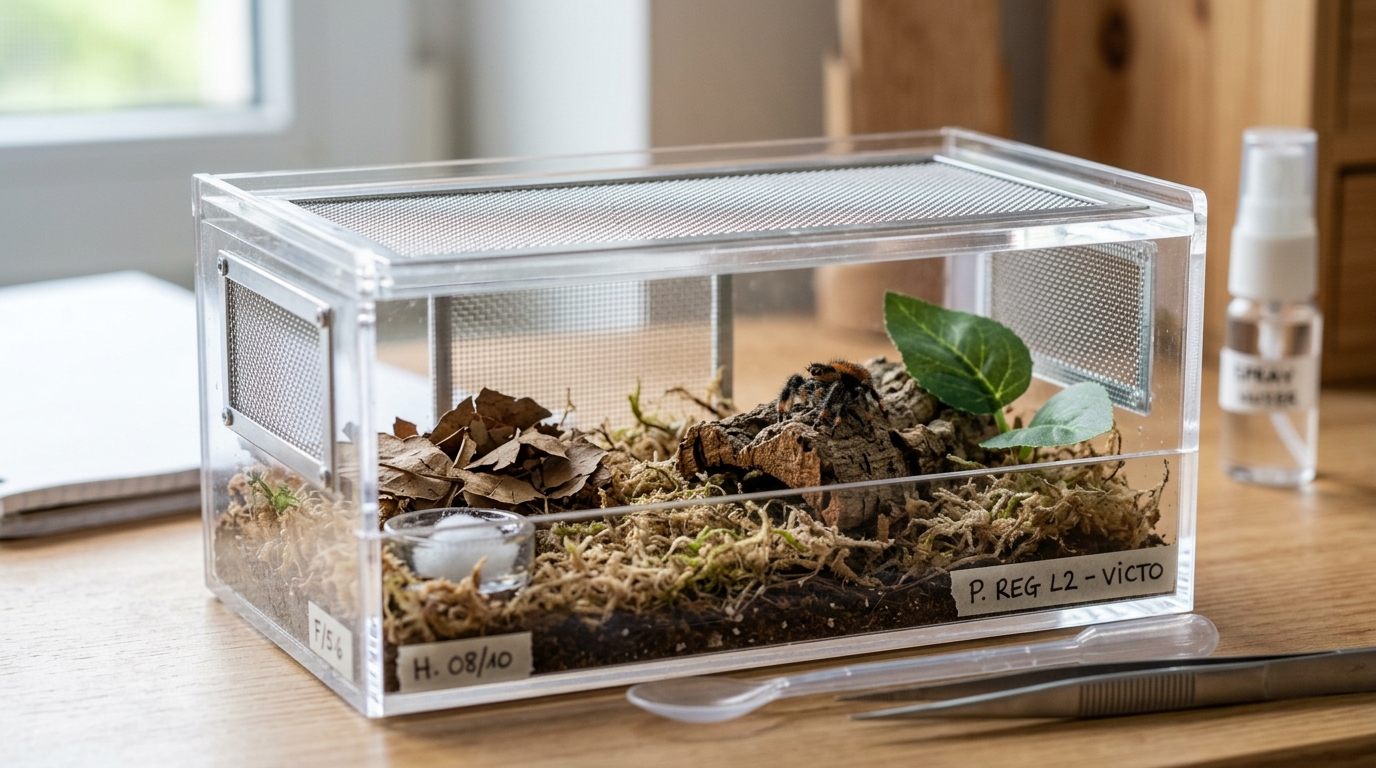
A jumping spider needs a vertical, well-ventilated arboreal enclosure sized 4 to 12 times the spider’s diagonal leg span in height, with cross-flow ventilation...