

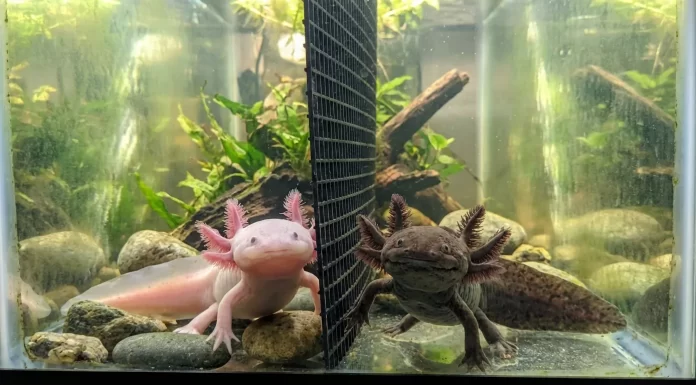
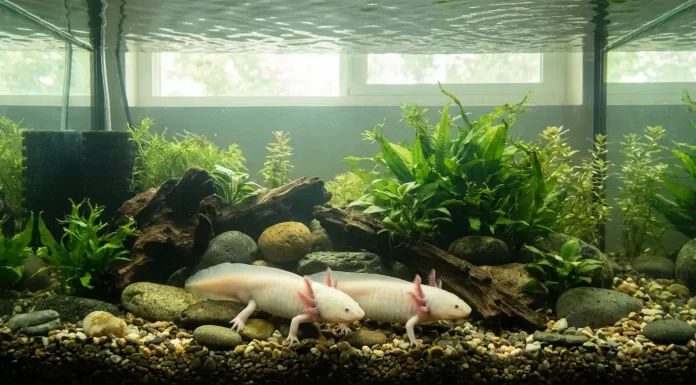
Axolotls eat each other. This is not a defect or a sign of poor temperament. It is normal predatory behavior from an animal that...
Axolotls cannot be reliably sexed before they approach sexual maturity, which means most keepers spend the first 6 to 12 months of ownership not...
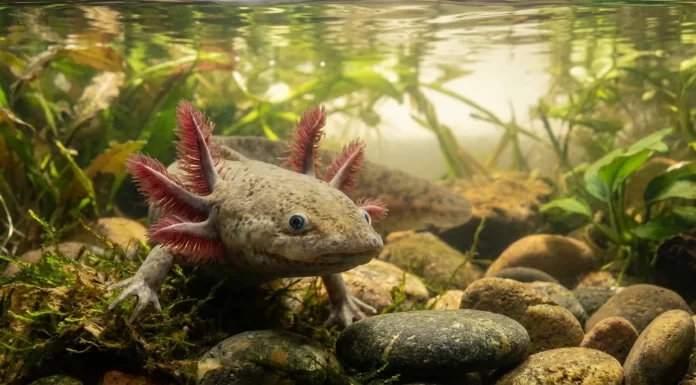
A healthy axolotl has full, branching gill filaments, clear eyes, smooth unblemished skin, a body width roughly equal to head width, and active responses...
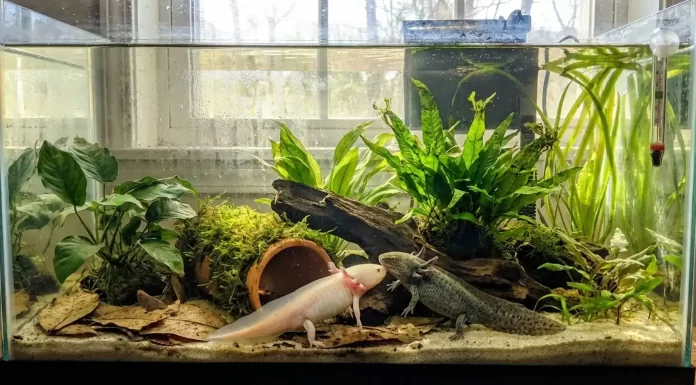
Most axolotl deaths in the first year of ownership trace back to a handful of preventable errors. The animals themselves are hardy when their...
A successful axolotl breeding attempt begins weeks before the male and female ever share a tank. The breeding setup is the preparatory phase: selecting...
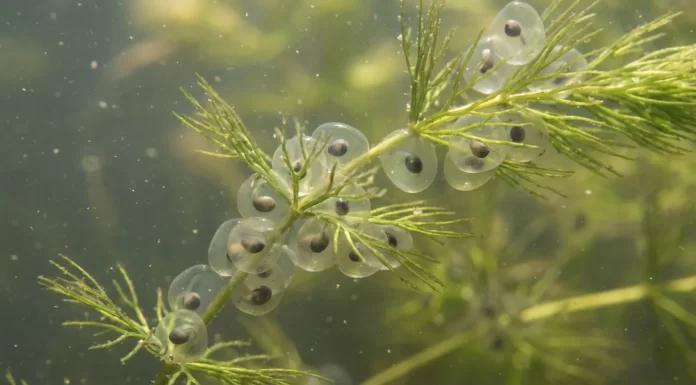
After axolotls spawn, the eggs require dedicated care in a separate container with clean, temperature-stable water. A female can lay between 200 and 1,500...
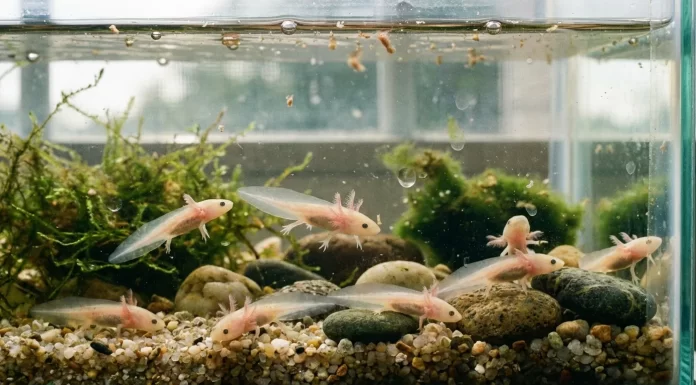
Raising axolotl larvae from hatching to juvenile is the most labor-intensive phase of axolotl breeding. A single clutch can produce hundreds of larvae, each...
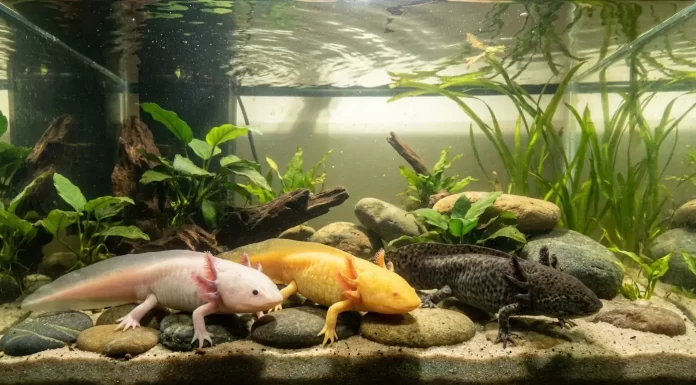
Axolotl color morphs follow Mendelian inheritance rules, meaning every visible trait traces to specific gene pairs inherited from both parents. Keepers who understand six...
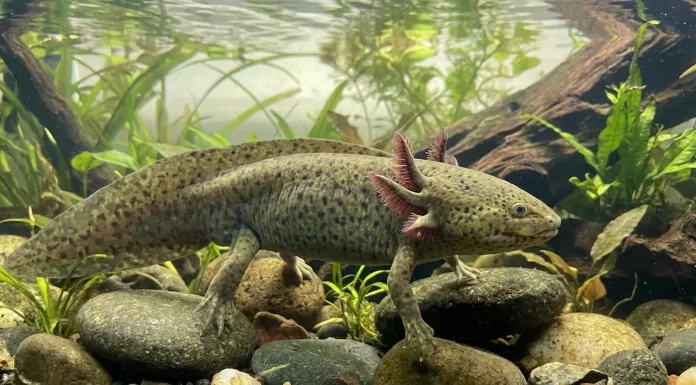
Line breeding -- repeatedly pairing related axolotls to fix a desired trait like color morph or pattern -- is one of the fastest ways...
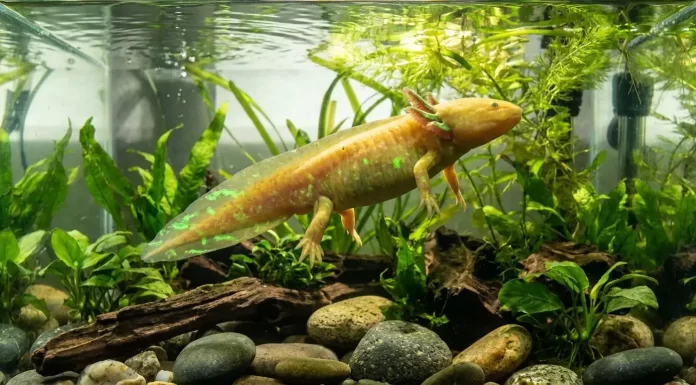
A GFP axolotl is a genetically modified axolotl that carries a transgene encoding green fluorescent protein, originally isolated from the jellyfish Aequorea victoria. Under...