

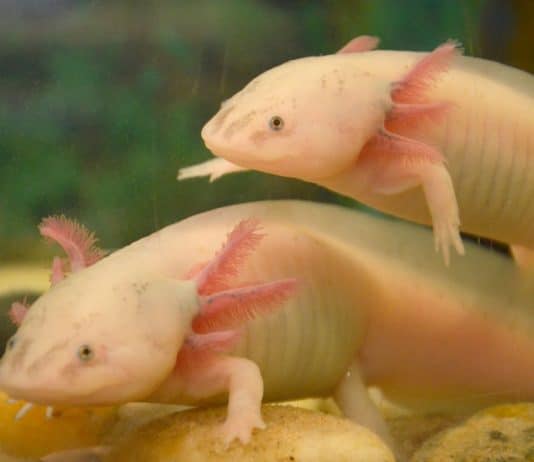
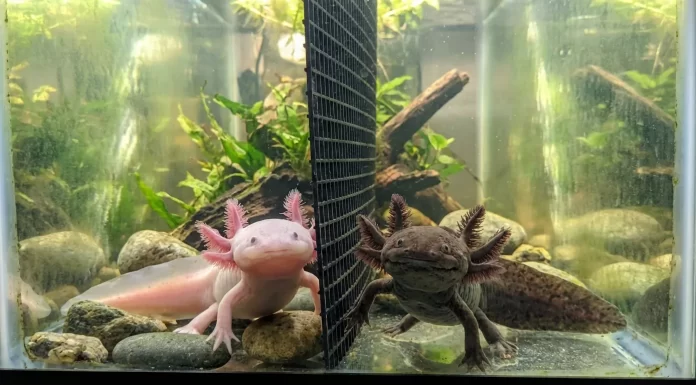
Axolotls eat each other because of a movement-triggered suction reflex, not aggression. Their poor eyesight means a tank mate's gill or toe reads the...
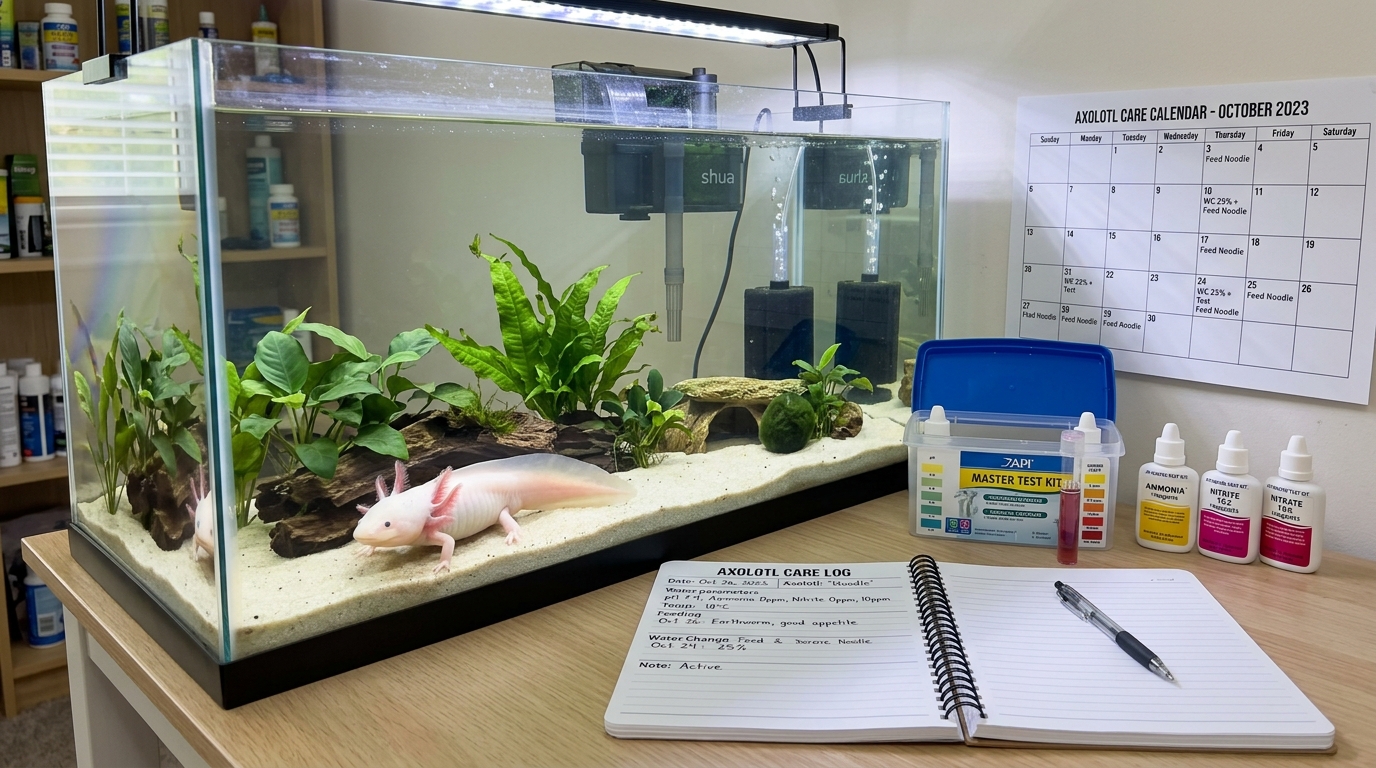
A good axolotl log records temperature and feeding response every day, the six core water parameters every week, and weight, length, and gill condition...
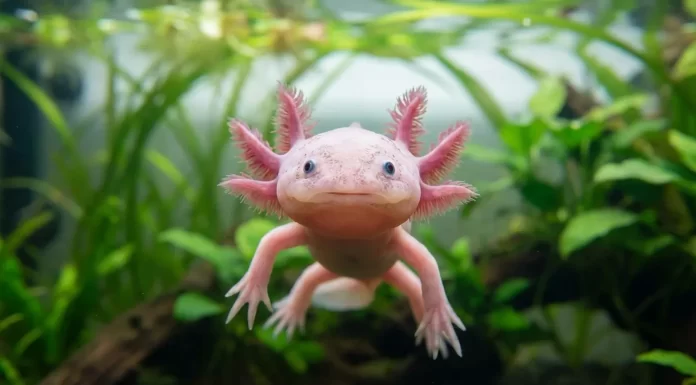
Axolotls absorb chemicals through gill filaments and permeable skin, which makes untreated tap water dangerous. Chlorine burns gill tissue on contact. Chloramine releases free...
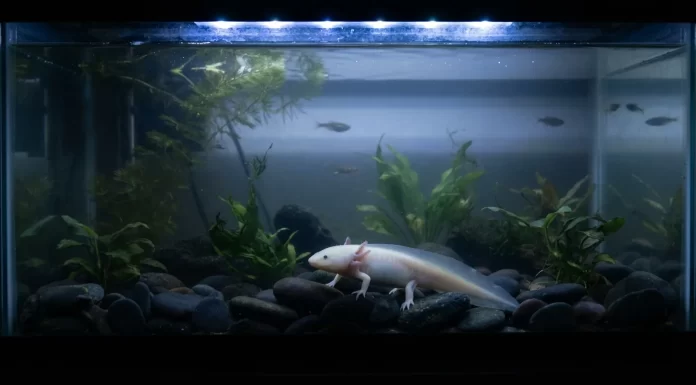
Axolotls are photophobic amphibians with lidless eyes. The default lighting recommendation is ambient room light during the day and complete darkness at night. If...
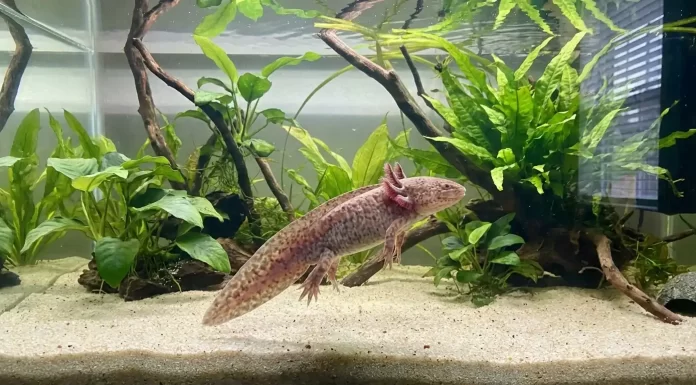
Impaction is a mechanical foreign-body blockage of the axolotl gastrointestinal tract, usually caused by ingested gravel. Food refusal, abdominal swelling, and floating from trapped...
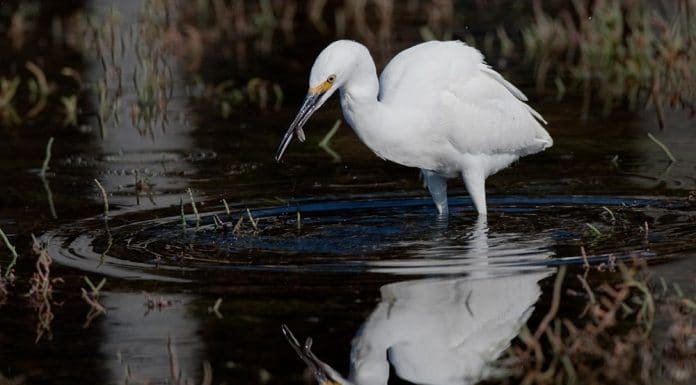
In the wild, axolotls face introduced fish, water birds, and a few native hunters in their Xochimilco home. The biggest threat by far is...
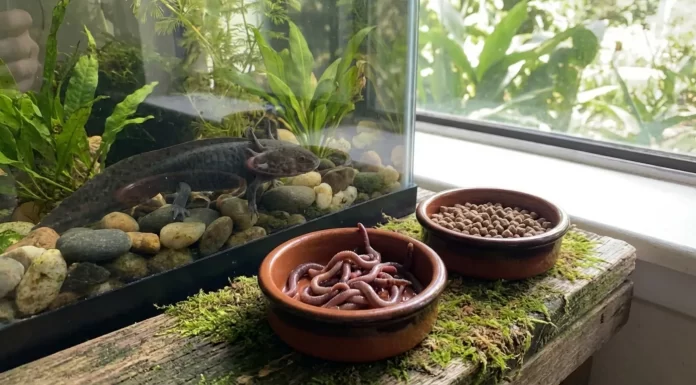
Earthworms are the nutritionally superior staple food for captive axolotls. Pellets are useful backup for situations where worms are impractical. The optimal approach for...
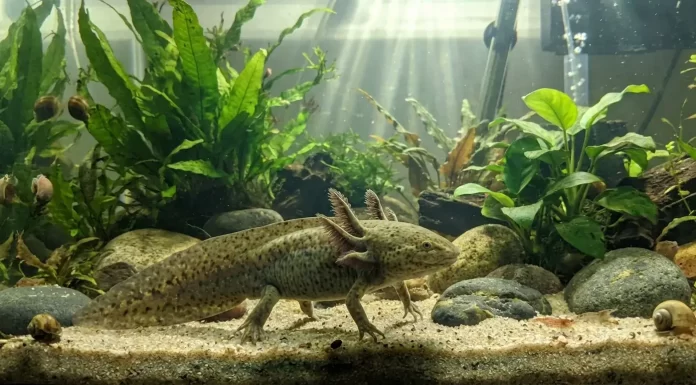
Axolotls communicate through body language not sound. Normal behavior includes long resting periods, gill flicking, occasional surface gulps, slow bottom walking, and food-motivated response....
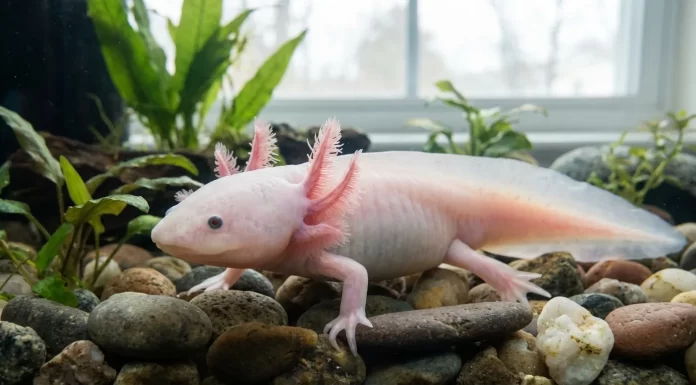
Fungal infections on axolotls present as three-dimensional white cotton-like tufts on gills, skin, or wound sites. Bacterial infections look flat and slimy by contrast....
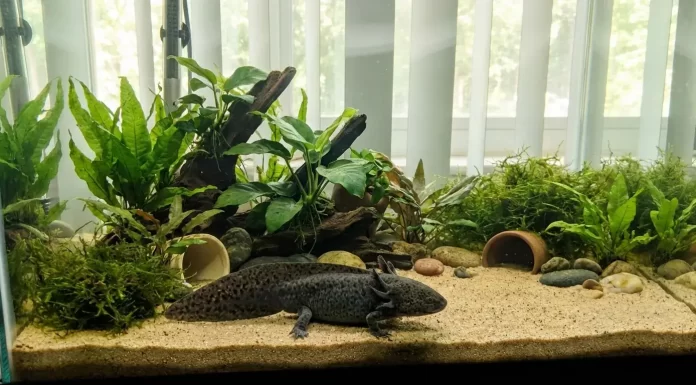
Most axolotl losses come from a short list of avoidable beginner mistakes: warm water, an uncycled tank, gravel substrate, strong filter flow, the wrong...